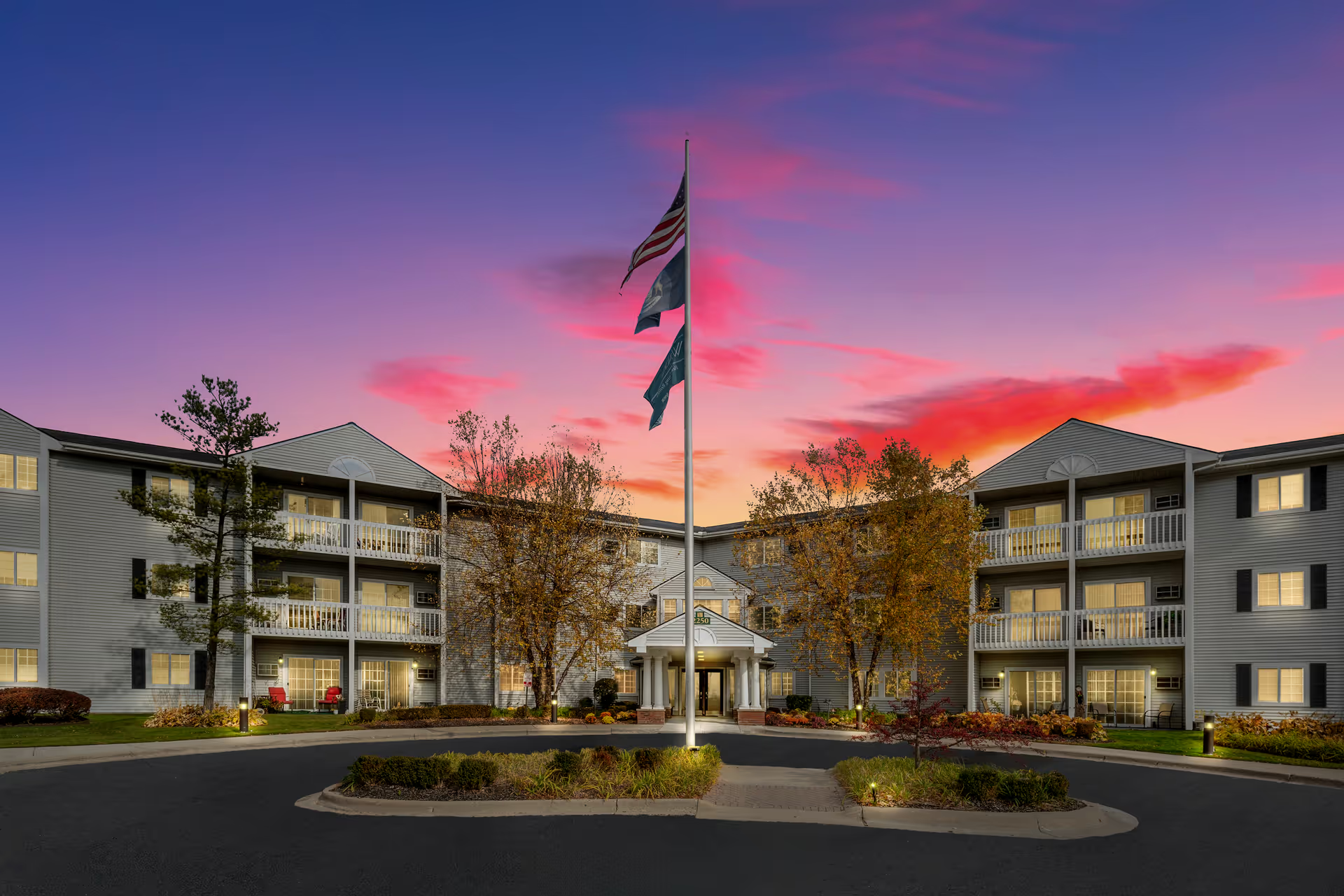
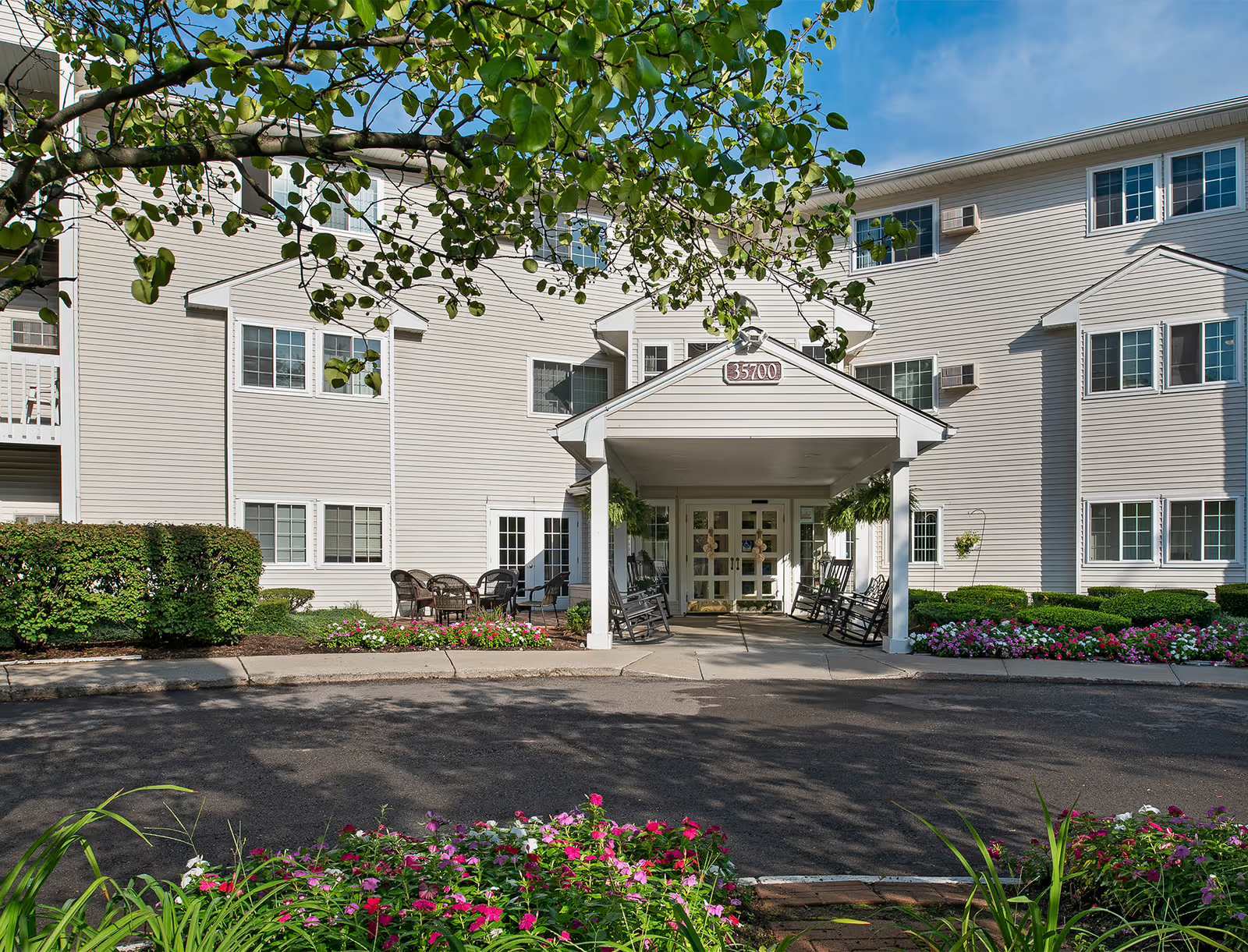
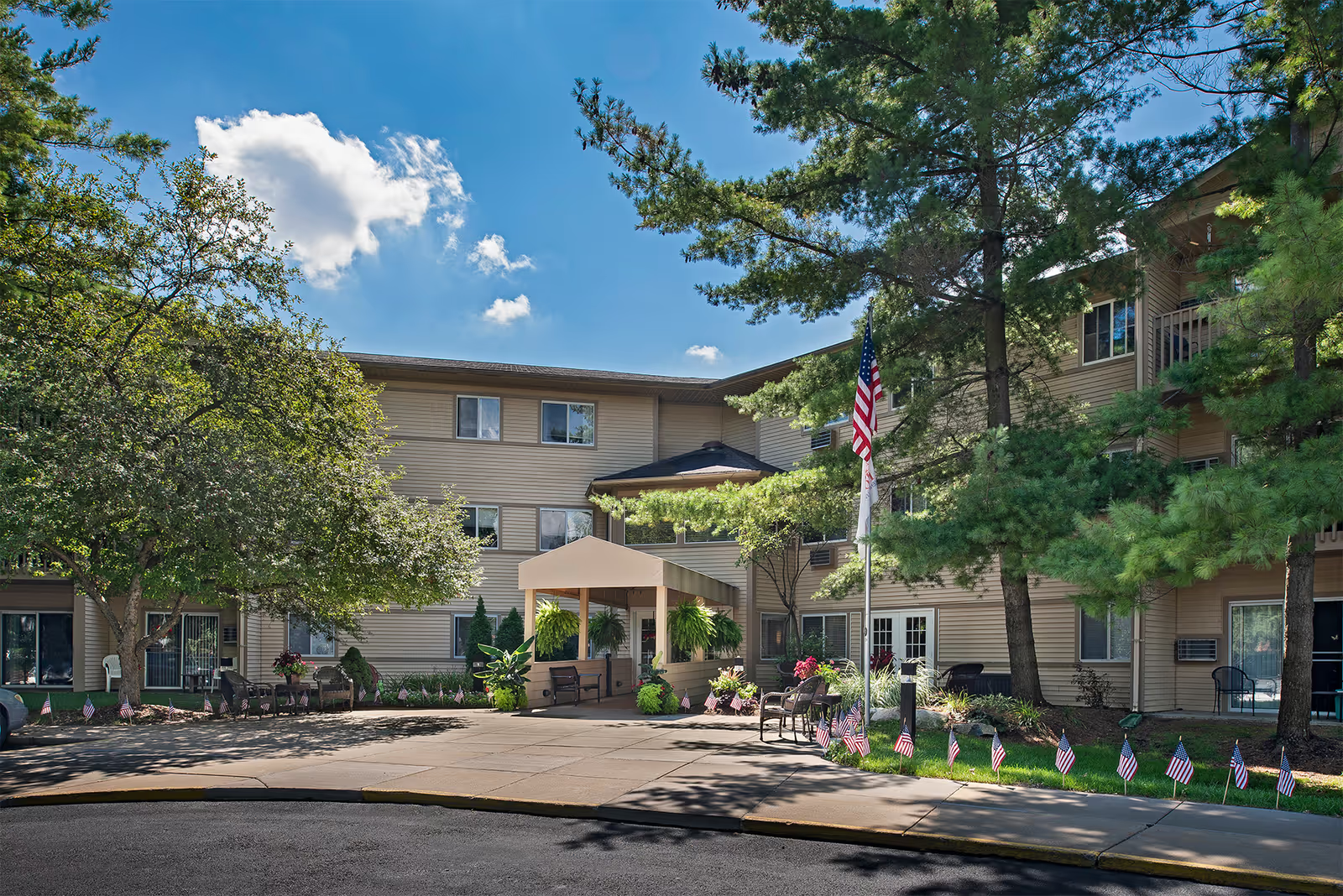
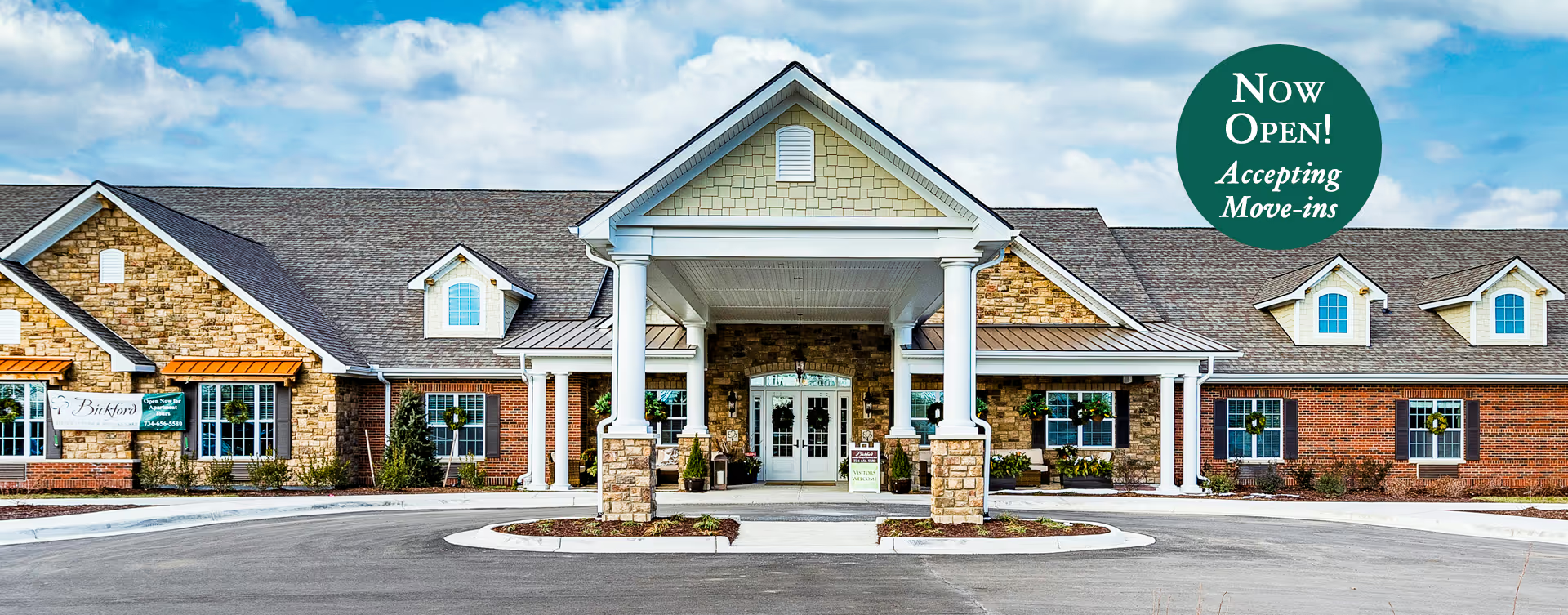
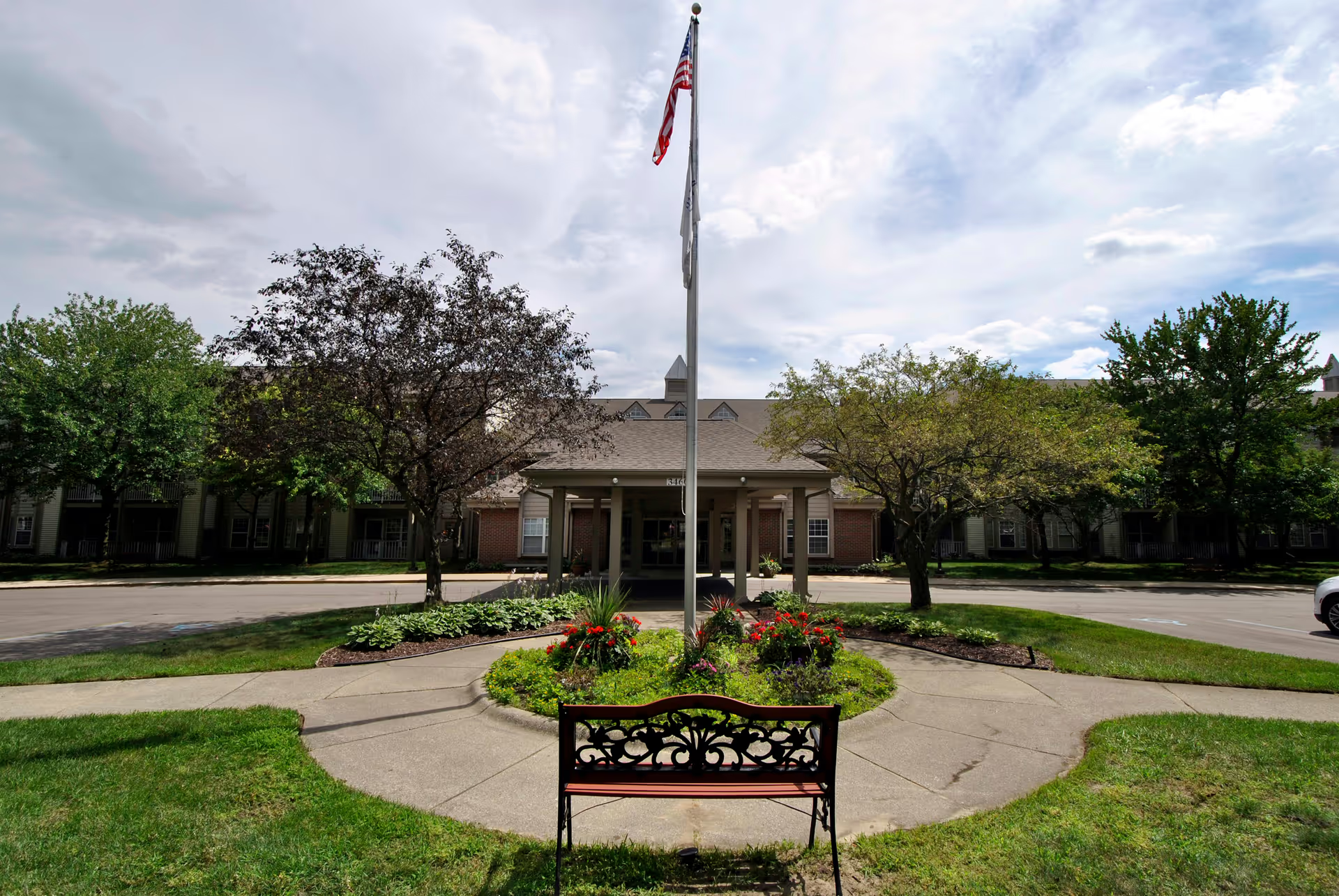
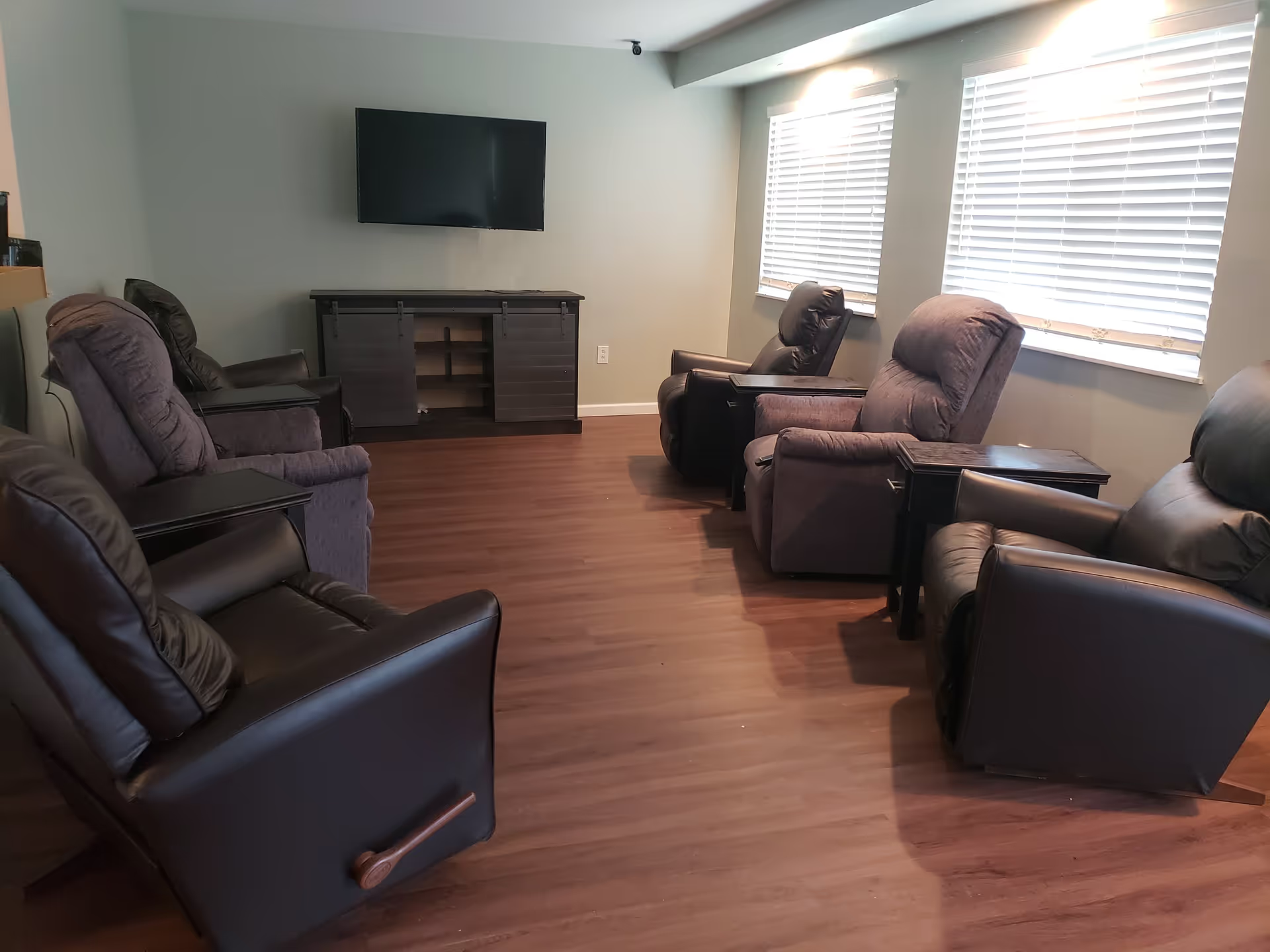
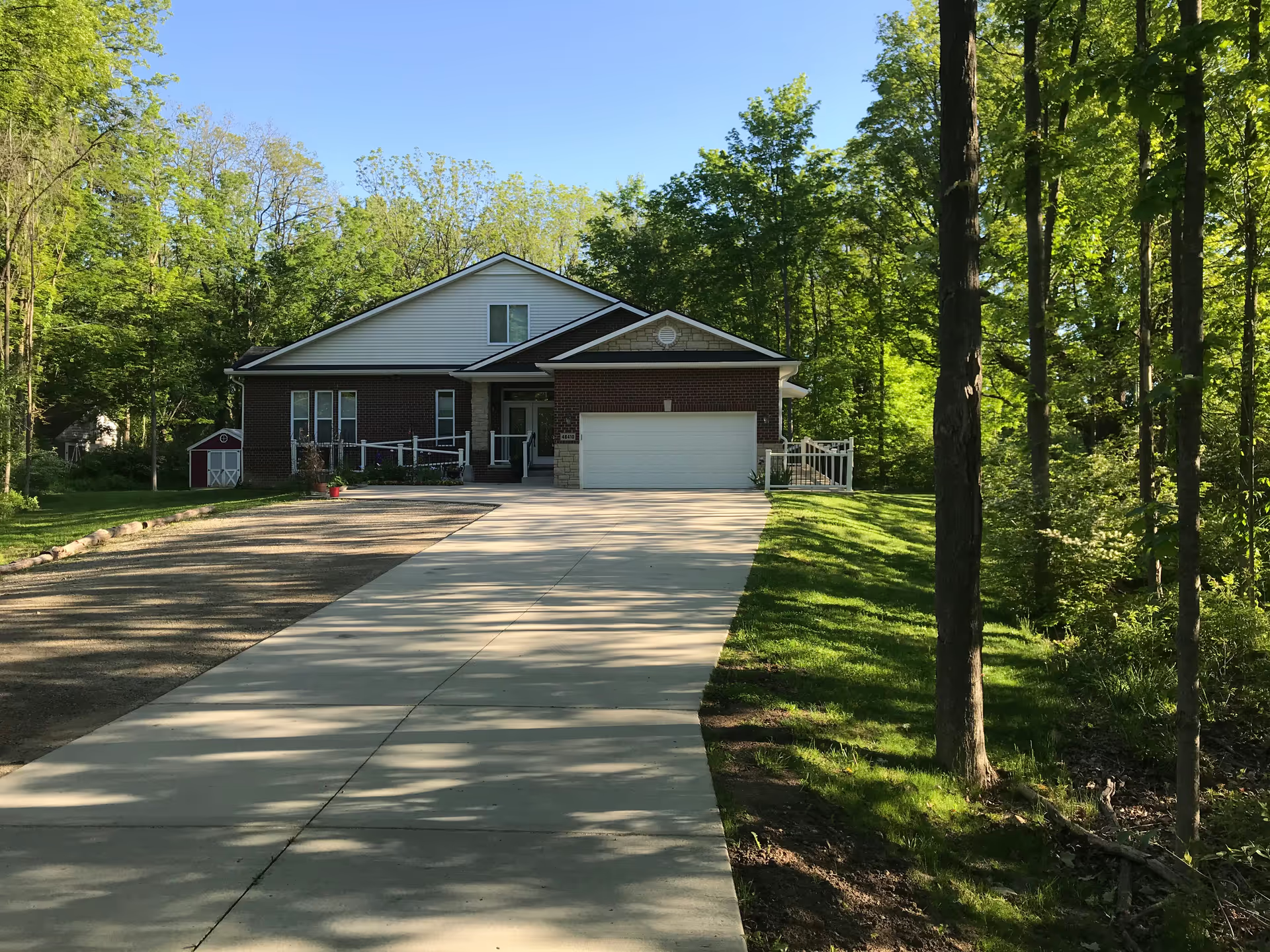
Glen Abbey presents as a well-appointed, family-oriented assisted living and memory-care community with many features families commonly seek: spacious apartment-style rooms, landscaped grounds and scenic views, a small memory-care unit with private/social areas, and a broad set of amenities (salon, exercise classes, three daily meals, laundry, and on-site medical support). Multiple reviewers highlighted the community’s warm, home-like atmosphere, opportunities for family gatherings, and a calendar of activities — bingo, crafts, musical entertainment, and outreach events — that support resident engagement and social connection.
Care and staffing receive mixed but largely positive commentary. Many families praised compassionate, attentive caregivers, staff who know residents by name, and coordinated leadership including an engaged director and activities team. The facility supports 24/7 assistance, medication management, weekly medical follow-up, and assistance with benefits such as VA enrollment, which contributes to a sense of safety and continuity for many residents. At the same time, there are recurring operational concerns: reviewers described variability in staff skill and reliability, episodes of understaffing (notably during holidays or when staffing is strained), and instances where clinical assessment and triage appeared inconsistent. These patterns suggest the facility may perform well under normal staffing but can experience gaps in clinical monitoring and emergency response during staff shortages or turnover.
Dining and activities are frequently cited as strengths, with praise for engaging presentation, a café-like dining room, and a proactive activities staff. Several reviewers singled out culinary staff and meal presentation as a positive element. However, other families described bland meals, kitchen-staff turnover, and inconsistent meal quality. Housekeeping and cleanliness are generally described as good — many noted a clean, well-kept facility — but there are also mentions of variable sanitation consistency (for example, crumbs after meal delivery and areas needing closer attention), indicating housekeeping performance may fluctuate.
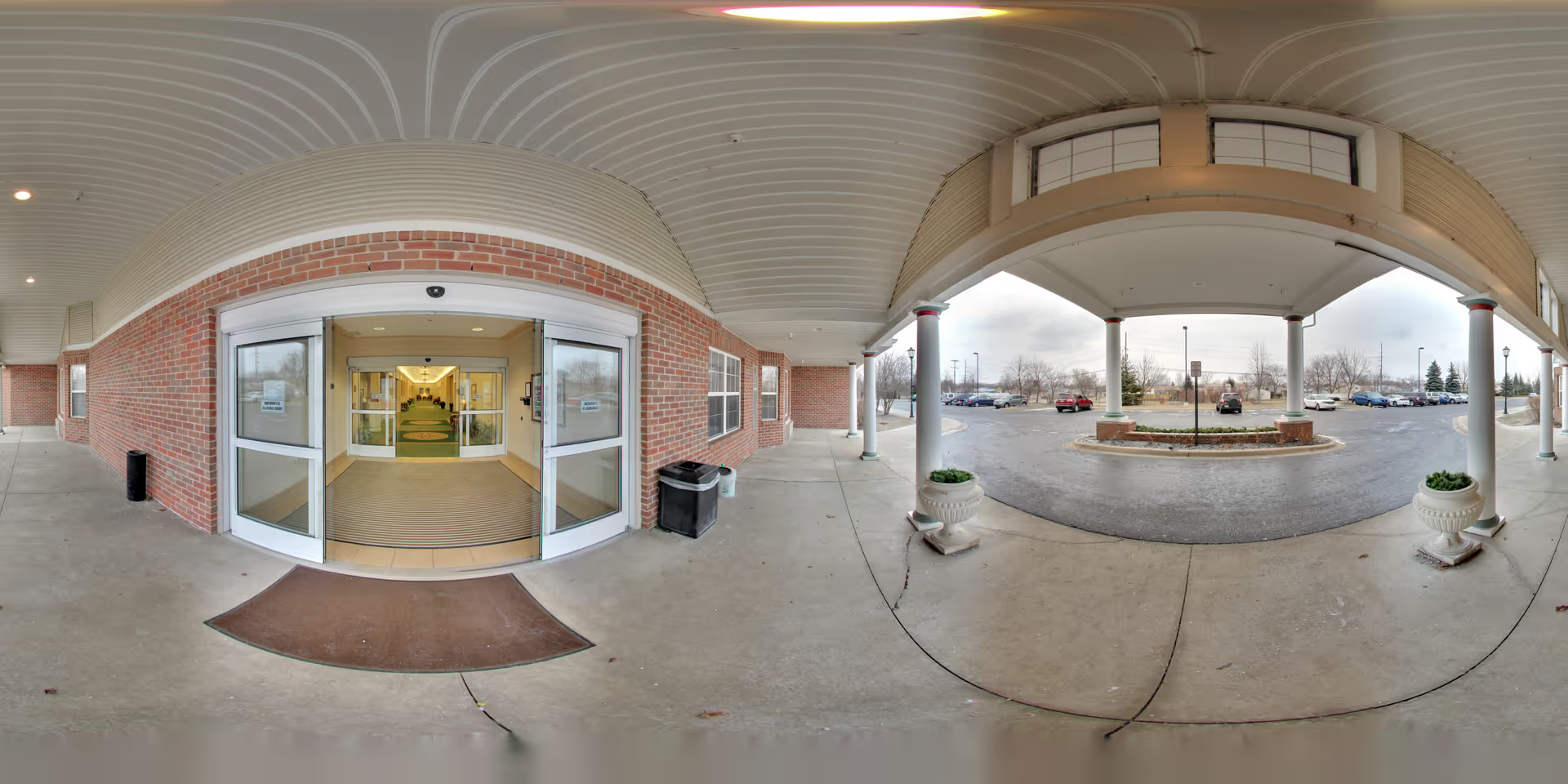
Facilities and access generally score well for layout and comfort: large, bright rooms, single or couple-friendly options, secure memory-care design, and multiple communal areas for socializing. Practical friction points include a cumbersome buzz-in/manual door-release system that can delay entry and exit, and visitation restrictions at times (limited visit lengths, window visits, or restrictive policies during heightened infection-control periods) that families found limiting.
Management and communication show a mix of strengths and challenges. Many reviewers praised responsive leadership, timely email updates, and staff who listen to concerns. Others raised concerns about inconsistent family communication, limited weekend management availability, unexpected fees or charges for tests/activities, and, in a smaller number of accounts, allegations of financial misconduct and problematic staff conduct. Those more serious claims are not the dominant theme of the corpus but are significant and suggest families should ask direct questions about billing practices, incident reporting, and staff retention during touring and contracting.
Overall, Glen Abbey appears to offer many of the desirable attributes of a higher-end assisted living and memory-care community: strong social programming, pleasant physical spaces, and a culture that many families find compassionate and reassuring. Prospective residents and families should validate clinical staffing levels, emergency-response protocols, housekeeping standards, visitation policies, and the facility’s approach to transparency around fees before committing. For families prioritizing consistent clinical monitoring and low staff turnover, targeted questions and a review of staffing practices and recent incident resolution records are advisable during the decision process.