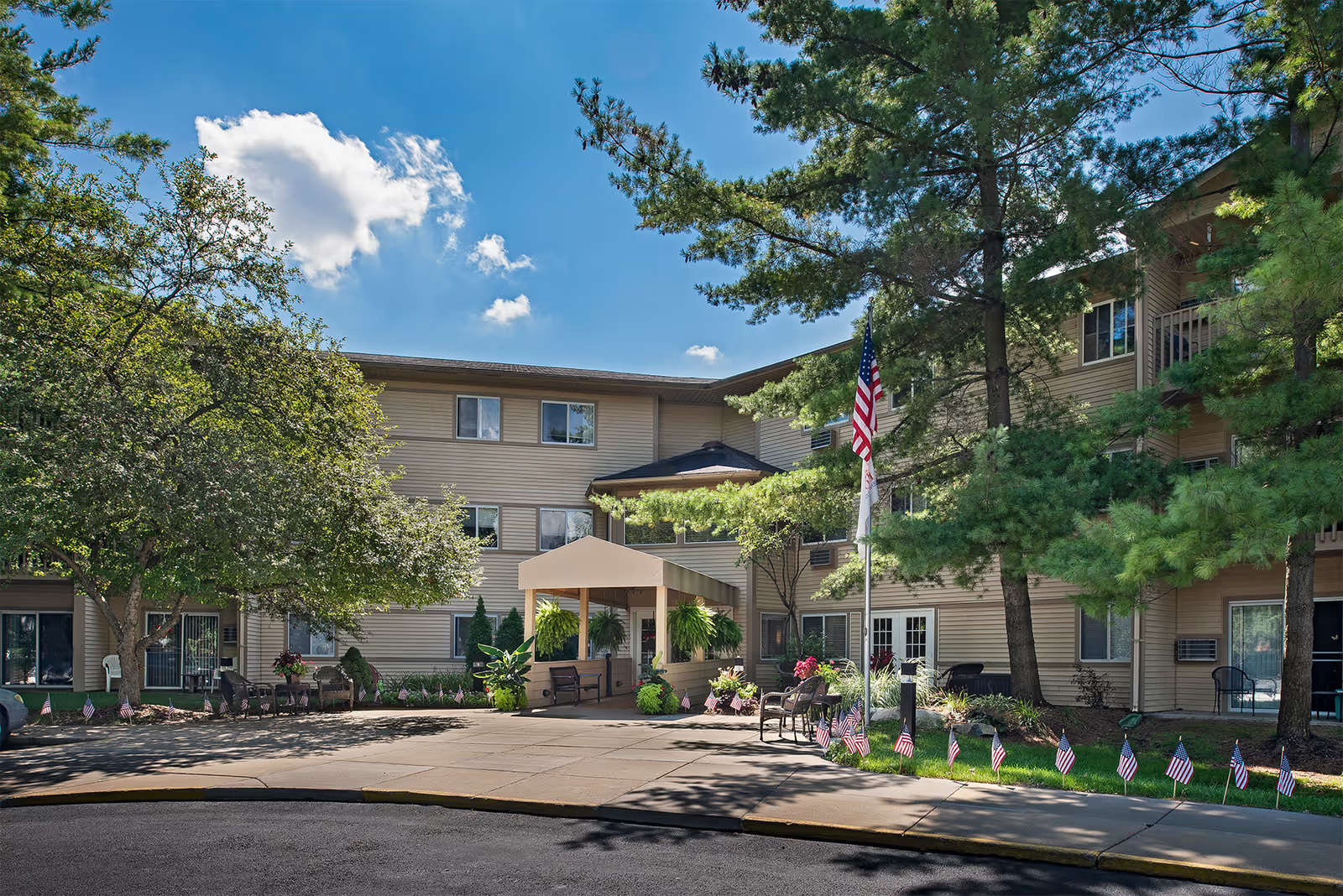
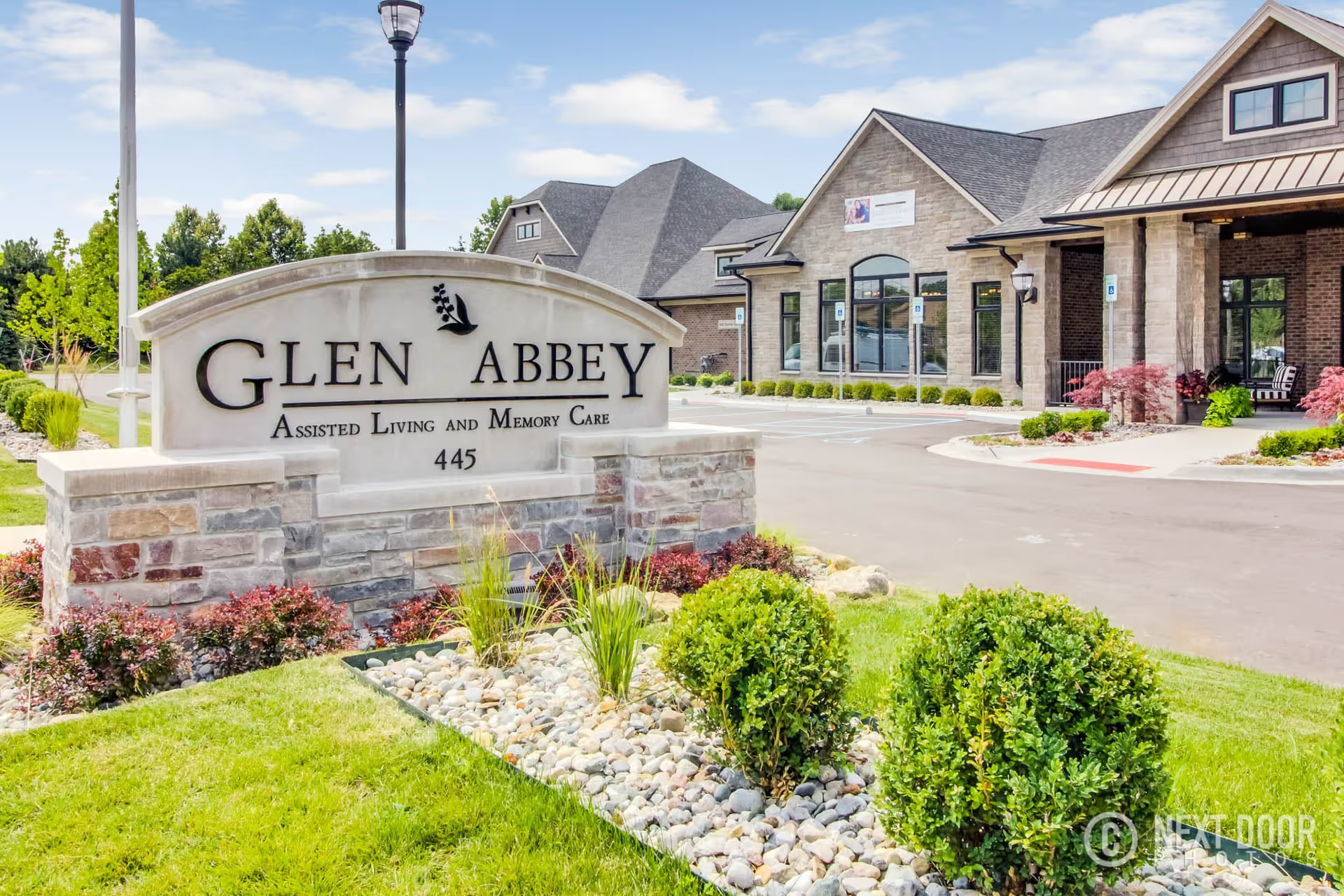
Serenity Manor of Canton presents as a small, home-style residential setting with a clear emphasis on personalized attention and memory-care capability. The facility's size — often capped at a handful of residents — supports a high staff-to-resident ratio and frequent one-on-one interaction. Many families describe the atmosphere as family-like and calming, and the ownership is frequently portrayed as hands-on and accessible.
Clinical care is generally characterized by attentive caregivers and proactive medical oversight. Several accounts highlight timely medication monitoring and rapid notification of physicians when issues arise. The staff is consistently praised for compassion, respectful interactions, and individualized approaches for residents with dementia. At the same time, there are isolated indications of variability in staff clinical confidence and in how management communicates with families; prospective families should confirm staffing patterns, clinical training, and point-of-contact protocols during a visit.
Dining and activities are recurring strengths: reviewers commonly note home-cooked, three-meal service and organized social and exercise programs that keep residents engaged. However, a subset of visitors described the dining experience as bland or repetitive, and there are occasional comments suggesting uneven activity scheduling. If culinary variety or a structured therapy plan is a priority, ask for current menus and a sample activity/therapy calendar.
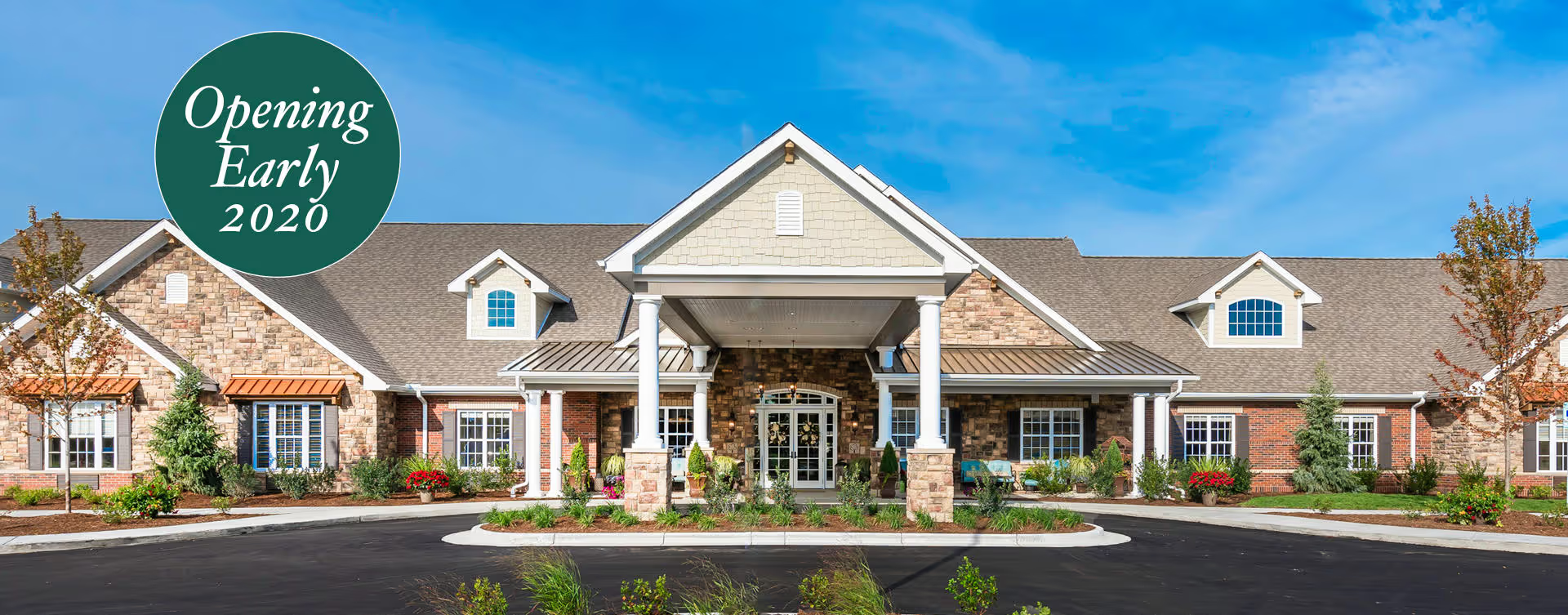
The physical plant is described as new, clean, and well maintained — polished floors, granite countertops, wide hallways, and accessible bathrooms are noted positives. Safety equipment such as Hoyer lifts is available, supporting safer transfers for residents who need assistance. The small size that creates a homelike environment also constrains capacity: there may be limited private rooms and the setting is not designed to substitute for 24-hour skilled nursing or intensive rehabilitation services.
Patterns in the reviews point to strong person-centered caregiving and cleanliness, with ownership involvement and hospice collaboration cited as stabilizing factors. Conversely, there are operational weaknesses to probe: occasional inconsistencies in management/communication, variability in meal and activity quality, sporadic therapy availability, and higher costs relative to larger facilities. Overall, Serenity Manor appears to suit families seeking a small, attentive, memory-capable home environment; during a tour families should verify staffing ratios at different times of day, the facility's ability to meet higher-dependency care needs, current therapy services, menu rotation, rooming options, and a clear communication plan for clinical changes.