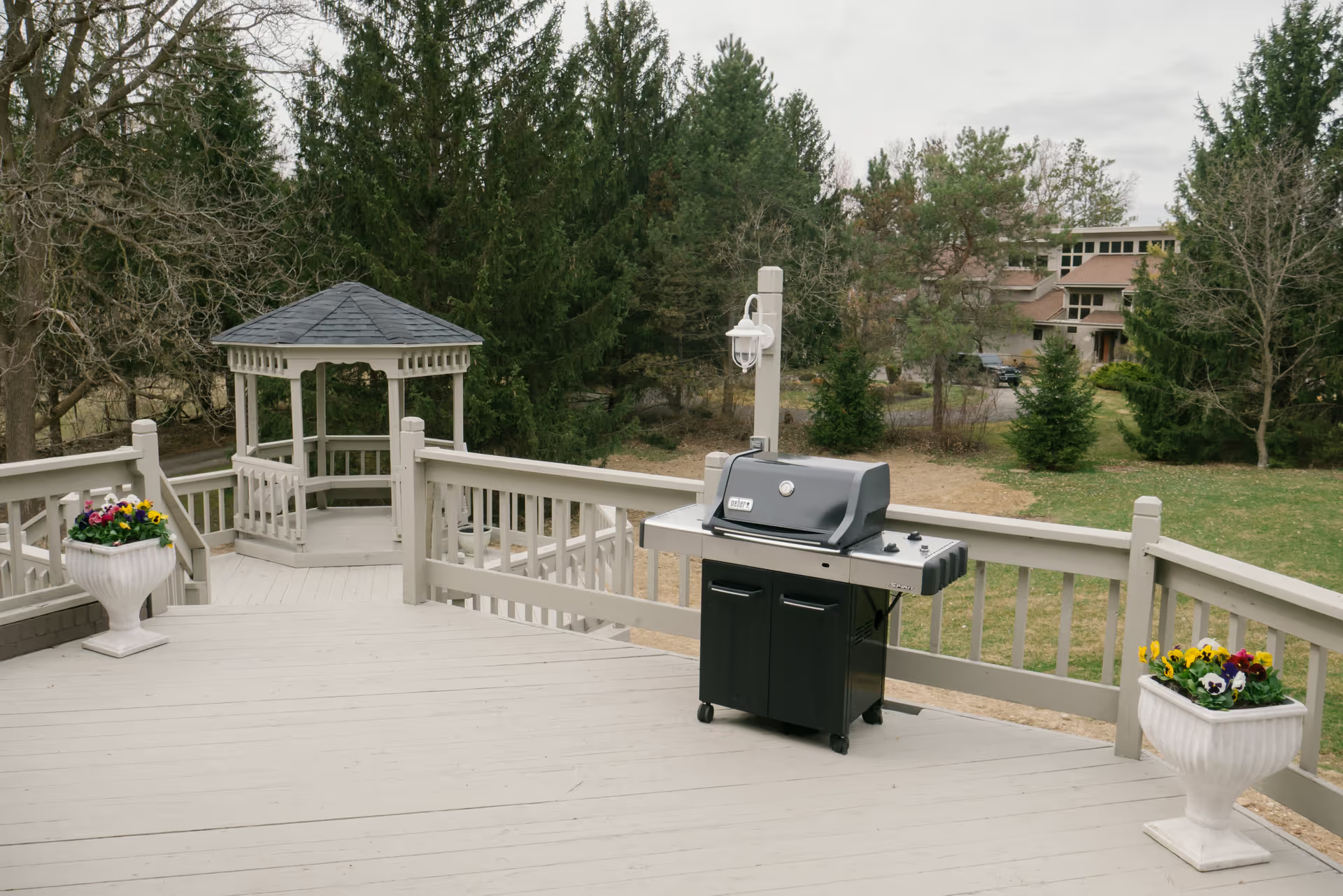
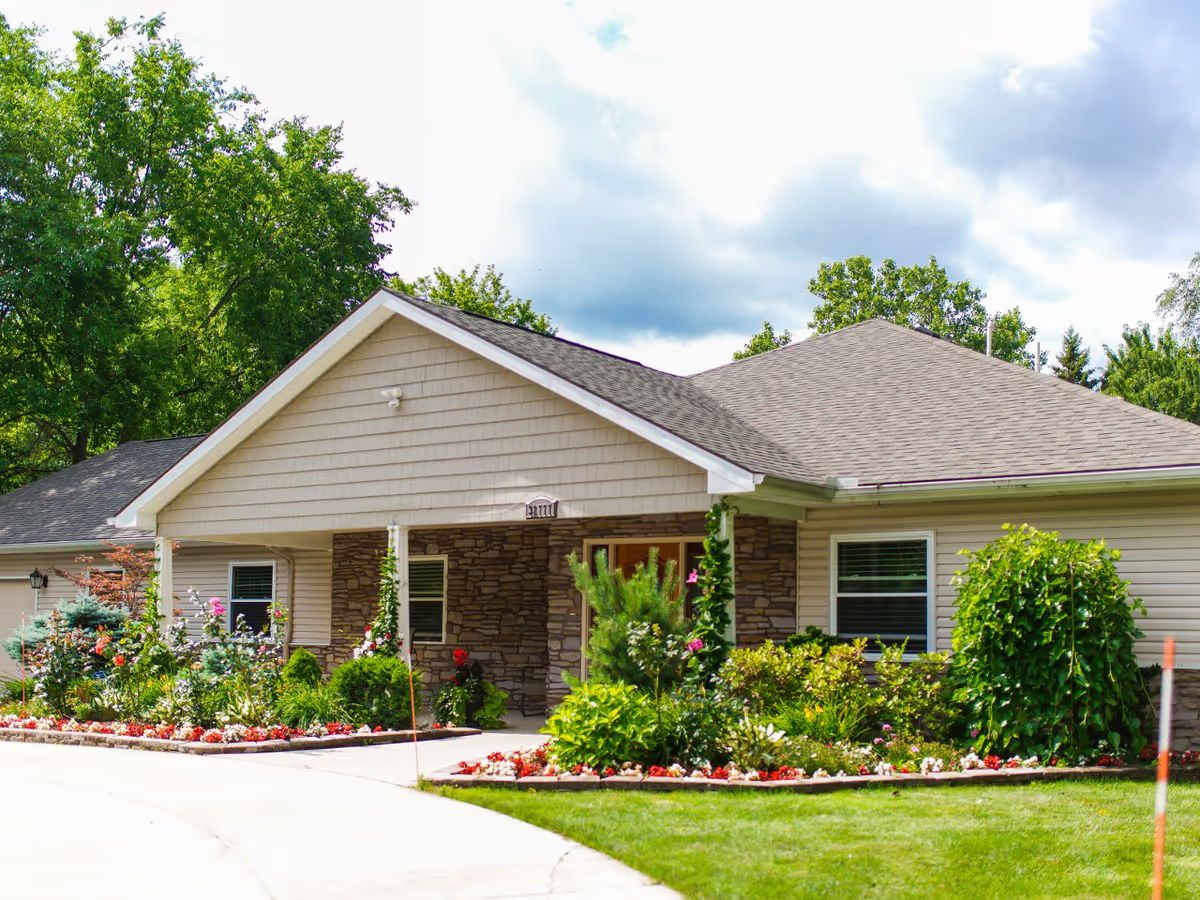
The Manor of Novi elicits a mixed but distinctly polarized picture across reviewers. Positive comments emphasize strong clinical and rehabilitative resources: several families praised the physical-therapy team, hospice providers, and individual nurses who provided attentive care. The community also receives consistent positive marks for its activities program, on-site amenities such as a beauty shop and pet-friendly events, and for having clean, well-maintained public areas. Culinary staff and dining choices were favorably described by many, and front-desk and some administrative personnel are noted as courteous and helpful.
Counterbalancing those strengths are recurring operational concerns that affect day-to-day resident experience. Staffing levels and responsiveness emerge as primary themes: delayed call-light responses, slow phone pickup, and reduced assistance in the dining room and at night were described in multiple narratives. Reviewers described variability in clinical-care quality between shifts, and several noted specific worries about medication handling and restrictive practices around personal items and medication access. Related administrative issues include gaps in the admission intake process and delays or lack of guidance in Medicaid processing.
Facility-level factors also appear uneven. While many reviewers described clean rooms and shiny floors, others documented sanitation and odor concerns in certain indoor areas and raised questions about temperature control in resident rooms. The building is described as older and somewhat dated; reviewers recommended attention to infrastructure and equipment availability. Safety and handling practices were cited as an area for review — concerns about transfer procedures, fall prevention, and the availability of basic bedside equipment were raised and indicate the need for stronger, consistent protocols.
Communication and family engagement are additional areas of mixed experience. Some families highlighted effective social-work support and named staff who were particularly helpful, while others described poor communication, contradictory information from different staff, and restrictive visitation logistics. Taken together, the pattern suggests that individual caregivers and departments can provide high-quality, compassionate care, but operational inconsistencies—staffing, communication, medication and admissions processes, and facility maintenance—create variability in overall resident and family experience.
For prospective residents and families: a focused tour and targeted questions will be useful. Ask about current staffing ratios across shifts, call-response times, medication-administration policies, recent quality or incident reports, how Medicaid/financial admissions are handled, and how the facility manages temperature control and odors. Clarify visitation policies and observe mealtime staffing and an activities session to assess consistency between the facility’s strengths and the aspects flagged by reviewers.