Feedback about Grovecrest Supportive Care is mixed. While at least one commentator characterized the facility as "decent" and comparatively better than other local options, the dominant themes in negative feedback center on communication, professional conduct, and facility hygiene. These patterns suggest areas that may affect family trust and day-to-day resident experience.
Care and staff: Several family members signaled concerns about the tone and responsiveness of staff. Common themes include perceived lack of empathy in interactions and delays or breakdowns in family engagement. There are also descriptions of staff crossing professional boundaries—sharing personal information in conversations—which can undermine confidence in staff–family relationships. At the same time, at least one perspective indicated that the basic care provided met expectations, suggesting clinical routines may be intact for some residents.
Management and communication: The most consistent operational concern involves management’s approach to communicating with families. Feedback describes closed or curtailed lines of communication and interactions characterized as unprofessional. Those patterns point to potential gaps in family-engagement protocols, escalation processes, and transparency practices that prospective families should explore during intake and touring.
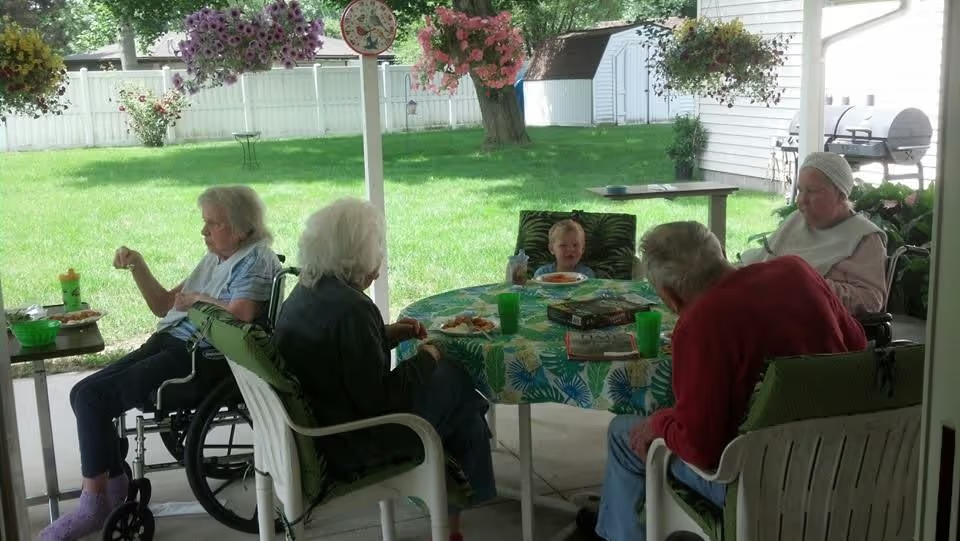
Dining and activities: Review content did not provide detailed information about dining quality or activity programming. The single positive characterization of the facility as "decent" could indicate baseline availability of services, but it is not possible to draw firm conclusions. Prospective residents should request menus, activity schedules, and sample program participation to evaluate these areas directly.
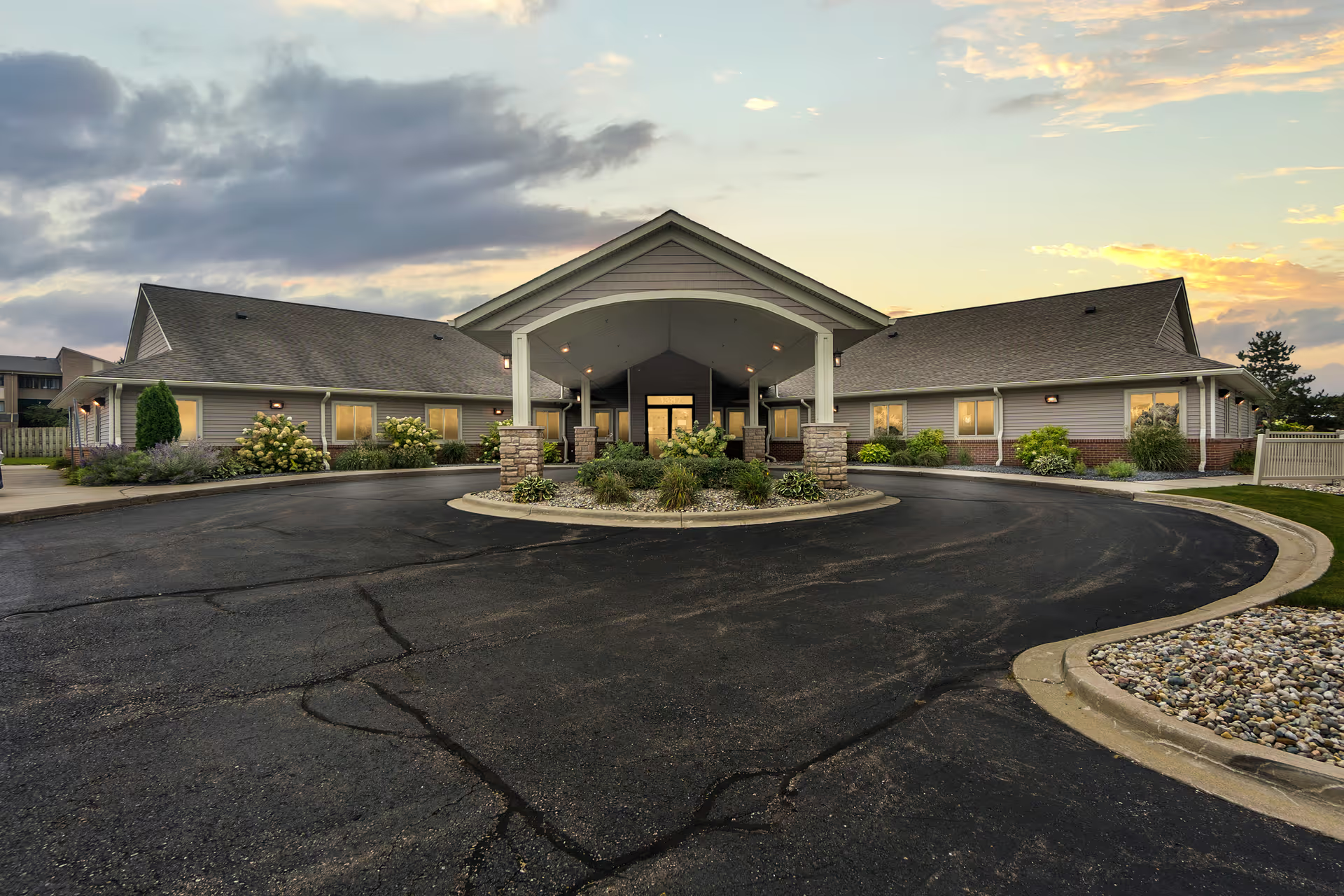
Facilities and cleanliness: Concerns about cleanliness and sanitation of facility areas were raised. Language used by critics indicates that housekeeping and environmental maintenance may not consistently meet expectations. Those evaluating the community should observe common areas and resident rooms and ask about housekeeping frequency, laundry procedures, and pest-control measures.
Notable patterns and takeaways: The recurring themes are operational rather than clinical — communication shortfalls, professionalism and boundary issues, and sanitation concerns — contrasted with at least one view that the facility is serviceable compared with other options. For families considering Grovecrest Supportive Care, recommended steps include direct observation during a visit, requesting written communication and grievance protocols, meeting both management and front-line staff, and confirming housekeeping and activity provisions before making a decision.