The body of reviews for Belle Fountain Nursing & Rehab presents a mixed picture with clear strengths clustered around rehabilitation services and facility presentation, alongside recurring operational weaknesses primarily related to staffing and clinical processes.
Care quality: Therapy services (physical and occupational therapy) are consistently praised; reviewers describe personalized, effective programs that helped residents regain function. Nursing care experiences are uneven — many families commend specific nurses and CNAs for compassion and competence, while others describe significant lapses in basic assistance, delayed medication administration, and gaps in monitoring chronic conditions. Several accounts raise concerns about wound-care and pressure-injury management and note instances where escalation and transfer to higher-level care were delayed.
Staff and management: Staffing levels and variability emerge as a dominant theme. Reviewers describe frequent short-staffing, high turnover, and apparent staff burnout that correlate with slow response times to call lights, delays in personal-care tasks, and inconsistent weekend/night coverage. Some front-line employees and admissions personnel receive strong, repeated praise for responsiveness and empathy; however, family communication and interdepartmental coordination are often characterized as inconsistent. Multiple reviewers commented on limited management presence during off shifts and slow or ineffective responses when serious concerns were raised.
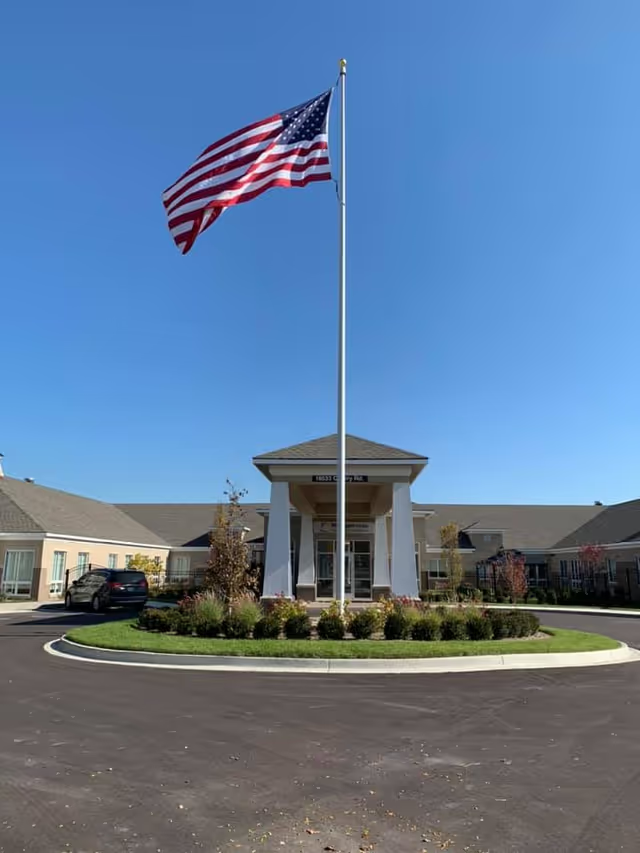
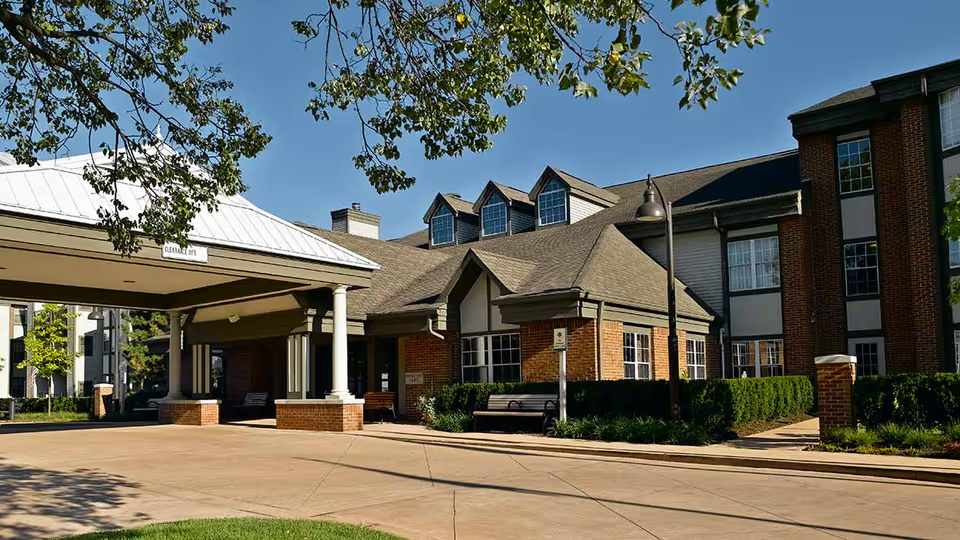
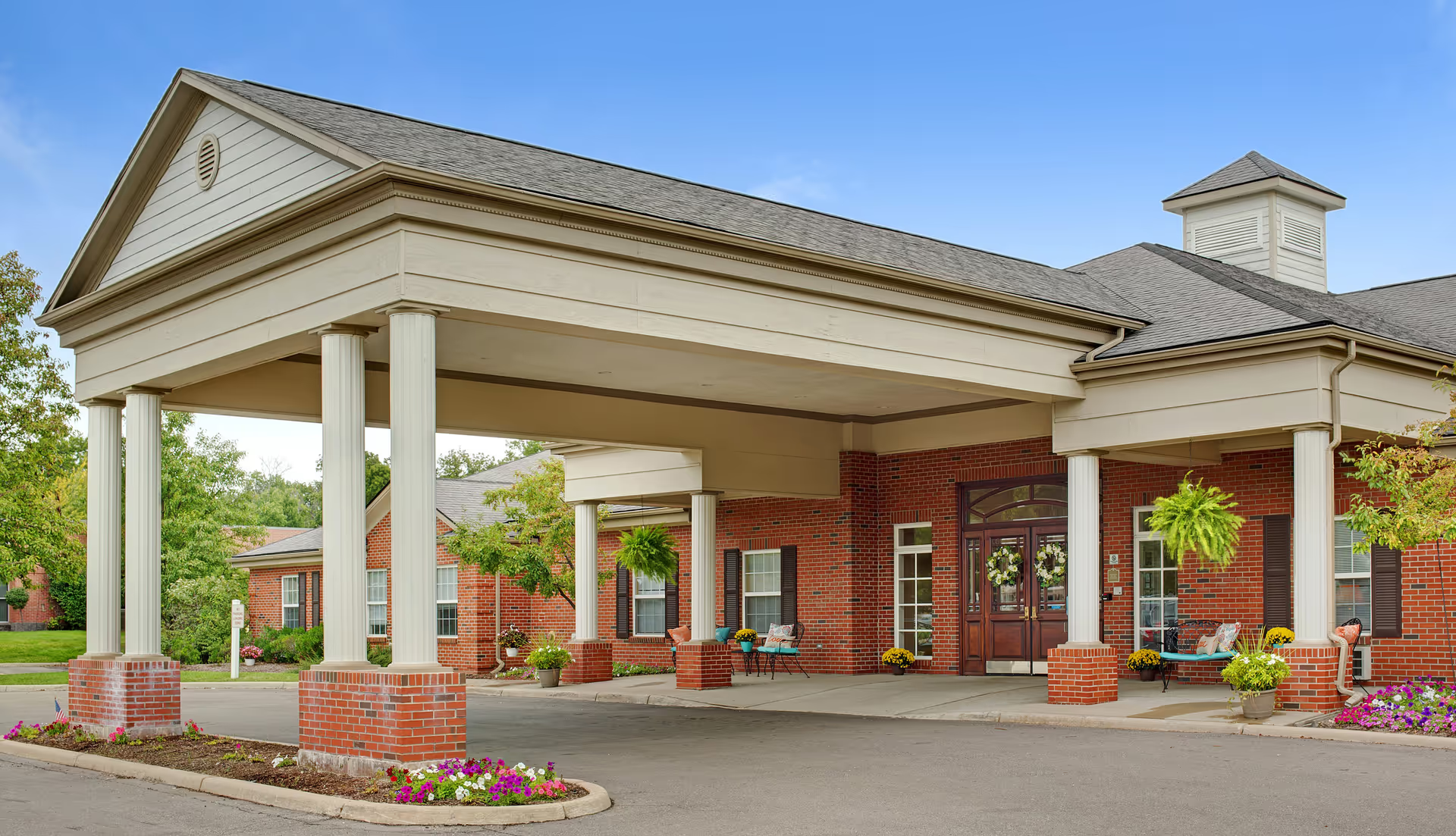
Dining and amenities: The facility’s appearance, communal areas, and atmosphere receive frequent positive mention — decor, a home-like rehab wing, and clean common spaces are strengths. Dining experiences are mixed: some residents enjoyed meals and snacks, while others found portions small, food cold, or menu options limited and not always aligned with dietary requests. Room features such as televisions and air conditioning were occasionally noted as outdated or inconsistent across units.
Safety, sanitation and processes: Recurrent operational issues include long call-light response times, medication-administration errors or delays, and uneven documentation/hand-off practices. Reviewers also describe sanitation and pest-control concerns in specific units and occasional shortages of routine supplies. Discharge planning and coordination of durable medical equipment and transportation are areas with repeated failures, resulting in last-minute family involvement or delayed discharges for some residents.
Activities and transitions: Activity programming and social opportunities are often described positively, with events and small-group activities appreciated by residents. Where staff capacity allowed, therapy and activities supported good short-term outcomes. However, scheduling and transportation for appointments or follow-up care were sometimes unreliable and contributed to negative experiences during transitions home.
Overall pattern: The dominant pattern across reviews is a contrast between high-quality, outcome-focused rehabilitation and variable, sometimes strained nursing and support services driven by staffing and management challenges. Prospective residents and families should weigh the strength of the therapy program, pleasant facility environment, and caring frontline staff against documented operational weaknesses — especially call-response times, medication and wound-care processes, discharge coordination, and night/weekend clinical coverage. If considering Belle Fountain, visitors should ask specific questions about current staffing levels, medication-safety protocols, wound-care procedures, and the facility’s approach to discharge planning and after-hours clinical oversight; identify key contacts on admission and confirm contingency plans for clinical escalation.