The reviews portray Rivergate Health Care Center as a facility with clear strengths in rehabilitation and in many elements of bedside nursing, and with persistent operational challenges that affect day-to-day resident experience. Therapy services (physical and occupational therapy) are repeatedly highlighted as a stand-out feature, with families crediting the therapy team for measurable functional gains. Nursing staff and particular caregivers receive frequent praise for compassion, clinical skill, and individualized attention; these positive staff interactions contribute to a family-like atmosphere for many residents.
At the same time, a pattern of variability emerges across clinical and support functions. Staffing levels and reliability are inconsistent: while some reviewers describe attentive, professional teams, others note aides and support staff who are slow to respond, distracted on shift, or uneven in basic care tasks. Call-button response delays and late medication delivery are recurring operational issues. There are also concerns about medication coordination and accountability, including instances that families perceive as medication-management errors or personal-item misplacement; these raise questions about internal controls and handoff processes.
Dining and activities are a mixed picture. The facility offers a restaurant-style dining room, three daily meals plus snacks, and an active activities calendar that many families find engaging and beneficial for socialization. Conversely, food quality and meal-service consistency are inconsistent; reviewers cite cold meals, incorrect items, and variable assistance with mealtimes for residents who need help. The activities program and certain staff (activities directors and therapy teams) are frequently described as bright spots that enhance resident quality of life.
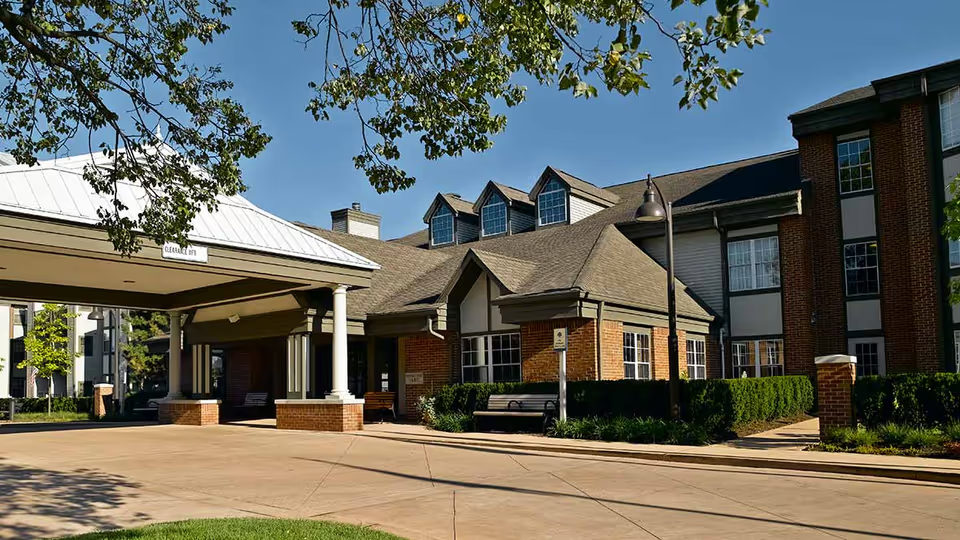
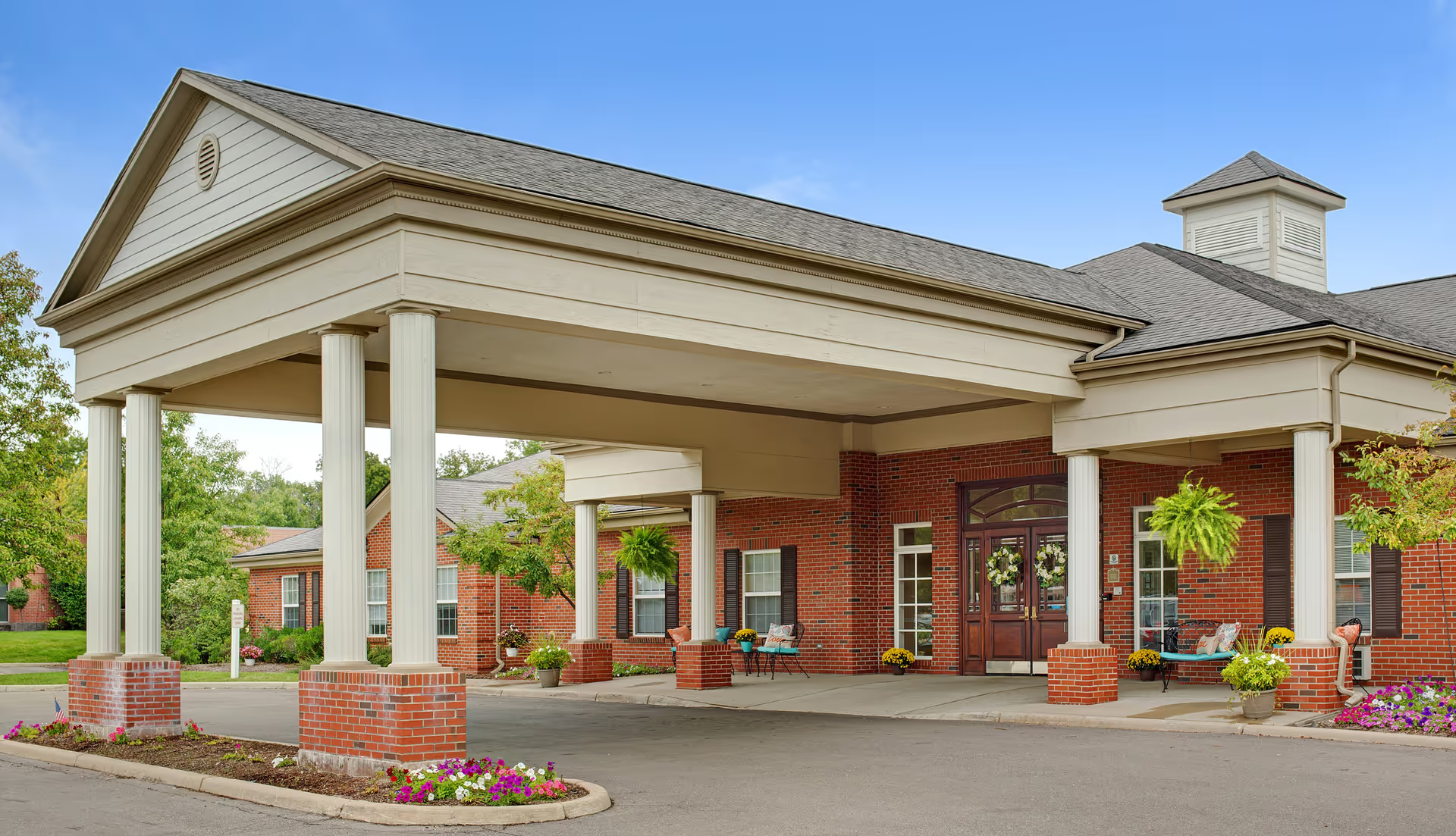
Facility condition and space usage reflect both positive upkeep and some limitations. Common areas, entry, and outdoor spaces (including an enclosed courtyard and aviary) receive favorable comments for cleanliness and pleasant appearance. However, resident rooms are often described as small and sometimes shared with two or three occupants, which reduces privacy and can complicate mobility and bathroom access. Reviewers also describe intermittent maintenance shortcomings and sanitation concerns in resident areas that suggest uneven custodial or environmental services.
Management and communication present additional operational risks. Families praise individual staff members and note helpful admissions and benefits assistance in many cases, yet others describe poor follow-through on billing, transport arrangements, and timely updates. There are inconsistent infection-control and COVID-related practices mentioned, and several accounts call out limited family communication or delayed responses from leadership when issues arise.
Taken together, the reviews indicate that Rivergate offers high-quality rehabilitation and compassionate care from many clinicians, but that those strengths are undermined at times by inconsistent staffing, operational lapses, and variable management responsiveness. Prospective residents and families would benefit from asking targeted questions during admission and tours: current staffing ratios and how they manage peak demand; medication-administration safeguards and reconciliation processes; dementia-unit supervision practices; typical room configurations and privacy options; meal-service schedules and assistance availability; and how billing, transport, and family communication are handled and escalated. These inquiries can help align expectations with the facility’s areas of strength and the operational issues noted in reviews.