Reviews for Rivergate Terrace describe a facility with pronounced strengths in person-centered interactions and rehabilitation services, alongside recurring operational vulnerabilities. Many families and residents praise the compassion and dedication of bedside staff — nurses, CNAs, and therapy teams receive frequent commendation for attentive care, individualized therapy plans, and successful rehab outcomes. Admissions and concierge personnel are regularly highlighted as welcoming and efficient, and the facility’s activities program, special events, salon services, and dining experiences are cited as meaningful contributors to resident quality of life.
At the same time, reviews reveal a pattern of variability in clinical reliability and housekeeping across units. Staffing levels are described as inconsistent, particularly on weekends and certain units, and that variability is linked to delayed responses to call lights, delayed clinical assessments, and missed or late medication administration. Multiple accounts raise concerns about wound management and pressure-area care, as well as gaps in fall-prevention monitoring; these describe clinical practices that appear uneven depending on unit assignment and staff on duty.
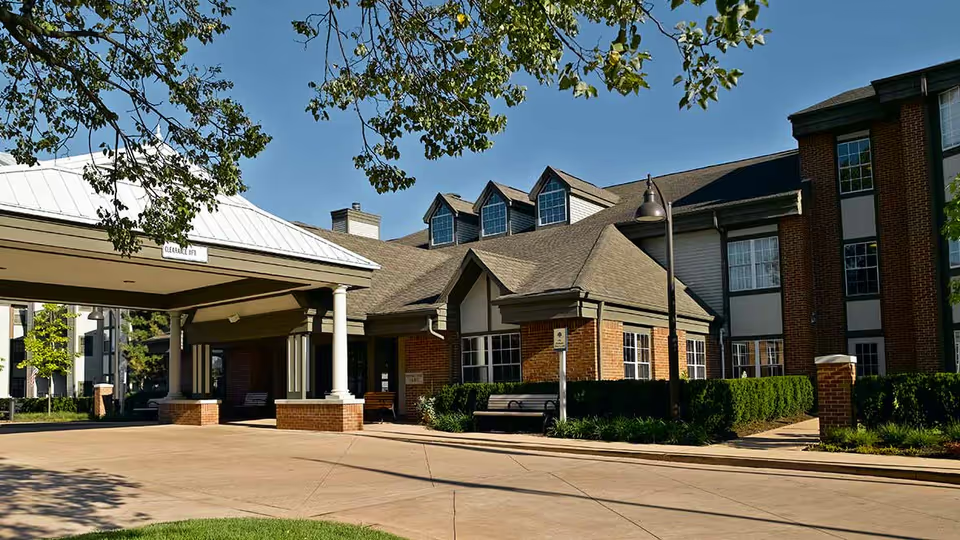
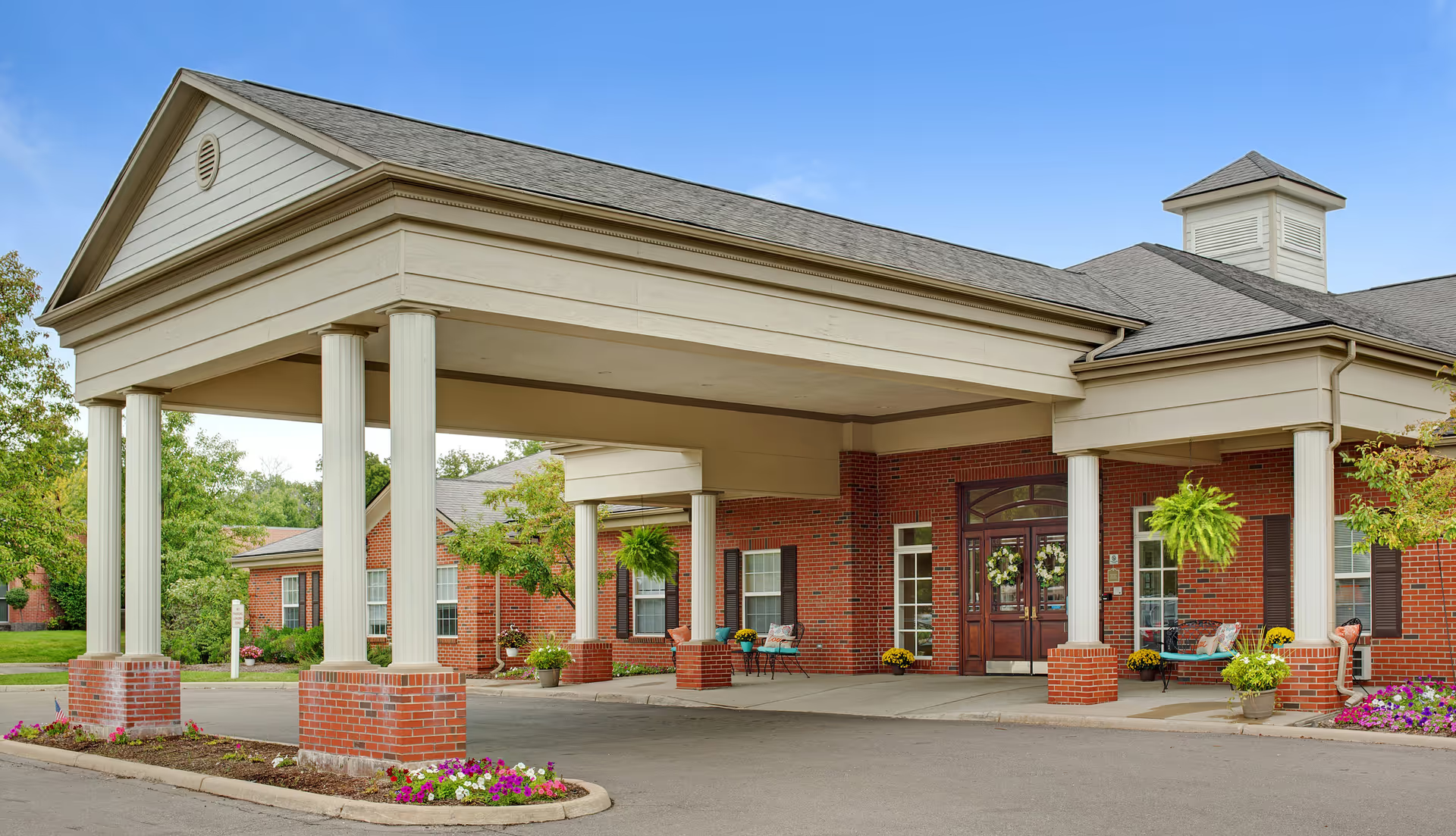
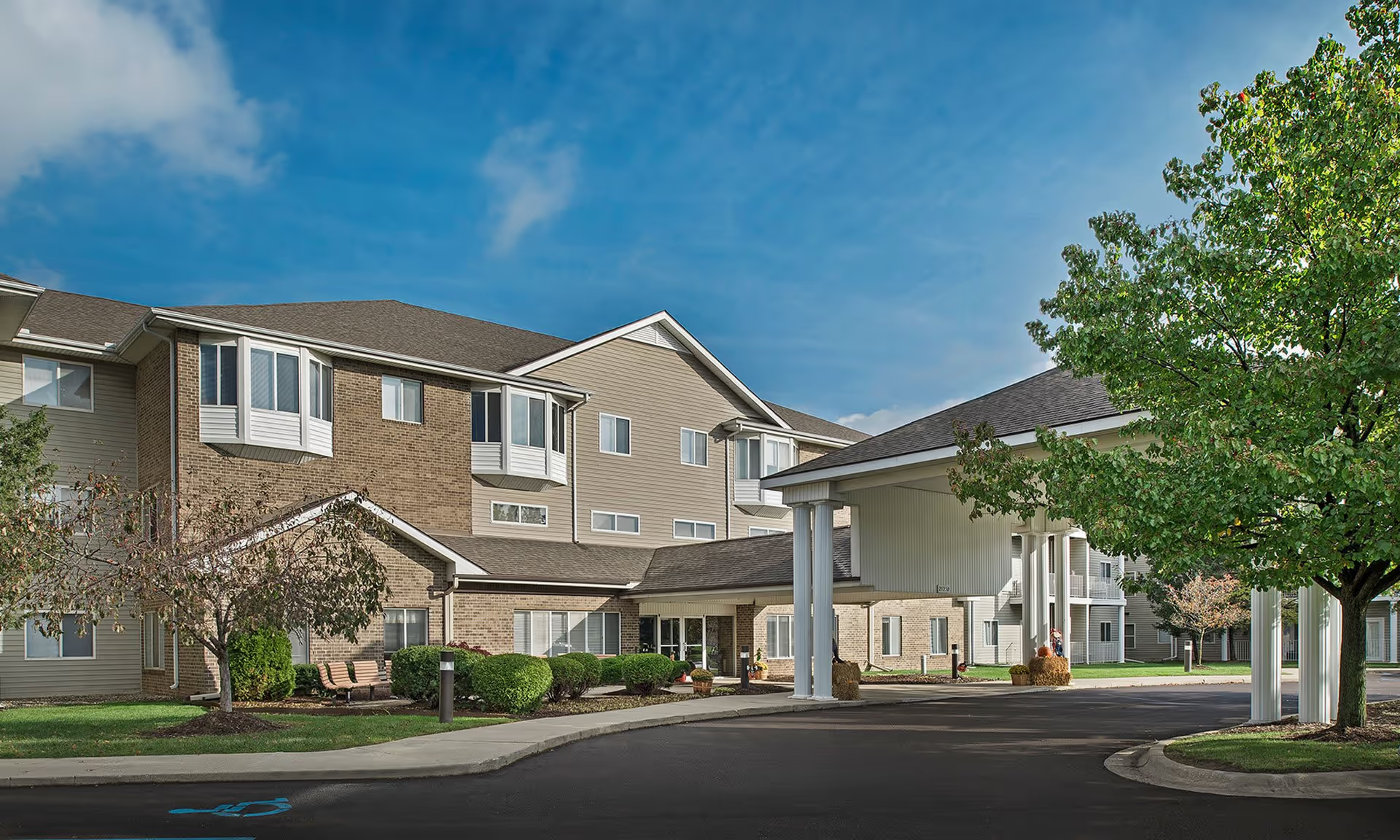
Sanitation and environmental maintenance emerge as mixed. Many reviewers note clean, well-maintained common areas, private rooms, and a pleasant outdoor courtyard; however, others describe odor concerns, trash or cleanliness lapses in specific patient areas, and inconsistent housekeeping attention in certain units. Equipment readiness and maintenance (for lifts, monitoring carts, and other devices) is also cited as an operational gap that can affect timely care.
Dining, activities, and rehabilitation are relative strengths: several families describe high-quality meals, robust activity calendars (music, karaoke, seasonal events), and a therapy gym with engaged PT/OT staff that produce measurable functional improvements. Salon and grooming services are consistently appreciated and contribute to resident wellbeing.
Communication and management responsiveness are inconsistent themes. Some reviewers single out effective, proactive leaders and unit managers who facilitate good outcomes and family reassurance; other reviews describe difficulty reaching leadership during off shifts, billing disputes, confusion at discharge, and insufficient family notification following clinical changes. There are also serious individual allegations — including missing personal property and claims of incentivized positive reviews — that families will want to explore directly with facility management and local oversight authorities.
Notable patterns: rehabilitation-focused areas tend to receive more uniformly positive feedback, while long-term and dementia units show greater variation in staffing, sanitation, and responsiveness. Given the mixed nature of reviews — strong endorsements of front-line staff and therapy care alongside repeated operational complaints — prospective residents and families should weigh the facility’s rehabilitation strengths and activity offerings against documented variability in clinical consistency, housekeeping, and communication. When evaluating Rivergate Terrace, it is advisable to ask targeted questions about staffing levels by shift, wound-care and medication-administration protocols, infection-control practices, equipment maintenance, and billing transparency, and to request recent quality and inspection records for additional context.