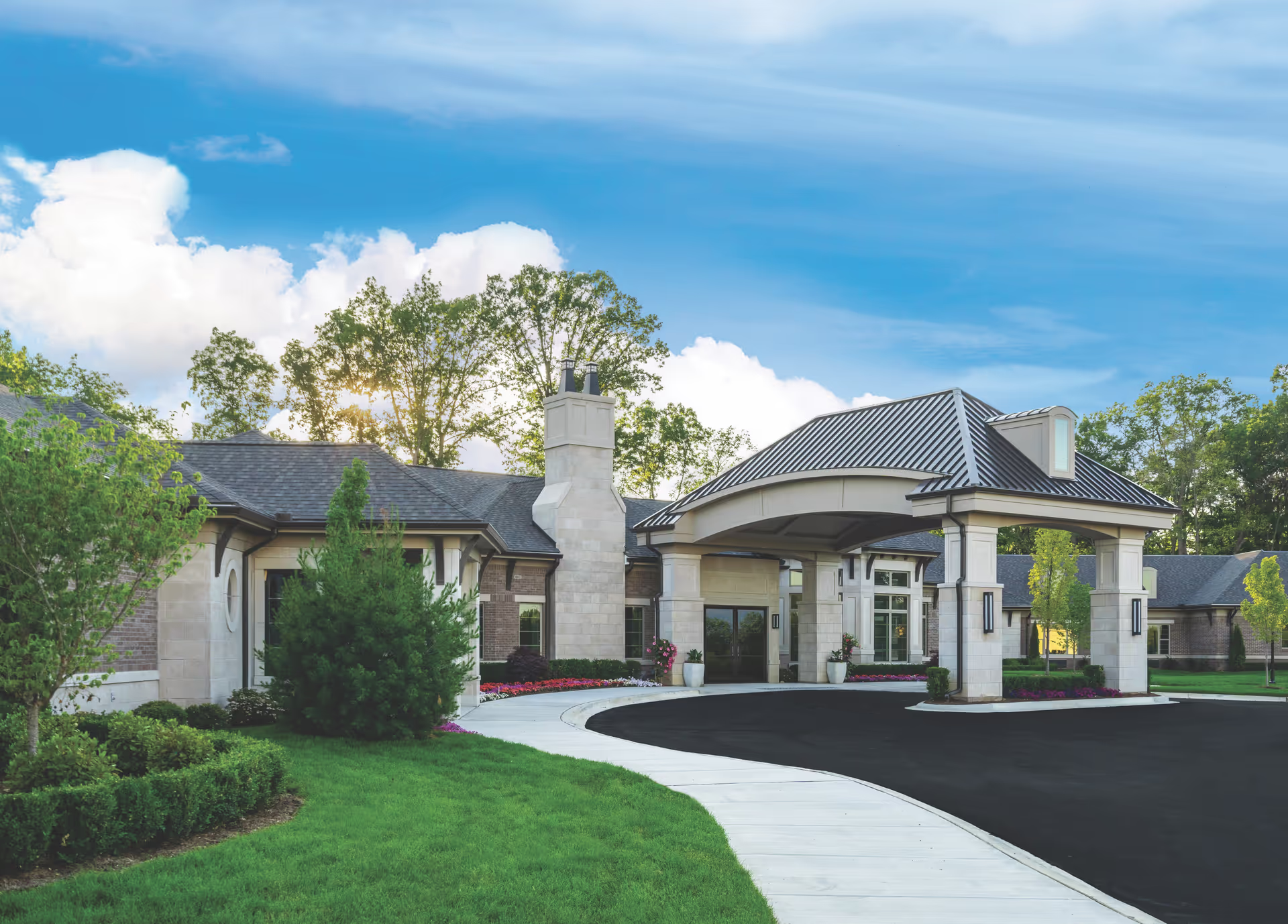
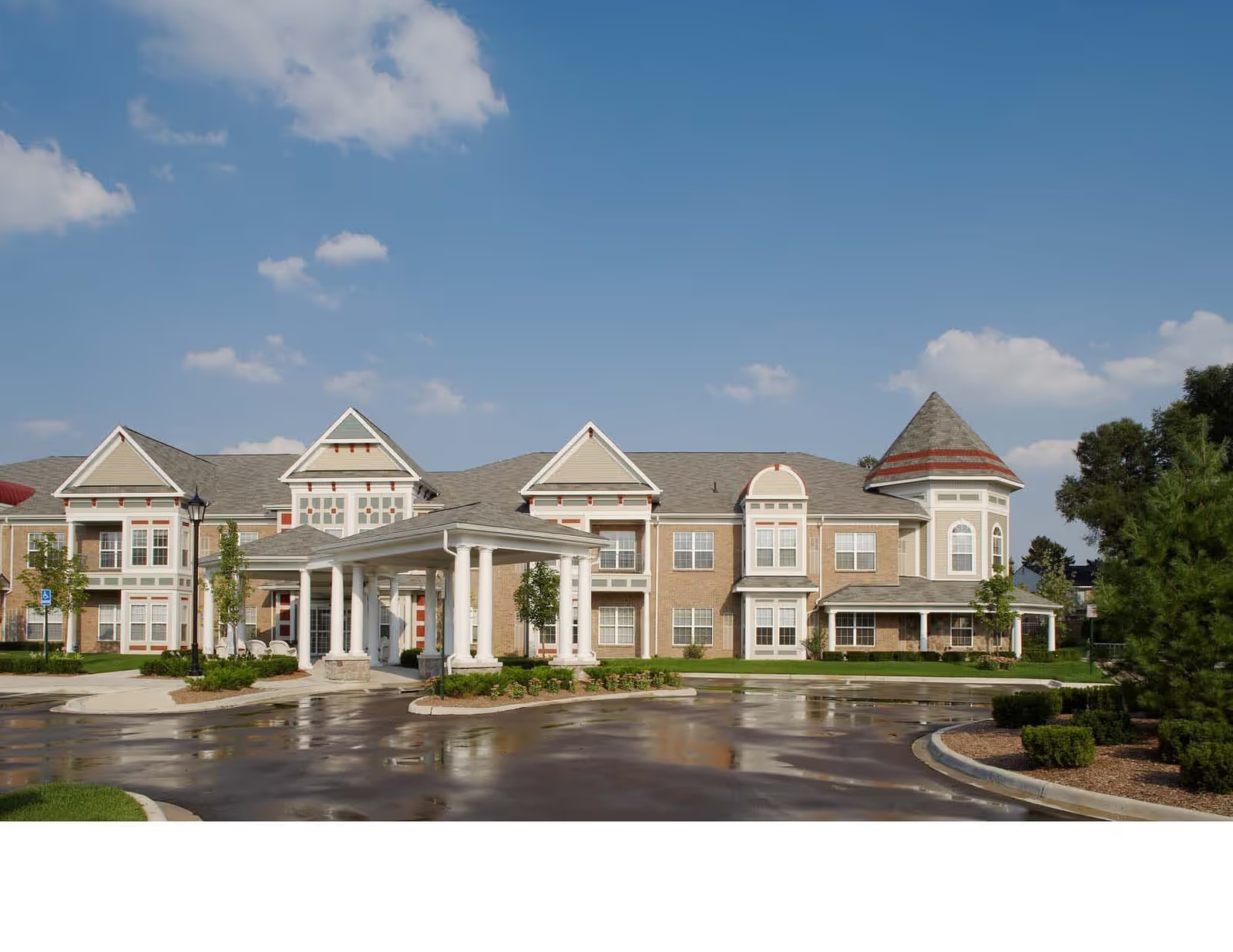
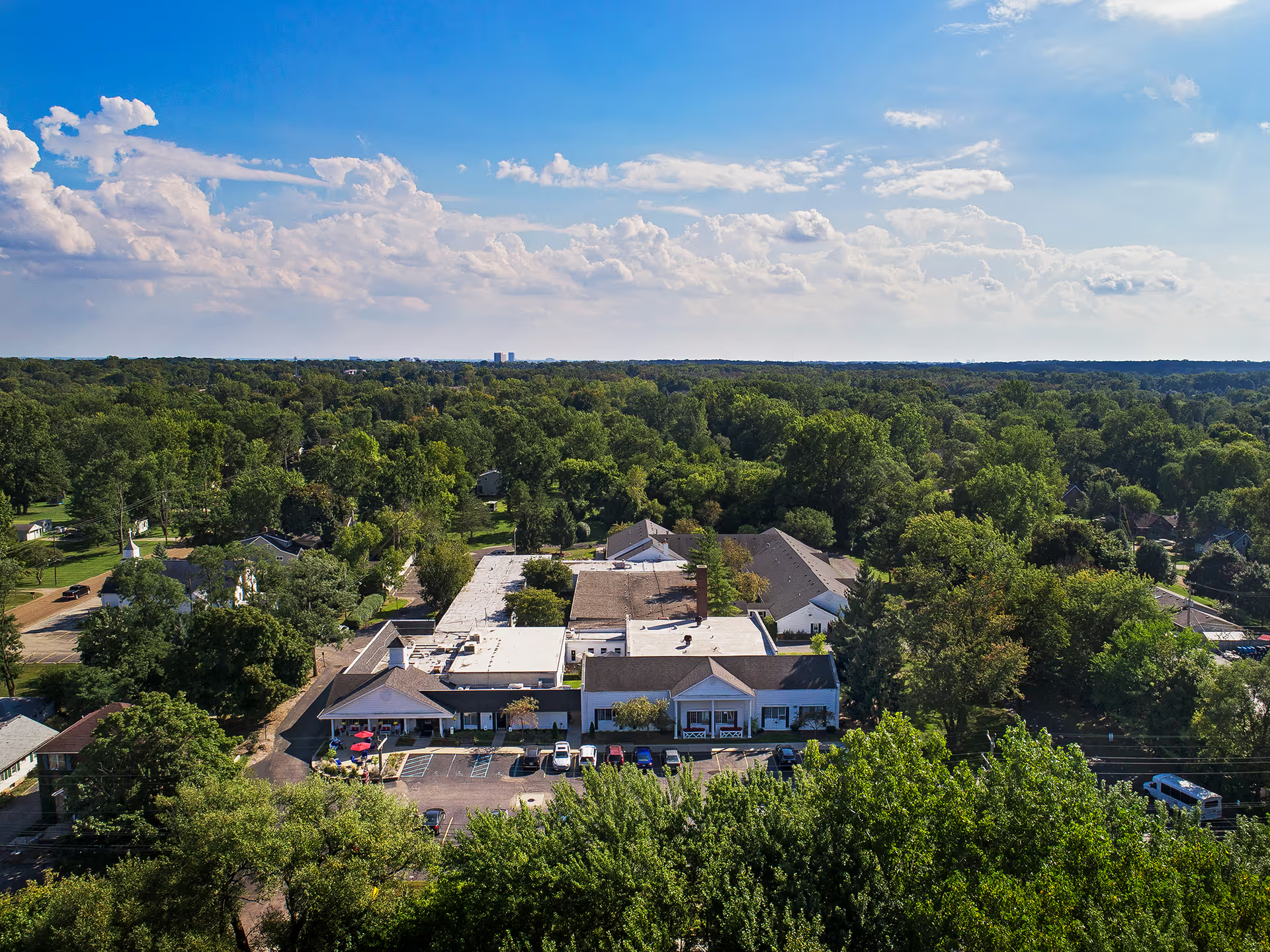
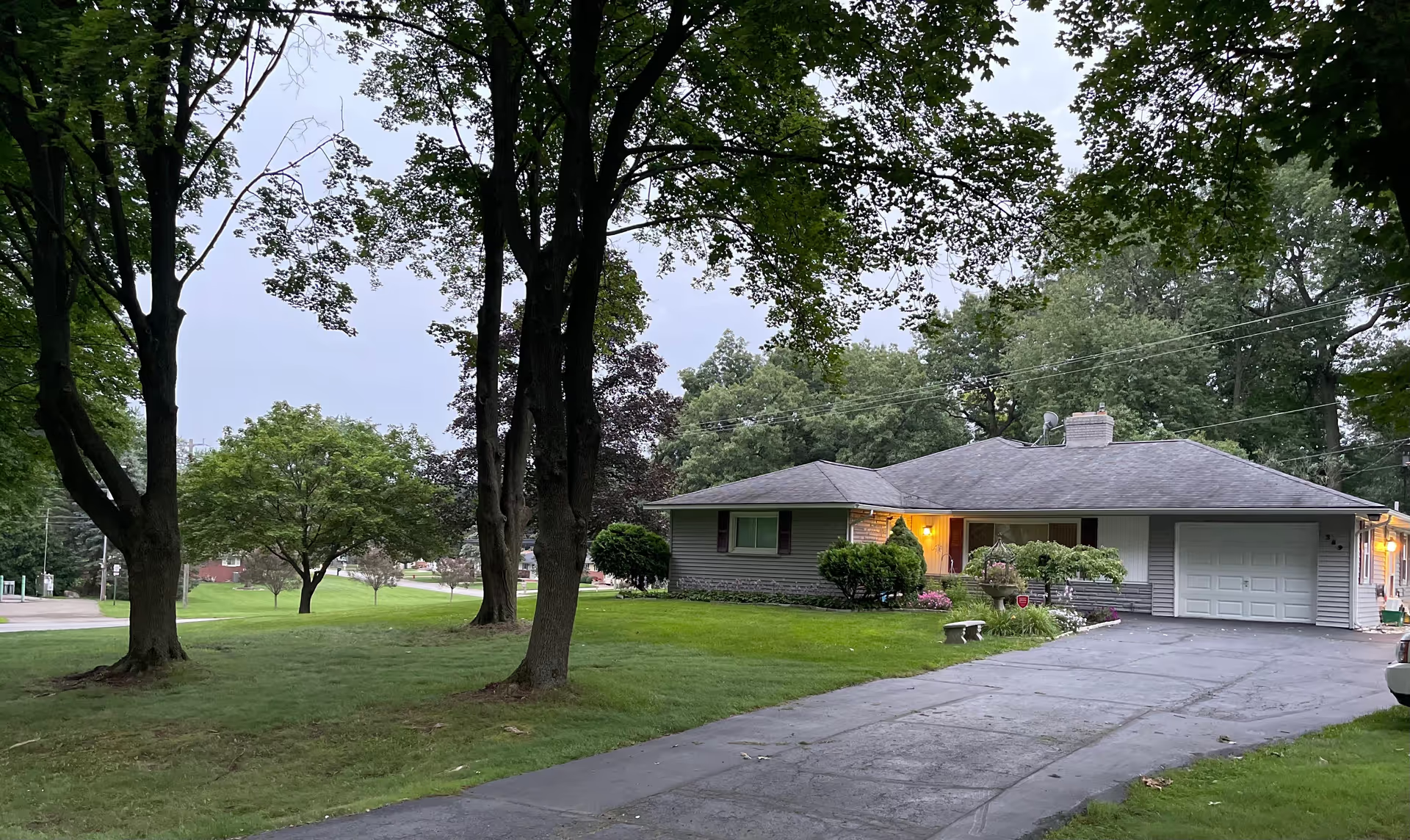
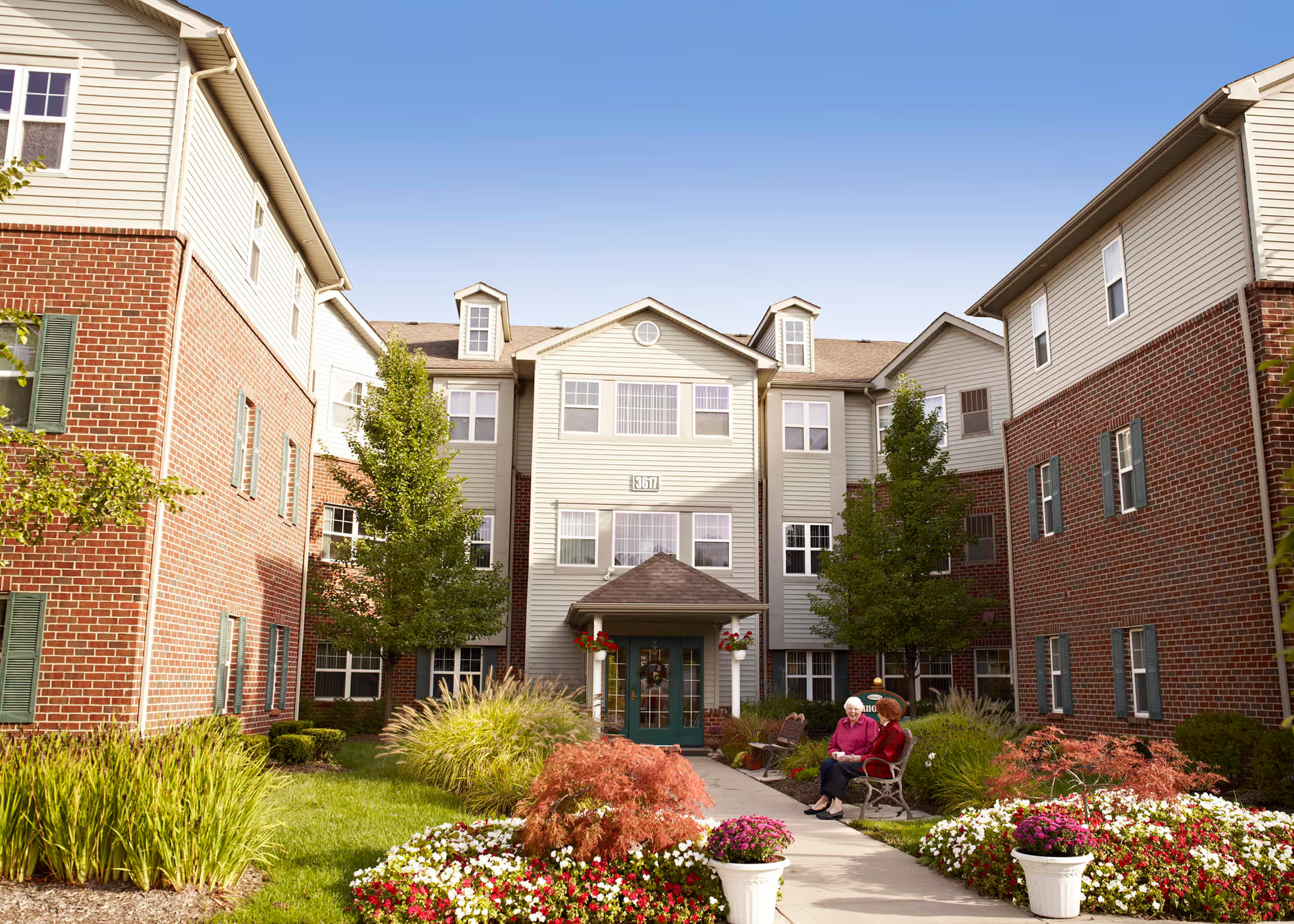
Waltonwood University presents as an active, community-oriented senior living option with many strengths in hospitality and lifestyle programming. Reviewers consistently praise the staff’s warmth, the welcoming culture, and the range of social and recreational offerings — live music, church services, bingo, holiday events and frequent activities are highlighted. Renovated apartments, multiple floorplan choices (including two-bedroom units), usable guest accommodations, a convenient location near stores, and a clear on-campus transition path to assisted living are recurring positives. Several families noted particularly effective tours and smooth move-in support.
Direct care and staff responsiveness are mixed but often favorable. Many accounts describe compassionate, engaged caregivers, prompt pendant/call-light response, and visible leadership that supports staff engagement. Waltonwood’s coordination with physical therapy and positive respite stays were also noted. However, there is a consistent pattern of variability when care needs increase: reviewers described operational gaps in medication administration and clinical oversight, limited hospice/end-of-life training, and an overall mismatch between the facility’s capabilities and residents requiring higher-acuity skilled nursing. These items suggest families with complex medical needs should verify clinical staffing, credentialing, and end-of-life protocols before choosing the community.
Dining and environmental services show pronounced variability. Positive reports include memorable holiday and event meals and gradual improvements to daily dining under new culinary staff; contrasting reports cite inconsistent meal preparation, issues with meal temperature and seasoning, and high food waste. Housekeeping and maintenance are generally effective when staffing is adequate, but there are recurrent comments about delayed maintenance follow-through, uneven housekeeping availability, and localized pest-control/maintenance concerns. Such operational inconsistencies appear linked in part to staffing fluctuations in housekeeping and dining departments.
Family communication and operational processes are another area to probe. While many families experienced informative, patient interactions with leadership, others encountered strained communication, defensive interactions, and conflict over room assignment or family access. There are notes suggesting lapses in placement/room-assignment processes and variability in how visiting family involvement is managed. Prospective residents and families should clarify policies on family engagement, room-assignment procedures, and escalation routes for concerns.
Overall, Waltonwood University is often described as a warm, activity-rich community with many staff who provide attentive, personable care and a strong social environment — particularly well suited for independent and ambulatory residents or those seeking active independent living with an on-site assisted-living option. The primary operational weaknesses to weigh are inconsistent staffing levels (which affect dining and housekeeping), variability in clinical and hospice capabilities, and uneven maintenance responsiveness. Before deciding, families should tour the campus, ask specific questions about current staffing ratios, medication-management protocols and credential verification, hospice and end-of-life training, recent kitchen staffing changes, maintenance response times, infection-control and vaccination policies, and the facility’s ability to meet higher-acuity care needs.