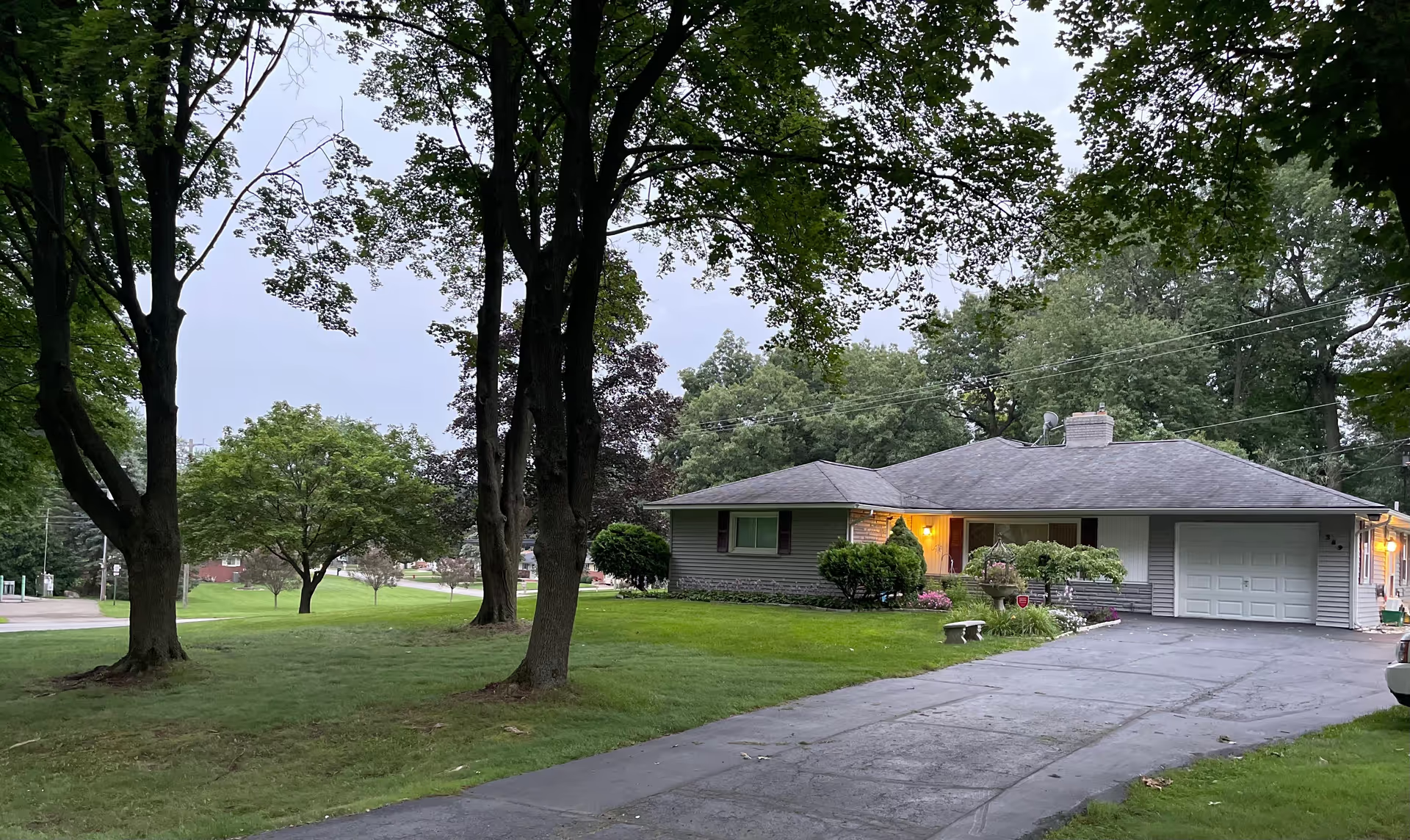
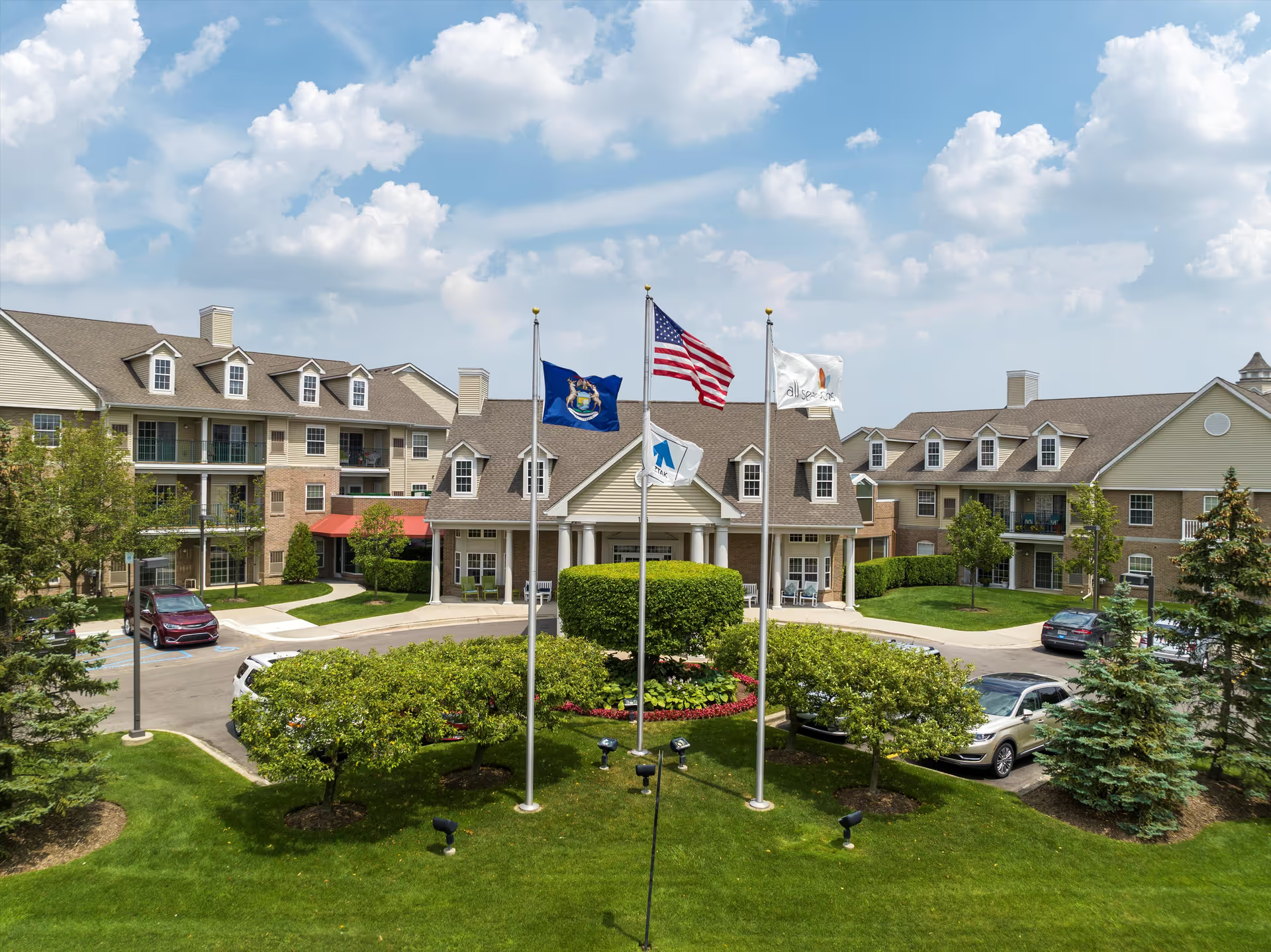
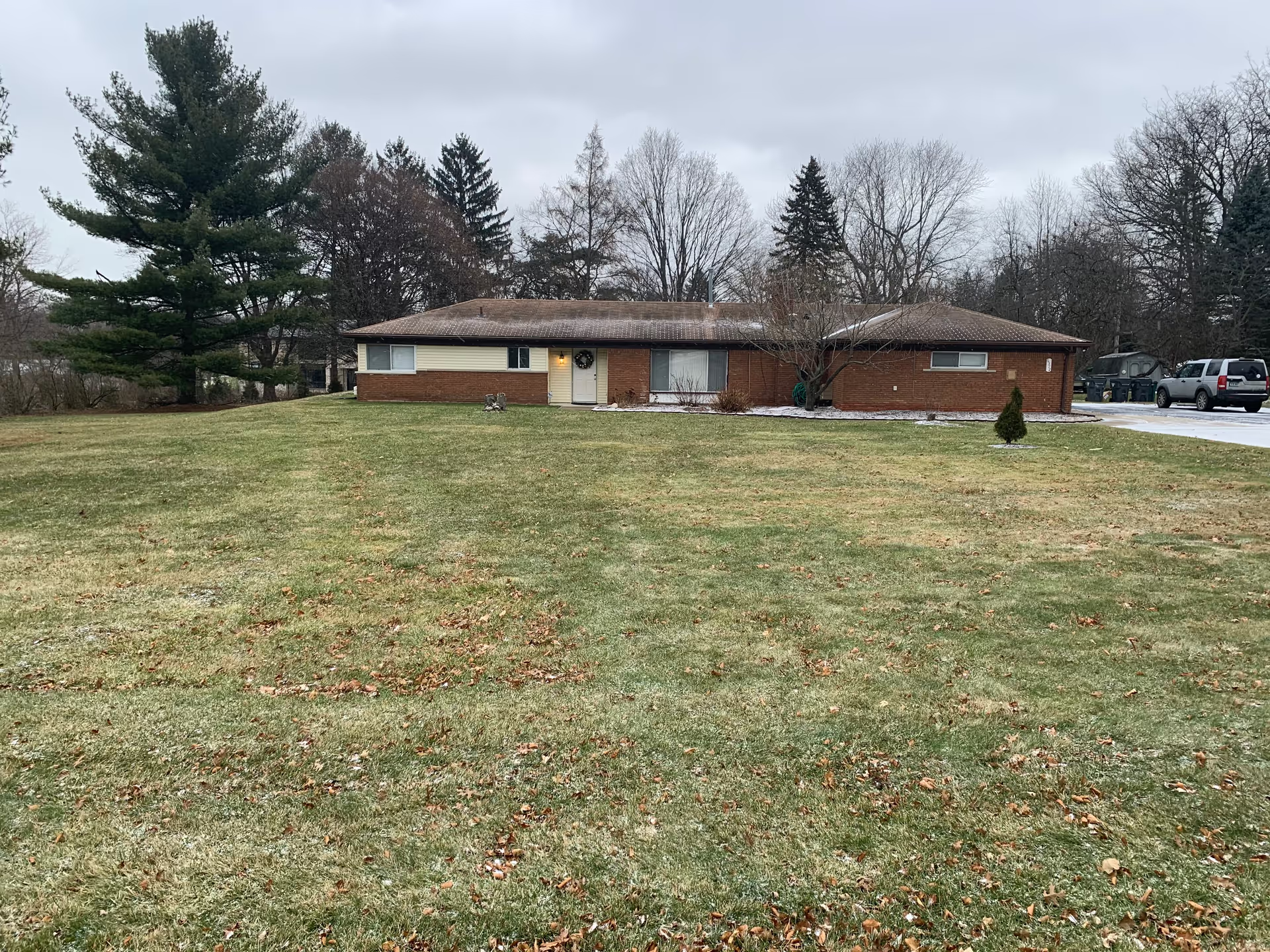
Heritage Hills Assisted Living Care is consistently described as a small, owner-operated residential setting that emphasizes individualized, family-style care. Reviewers highlight a high staff-to-resident attention model with round-the-clock coverage and personalized support for activities of daily living. Care quality is portrayed as compassionate and hands-on, with multiple comments indicating that residents receive one-on-one attention and that family members experience a sense of reassurance and peace of mind.
Staffing and management emerge as central strengths. The presence of on-site owners and named caregivers (frequently cited by name) reinforces a perception of continuity and involved leadership. Communication with families is described as prompt and professional. Several reviews note effective nursing support and the facility's ability to provide hospice and post-acute nursing care, suggesting competence managing higher-acuity needs within the scope of a small residential home.
Dining and daily life are another consistent positive. The facility provides three family-style meals daily, described as homemade and nutritious, with some reviewers specifically noting traditional or Romanian dishes. Communal meals and caregivers participating in activities are portrayed as contributing to a family-like atmosphere. Activity programming appears focused and personal; residents engage in daily activities, often on a covered back deck or in shared common areas, supporting social interaction in a calm, neighborhood setting.
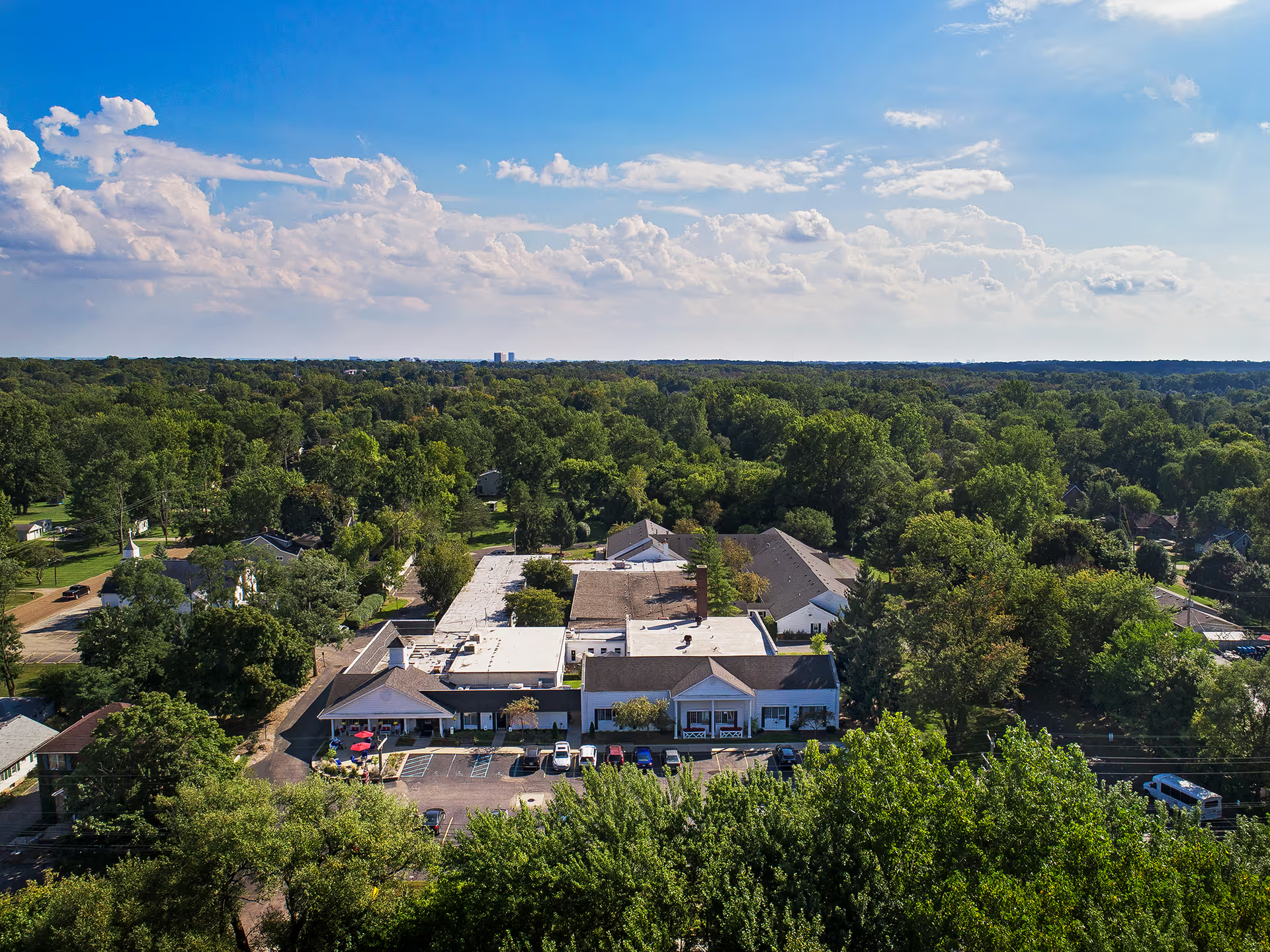
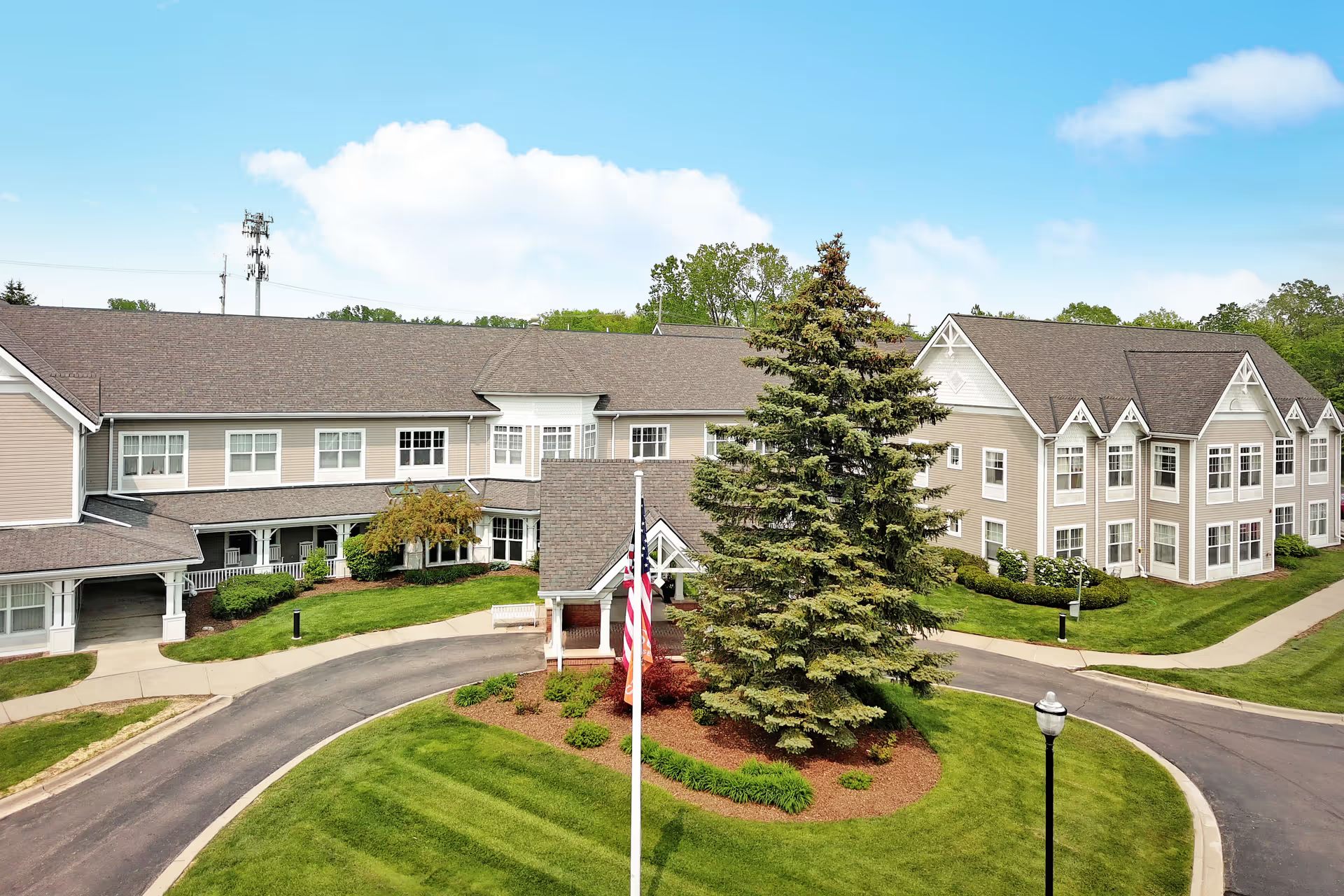
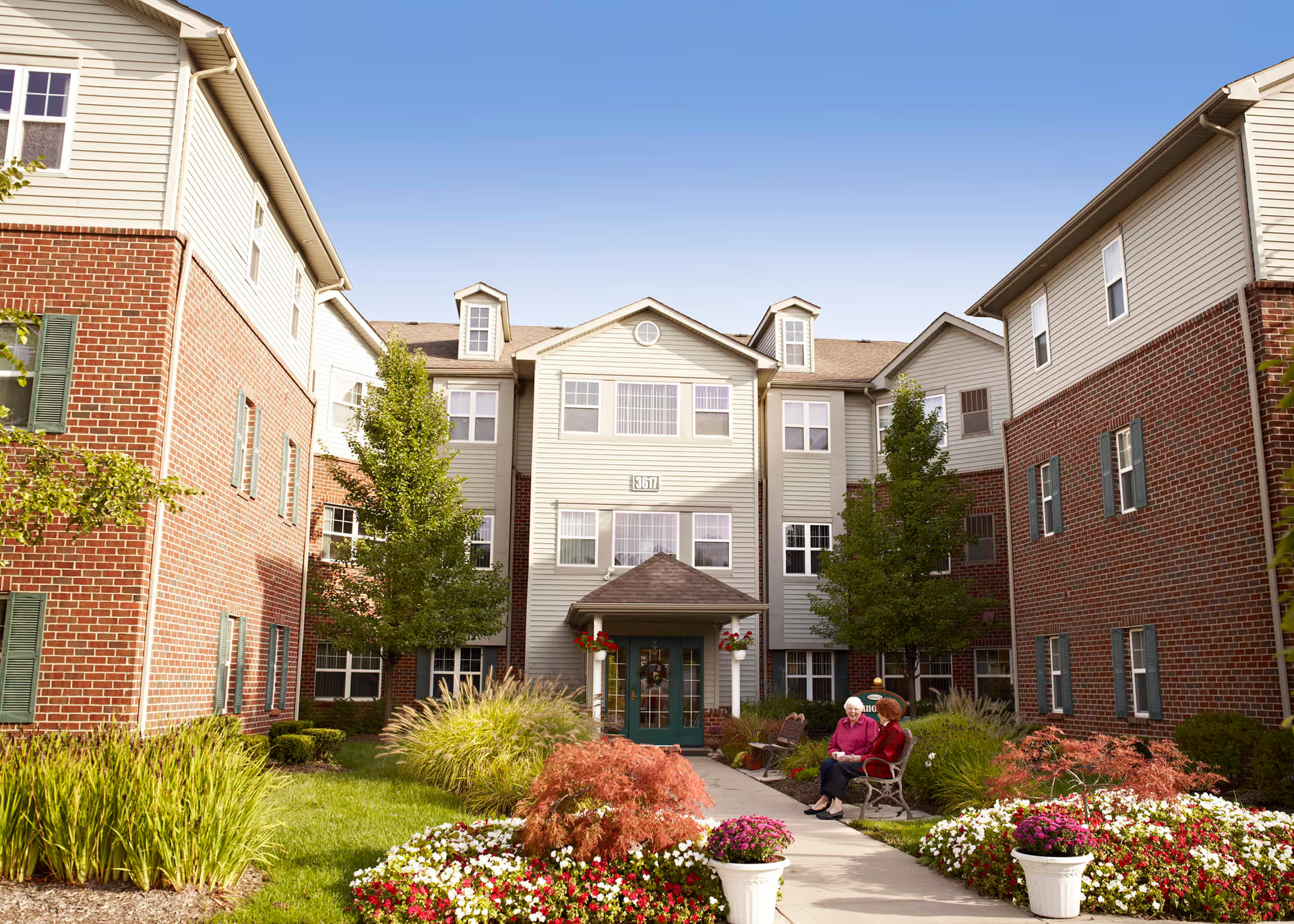
The physical plant is repeatedly described as clean, well-maintained, and accessible, with handicap-accessible bathrooms, attractive views, and pleasant outdoor space. The home-like environment, smaller household size, and neighborhood location are framed as contributors to a calm, comfortable experience for residents.
Notable patterns and potential limitations: the overwhelmingly positive commentary comes from a model that is intentionally small and owner-driven. That structure supports individualized attention but can also limit program scale and the range of on-site clinical or rehabilitation services when compared with larger assisted living or skilled-nursing providers. Activity space is described mainly in terms of a covered deck and common rooms, which may mean fewer venue types or program variety than a larger campus. In addition, the facility’s emphasis on homemade, culturally specific cuisine is a strength for many families but could require menu accommodations for others. Finally, the operational model appears to lean on the owners and long-term staff; prospective residents and families should consider continuity plans and backup staffing contingencies as part of their decision-making.
Overall, Heritage Hills presents as a small, attentive assisted living home that prioritizes individualized caregiving, clear family communication, and a home-like environment. It is likely to suit individuals and families seeking personalized attention, dementia-capable accommodations, and stable, resident-centered staff relationships; those needing an extensive range of on-site clinical therapies or a broader recreational program should evaluate whether the facility’s small-house model meets their longer-term needs.