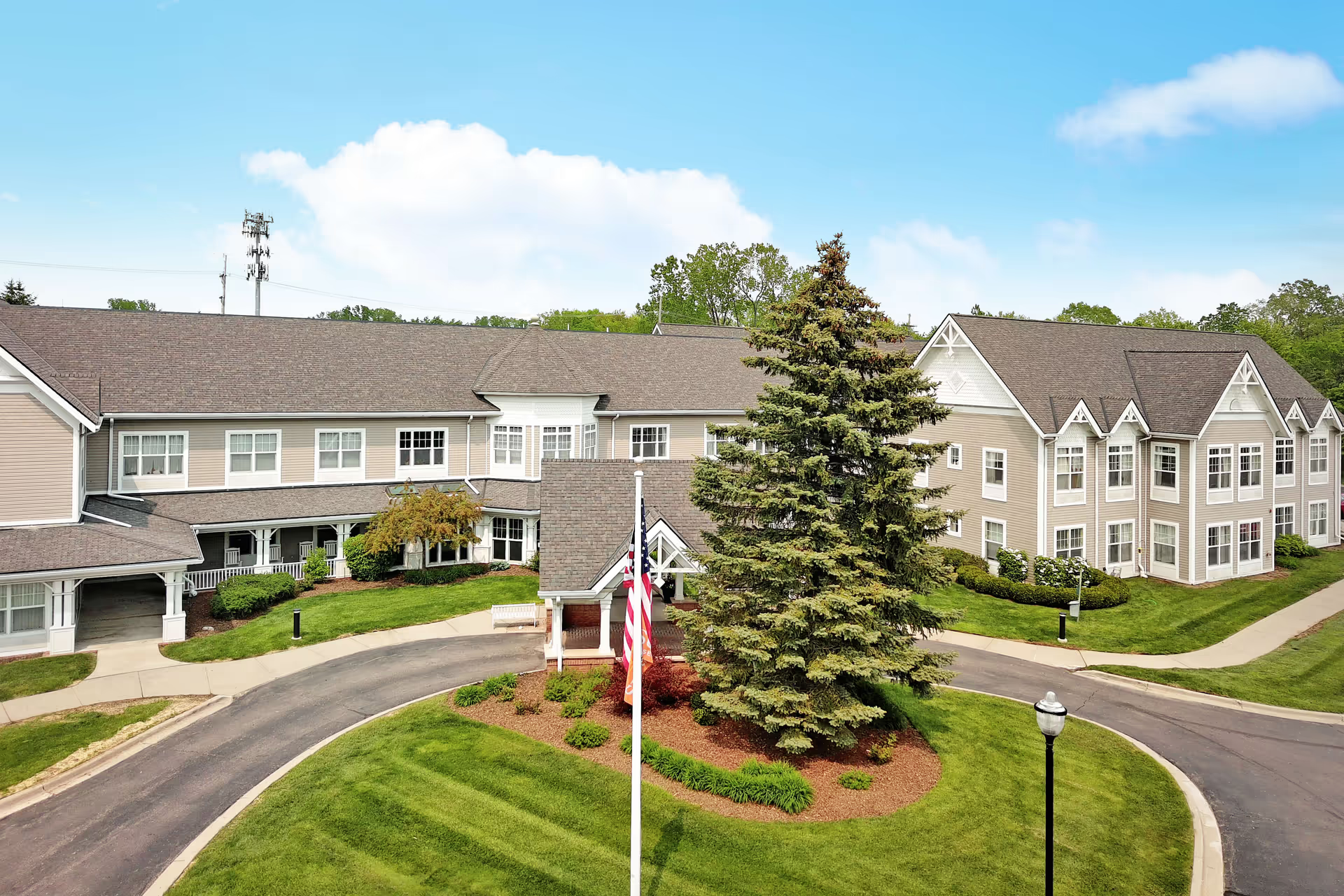
All Seasons Rochester Hills presents as a high‑amenity senior living community with many physical and programmatic strengths alongside growing operational concerns. The property is frequently described as elegant and hotel‑like: well‑maintained landscaping, formal dining spaces, multiple activity rooms (game rooms, theaters, craft and woodworking spaces), and a range of apartment sizes with balconies and recent unit upgrades. Housekeeping and overall cleanliness are consistently praised, and the community offers on‑site medical presence, shuttle transportation, and chef‑prepared dining with accommodations for special diets.
Care quality and staff performance receive mixed but detailed commentary. Numerous accounts praise attentive caregiving, accurate daily medication dispensing, helpful dining staff, and strong move‑in support that helps new residents form social connections. At the same time, there is a recurring pattern of staff turnover, declining morale, and uneven conduct and communication tone. Families and residents describe both staff members who go above and beyond and periods when responsiveness and interpersonal communication deteriorate; prospective residents should assess current staffing stability and observe staff–resident interactions during a visit.
Dining is a prominent area of divergence. Many reviewers highlight high‑quality, restaurant‑style meals, friendly servers, buffet options, and accommodations for dietary needs. Conversely, a substantial number of accounts describe inconsistent meal quality, smaller portions, and a perceived decline after leadership changes in the dining program. These contrasting impressions suggest that meal service may vary with management or kitchen staffing, so sampling multiple meals and asking about recent program changes is advisable.
Activities and social life are generally strengths: the community offers a broad mix of programming (bingo, concerts, exercise classes, arts and crafts, and special events) and residents frequently report an active, social atmosphere. However, reviewers also note variability in activity leadership and engagement; some express a desire for a more proactive or experienced activities director to increase variety and resident involvement.
Management and business practices are another area of concern. Several reviews reference leadership turnover, unfulfilled promises about program improvements, accelerating rent increases, and aggressive move‑in sales tactics or restrictive contract terms. These operational traits have contributed to perceptions of a widening gap between cost and delivered value. Transparency on fees, communication about program changes, and clarity on contract terms are practical items for families to request when evaluating the community.
Notable patterns: the facility combines high‑quality physical amenities and strong social programming with intermittent operational instability tied to management and staffing changes. The dual nature of the feedback—strong praise for the built environment and some staff members versus repeated concerns about dining consistency, leadership turnover, and communication—suggests the resident experience can vary over time and by unit. Recommendations for prospective residents and families include touring the dining room at different service times, meeting current activity and dining leadership, asking for recent staffing turnover rates, and reviewing contract terms and fee‑increase policies before committing.