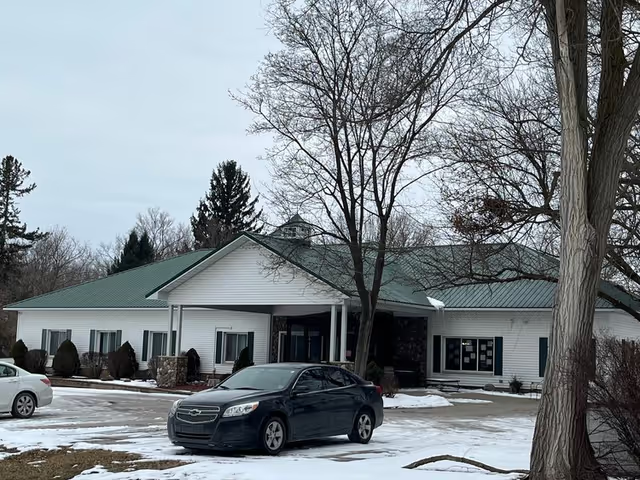
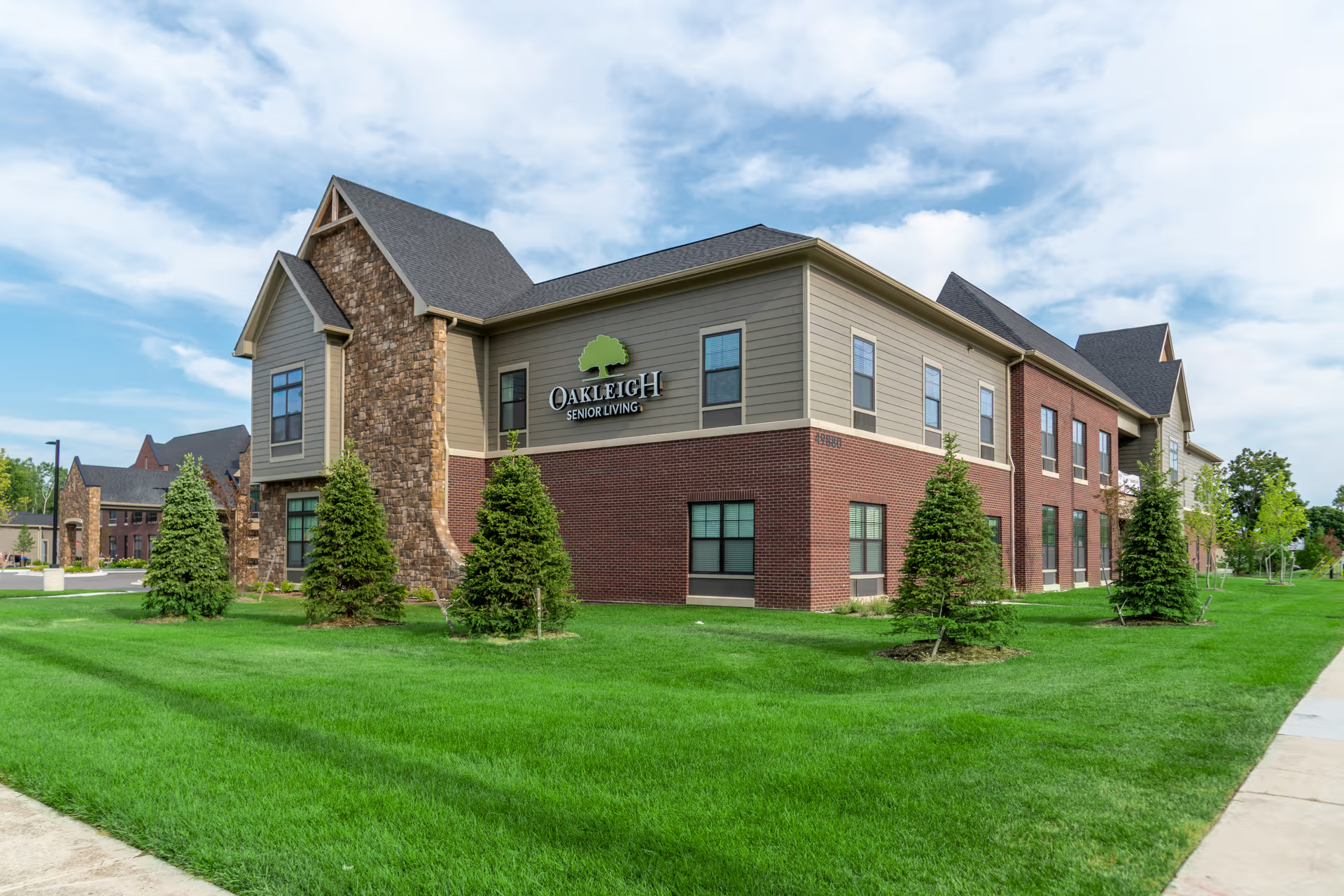
Orchard Grove Senior Living presents as a newer, well-finished campus with many facility-level strengths alongside recurring operational concerns. The physical plant, housekeeping, and common spaces are consistently described as clean, bright, and well maintained. Many reviewers praised the spacious single-occupancy rooms (often with private baths, large windows, and kitchenettes), the resort-style finishes, and pet-friendly amenities. On-site therapy and a dual rehab-to-long-term care model are available, which several families found convenient for continuity of services.
Dining and activities are frequent highlights. The community offers plated dining with a varied menu, chef involvement, and occasional family brunches. An active activities program — anchored by a highly regarded activities director — provides regular social options including live music, happy hours, themed events, crafts, and outings. These aspects contribute to a welcoming, family-oriented atmosphere for many residents and visitors.
Care quality and staffing present a mixed picture. Multiple reviewers identify deeply compassionate and skilled individual caregivers and therapists who provide attentive, personalized care; specific staff were singled out for exemplary service. At the same time, there are consistent operational concerns: staffing levels are described as inconsistent, and turnover contributes to variable continuity of care. Several reviewers described intermittent nursing coverage and gaps in clinical oversight, which families linked to delays in communication about changes in condition and uneven medication monitoring. There are also documented safety-related patterns (including falls and injuries) that suggest opportunities to strengthen fall-prevention and transfer-safety protocols.
Memory-care services and staff training are another area of divergence. While a memory-care option is available, reviews indicate inconsistent staff training and supervision in that unit, with family concerns about professional boundaries and behavioral-management responses. Prospective families considering memory care should ask specifically about staff training, supervision, and staffing ratios for that unit.
Management, communication, and billing surfaced frequently as operational friction points. Families described inconsistent communication at admission, occasional misinformation during intake, delayed follow-up on concerns, and administrative issues such as mail handling and unclear emergency contacts. Financial concerns included perceived arbitrary fee increases and pressure to hire private-duty aides, suggesting a need for clearer fee practices and written contract explanations.
In summary, Orchard Grove offers strong physical amenities, an engaging activities program, and several compassionate staff members and clinical therapists that many families value. However, persistent operational issues — chiefly inconsistent staffing, gaps in clinical supervision, variable memory-care training, communication shortfalls, and financial-transparency questions — warrant careful inquiry during a tour. Prospective residents and families should request current staffing ratios, nursing coverage schedules, fall-prevention protocols, medication-management policies, memory-care training documentation, and explicit fee/contract terms before making a placement decision.