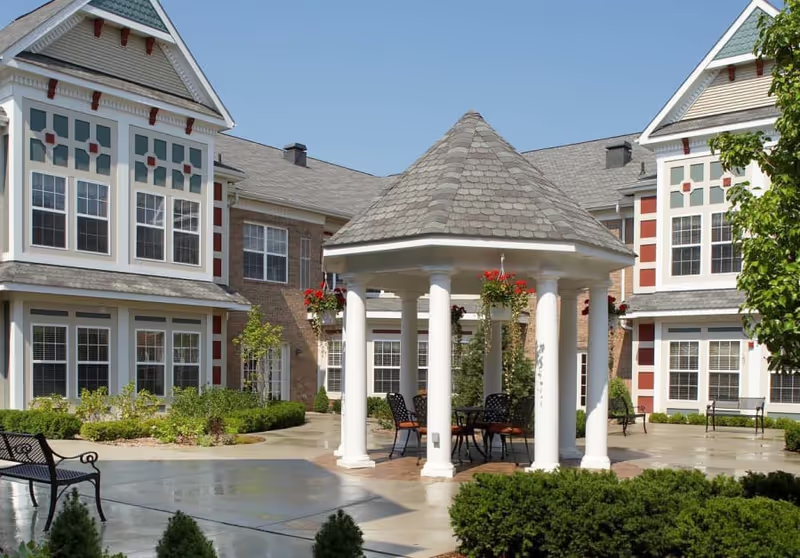
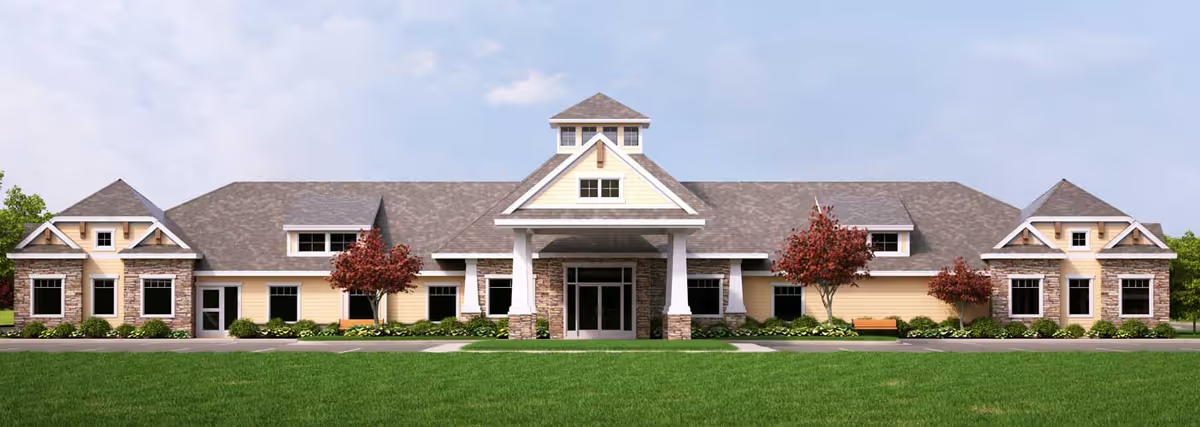
Cedarbrook of Rochester is described by families as a high-end, hotel-like senior living community with strong hospitality features and a robust activity program. Many reviewers praise the facility’s aesthetic — clean, attractive public spaces, well-maintained grounds, and an array of on-site amenities (diner, theater, pub, pool, gym and a wellness center with on-site physical therapy). Apartments are frequently described as spacious and well-furnished, and move-in coordination and concierge support receive positive mention, contributing to an overall welcoming, community-oriented atmosphere.
Dining and activities are consistent strengths in the feedback. Multiple accounts highlight restaurant-quality meals, specialty offerings (baked goods, multi-course meals, Kona coffee), and an enthusiastic activities program led by a named director; residents and families report frequent, engaging social opportunities and a strong sense of resident involvement. On-site therapy and wellness services, plus prompt maintenance for routine issues, are cited as operational benefits that support resident independence and quality of life.
Care and staffing present a mixed picture. Many reviewers describe individual caregivers, nursing staff, and front-desk personnel as attentive and compassionate, and note successful transitions between independent living, assisted living, and memory care. However, a recurring operational concern centers on staffing levels and workload: reviewers describe periods when staff appear overextended, which correlates with reports of delayed responses, variable professionalism, and inconsistent completion of routine care tasks. These workforce stresses are tied to broader concerns about leadership and workplace culture, including references to turnover and management friction, which some families feel affect day-to-day reliability.
Clinical operations and safety-related practices are an area of notable variance in the reviews. Specific concerns include inconsistencies in medication handling and storage, sanitation and housekeeping variability in certain areas, and reports of delayed maintenance on apartment safety features (locks and doors). Families also mention gaps in communication around clinical incidents and end-of-life coordination, and occasional privacy/HIPAA concerns. Taken together, these items indicate that while direct care can be exemplary at times, there are operational weaknesses that could affect clinical reliability and perceived value — particularly for residents with higher care needs.
Taken as a whole, Cedarbrook of Rochester appears to offer a high-quality, hospitality-focused living environment with strong dining, amenities, and social programming. Prospective residents and families should weigh those strengths against recurring operational concerns: ask specific questions about staffing ratios, medication-administration protocols, sanitation and housekeeping schedules, maintenance response time for safety-critical items, and the facility’s approach to family communication and privacy. Those who prioritize luxury amenities and an active social environment may find the community well suited to their needs; families seeking consistently robust clinical oversight will want to confirm how the facility is addressing the staffing, leadership, and medication-management issues raised in several reviews.