American House East II elicits a mixed but clear pattern: reviewers frequently praise the community’s social life, supportive staff, and many on-site conveniences, while also raising operational and infrastructure concerns that prospective families should evaluate closely.
Care and staff: The dominant positive theme is the quality of frontline caregivers and leadership. Many families describe staff as compassionate, attentive, and approachable; specific staff members and the executive team receive repeated commendations for responsiveness and emotional support during transitions and crises. At the same time, reviewers point to variability in clinical and in-house care quality. Themes include high employee turnover, inconsistent night-shift performance, the use of subcontracted aides with variable oversight, and occasional delays in clinical response. There are also cited gaps in infection-control practices and some serious individual allegations (including financial misconduct and safety lapses). These indicate a mix of strong individual caregivers and organizational reliability issues that merit direct questions about staffing ratios, supervision, and incident protocols during any tour.
Dining: Dining is a strong selling point for many residents. The community offers restaurant-style dining, varied menus, and the ability to accommodate dietary needs; several residents appreciated weight gain and improved appetite. Conversely, a subset of families report inconsistent meal temperature, repetitive offerings, and occasional delivery/timing problems for to-go or in-room meals. Prospective residents should ask about meal-service continuity, menu rotation, and procedures for special-diet handling.
Activities and social life: Programming is a clear strength. Reviewers highlight a wide variety of activities—choir, outings (apple orchard trips), classes, exercises, musical entertainment, crafts, and themed events—that support social engagement and resident well-being. The atmosphere is frequently described as family-like and socially active. Noted limitations include activity fees for some events and smaller, older activity spaces (basement rooms) that may have ventilation or comfort issues; accessibility between apartments and activity/dining areas can also be a concern for residents with limited mobility.
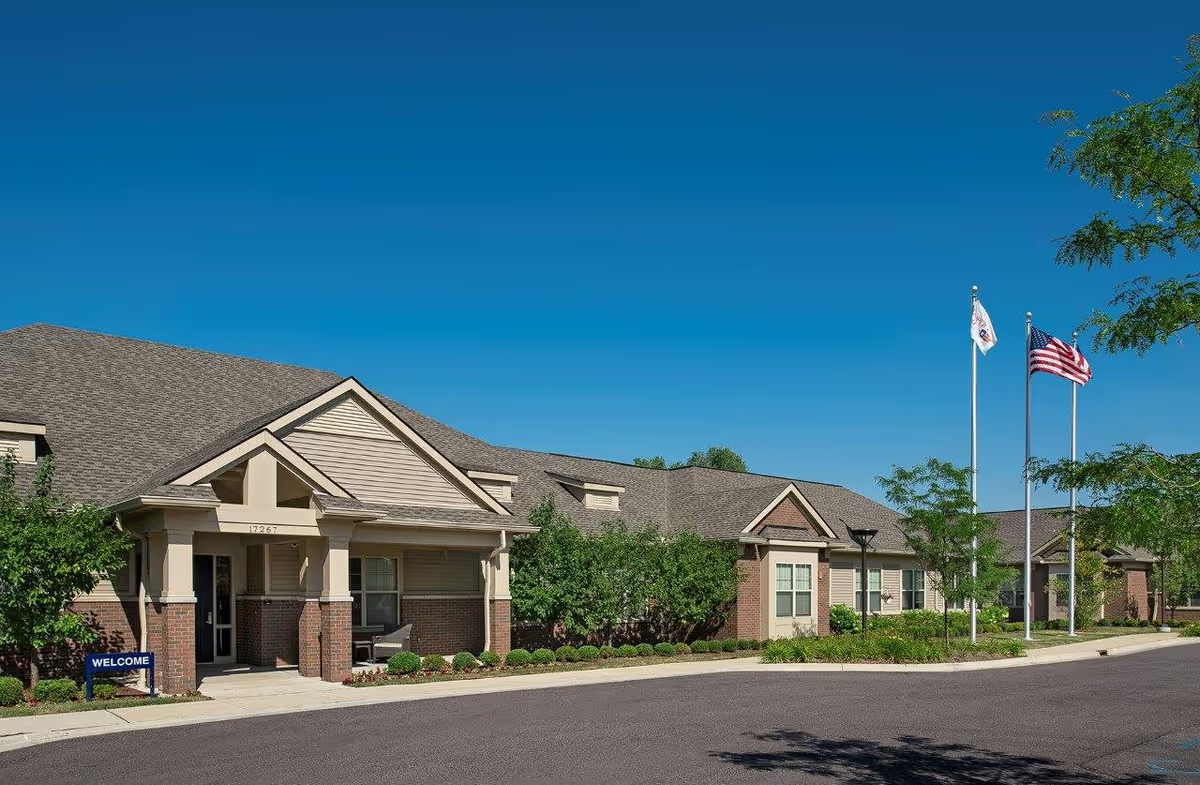
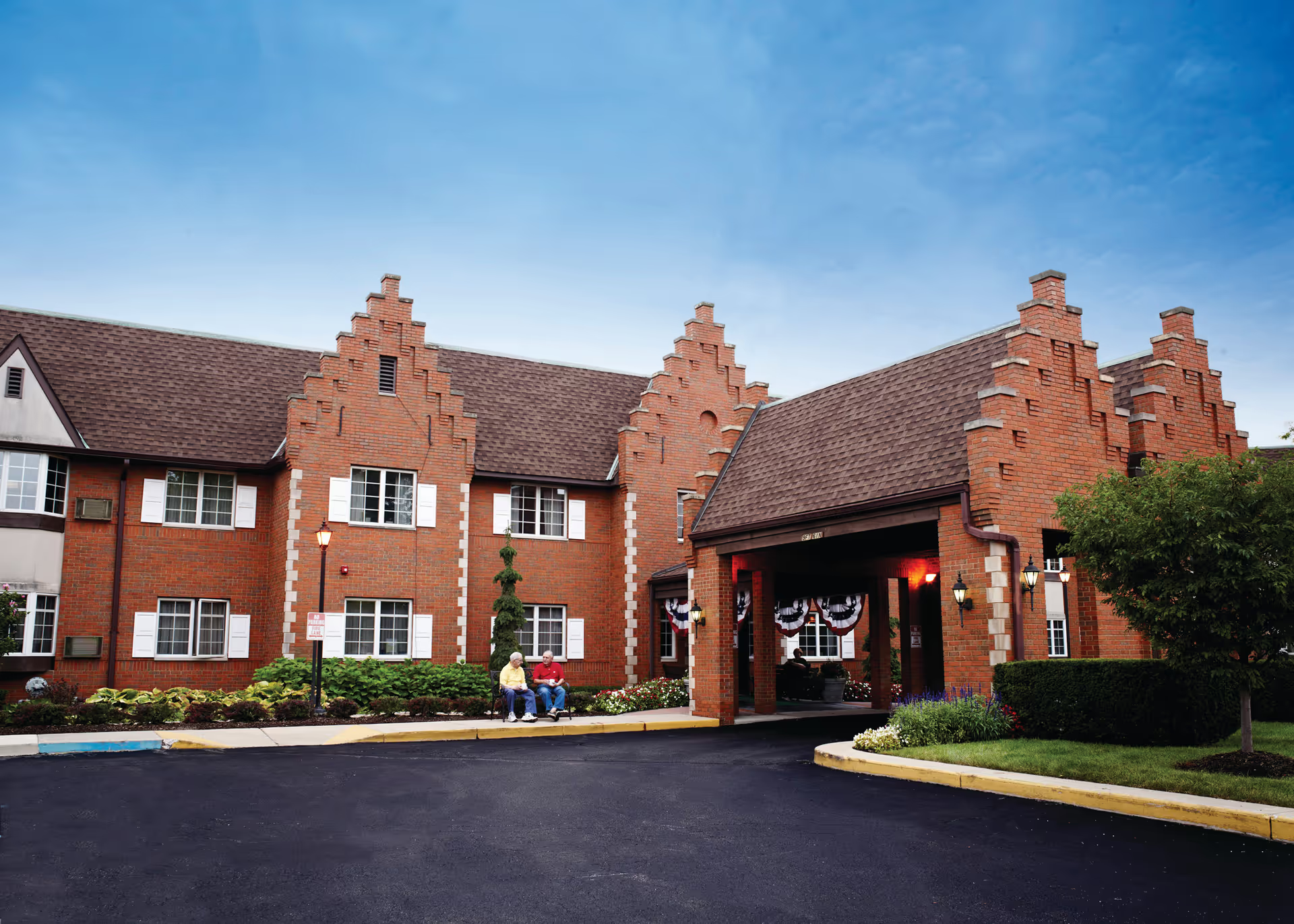
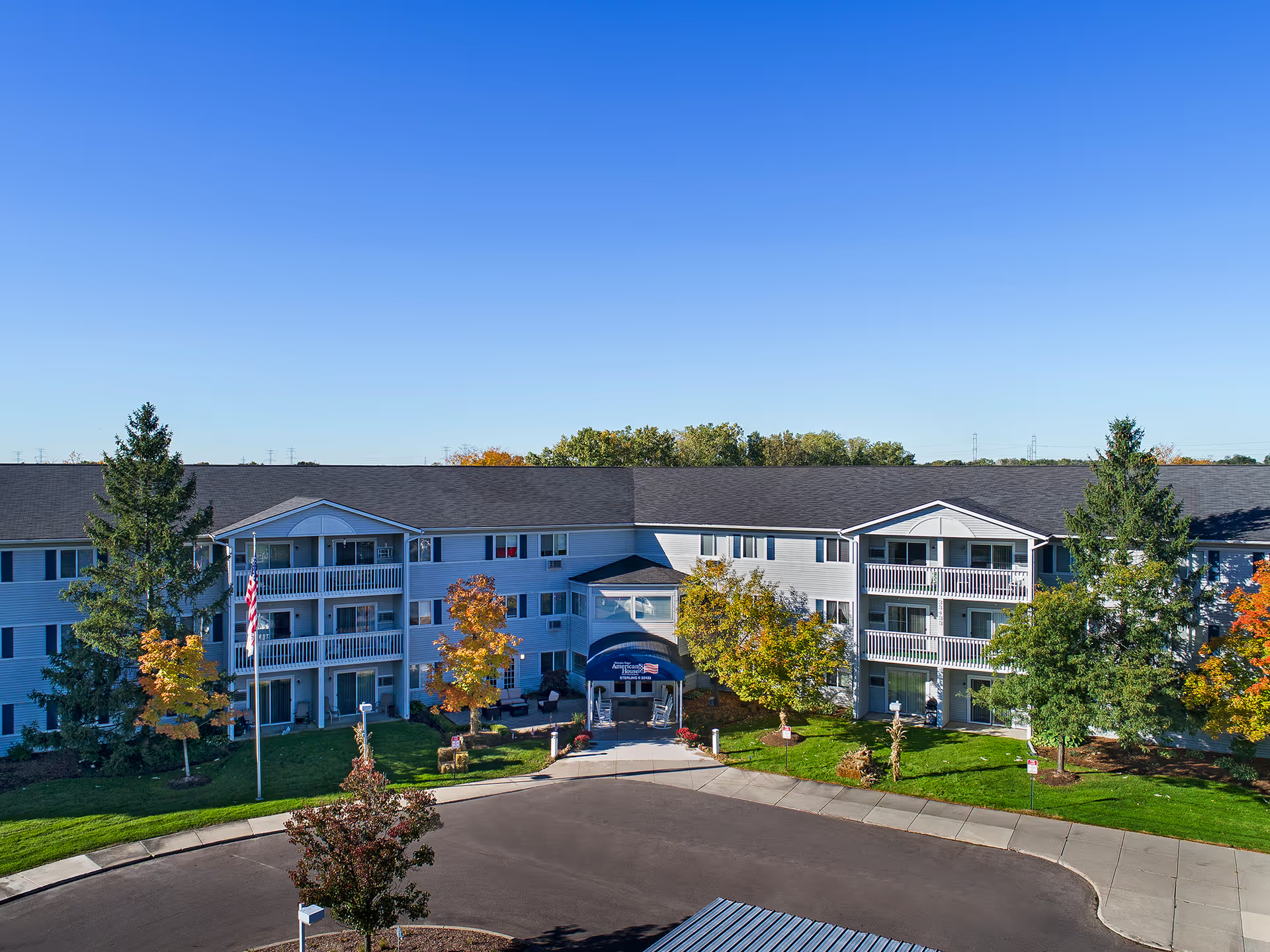
Facilities and maintenance: Many reviewers find the grounds and common areas clean and welcoming, with apartment options that include balconies, patios, or small kitchens. At the same time, the physical plant shows age in parts of the building—carpeting, odors, and areas needing renovation are mentioned. Maintenance responsiveness is praised in many instances, but other families report delays in repairs, housekeeping gaps, and issues such as refrigerator replacement or unfinished flooring. Prospective residents should inspect specific apartments for layout suitability, closet/den space, and proximity to dining and amenities.
Management, policies, and cost: Management receives mixed feedback. Several families commend an engaged, helpful leadership team and staff who ease move-ins and coordinate care; however, there are repeated concerns about administrative communication, unexpected price increases, utility billing, and billing clarity. Serious individual allegations around staff theft and safety lapses appear in the comments and should prompt due diligence (asking about background checks, financial safeguards, and complaint resolution processes). Cost transparency—what is included in rent, what is extra, and how activity fees are handled—is another recurring area to clarify.
Overall patterns and advice: The community offers a strong social environment, many on-site conveniences, and numerous residents who report satisfaction with staff and programming. Counterbalancing that are consistent operational issues: staffing variability, occasional maintenance and housekeeping delays, aging infrastructure in parts of the building, and administrative/billing inconsistencies. For prospective residents and families, recommended pre-move questions include staffing ratios and turnover statistics, infection-control and incident-response protocols, pest-control history, average maintenance turnaround times, meal-service practices for special diets, clarity on fees and utilities, and oversight of subcontracted caregivers. Visiting at different times (meal service and activity hours, evening and night) and speaking with current residents and families can help confirm whether the facility’s strengths align with an individual’s needs.