American House Sterling Meadows demonstrates several consistent strengths alongside operational weaknesses that prospective residents and families should weigh.
Staff and care environment: The most frequently cited strength is the caregiving staff and onsite leadership. Reviewers commonly describe staff as compassionate, attentive, and relationship-oriented; many families praised directors and supervisors who know residents by name and who create a family-like atmosphere. That said, there are recurring clinical concerns: reviewers describe variability in clinical staffing, examples of undertrained or unlicensed direct-care personnel, and specific concerns about medication handling and clinical oversight. In practice this creates a mixed picture — strong interpersonal support from many staff members, coupled with periodic gaps in clinical consistency and training that may be most relevant for residents with higher medical needs.
Dining and nutrition: Dining is a notable amenity. Numerous residents and guests praised the food, special meals, desserts, and dining-room experience. At the same time, others reported limited menu variety, inconsistent quality (including salty or less-favored options), and periodic shortages tied to kitchen staffing. Families should expect generally positive communal dining but may encounter variability in taste and selection on different days.
Activities and social life: Programming is a clear strength. The community offers a broad calendar — Bingo, exercise classes, puzzles, bus outings, holiday events, veterans meetings, birthday parties, car shows, and regular social gatherings — and reviewers emphasize an active, social environment that supports engagement and new friendships. Transportation for shopping and appointments is available and used for outings, which supports resident independence and community involvement.
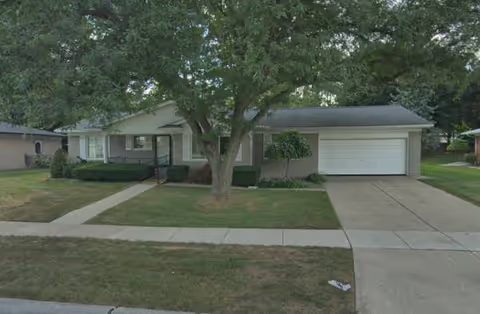
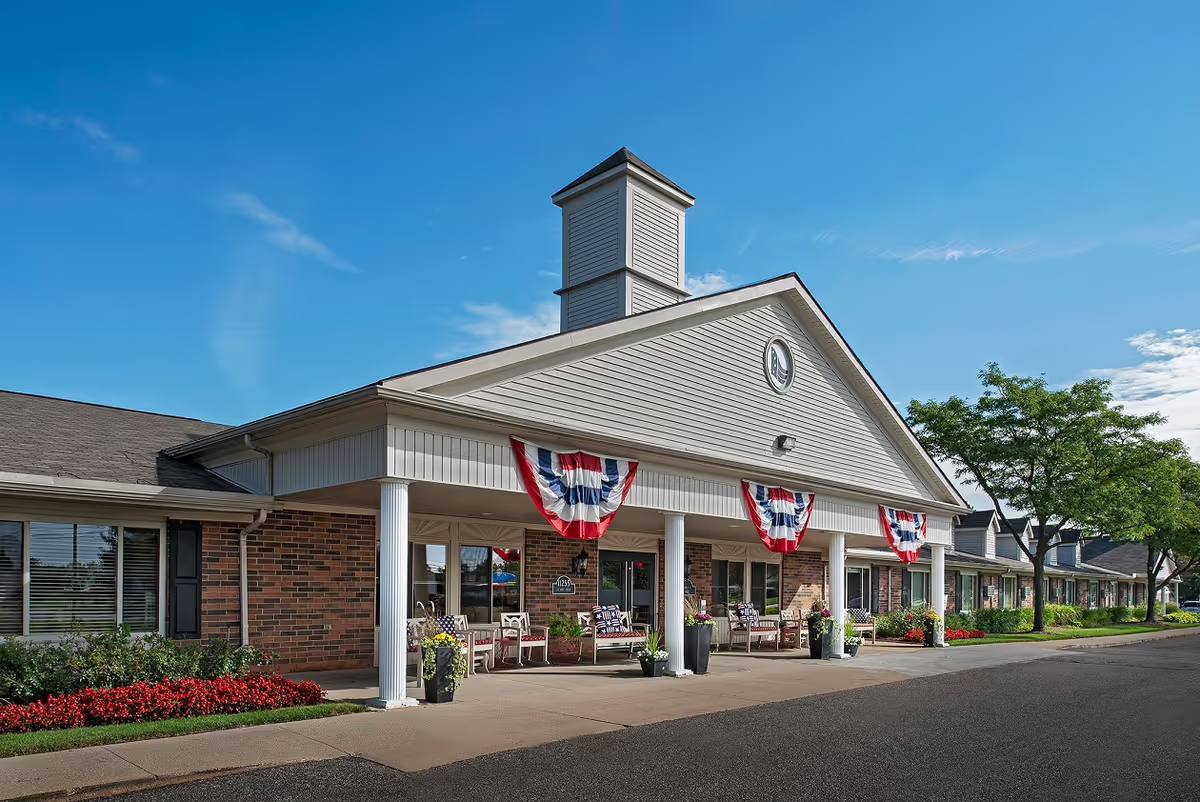
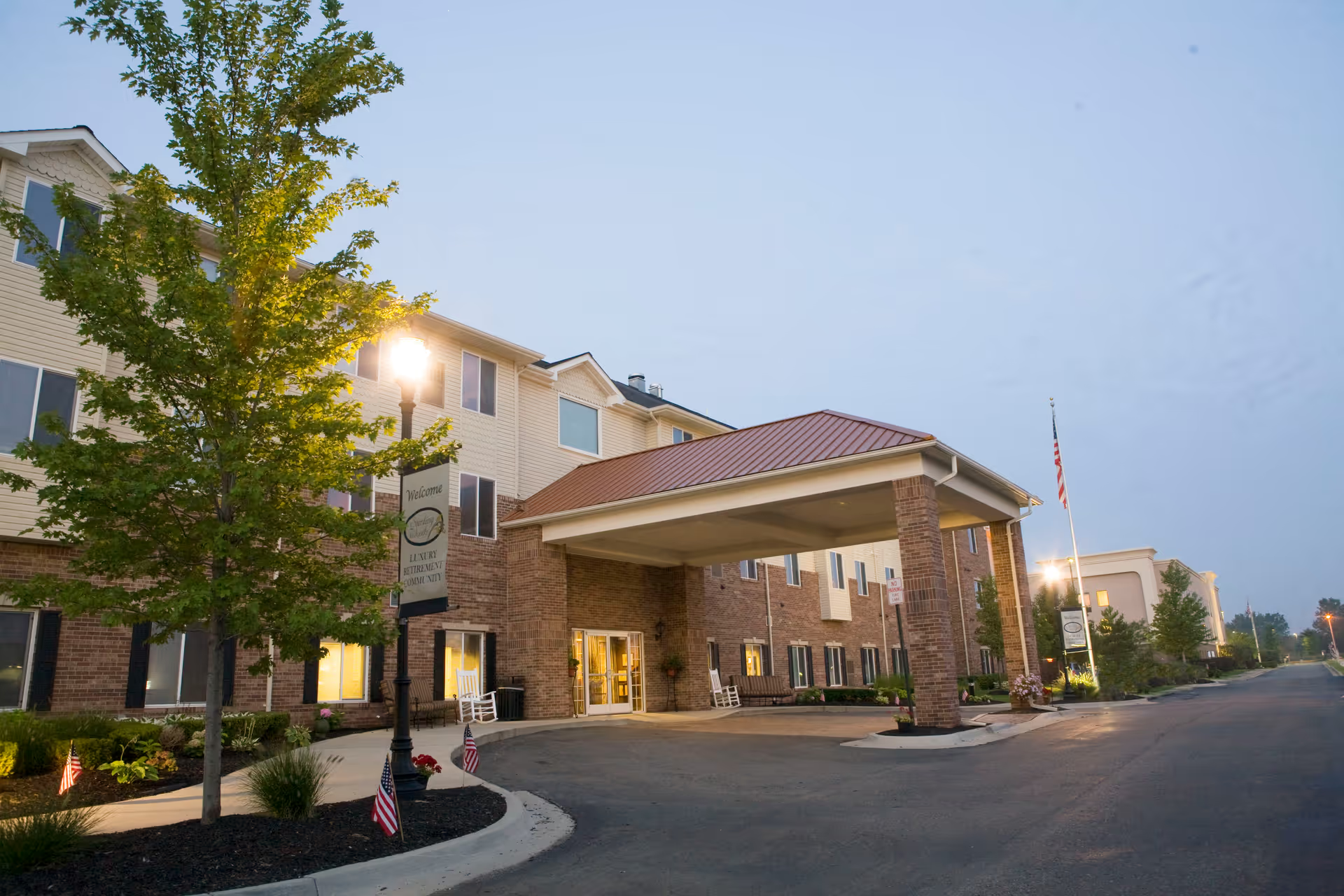
Facilities and apartments: The property is described as clean and well-kept, with pleasant common spaces, outdoor areas (courtyard, gazebo), and comfortable apartment sizes and layouts. However, the building shows age in places: some rooms and corridors were characterized as dated or in need of cosmetic refresh (carpet stains, older finishes), and there have been partial renovations. Elevator access and lack of reliable backup power were raised as safety and convenience concerns; families should assess mobility needs and emergency-preparedness features during a tour.
Management, operations, and administration: Onsite management and many front-line administrative staff receive strong praise for responsiveness, move-in assistance, and community coordination. Conversely, reviewers described inconsistent experiences with corporate-level responsiveness, billing, and accountability when issues involved contracted providers (therapy or medical teams). There are multiple mentions of billing or administrative communication problems alongside examples of prompt, helpful responses — indicating variable performance in administrative processes.
Notable patterns and considerations: The community tends to excel at social engagement, clean common areas, and resident-oriented culture maintained by engaged onsite leadership. Operational risks to note are variability in clinical staffing and training, medication-management weaknesses, reliance on outside contractors with blurred accountability, and infrastructure concerns (aging finishes, elevator/backup power limitations). These issues are particularly relevant for prospective residents who require frequent clinical support or 24-hour skilled nursing. Visitors seeking a socially active independent or assisted setting with strong daily programming and a communal atmosphere may find Sterling Meadows appealing; families needing robust, consistently supervised clinical care should confirm clinical staffing models, medication protocols, night staffing levels, and emergency power/elevator arrangements before committing.