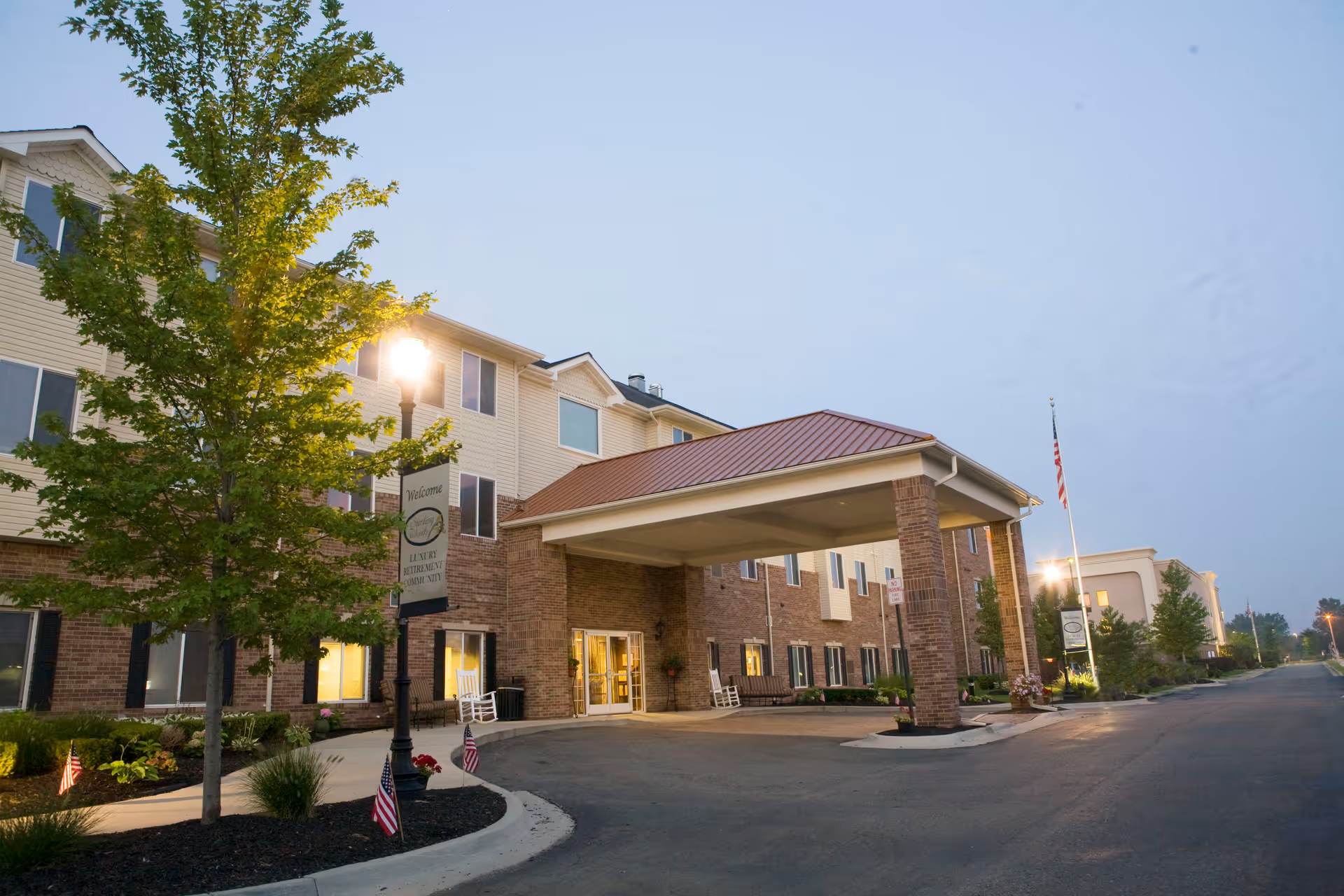
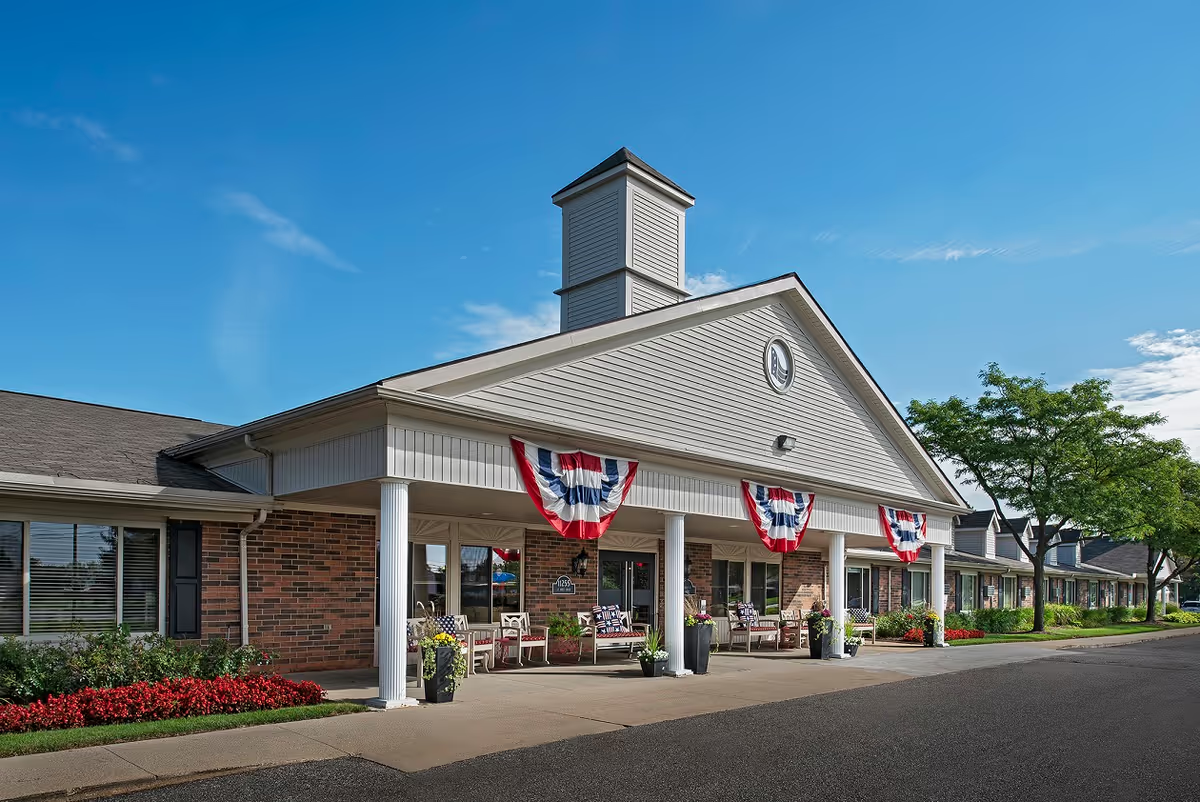
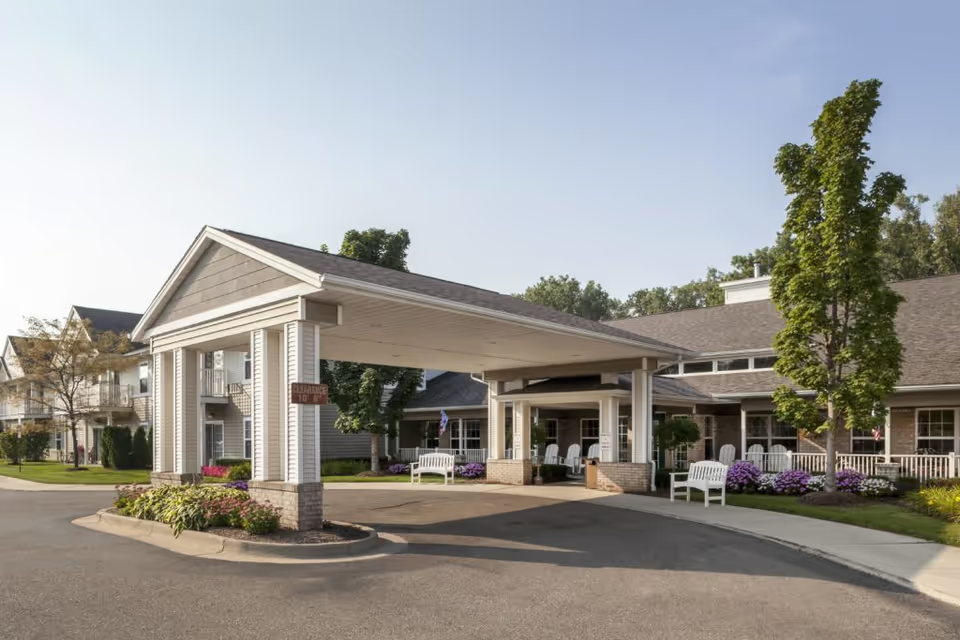
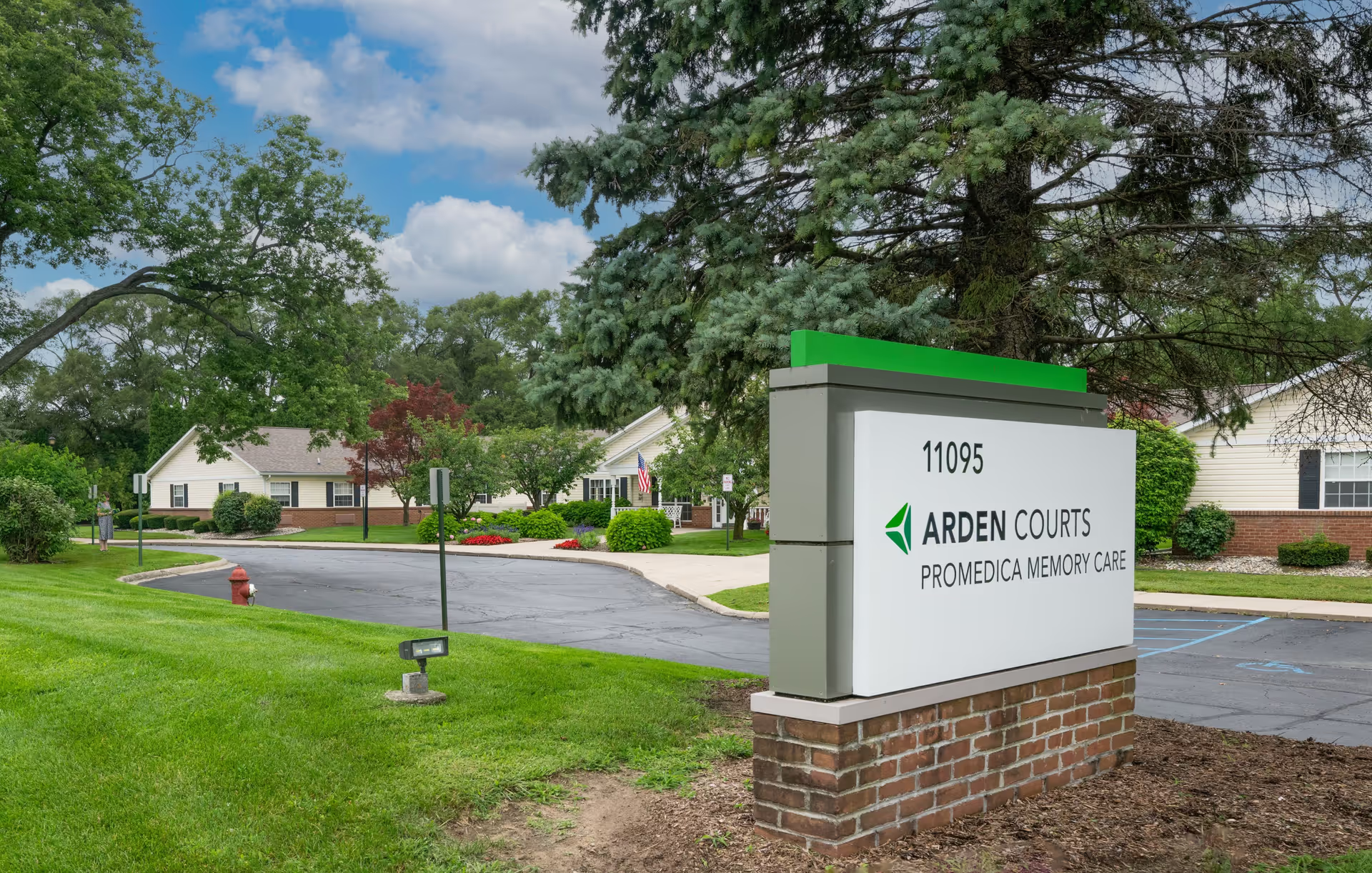
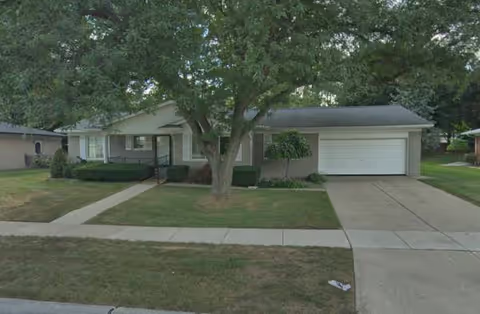
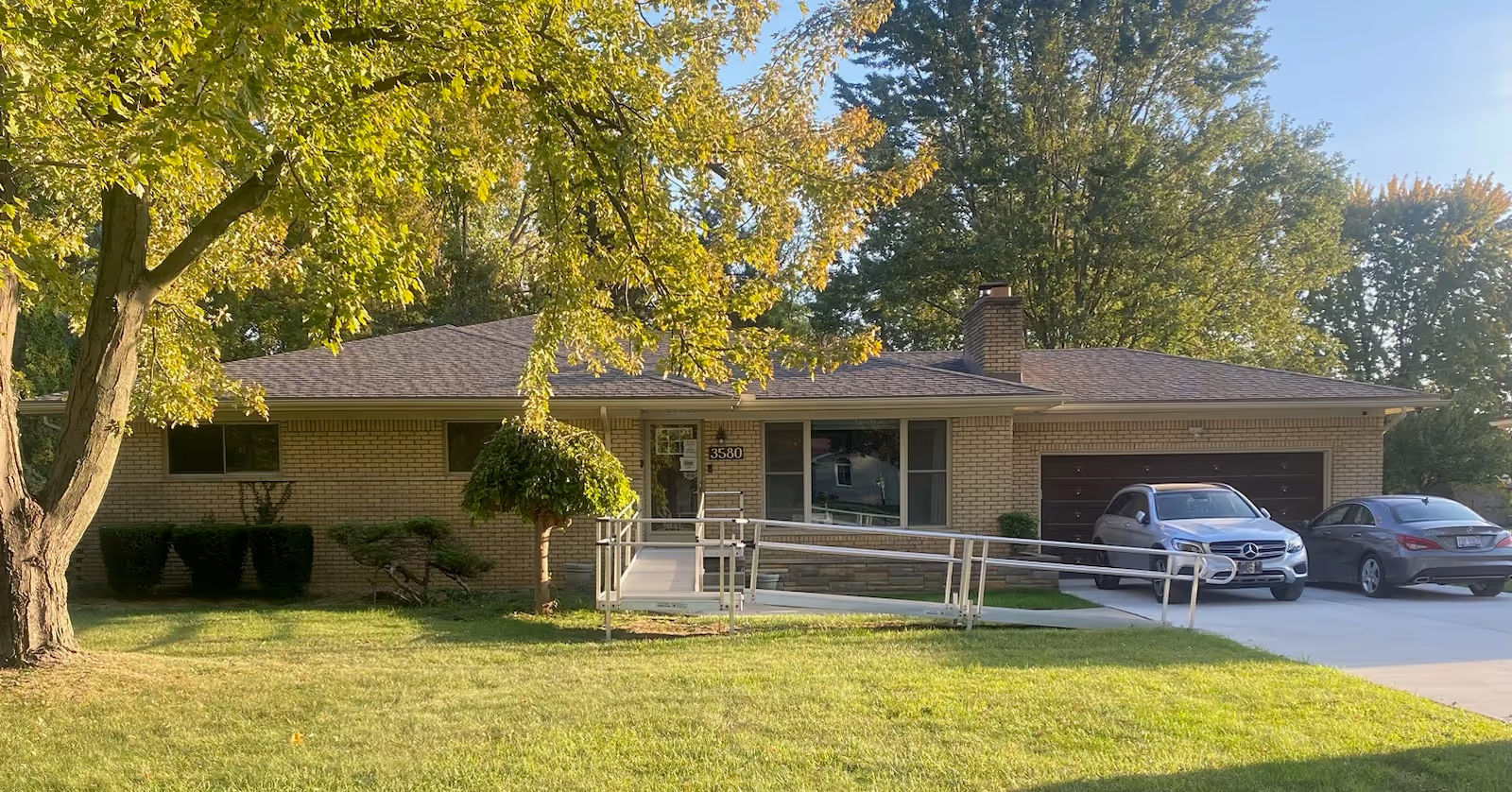
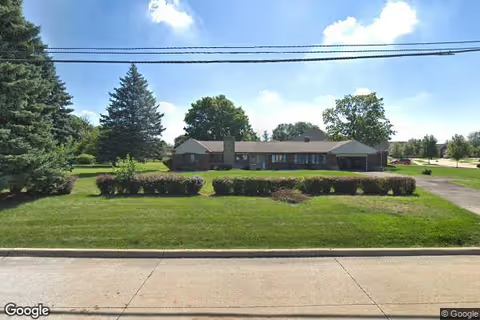
Overall impression Hearthstone Communities is consistently described as a small, residential-style provider that emphasizes a home-like atmosphere and personalized dementia care. Families and residents frequently note the foster-home model, owners living on-site, and a relatively high caregiver-to-resident ratio as primary strengths that contribute to individualized attention and continuity of caregiving. The setting is repeatedly characterized as safe, clean, and well-decorated, with an emphasis on maintaining a family-style environment rather than an institutional feel.
Care and staff Care quality is generally presented as strong: caregivers are described as compassionate, attentive, and relationship-focused. Many families cited improvements in mood, reduced isolation, and increased engagement after placement. Staff are credited with practical skills (medication and vital-sign monitoring, assistance with walking and activities of daily living) as well as emotional support. At the same time, reviewers indicate variability: some note language or communication barriers among staff, occasional personality mismatches between specific caregivers and residents, and uneven communication with families across shifts. There are also references to past incidents that escalated to formal complaints; while some families described those cases as resolved, these items suggest that family–facility communication and complaint resolution can be an intermittent operational pressure point.
Clinical oversight and services The community offers several medical supports that families found reassuring: on-site physician and physical-therapy visits, telehealth access, medication administration, vitals monitoring, and coordination with hospice when needed. Salon services, podiatry, and other ancillary services are available on-site. These elements combine to provide a broad spectrum of clinical and comfort-focused supports, though the presence of occasional medication-management inconsistencies in reviews highlights an area for operational attention and audit.
Dining and activities Dining is frequently praised: home-cooked meals served family-style at a kitchen table are described as tasty and comforting, and food quality is cited as a contributor to resident satisfaction. Activity programming appears to be a clear priority in many homes — live music, weekly performers, therapy dogs, crafts, games, holiday and birthday gatherings, backyard cookouts, and social opportunities are commonly mentioned and are linked to improved resident well-being. However, some reviewers noted limited levels of cognitive stimulation or low resident activity in certain settings, indicating variability in programming intensity between homes or over time.
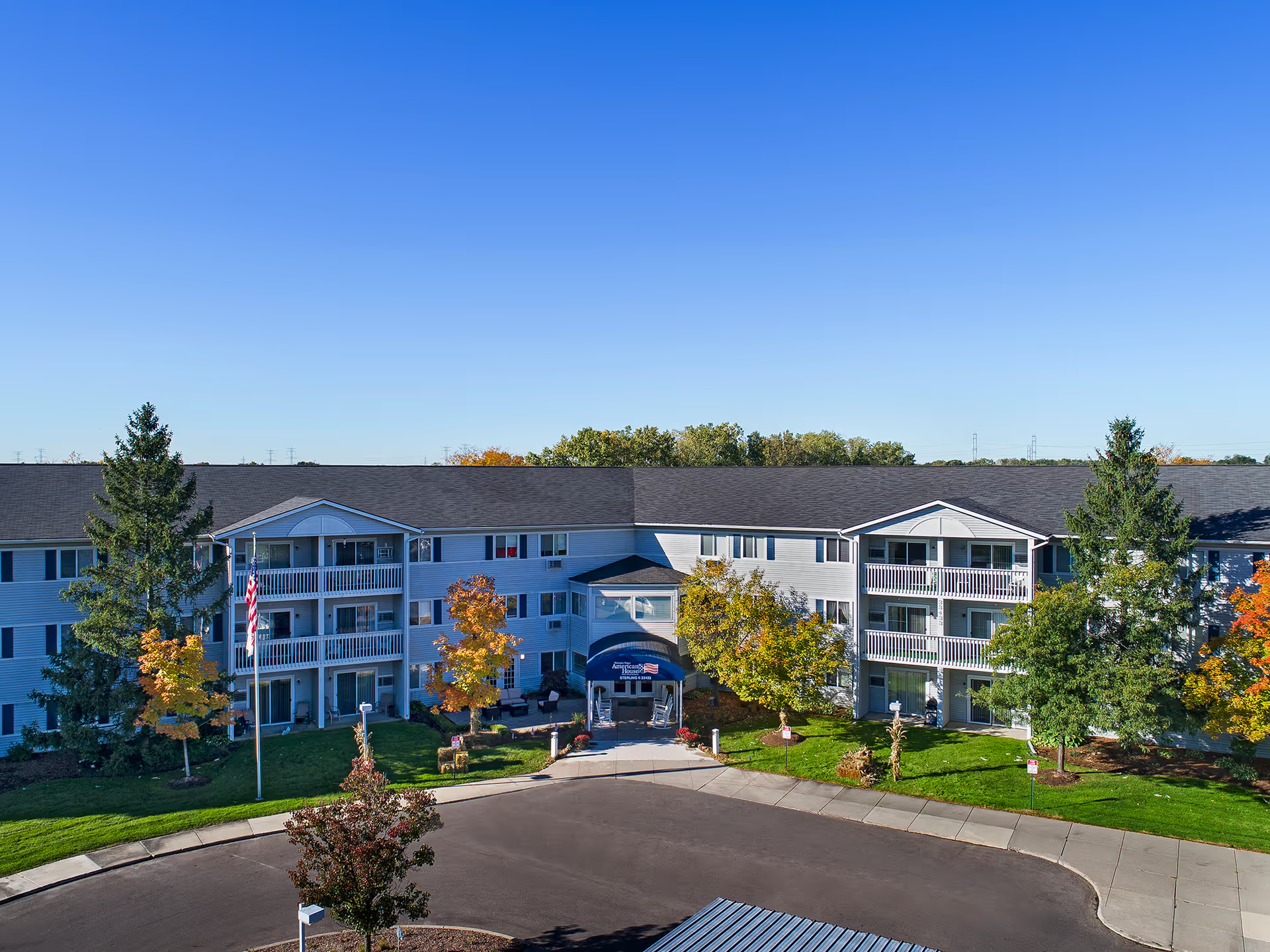
Facilities and logistics Physical facilities are commonly described as clean, nicely furnished, and decorated for holidays, with outdoor space such as decks and backyards for fresh air and socializing. Some homes are larger and may have shared rooms or space constraints that affect privacy for certain residents. There are also operational limitations noted for residents who are non-ambulatory; families described instances where transfer assistance or moving support did not meet expectations, suggesting the community is better suited to residents with at least some mobility or with clearly defined transfer plans.
Management and notable patterns Management involvement is a salient theme: owners and coordinators who live on-site or remain actively engaged are seen as a strong positive, with many families highlighting accessible, hands-on leadership that fosters quick issue resolution and a family-like culture. A minority of reviews indicate inconsistent responsiveness or communication gaps that improved under new management in some cases. Overall, the dominant pattern is one of personalized, affectionate care that yields measurable quality-of-life benefits for residents, tempered by operational areas for improvement: stronger medication controls, more consistent family communication, clearer capacity for non-ambulatory transfers, and attention to language/communication training for staff. Prospective residents and families should weigh the evident strengths in individualized, dementia-capable, home-style care against these operational considerations when assessing fit.