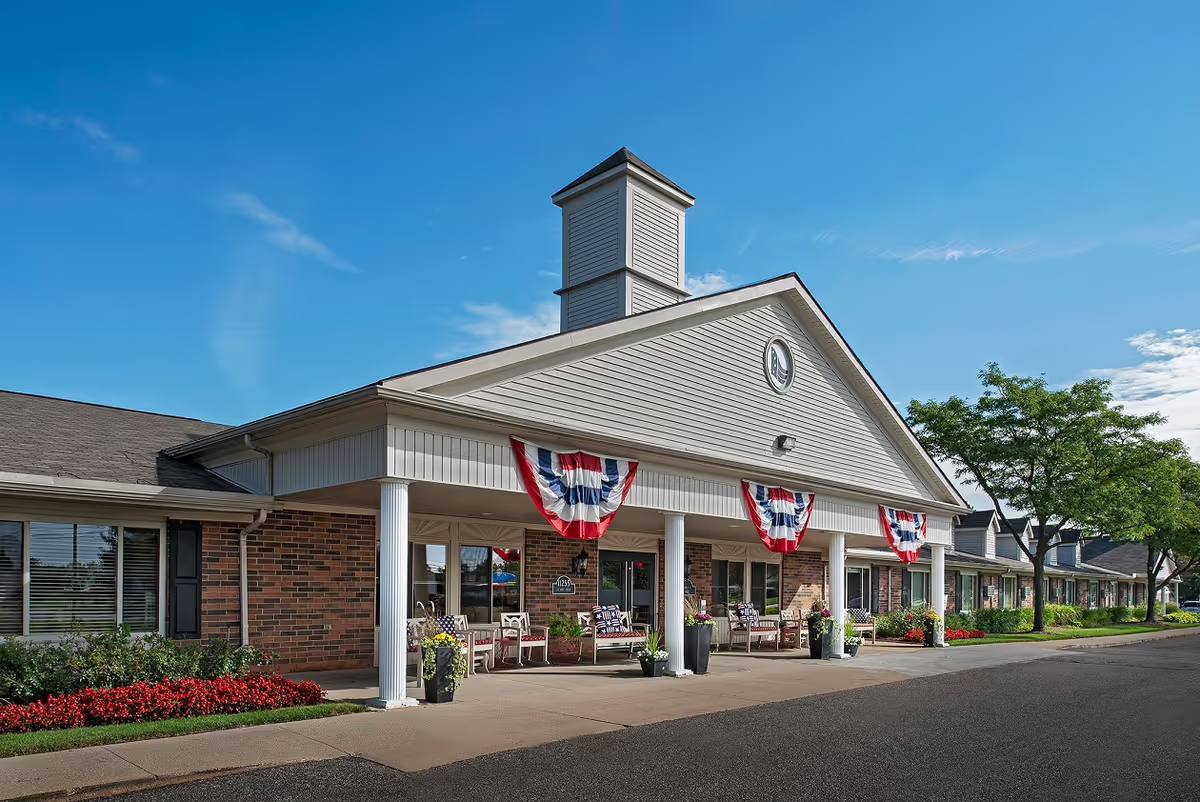
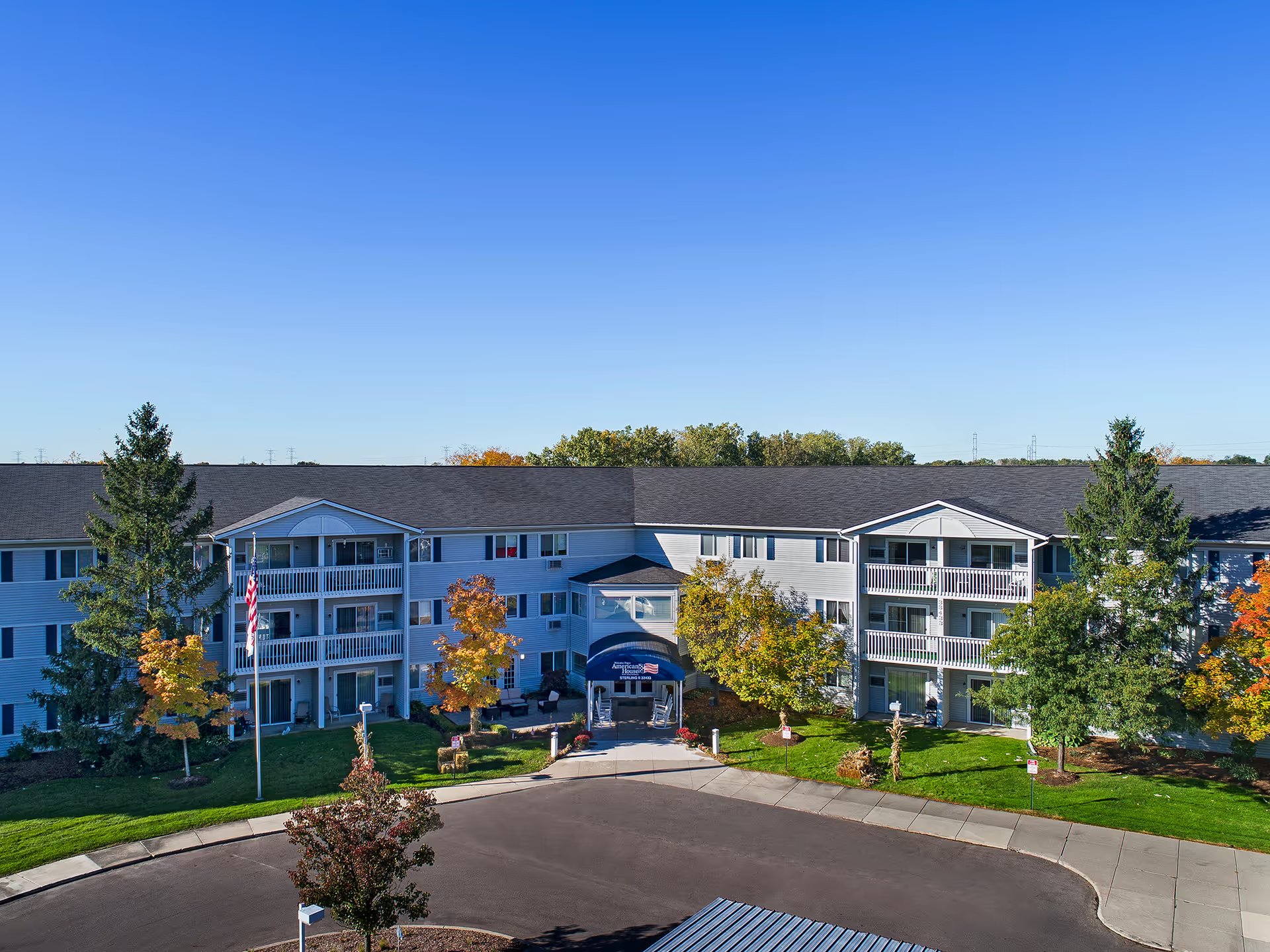
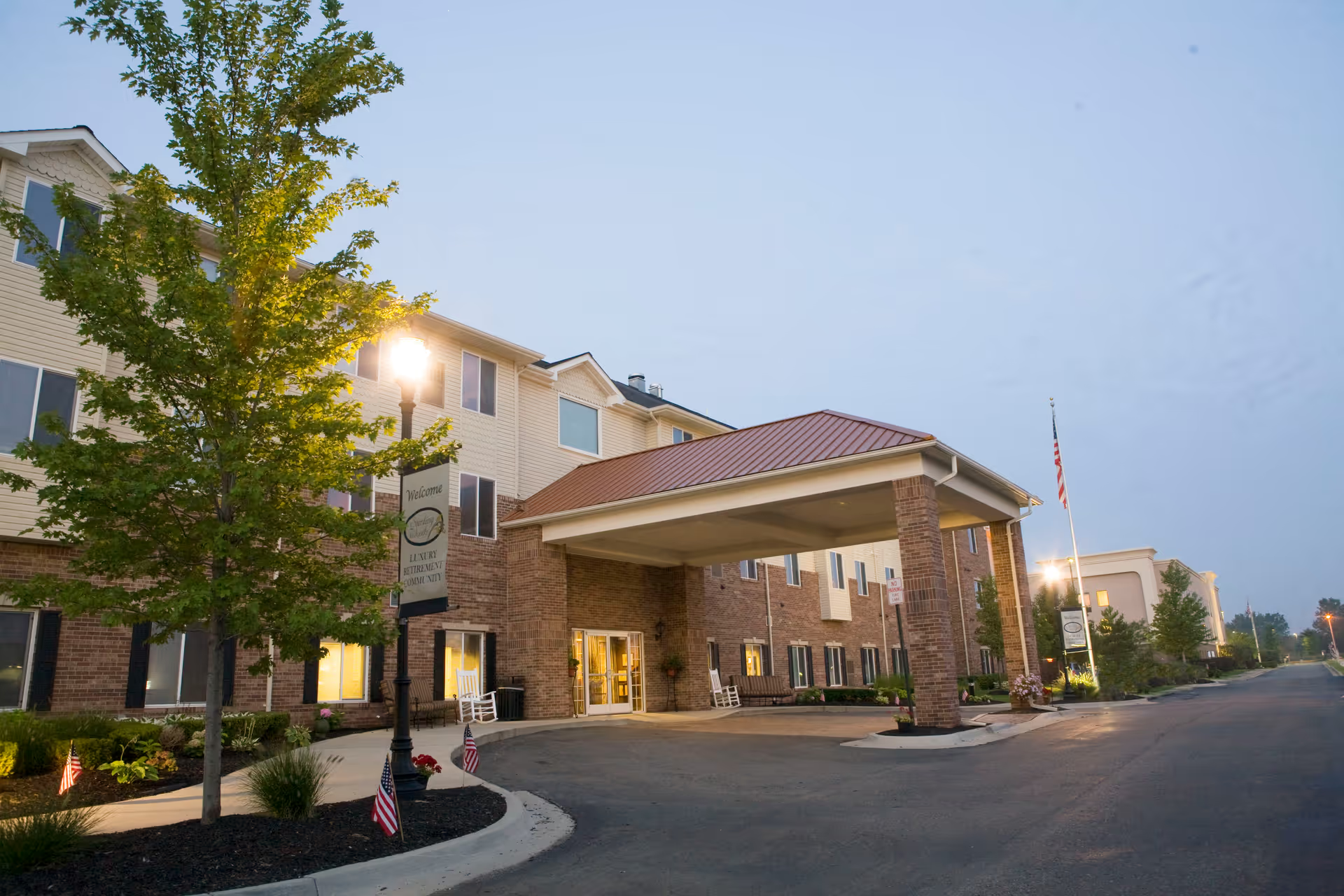
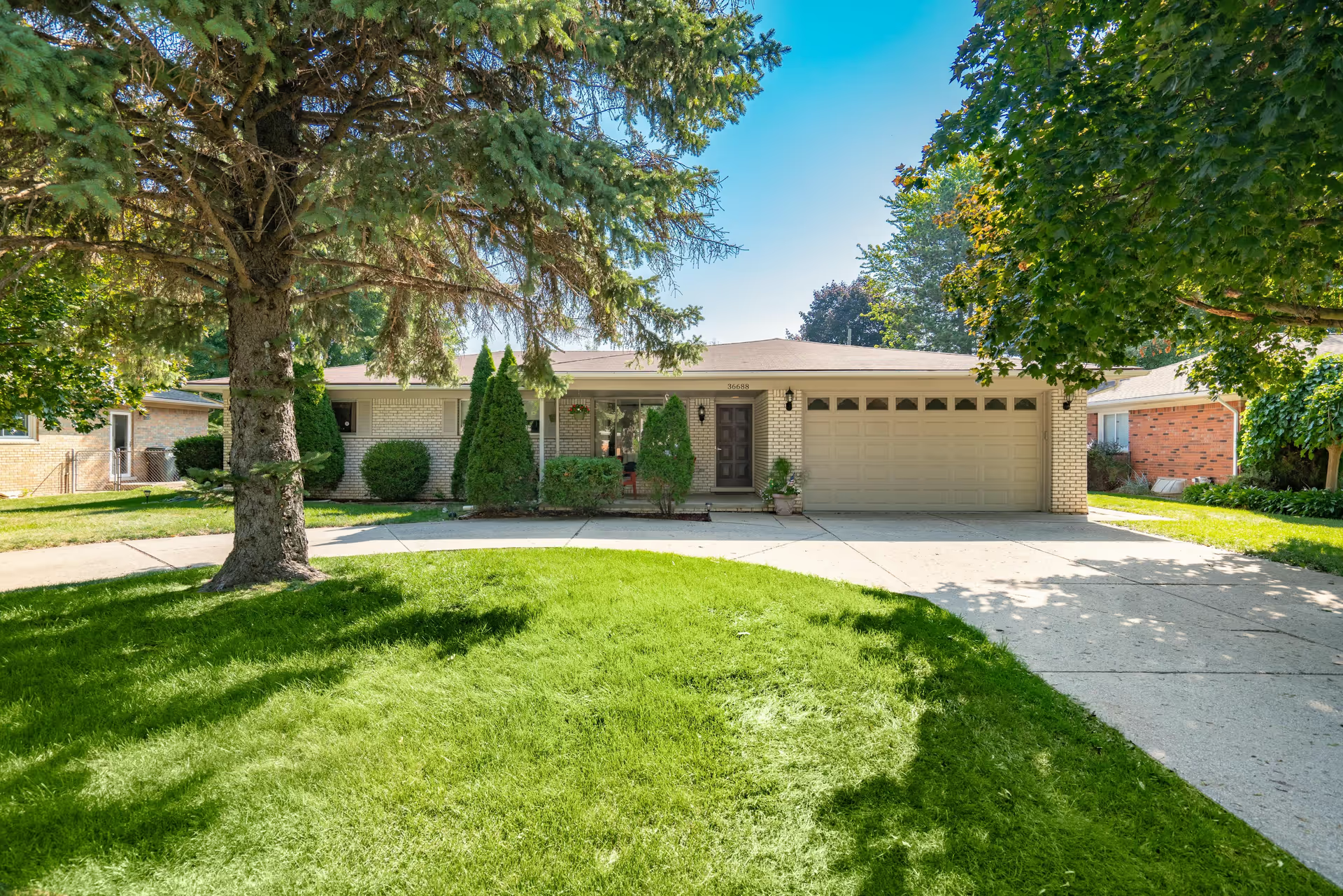
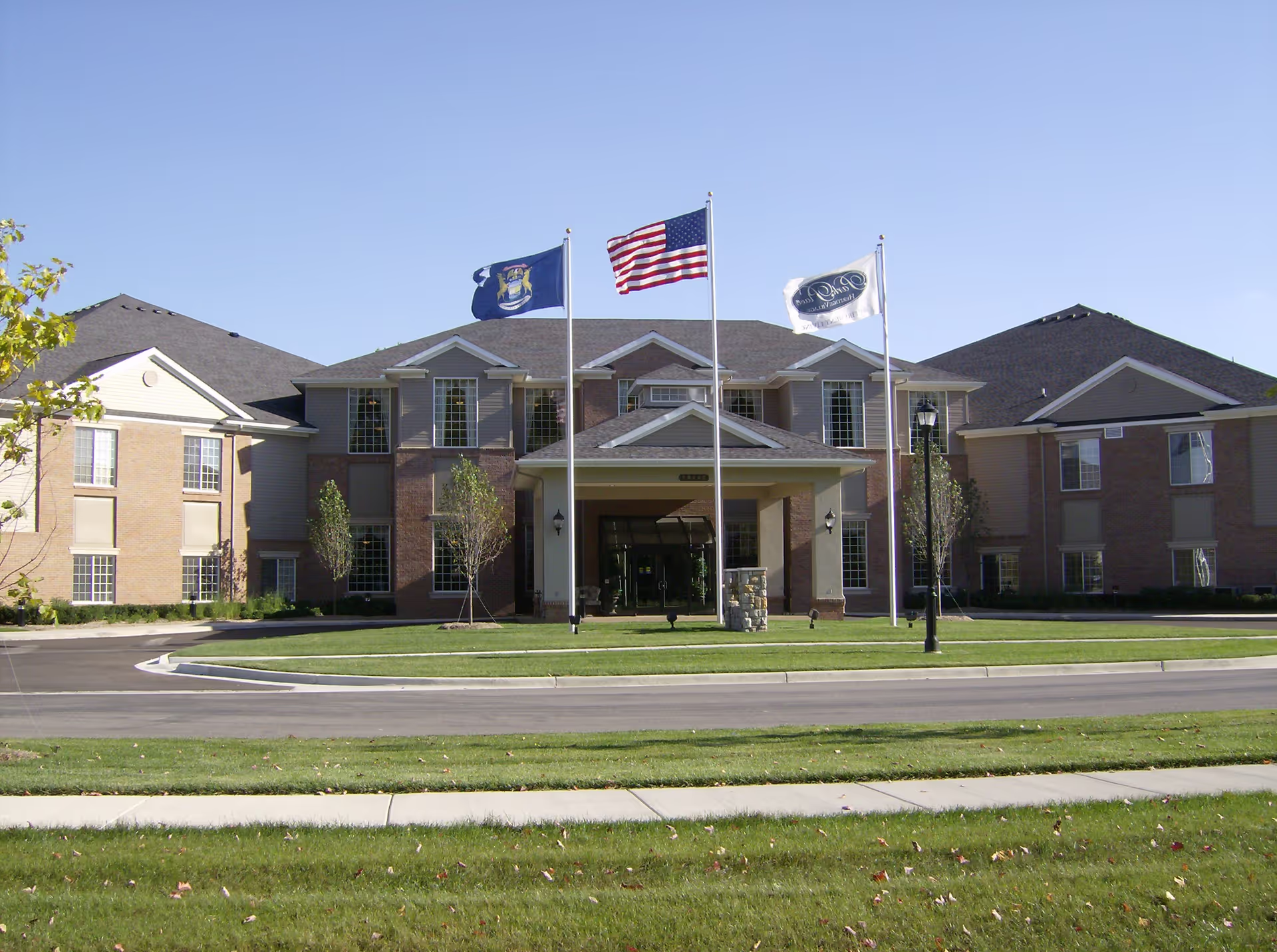
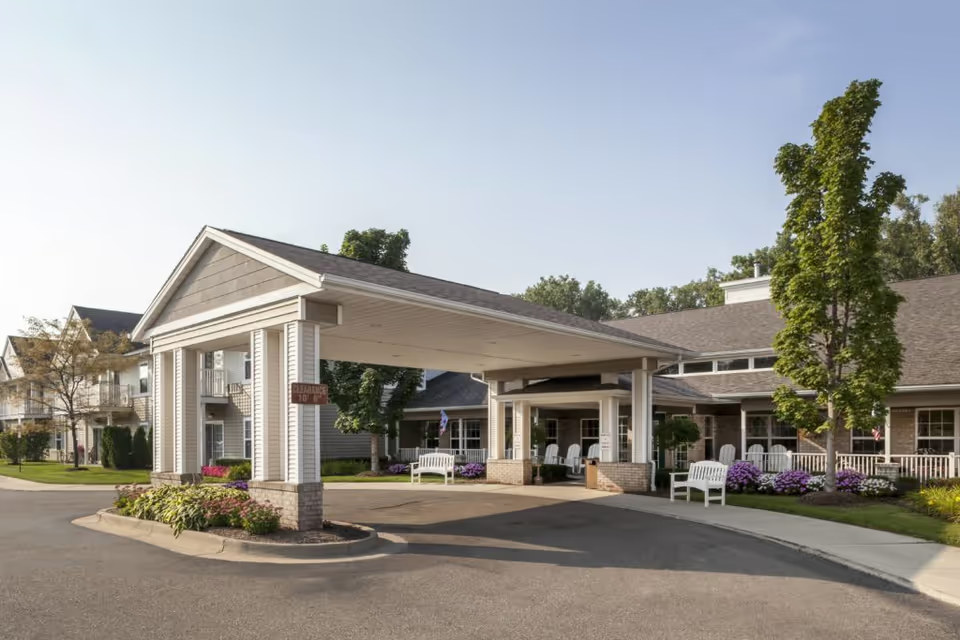
Arden Courts Sterling Heights is consistently described as a dementia-focused memory-care community with a neighborhood-style layout intended to promote familiarity and independence. Families and visitors frequently praise the facility's home-like design, bright common areas, secure outdoor courtyard and gardens, and private rooms that can be personalized. The small-house model, with dedicated CNAs and nurses per house, is noted as supporting continuity of care and relationship-building between staff and residents.
Staff and direct care are the most commonly highlighted strengths. Many reviewers describe caregivers as compassionate, patient, and attentive; staff often learn residents’ histories and use name-based interactions. On-site clinical resources — including nursing, physician and psychiatric support in some cases — are available and cited as helpful for continuity of care. The community is credited for active transition support and family education during moves into memory care.
Dining and activity programming show a mix of strengths and inconsistencies. Positive notes include regular music, live entertainment, therapeutic activities (art, music therapy, light exercise), social events, and salon/manicure services. These offerings contribute to engagement and socialization for many residents. Conversely, reviewers raised concerns about meal quality and variety (with some describing carbohydrate-heavy menus and cold dishes), and a subset of families felt activity options could be repetitive or insufficiently stimulating for certain residents.
Operational patterns flagged by families warrant attention. Staffing levels are a recurrent concern: understaffing or inconsistent coverage has been linked to delays in toileting, bathing, feeding assistance, and other hygiene-support tasks. Several accounts point to inconsistent maintenance response (broken TVs, blinds, missing cushions), personal-item management gaps (lost glasses, misplaced clothing, battery/assistive-device issues), and occasional communication lapses with families. There are also comments about extra fees and the need for clearer billing transparency.
Clinical-safety issues are raised in a minority of accounts and include medication-management concerns and incidents that families characterized as serious. These reports range from questions about sedation and medication approaches to care-transition and transfer-safety practices; a small number of families raised allegations of injurious events. Such concerns underscore the importance of clarifying medication protocols, incident-reporting practices, and fall-prevention strategies during any evaluation.
In summary, Arden Courts Sterling Heights appears well suited to families seeking a dementia-focused, household-model memory care community with strong relational caregiving, ample social programming, and secure outdoor spaces. Prospective families should, however, verify current staffing ratios and schedules, ask for specifics about medication-management and clinical oversight, review showering/toileting assistance protocols, check maintenance and personal-item procedures, and obtain a clear explanation of all fees. An on-site tour focused on the specific house where a prospective resident would live, along with direct conversations about staffing and incident-handling, will give the best sense of fit.