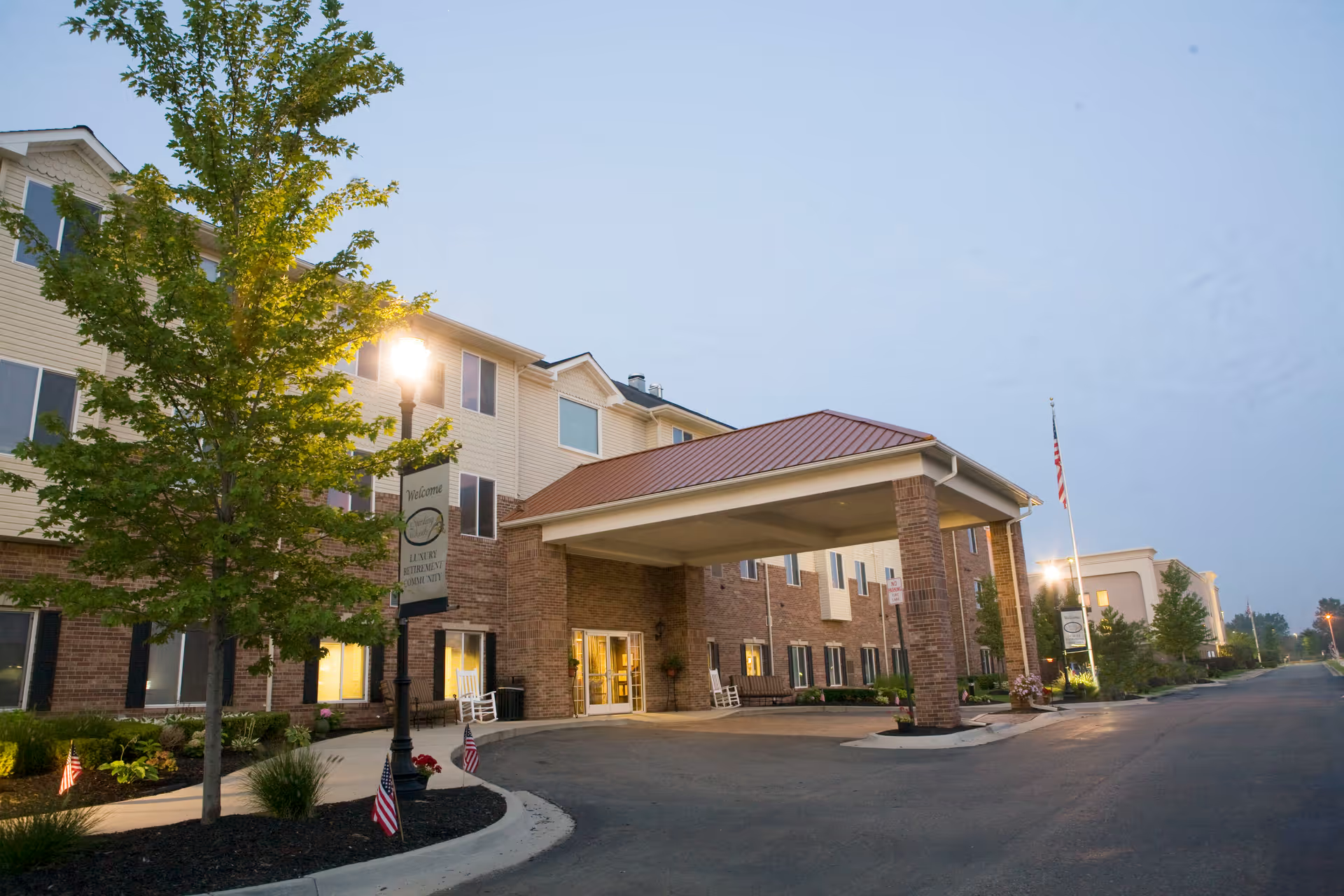
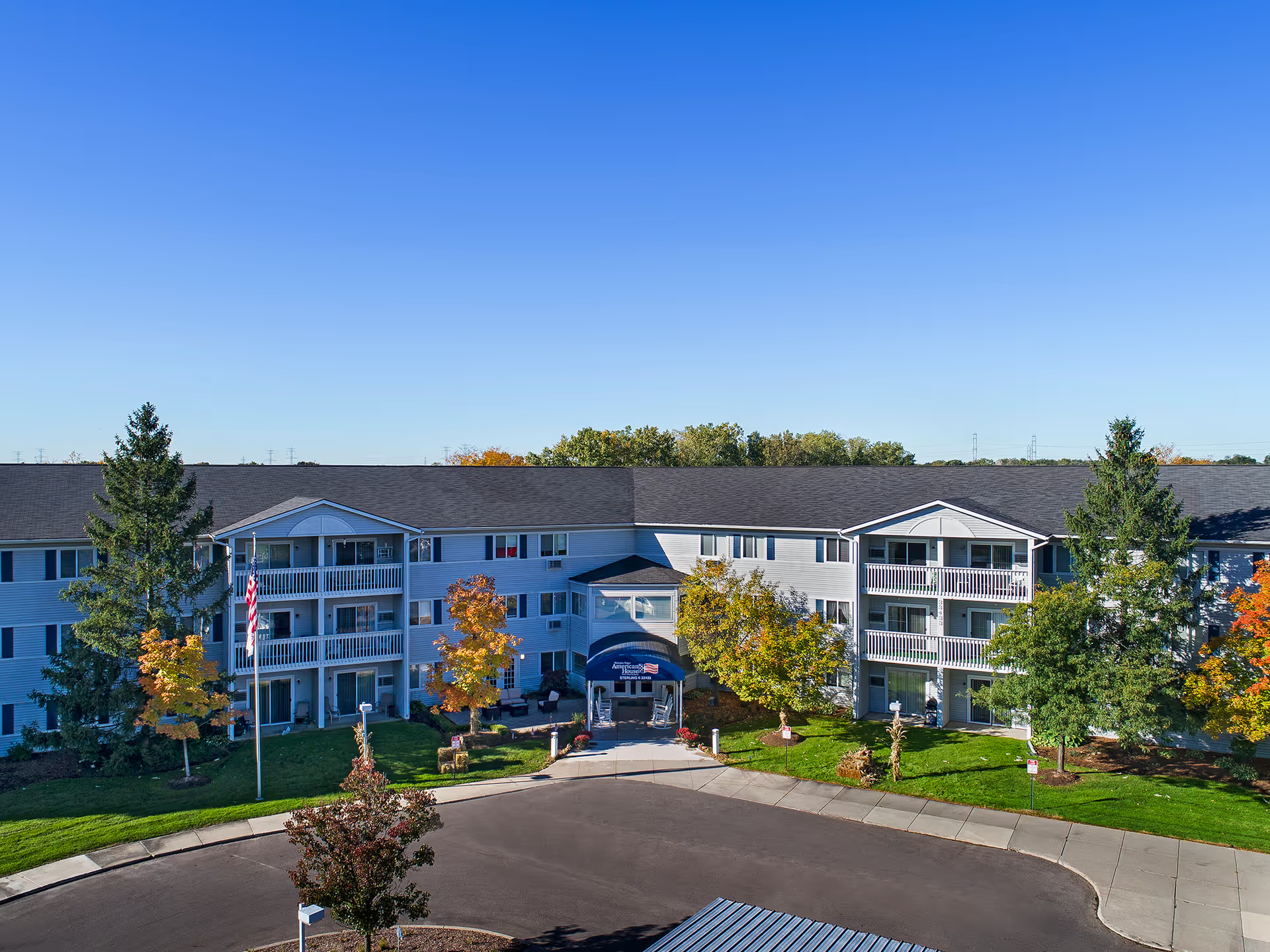
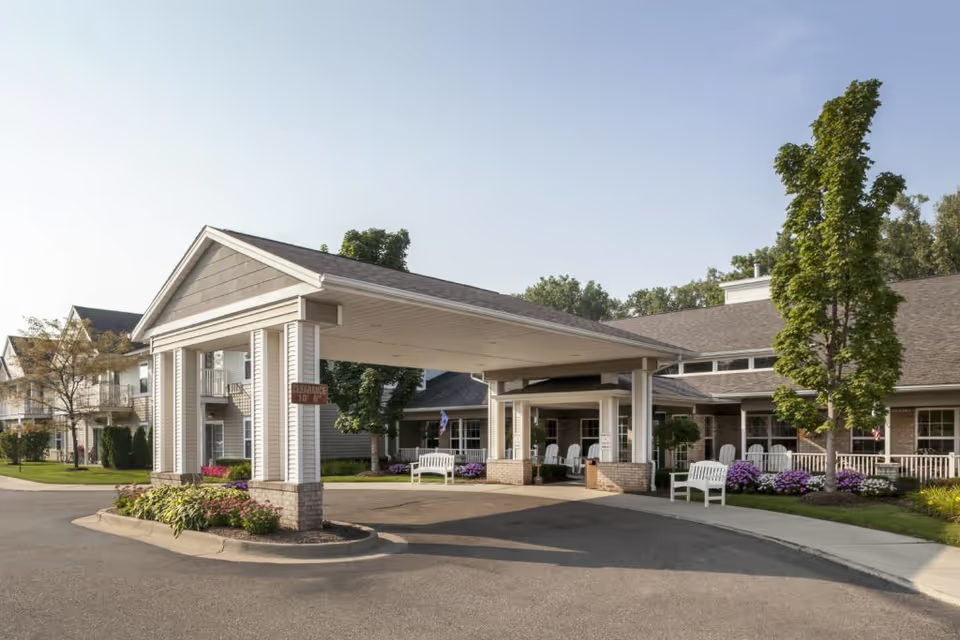
Overall impression: American House Sterling Heights is frequently described as a clean, well-kept, single-story community with a welcoming, residential feel. Reviewers consistently praise the caregiving team for compassion and personable service, and many families note that staff learn residents’ names and provide individualized attention. Apartments are described as spacious and updated in many units, and the property offers several on-site amenities—salon, chapel, theater, activity rooms, and accessible grounds—that support a range of social and wellness interests.
Care and staffing: The facility is characterized by attentive front-line staff and an engaged admissions/sales team who provide helpful tours and clear explanations of options. Families reported that routine care, housekeeping, and laundry are handled reliably, and staff often coordinate with families for daily reminders and check-ins. However, there are recurring operational concerns around clinical responsiveness: reviewers described delays in medication/clinical responses, call-button reliability issues, and situations where post-hospital support did not meet expectations. These point to gaps in clinical staffing capacity, call-system reliability, and availability of basic post-acute equipment and supplies.
Dining and activities: Dining is generally viewed as a strength in terms of service model—restaurant-style meals with alternatives, accommodated dietary needs, and a nutritionist/chef in some instances. That said, reviewers note variability in food quality and portioning; some families praised the kitchen, while others described dips in breakfast or entrée quality. Activity programming is a clear asset: a broad schedule of social offerings (cards, bingo, movies, outings, concerts, crafts, chapel and religious programming) and regular transportation for excursions contribute to an active social environment, especially for residents seeking engagement.
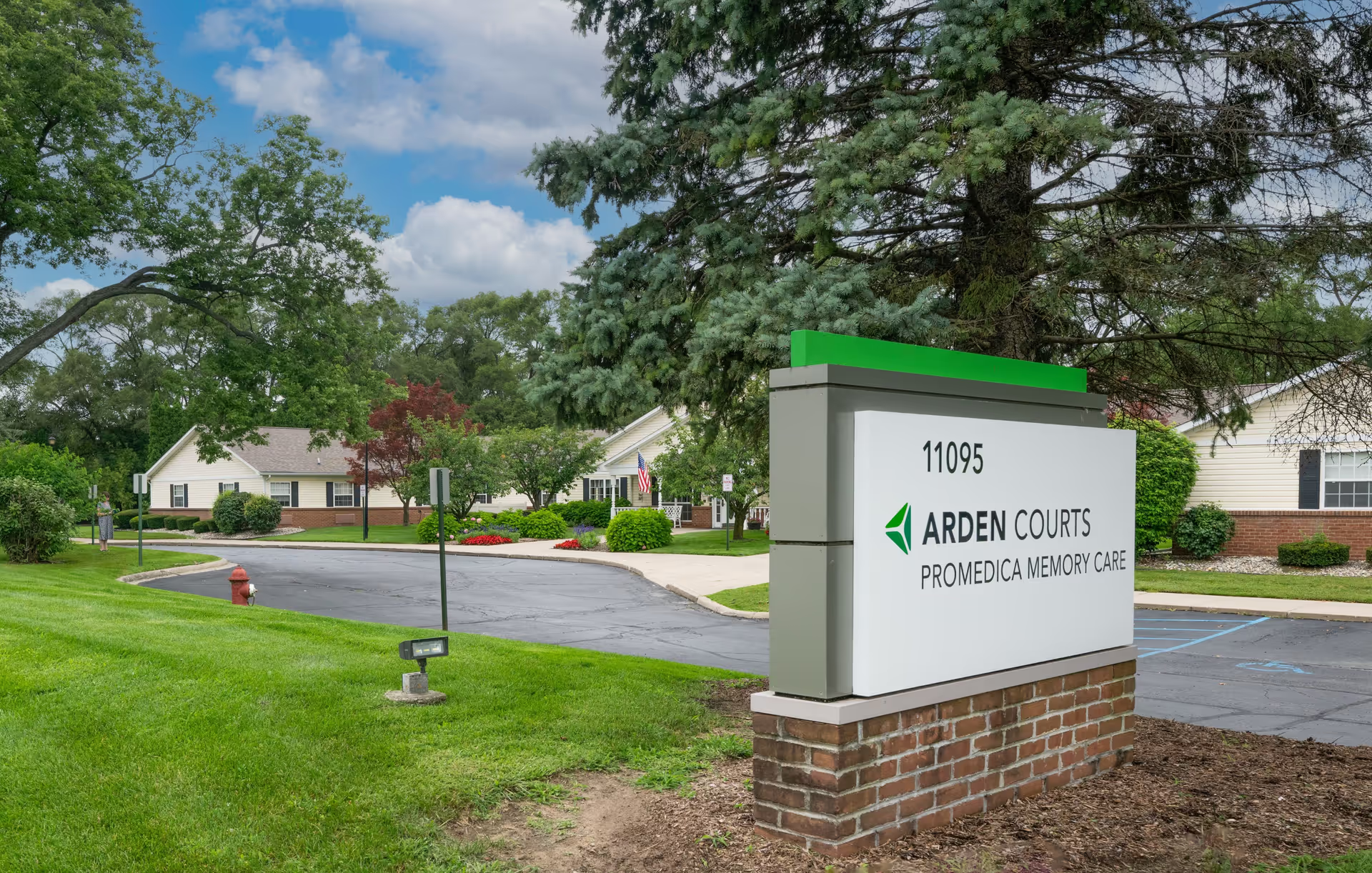
Facilities and management: The single-level design and intimate community size appeal to those seeking a smaller, community-oriented setting. Units include studios and one-bedrooms with options for mini-kitchens; maintenance and cleanliness are repeatedly commended. Management offers some flexibility (month-to-month contracts, a la carte services), but reviewers also raise concerns about pricing and affordability relative to competing options. Additionally, the community’s smaller footprint and some older infrastructure were cited as limitations for families who need more advanced or secured levels of memory care.
Notable patterns and guidance: While positive experiences are common—particularly around staff warmth, cleanliness, and activity offerings—there are important operational patterns families should clarify during a tour. Several reviewers described individual incidents (for example, delayed clinical response after a move, needs unmet during post-hospital recovery, and concerns following a resident’s death) that underscore gaps in incident response, post-acute care readiness, and family communication. Prospective residents and families should verify the community’s licensed memory-care options and secured-unit availability, ask about clinical staffing levels and call-button/testing procedures, and confirm what post-hospital equipment and supplies the facility will provide. For an active independent-living senior who values social programming and personalized attention, Sterling Heights often fits well; for residents with escalating memory-care needs or complex post-acute requirements, families should seek detailed, written assurances about clinical capacity and service continuity.