The reviews present a mixed but consistent picture: many families and short-term residents praise the facility’s rehabilitation services, therapy staff, and several compassionate frontline caregivers, while others report persistent operational and clinical concerns. Strengths most often cited include effective short-term rehab and daily physical therapy, recently updated resident rooms and common areas, helpful admissions and visitor support, and diligent housekeeping in many parts of the building.
Care quality and staffing show a clear pattern of variability. Positive accounts emphasize attentive nursing assistants and warm, welcoming staff who make residents comfortable. Conversely, there are repeated accounts of staffing shortfalls — described as skeleton crews or insufficient daytime coverage — that appear to contribute to delayed responses to call lights, gaps in routine care, and extended periods without a nurse on duty. There are also serious clinical concerns in some accounts, including at least one described medication-administration error that required hospital transfer; these examples point to inconsistent medication-management controls and uneven clinical oversight.
Dining and daily living services are another area of division. Several reviewers described competent meal-service logistics and appropriate support for residents who can participate in activities, but others noted inconsistent food quality, problems with food temperature, and dissatisfaction with menu options. Families also mentioned interruptions to sleep or routines for wound care and other treatments, which suggest opportunities to better coordinate clinical tasks around resident comfort.
Activities and inclusion are generally present, with on- and off-site programming for able-bodied residents and a resident-centered philosophy promoted by management. However, some feedback indicates limited engagement for residents with higher mobility needs or those requiring more assistance; this suggests activity planning and staffing do not always accommodate all functional levels equally.
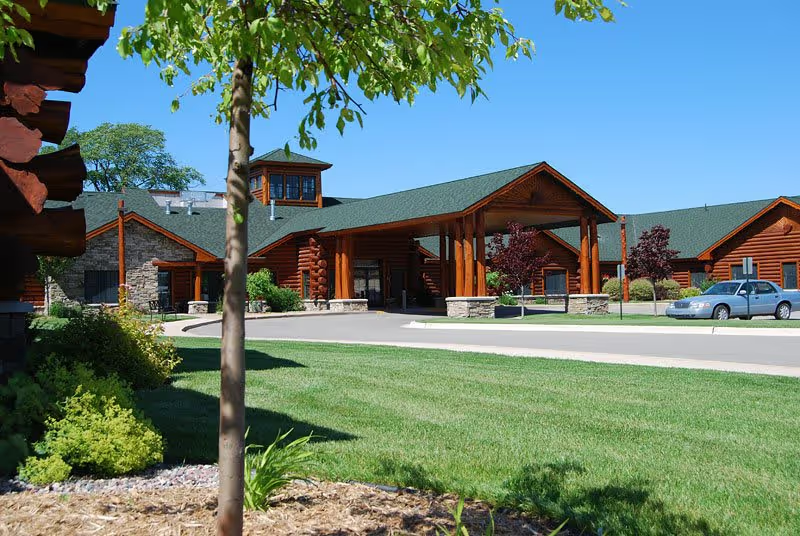
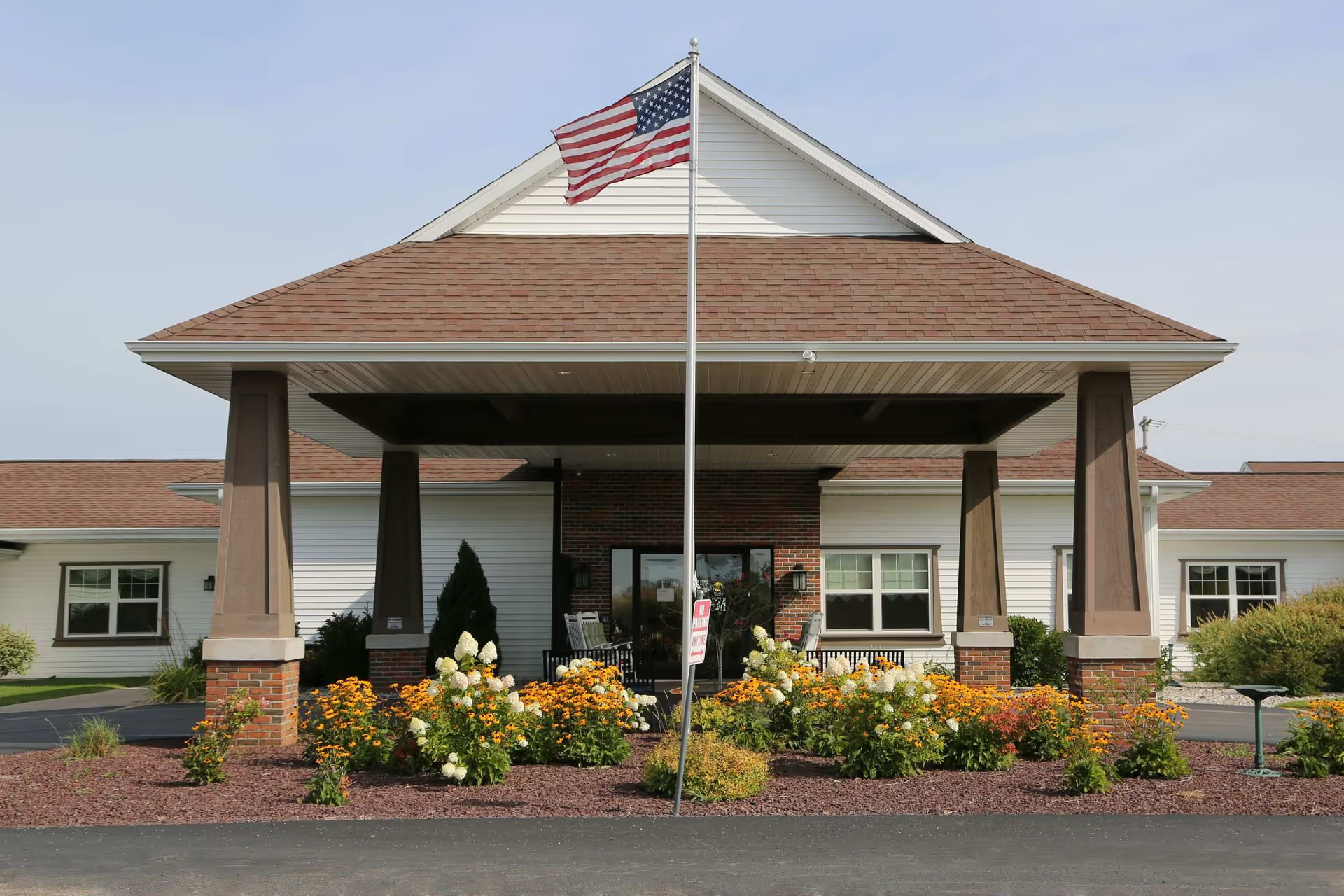
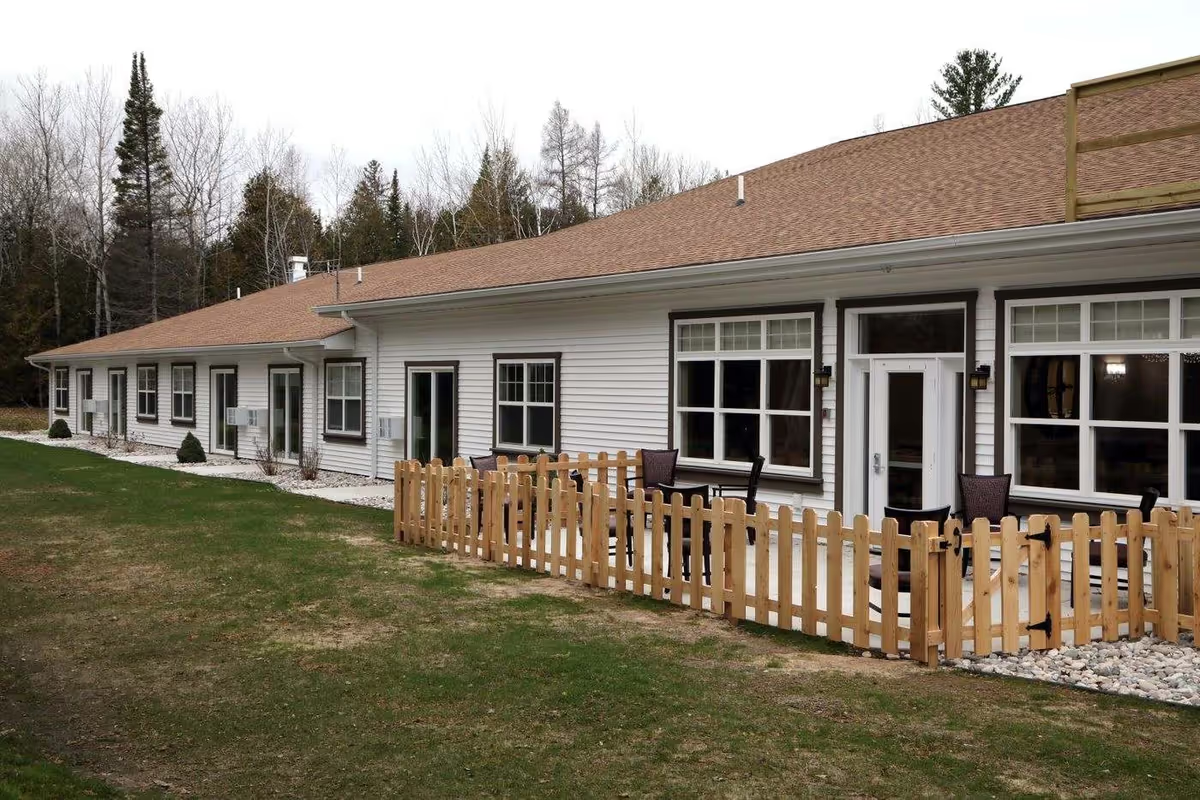
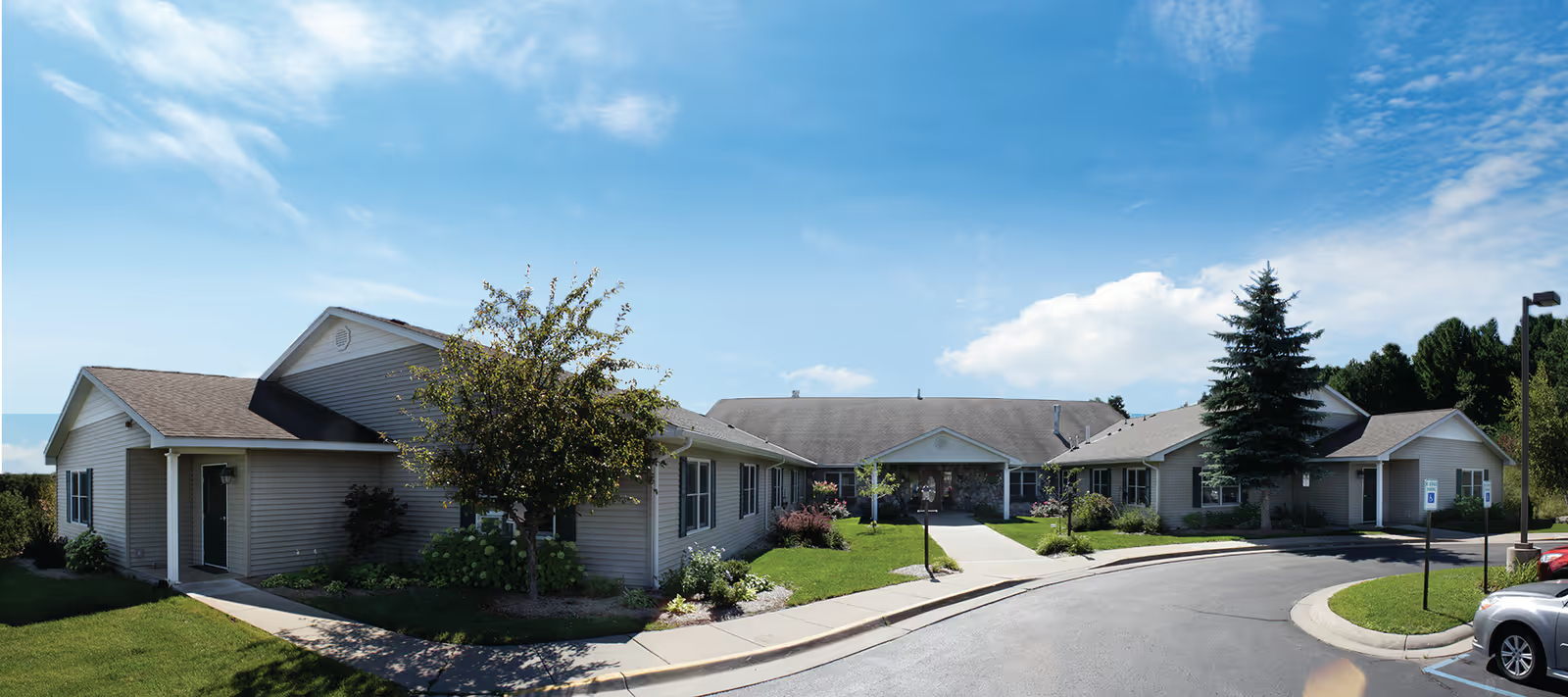
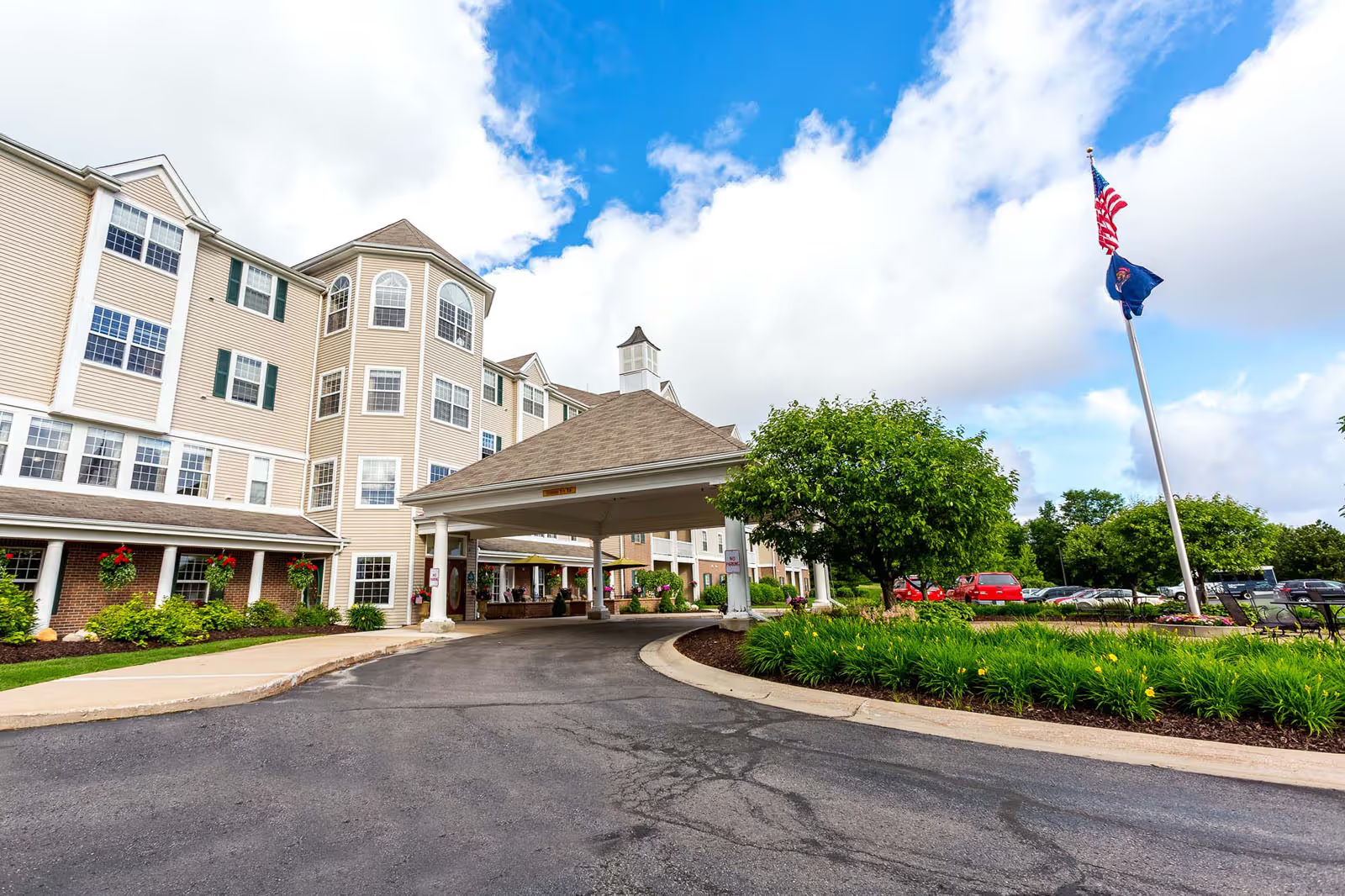
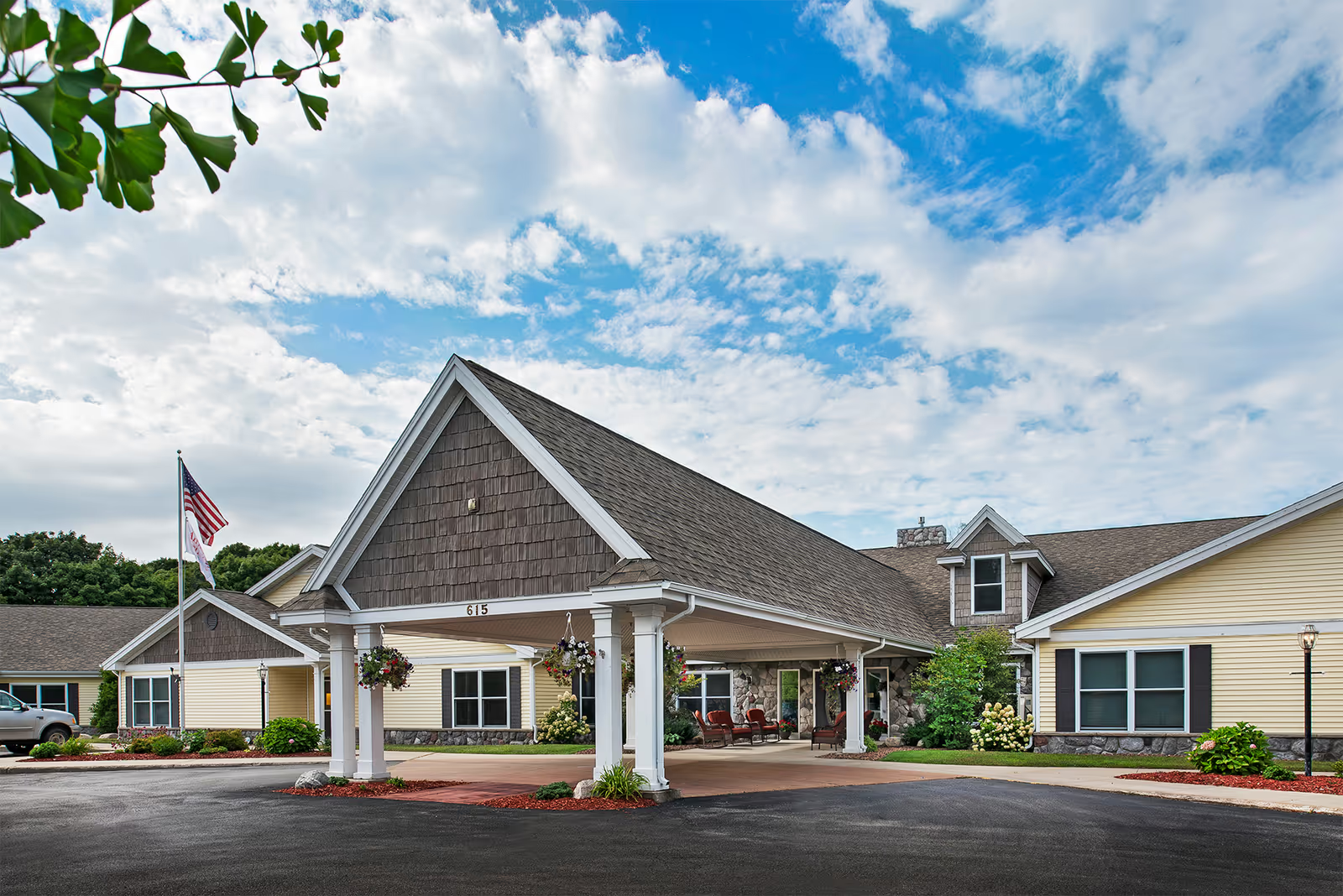
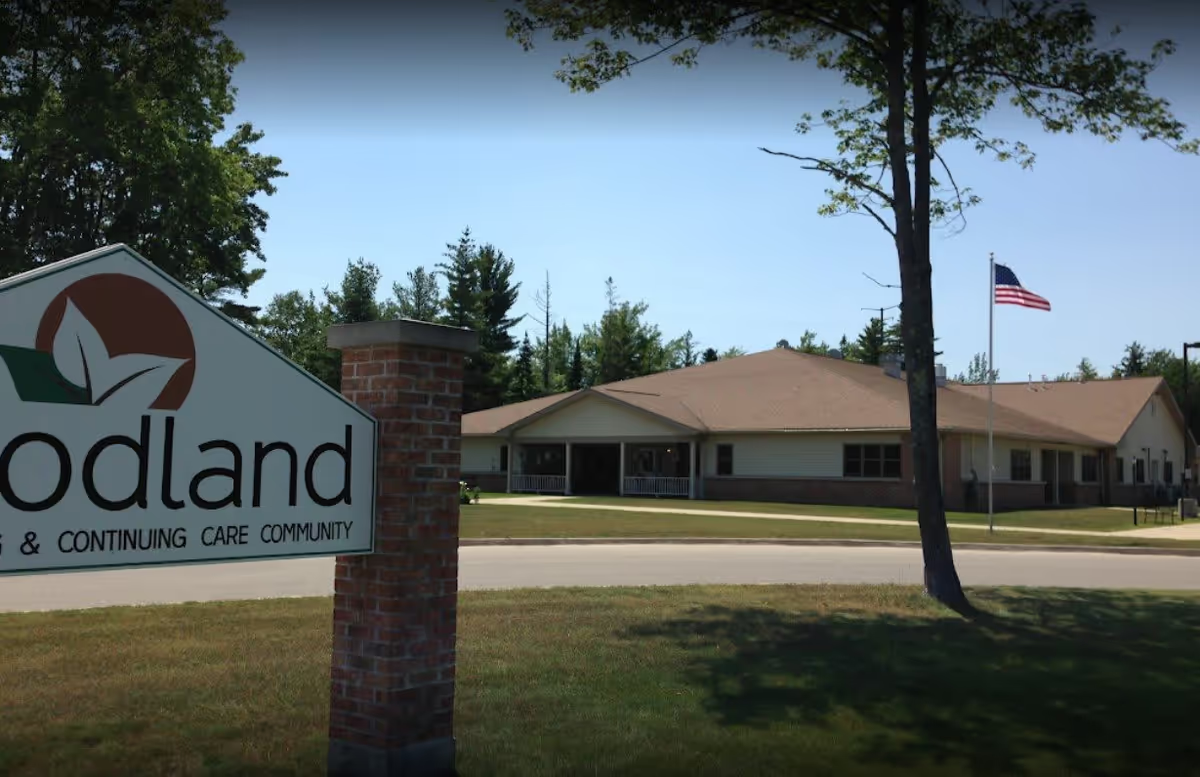
Facilities and maintenance receive mixed commentary. Recent remodeling, updated flooring, and cleaner-looking rooms are cited positively, and the building’s location is convenient. At the same time, reviewers raised concerns about building age, HVAC limitations (cooling focused in hallways rather than all rooms), shared bathroom arrangements in some units, environmental comfort issues such as prolonged lighting, and localized sanitation or odor concerns.
Management and administration emerge as frequent sources of frustration. Reported issues include unclear billing practices, unexpected charges or insurance denials with short notice, delays in paperwork for equipment and transfers, and scheduling miscommunications for pick-up or discharge. Several comments also describe a perception that leadership understates staffing levels or does not fully address frontline constraints, although other reviewers commend specific managers and the facility’s resident-centered messaging.
Overall, the pattern is polarized: strong rehabilitation services, welcoming frontline staff, and recent physical improvements coexist with systemic operational challenges — most notably chronic staffing shortages, variable clinical oversight, dining inconsistencies, and administrative coordination problems. Prospective residents and families should weigh the facility’s rehabilitation strengths and specific staff positives against documented operational weaknesses, and consider asking targeted questions about staffing ratios, medication-safety protocols, meal-service practices, activity inclusion for higher-care residents, and billing/insurance coordination before admission.