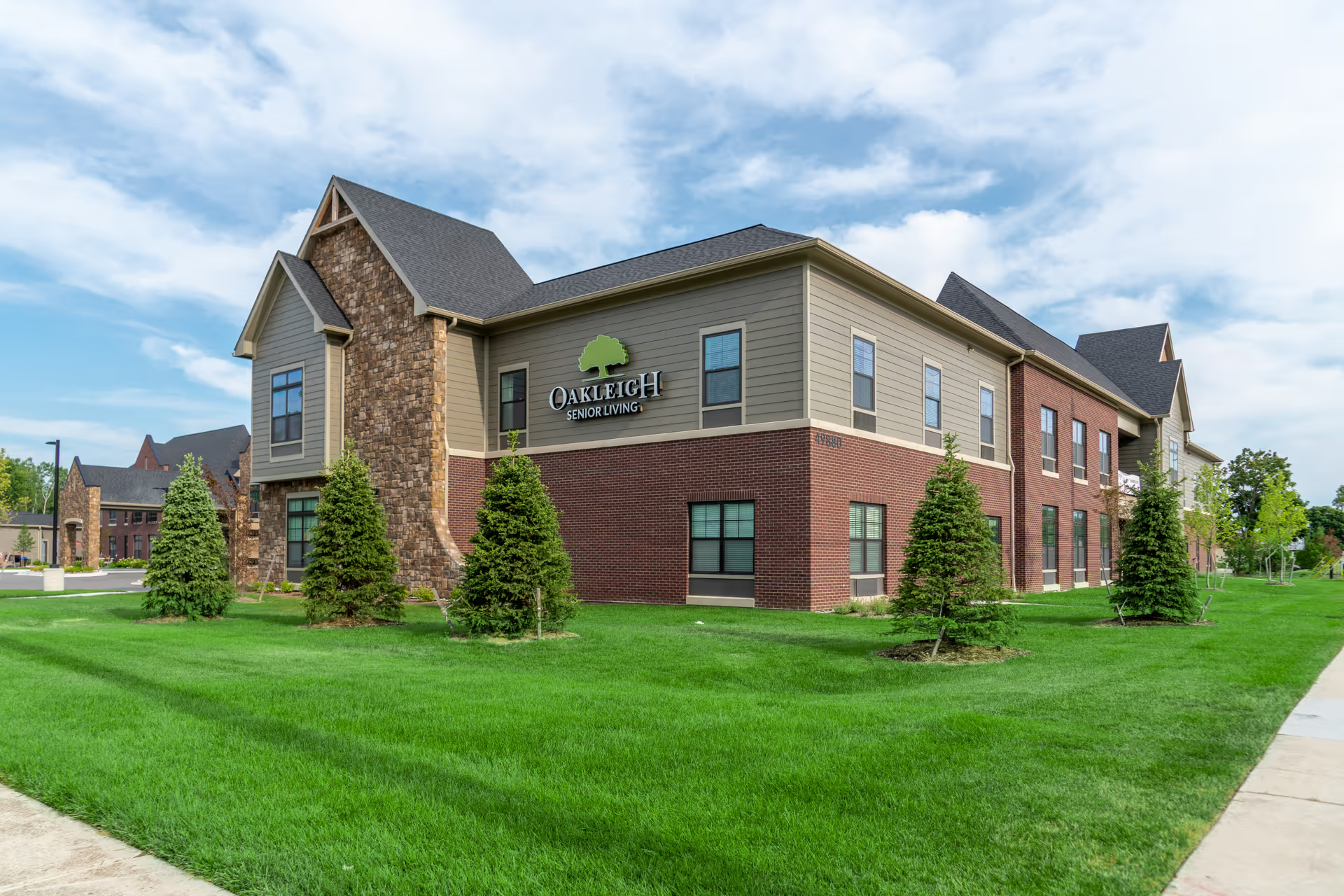
Reviews of Shelby – An Optalis Health & Rehabilitation Center show a facility with a pronounced split between its rehabilitation strengths and operational vulnerabilities. The rehabilitation program—particularly physical and occupational therapy—is consistently highlighted as a core strength. Therapists, therapy leaders, and the therapy environment are frequently described as knowledgeable, effective, and instrumental in functional improvement. For patients admitted primarily for short-term rehabilitative goals, the facility’s programming, therapy frequency, and ancillary supports (e.g., in‑room mock kitchen, accessible gym spaces) contributed to measurable progress and successful discharges for many families.
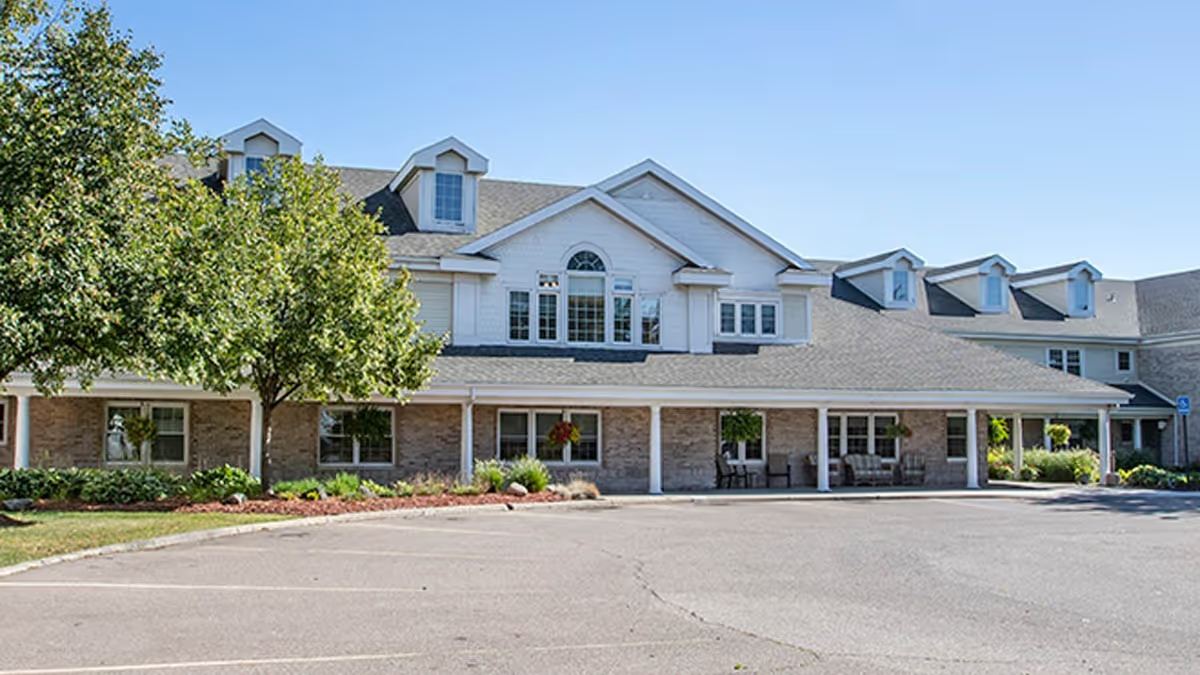
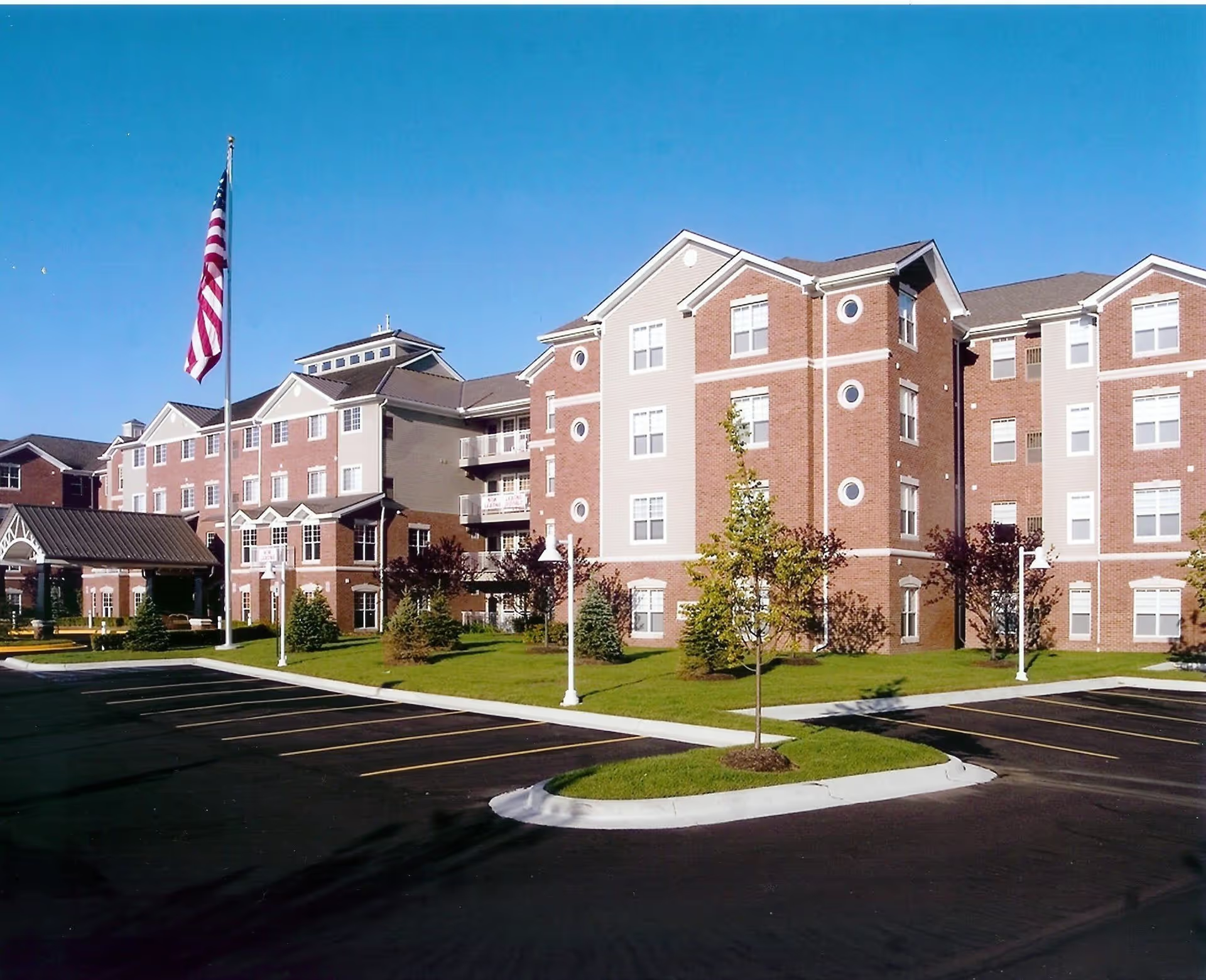
Facility amenities, environment, and activities are also commonly praised. The building, common areas, and many private rooms receive favorable comments for cleanliness, modern finishes, and comfortable furnishings. On-site services such as a salon, café-style offerings, snack carts, and a robust activities calendar (notably regular ice cream socials and themed events) are viewed as value-adds that support residents’ social engagement. Admissions and front-desk staff, as well as individual nurses and CNAs, are often described as helpful and caring; several reviews named specific staff members as making a positive difference in a resident’s stay.
Contrasting that positive picture, there is a recurring pattern of operational concerns that affect clinical care and family experience. Many reviewers cite inconsistent responsiveness from nursing staff and CNAs, long call-button response times, delays in attending to toileting and hygiene needs, and variable bathing schedules. These issues are often linked to perceived chronic understaffing and the use of agency or float staff; reviewers noted that staffing shortages appear to affect night and weekend coverage most acutely. Medication timing problems and occasional lapses in medication administration were also described, and several accounts raised concerns about follow-through on clinical orders (for example, timely pain control or ordered ice packs).
Dining and nutrition received mixed evaluations: some families described enjoyable meals and flexible menus, while others described inconsistent food quality and long-serving windows that left food cold or unpalatable. Housekeeping and sanitation standards were praised in many areas but criticized in others; reviewers pointed to intermittent odor concerns, linen availability problems, and uneven cleanliness between units. Safety and care-process issues were another repeated theme: reviewers described falls, transfer-safety problems, missed or delayed clinical assessments, and gaps in infection-control follow-up. Related operational concerns included misplaced or mixed laundry, missing personal items, and communication breakdowns around discharge planning and billing. A minority of reviews referenced regulatory complaints, Ombudsman involvement, and serious allegations such as medication errors or injury; these items merit direct inquiry during family decision-making.
Management and communication emerge as areas needing improvement. Families frequently reported difficulty getting timely callbacks, inconsistent updates at care-plan meetings, and varying responsiveness from supervisory staff. Where leadership and unit management were actively engaged, families described markedly better experiences; where management engagement was lacking, clinical and logistical problems escalated. The pattern in the reviews suggests the facility can provide high-quality, rehab-focused care when therapy and nursing resources are coordinated and staffed appropriately, but outcomes are uneven and appear sensitive to staffing levels and managerial follow-through.
Practical considerations for prospective residents and families: Shelby may be a strong option for short-term rehabilitation needs if therapy intensity and amenities are priorities and if families can confirm staffing and escalation pathways at admission. For residents with higher medical complexity or advanced personal-care needs, the identified patterns—particularly around nursing responsiveness, incontinence-care timeliness, medication administration, and communication—warrant careful pre-admission discussion and written care expectations. Ask for current staffing ratios (including night/weekend coverage), names and direct contacts for unit leadership, the facility’s escalation procedures, documentation of recent regulatory findings or Ombudsman activity, and a clear plan for laundry/personal-belonging handling. Where families are able to remain actively involved or obtain regular updates, many of the facility’s rehabilitative and amenity strengths are reported to be achievable in practice; where family oversight is limited, the operational weaknesses noted in reviews have a greater likelihood of affecting the resident experience.