Reviews of The Orchards Michigan - Southgate are highly mixed, showing a consistent pattern of strong clinical and rehabilitative strengths alongside operational and facility concerns. Many families and former residents praise the nursing assistants, therapists, and some nursing leadership for compassionate hands‑on care, effective physical and occupational therapy, and competent wound/post‑surgical management. The facility's restorative/rehab program, transport van, and activity offerings are frequently noted as helpful for short‑term recovery and resident engagement. Several reviewers also singled out particular staff and administrative figures as accessible, communicative, and proactive.
At the same time, a substantial portion of feedback identifies systemic operational weaknesses. Staffing consistency is a recurring theme: reviewers describe marked variability between day, evening, and night shifts and particular strain on weekends and overnight coverage. This variability appears to contribute to delays in basic personal‑care tasks, inconsistent response to call lights, and gaps in medication timing. Housekeeping and laundry performance is described unevenly — with positive accounts of responsive environmental services alongside accounts of sanitation concerns, odor control problems, and unreliable linen availability. There are also multiple references to pest‑control and general cleanliness issues in specific areas.
Dining and nutrition impressions are similarly mixed. The kitchen receives praise for varied and palatable menus from a number of families, while others report issues with meal temperature and meal acceptability. Activities and social programming are generally regarded as resident‑oriented and beneficial, with the activities team, outings, and therapeutic programming cited as strengths that support morale and rehabilitation outcomes.
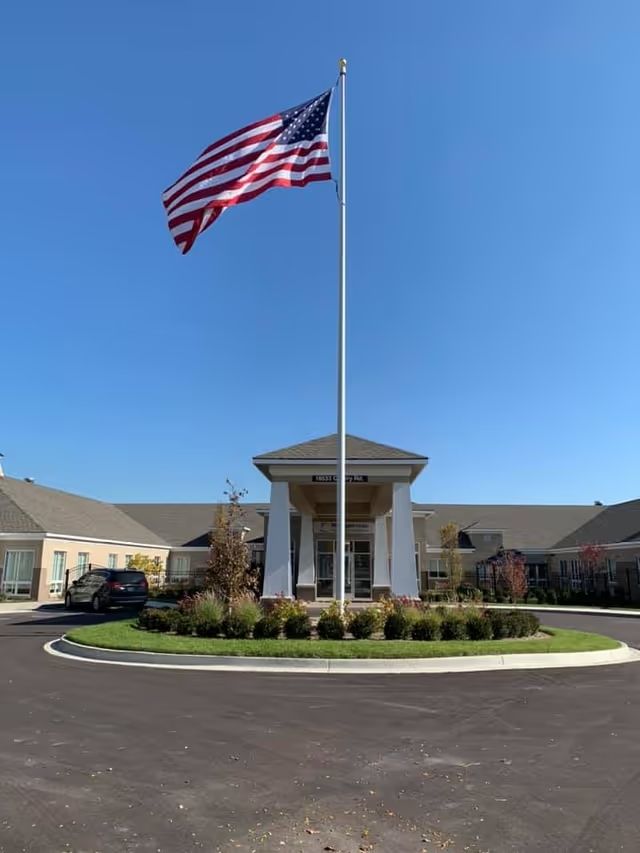
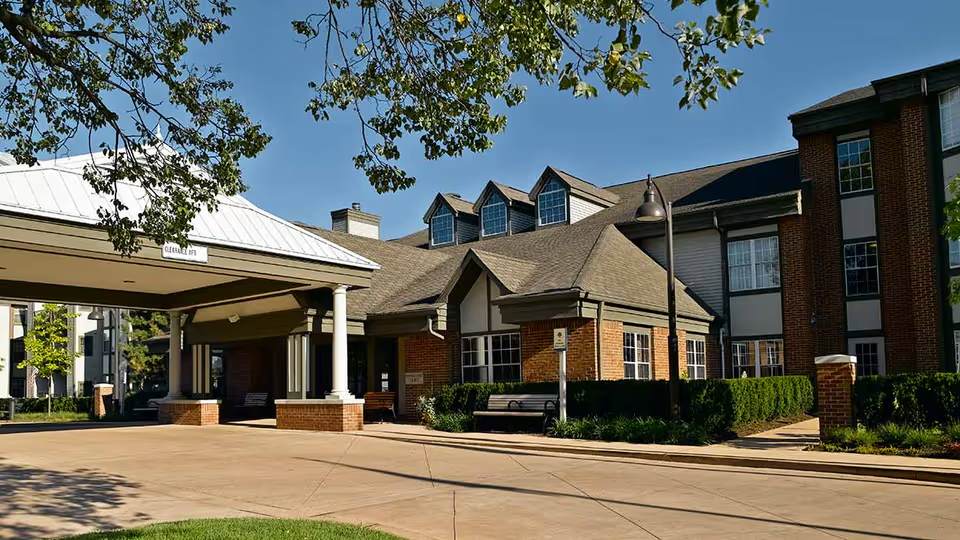
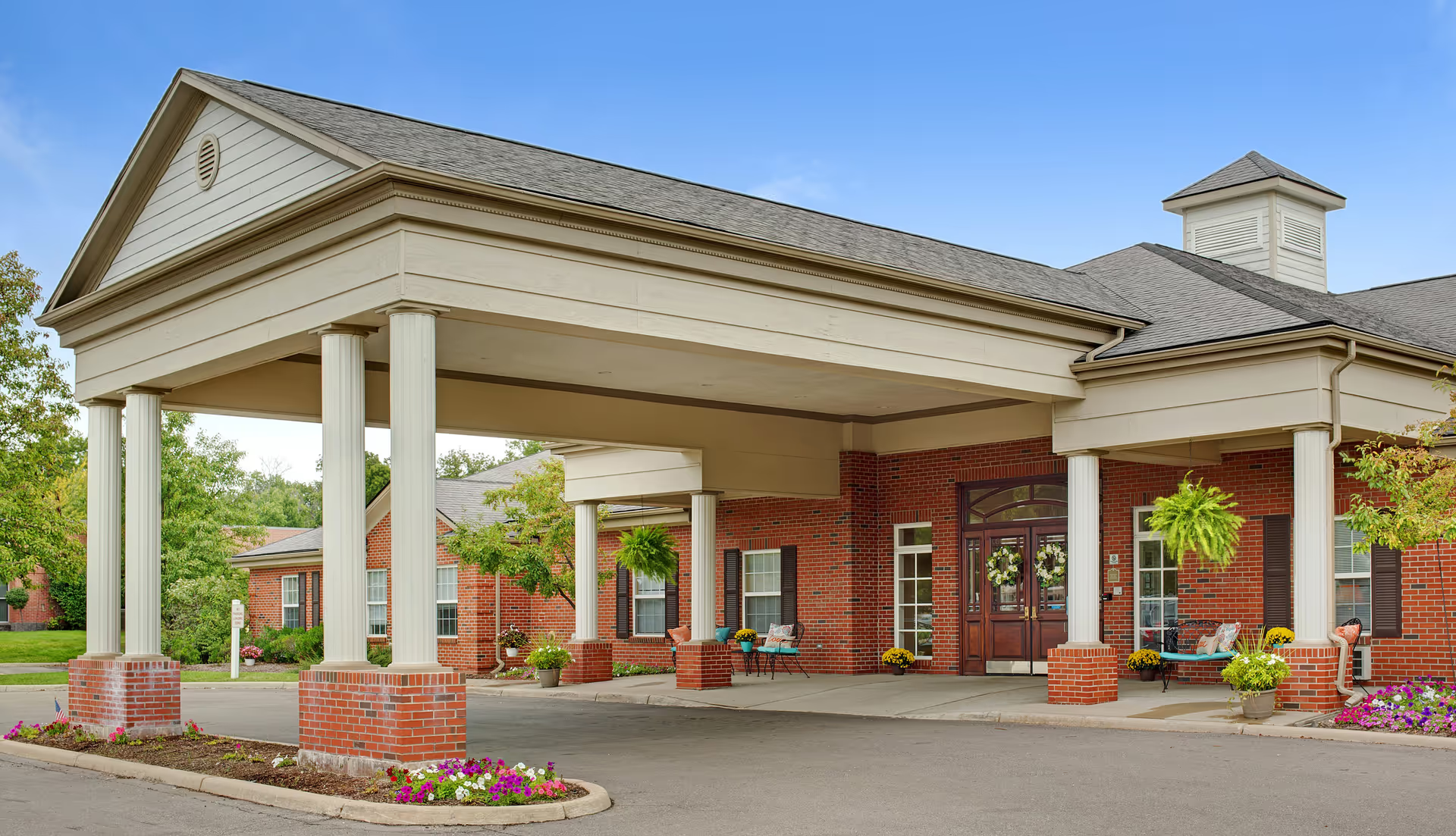
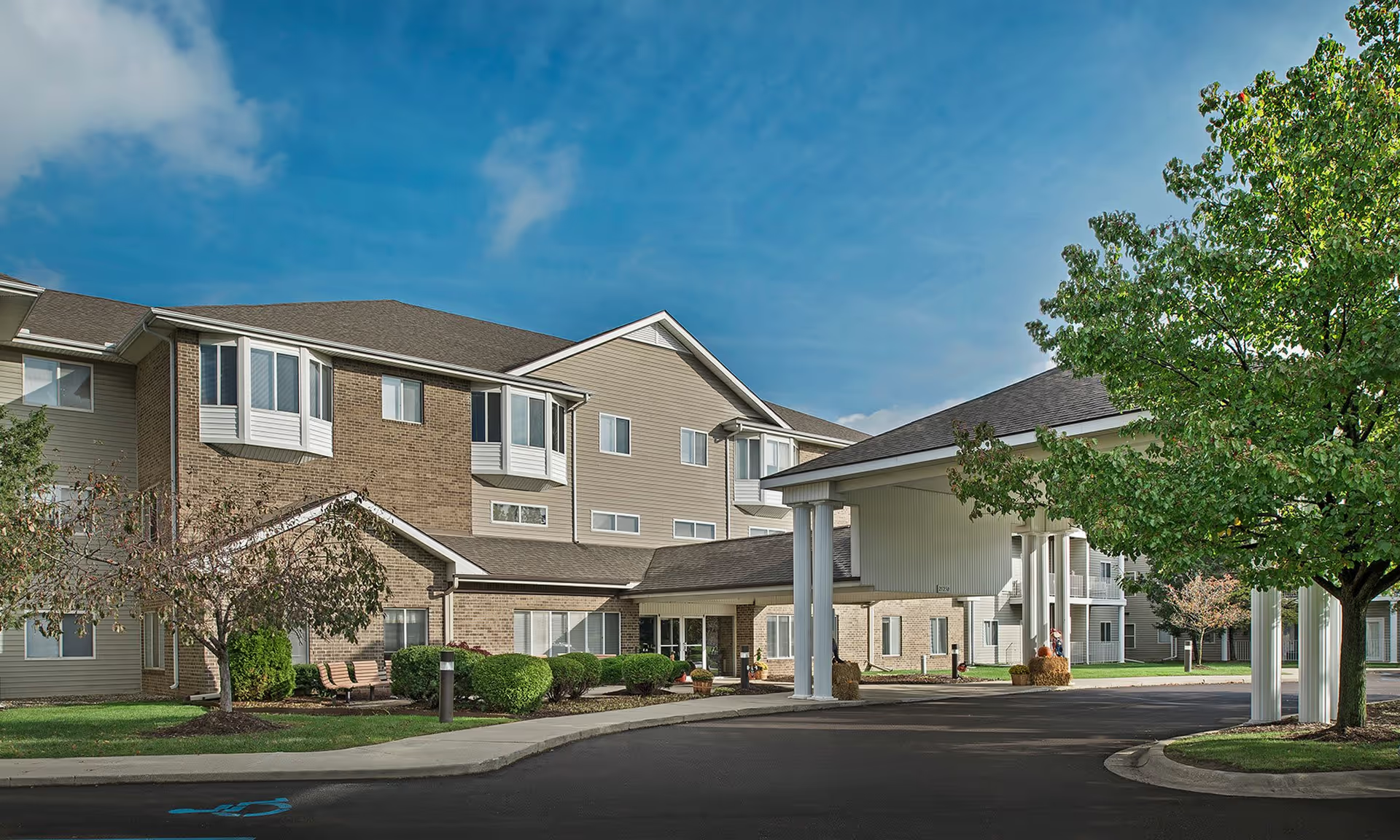
Facility condition and maintenance emerge as an important area for inquiry. The physical plant is described as aging and, in places, crowded; reviewers note small hallways, dated equipment, and a perceived backlog of repairs. Conversely, some reports indicate timely maintenance responses and ongoing renovations. Management and communication also show mixed patterns: some families describe accessible administrators, effective social work and MDS coordination, and clear documentation, while others describe inconsistent follow‑through, poor communication, and restrictive visitation enforcement. A minority of reviews include serious allegations of staff misconduct and concerns following a resident's death; these claims are significant and would merit direct inquiry with the provider and appropriate oversight agencies.
Notable patterns for prospective residents and families: inquire about staffing ratios for the specific unit and shifts you expect your loved one to occupy, ask about current infection‑control and pest‑control measures, verify linen and laundry turnaround times, and request documentation of therapy goals and typical short‑term outcomes. A personal visit during multiple shift periods is advisable given the variability in experiences. The facility's CMS composite score of 3/5 aligns with this mixed picture — indicating an average statewide rating with both identifiable strengths and clear areas needing improvement.