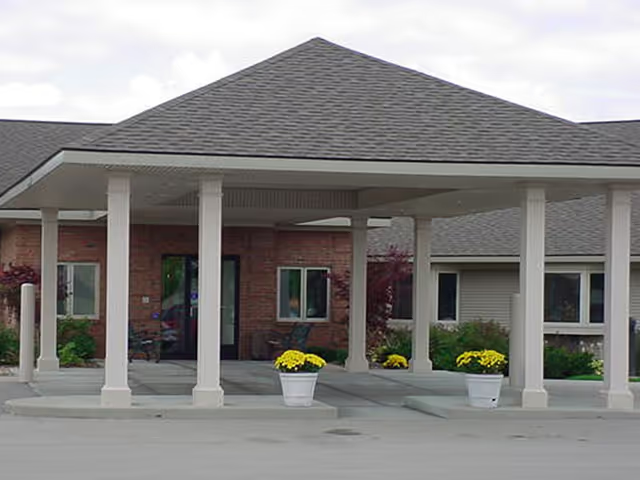
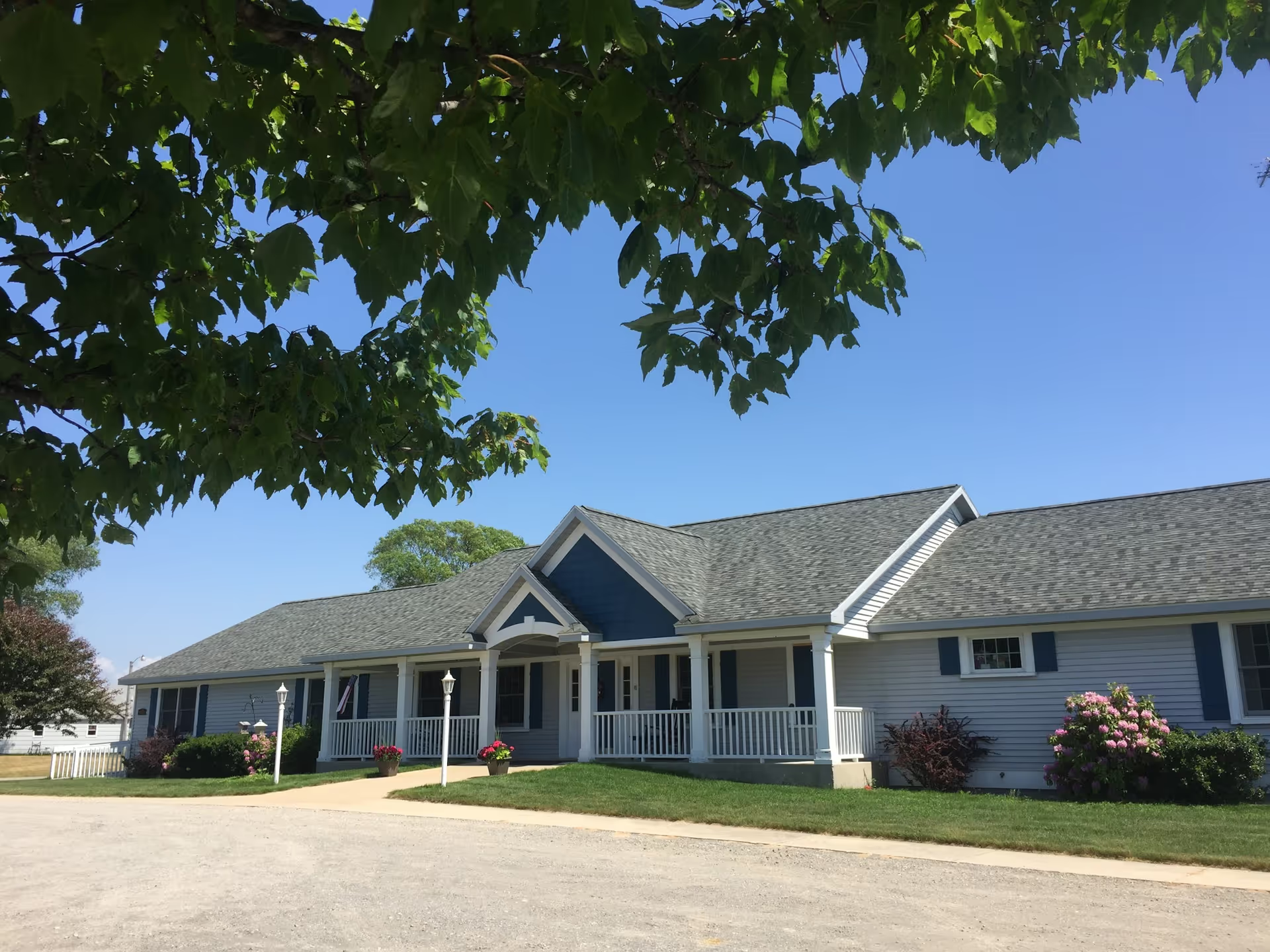
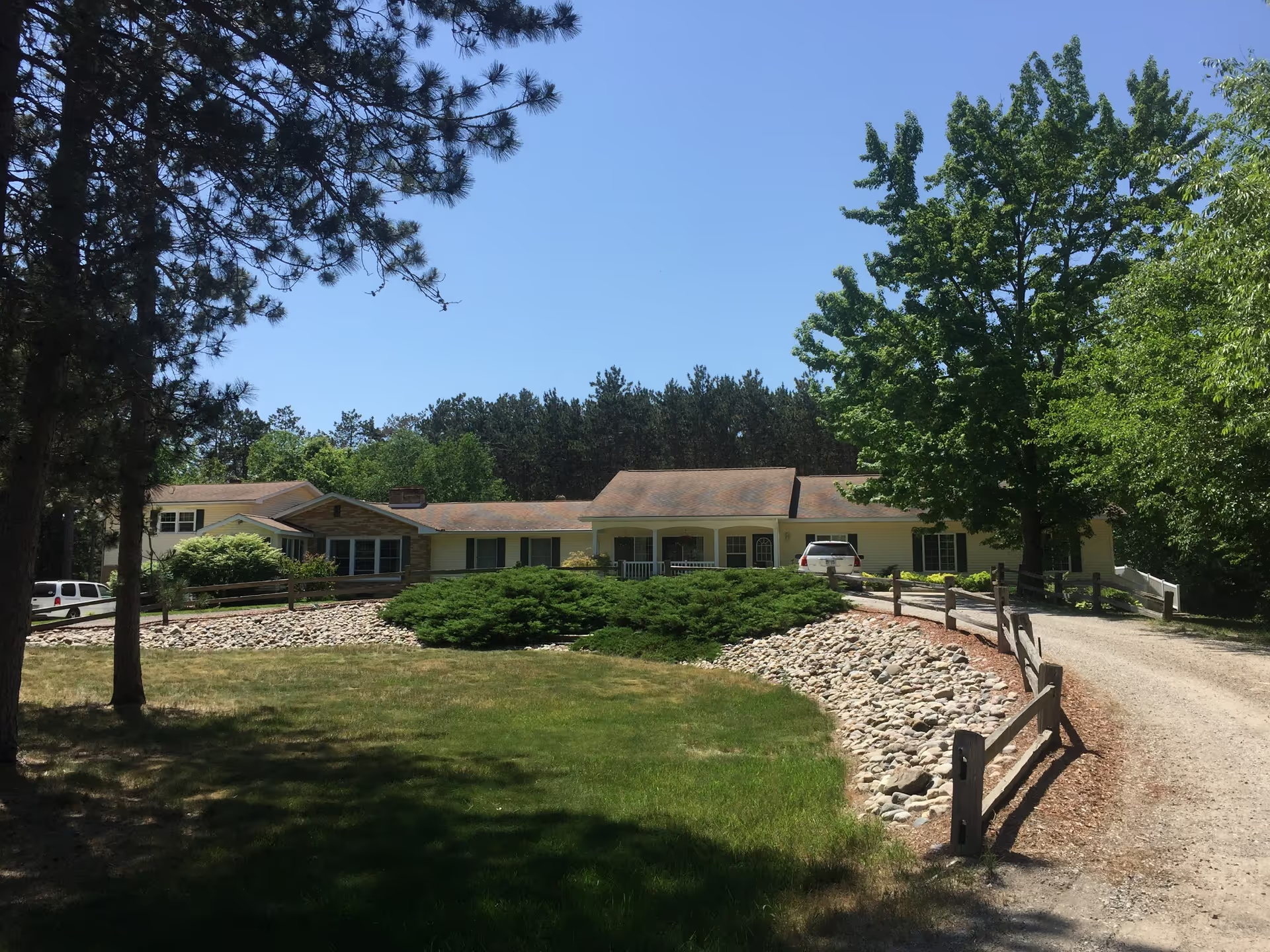
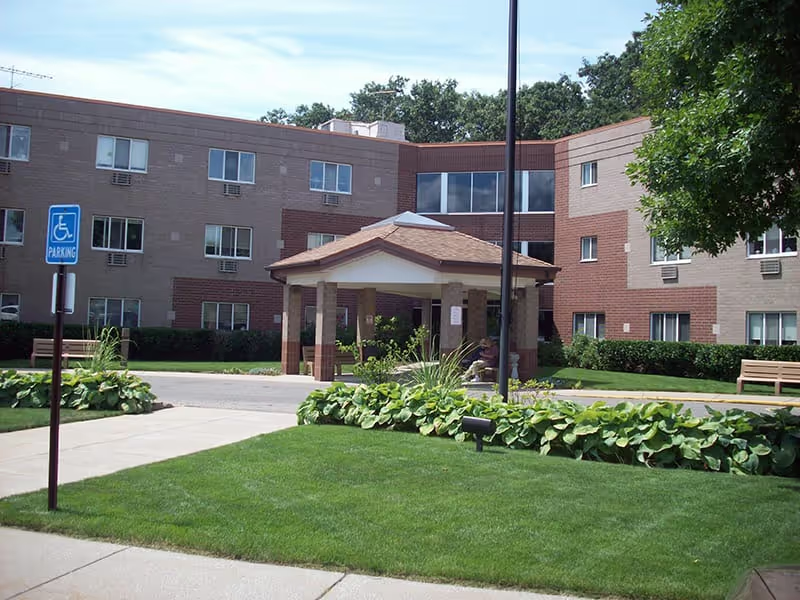
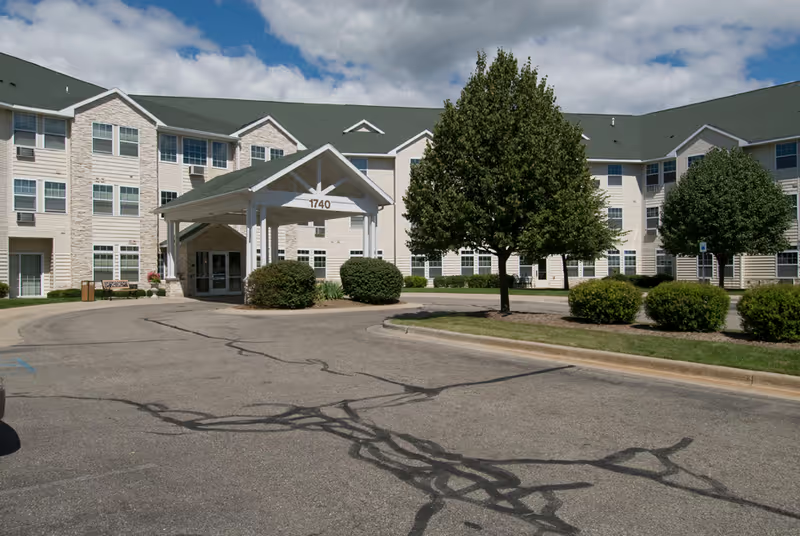
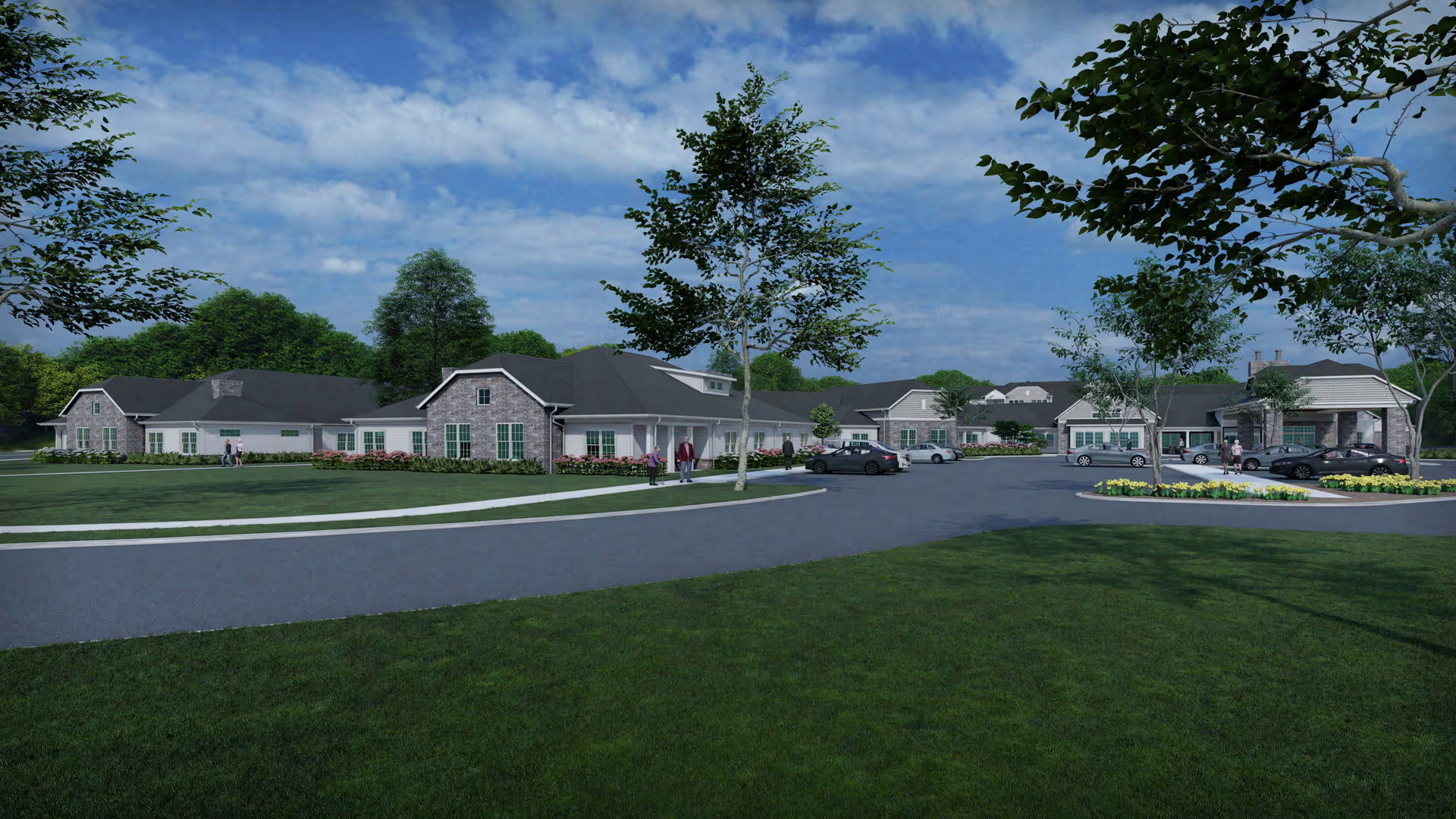
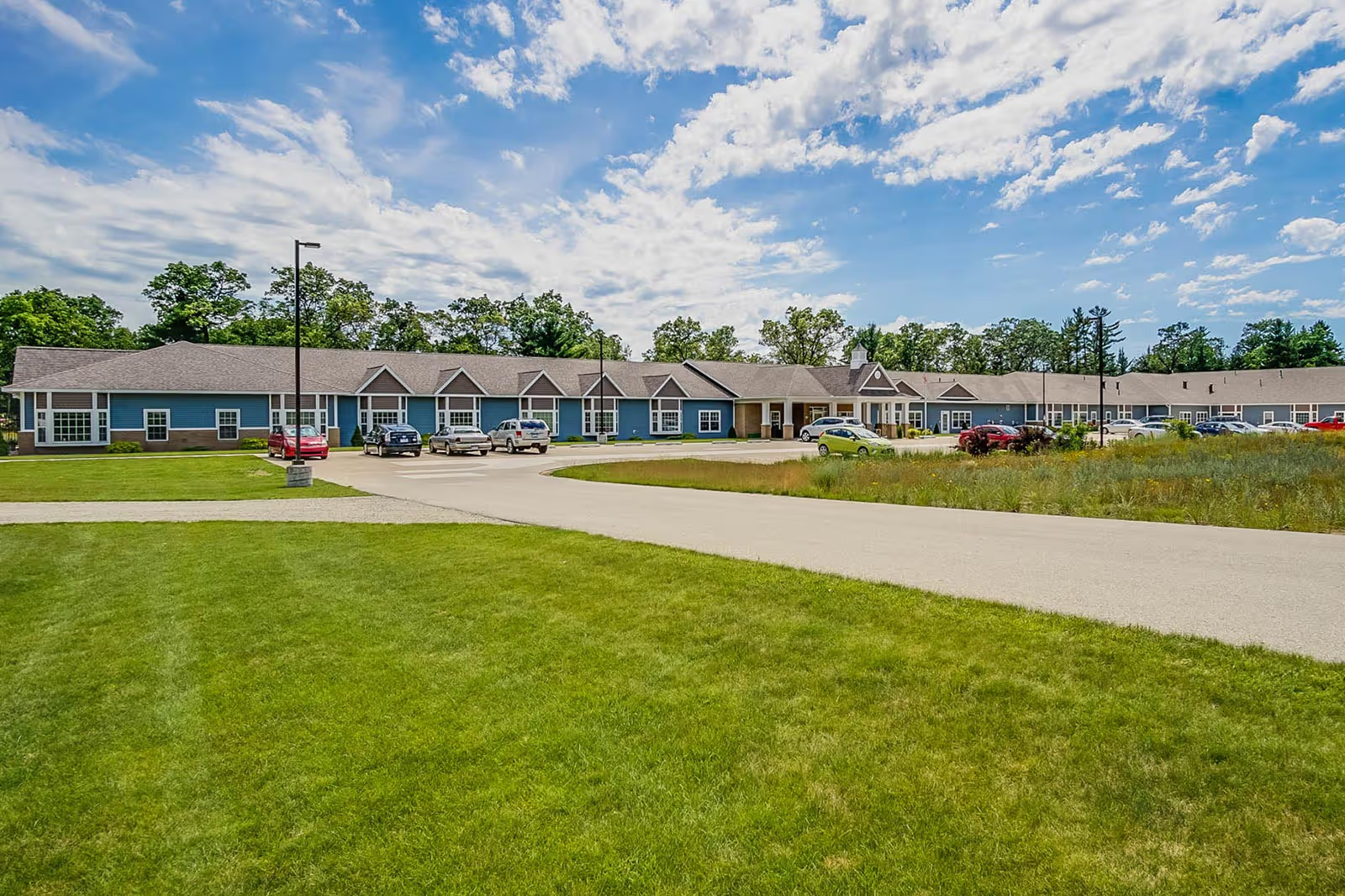
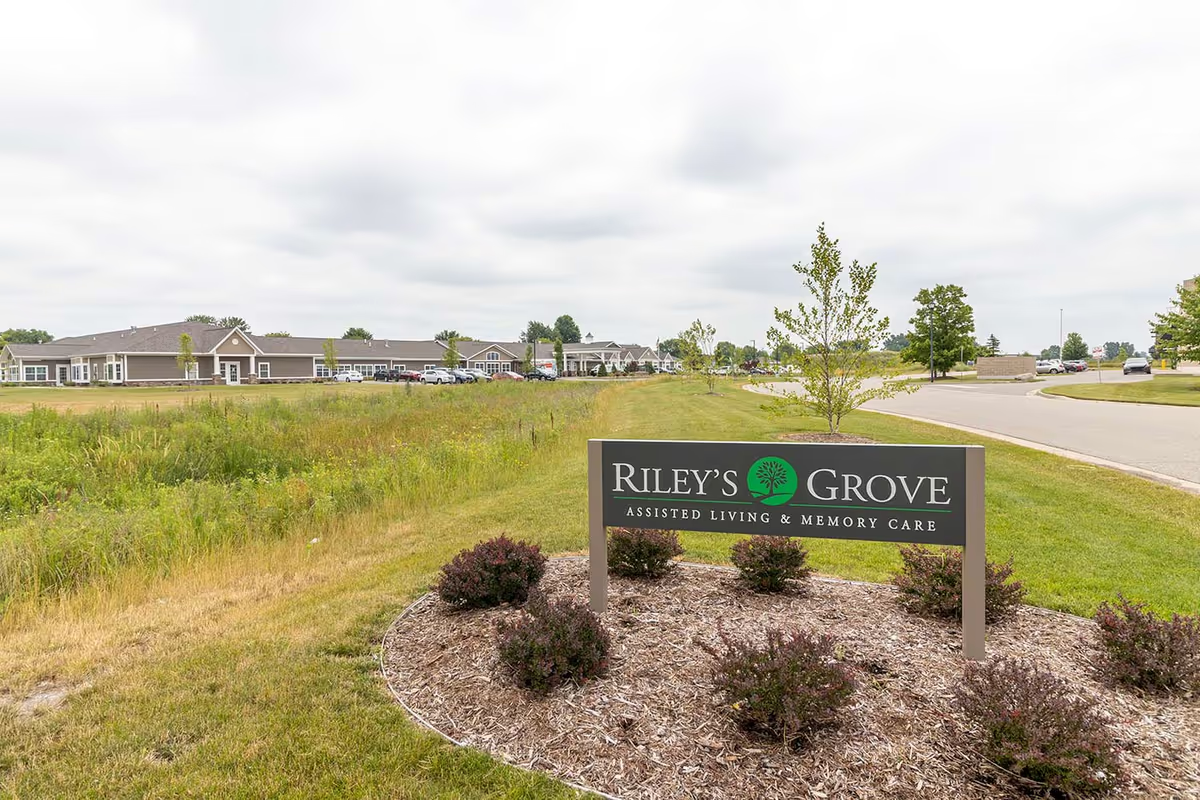
Reviews for this community present a mixed picture, with clear strengths in the physical environment and examples of very strong frontline caregiving, contrasted with recurring operational concerns. Many families and residents praise the campus: apartments are described as spacious and well-equipped (kitchenettes and full appliances), buildings and grounds are kept attractive, and common-area amenities such as a pool, library, movie room, beauty/barber shop and outdoor patios contribute to a park-like, homey feel. The campus layout — smaller, lower-density buildings and some single-level designs — is often seen as easier to navigate and conducive to a quieter community atmosphere. Several reviewers also highlight positive, personable interactions with direct-care staff and named employees, and some accounts note strong nursing and administrative leadership where present.
Care-quality perceptions vary. Positive accounts describe attentive, compassionate caregivers, prompt leadership intervention, and families who felt their loved ones were safe and well supported. However, a substantial pattern in other reviews points to chronic understaffing and high turnover, which reviewers link to gaps in basic services: delayed medication administration, inconsistent housekeeping in private units, and slow responses to call-bells. Memory-care families expressed particular concern about staff training and behavioral-support capabilities; while the memory-care neighborhood is secured and separate, some reviews indicate that front-line staff lack sufficient training or incentives to manage complex needs reliably.
Dining and activities show similar variability. Several reviewers praise the dining room, chef-led menus, and an energetic recreation program that offers crafts, outings, exercise, and trips. At the same time, other families describe limited meal variety at times and meal-service cutbacks, and note that activity coverage can be sporadic—especially during staff absences or leaves. Transportation and scheduled outings are available and appreciated, but prospective residents should confirm continuity of programming and backup staffing for activities.
Management and operational stability are recurring themes. Multiple reviewers perceive a decline in service quality following an ownership or management transition, citing staffing reductions, kitchen cutbacks, communication shortfalls, and billing or rent increases. Positive reviewers emphasize clear, helpful communication and accommodating staff; critical reviewers describe poor follow-through and limited management responsiveness. Given these divergent experiences, notable patterns are the correlation many families draw between staffing stability and care consistency, and the need for family advocacy in certain cases to ensure timely services.
What this means for prospective residents and families: the community offers strong physical amenities, comfortable apartment options, and examples of highly committed staff. At the same time, operational weaknesses—staffing instability, uneven housekeeping and meal consistency, medication-timing issues, and mixed management responsiveness—have been reported enough times to warrant targeted questions during a visit. Recommended inquiries include current staffing ratios and turnover, medication-administration protocols and nursing coverage, housekeeping schedules, sample menus and meal service practices, activity staffing/backups, and recent billing or rate-change history. These focused checks can help determine whether the facility’s current operational status aligns with a prospective resident’s care and lifestyle needs.