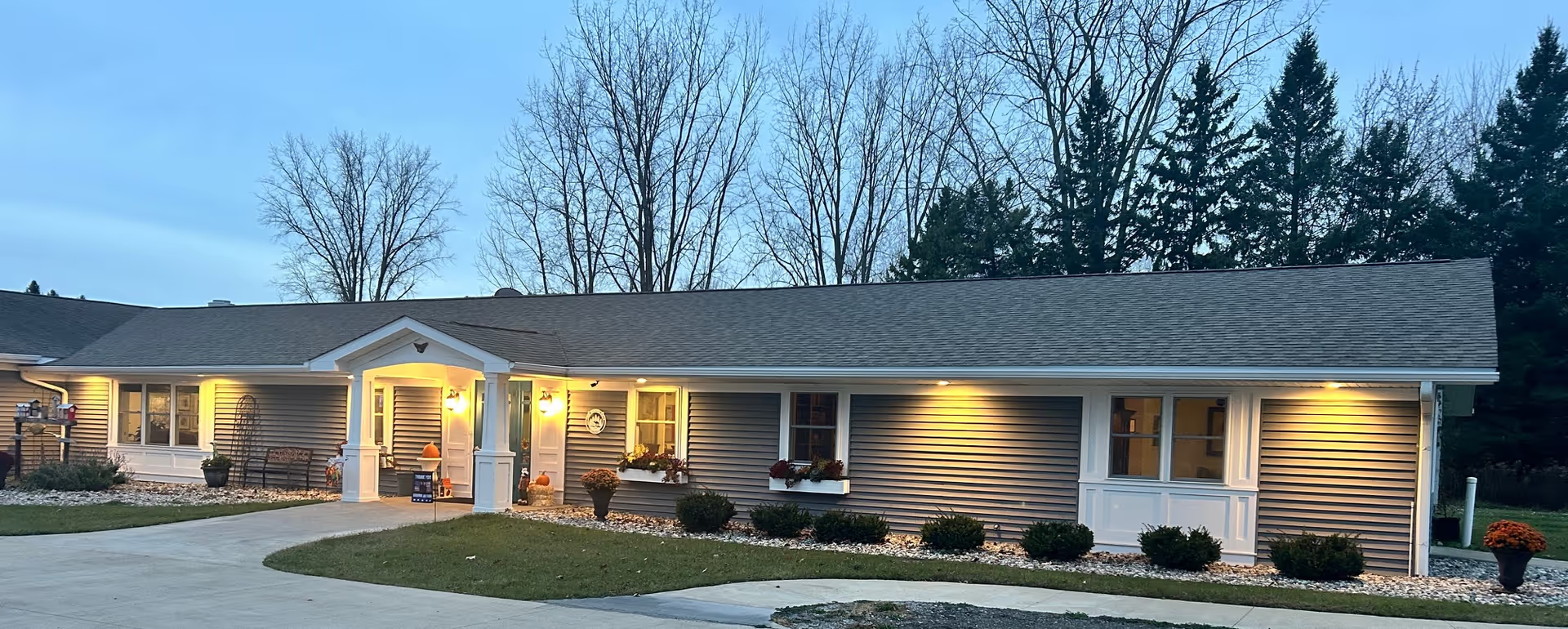
Reviews of Schnepp Senior Care & Rehab Center present a mixed picture in which the rehabilitation program is a consistent strength while several operational and clinical processes raise concerns. The therapy department — particularly physical and occupational therapy — is repeatedly described as effective, focused on functional recovery, and staffed by skilled clinicians who are a key reason families recommend the facility for short-term rehab stays. Individual staff members are also praised for compassionate, friendly, and professional interactions, and several accounts highlight effective advocacy that led to improved resident safety.
Contrasting with the positive view of therapy, there are recurring issues with nursing-level care and facility operations. Reviewers describe long delays responding to call lights and requests for assistance, staffing shortages that affect timeliness of care, and inconsistent conduct among direct-care staff. Several accounts reference medication-management problems, including changes or administration that did not follow outside specialist orders or explicit consent processes. Communication breakdowns between clinical staff and families — including delayed notification of significant clinical events — are reported, and there are operational gaps in handling discharge items and resident belongings.
Dining and room environment feedback is mixed. Some stays include praise for prepared meals and a clean, attractive interior; others note a decline in meal quality over time, cold or small portions, and concerns about beverage quality. Maintenance issues such as an overactive or overly cold vent in a specific room and occasional door-access delays were also described, indicating variability in environmental comfort and responsiveness to maintenance requests.
Safety- and process-related patterns appear important to note: reviewers described instances that suggest weaknesses in escalation and emergency communication protocols, delays during transitions and supervised movement of residents, and procedural inconsistencies during personal care that could affect clinical devices or wound/port safety. These are reported alongside allegations or concerns about regulatory compliance in some accounts. While some individual staff members and departments demonstrate strong practices and responsiveness, the overall pattern points to uneven implementation of clinical policies and operational oversight.
For prospective residents and families, the facility may be an attractive option for focused rehabilitation because of its strong therapy resources and several caring staff members. However, families should proactively assess current staffing levels and shift coverage, ask about medication-management and informed-consent procedures, inquire how the facility manages call-response times and emergency escalation, and review discharge/property processes. Verifying how the facility addresses HVAC/maintenance issues and monitors food-service consistency may help set expectations for long-term stays. Overall, the center shows notable strengths in rehabilitation and in pockets of compassionate care, but persistent operational and communication weaknesses warrant careful inquiry before placement.