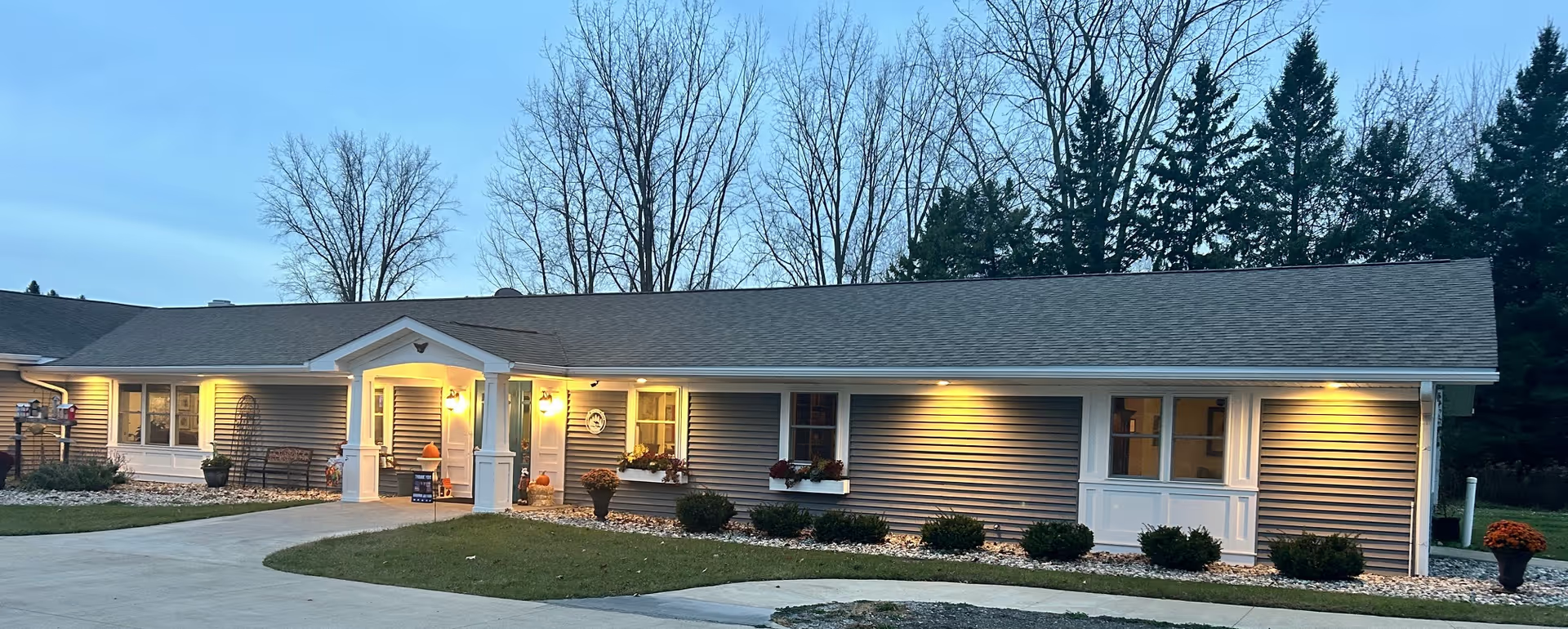
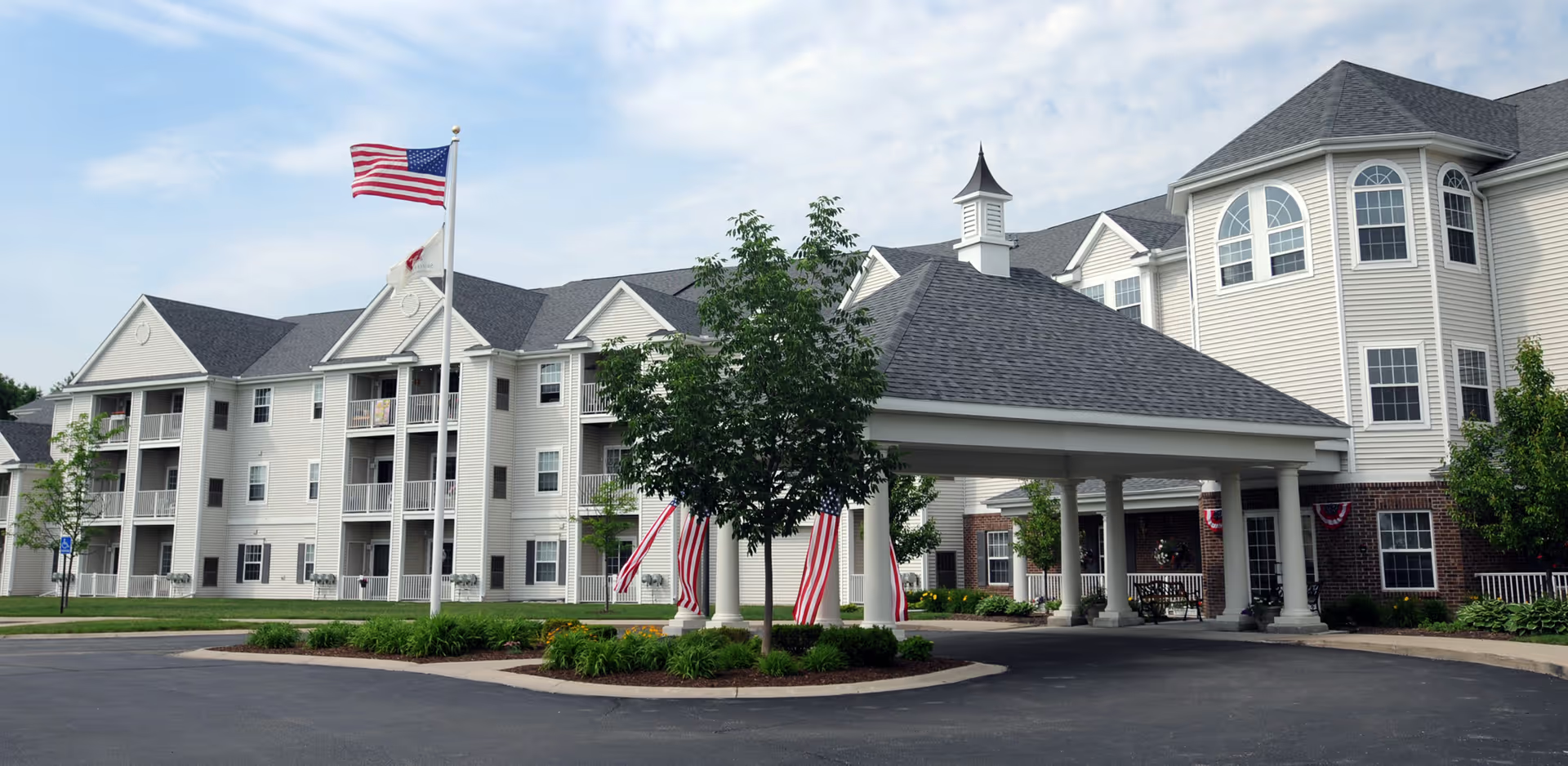
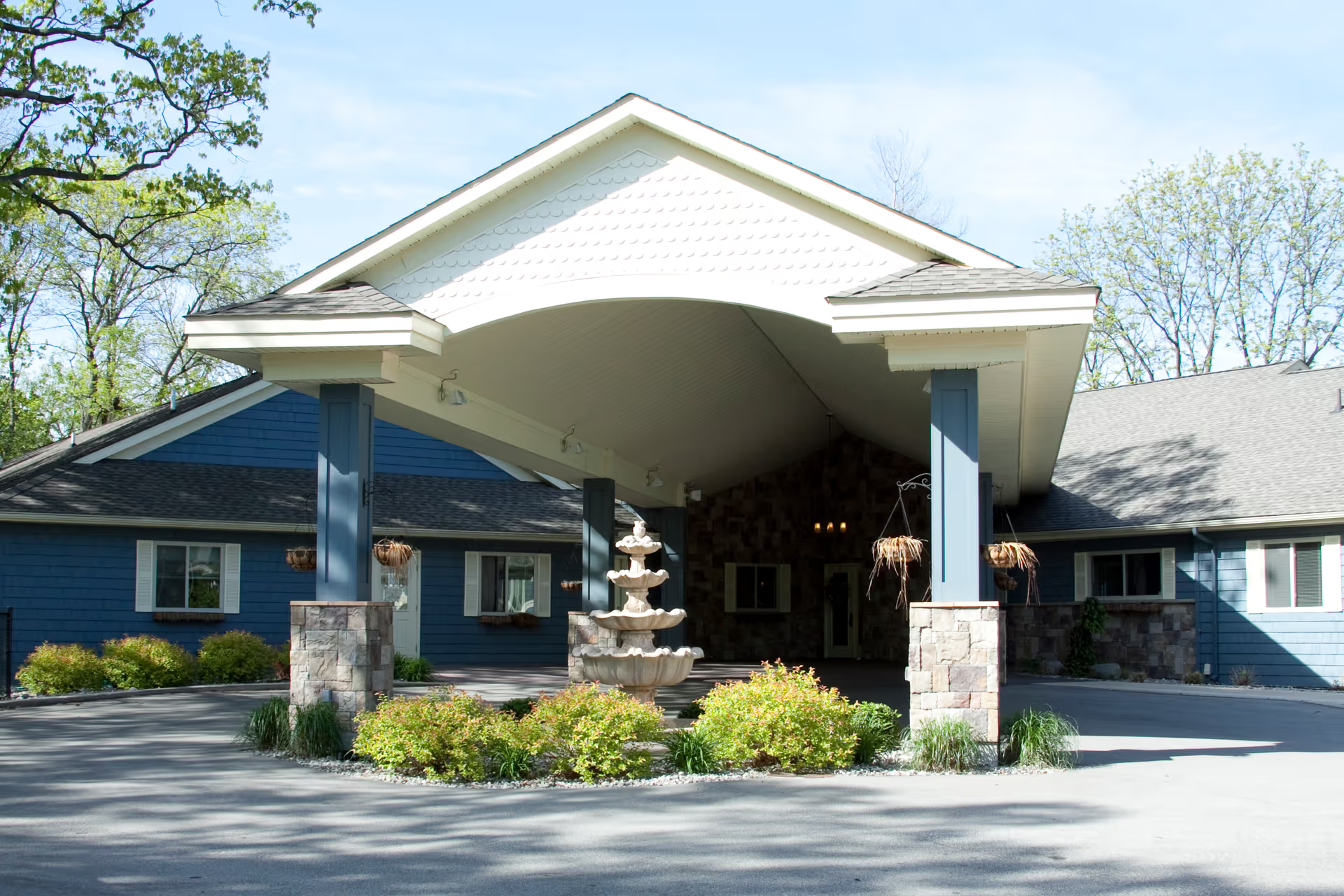
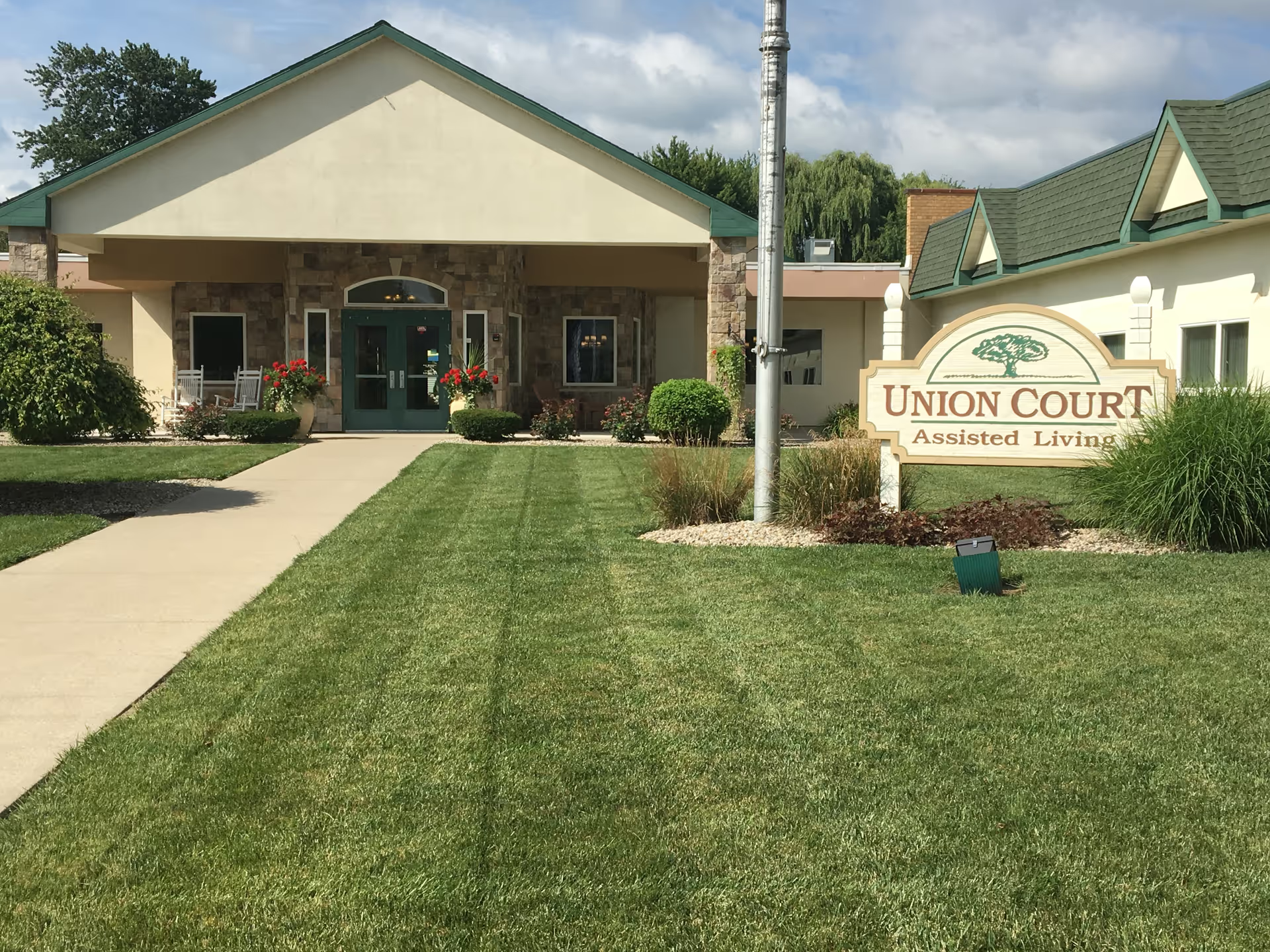
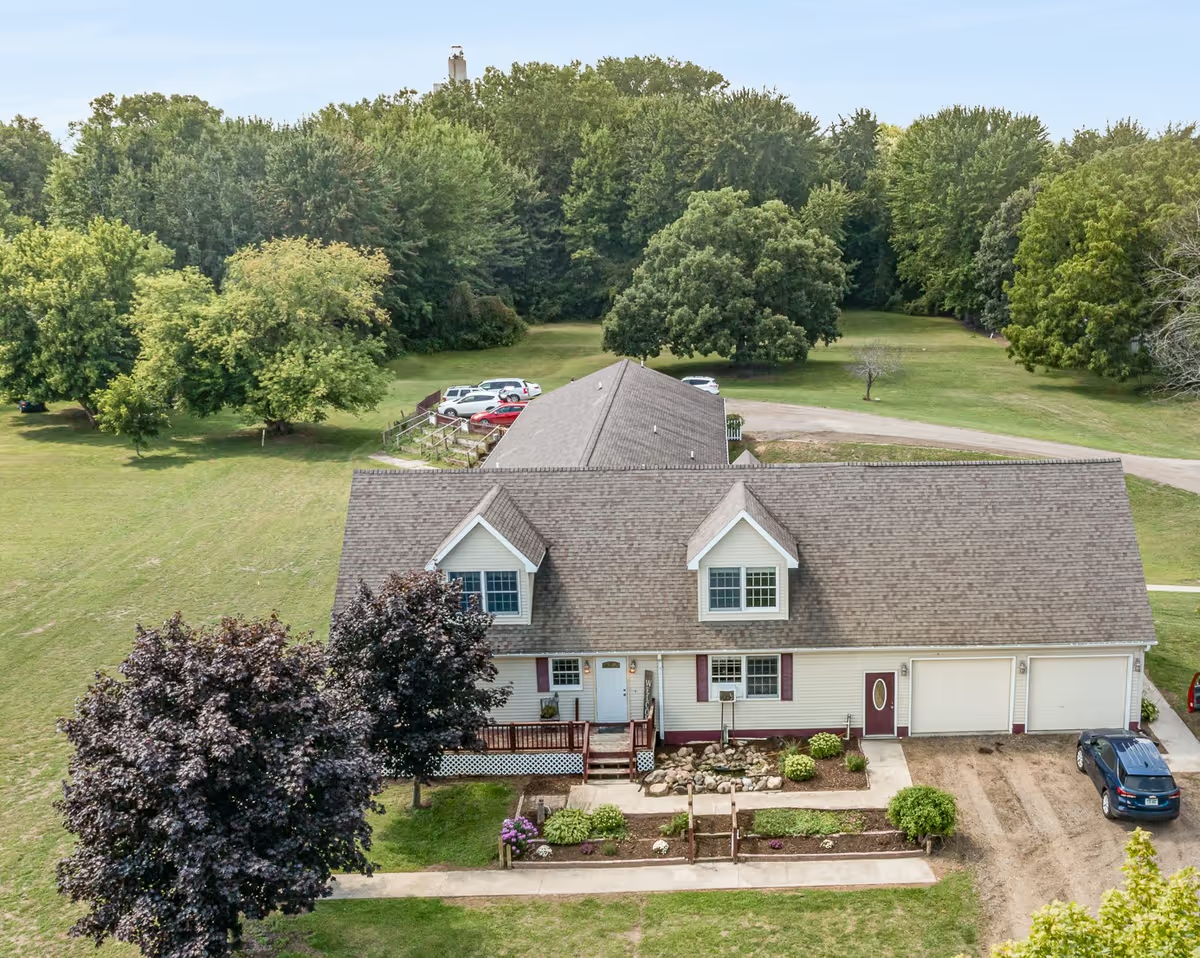
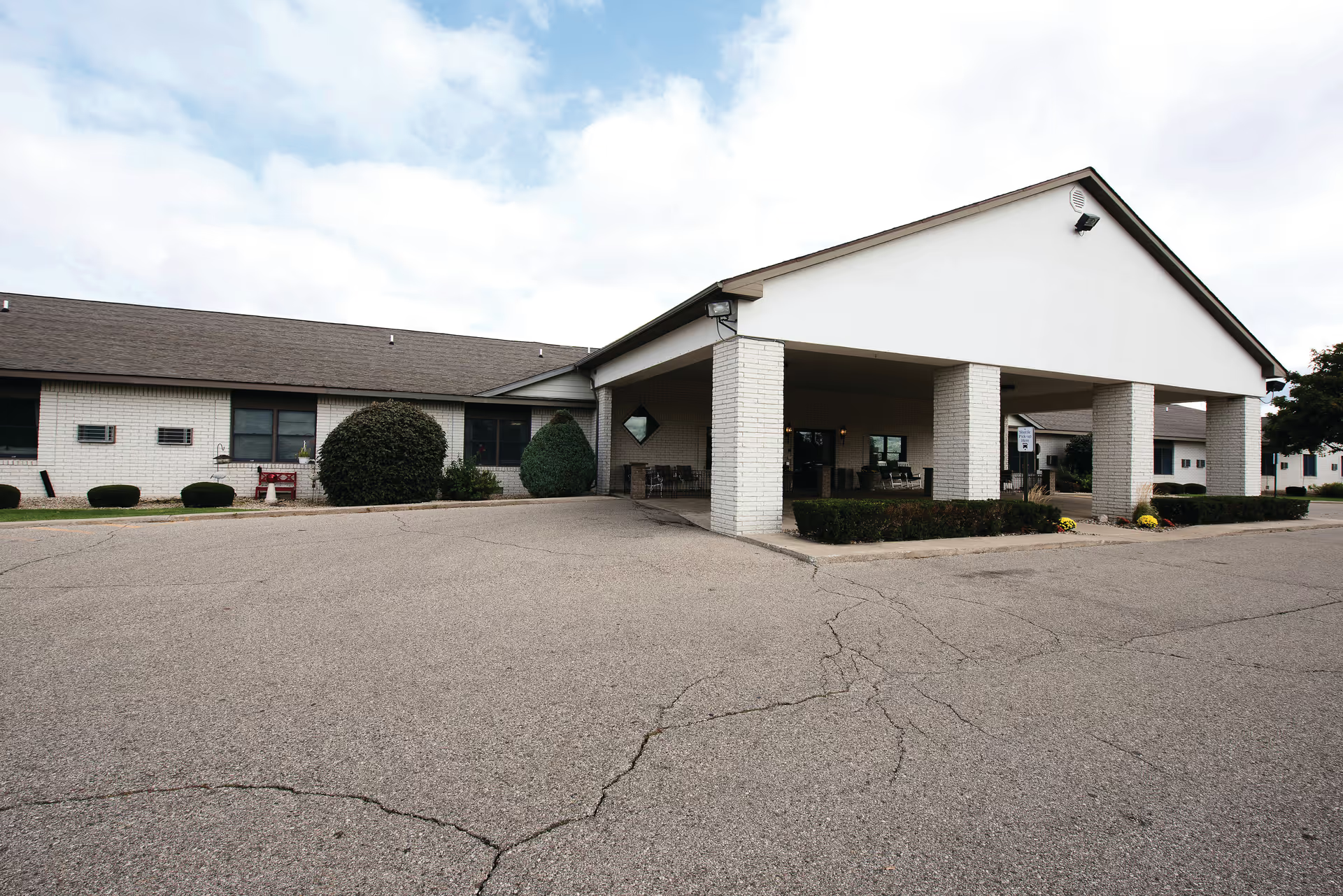
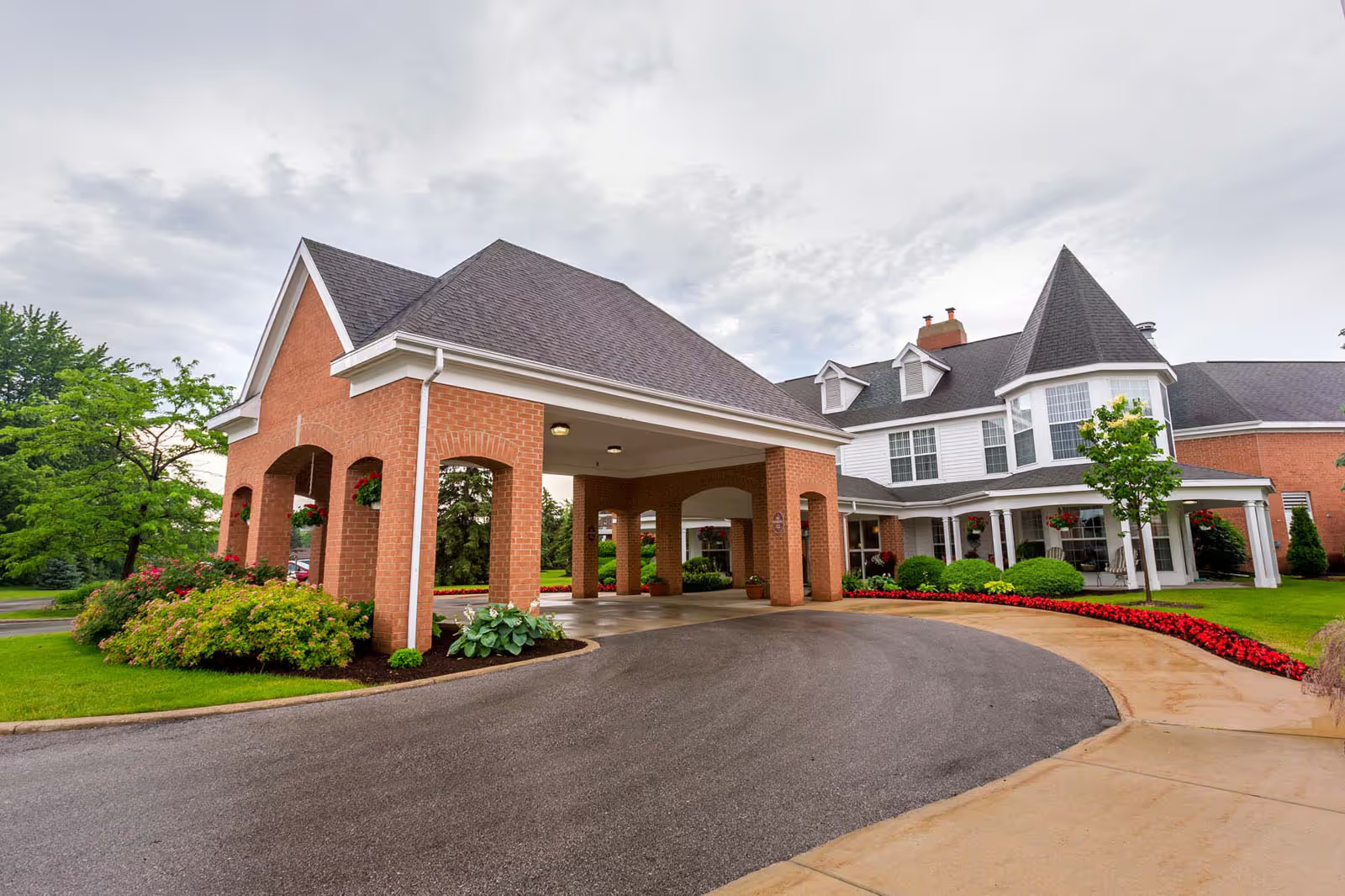
Pine Haven Senior Assisted Living is described consistently as a small, home-like setting with a strong emphasis on personalized, family-style care. Reviewers emphasize compassionate, attentive staff and active owner involvement that create a sense of trust and familiarity; several accounts characterize staff as treating residents like family and cite examples of above-and-beyond attention during move-in and rehabilitation. Regular in-person check-ins, an electronic monitoring system, and on-site provider access are noted features that support ongoing oversight and basic medical needs.
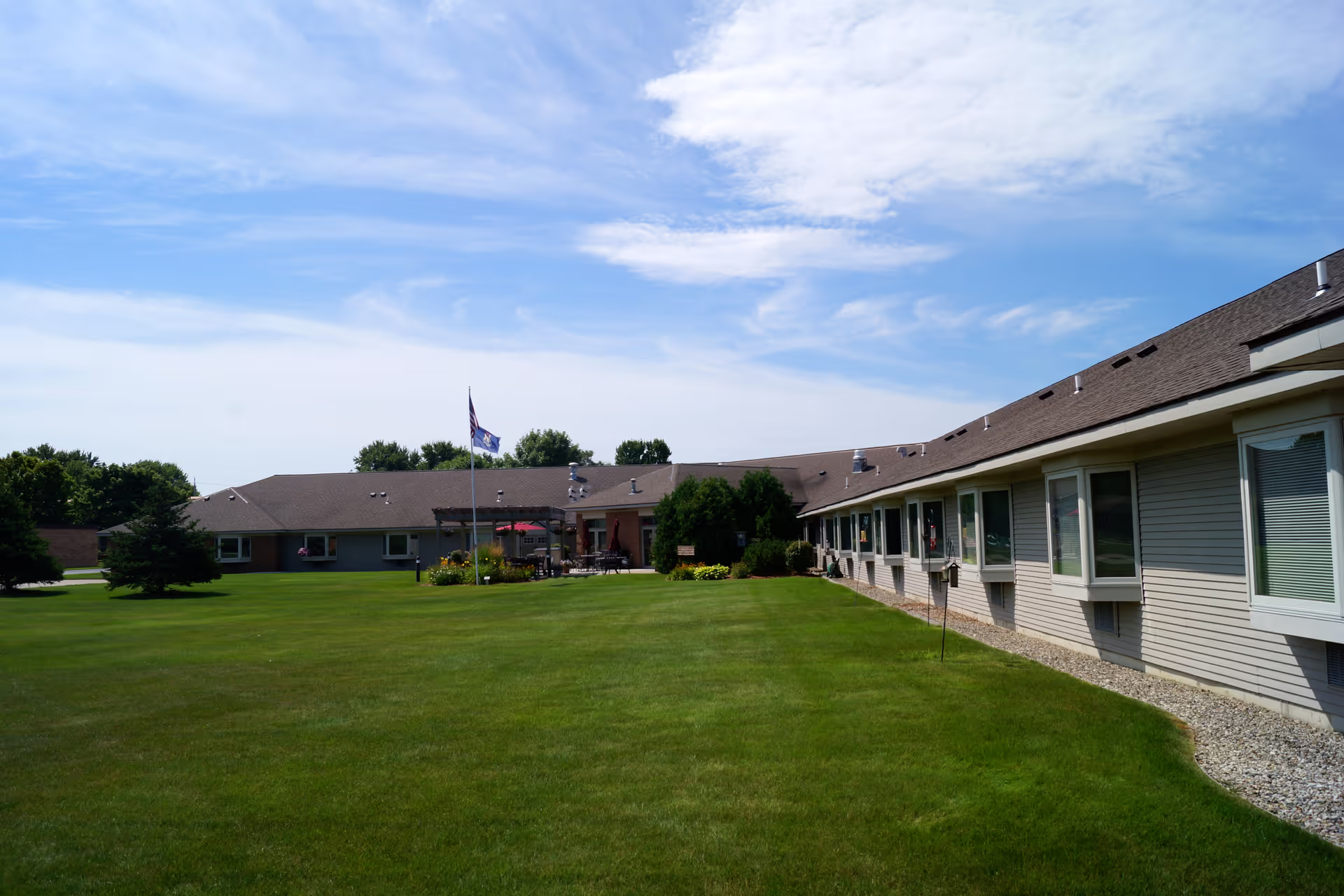
The facility’s scale and atmosphere contribute to a homelike experience: reviewers note homemade meals, a weekly beautician, a variety of activities (bingo, crafts, outings, hair day), and communal spaces such as a porch and small library. Cleanliness and odor-free conditions are repeatedly mentioned, along with a serene property setting. The presence of animals — alpacas, chickens, and resident cats — is reported as a positive for many families and residents, adding to the sense of a warm, domestic environment and opportunities for engagement.
From an operational perspective, Pine Haven’s small size is both a strength and a limitation. The limited bed capacity and boutique model support individualized attention but may not be appropriate for residents who require high-acuity, specialized medical care or extensive clinical services. Review language suggests strong informal coordination of care and owner-led oversight; however, that model can create variability if key staff or the owner are less available. Families seeking comprehensive institutional-level clinical services should assess whether on-site provider availability and formal clinical protocols meet their relative’s needs.
Notable patterns to consider: the facility scores highly for emotional and social support, rehabilitation assistance, and family access, which translate into positive family trust and satisfaction for long-term placement. Conversely, prospective residents and families should evaluate operational limits related to capacity, allergy or visitation considerations tied to on-site animals, and the degree of documented clinical policies for complex care transitions. A small number of reviews referenced negative sentiment associated with a resident’s death; families should ask the facility about end-of-life communication processes and bereavement support to understand how such situations are managed.
Overall, Pine Haven appears well-suited to residents who prioritize a homelike atmosphere, close staff relationships, engaging daily activities, and a small-community setting. Prospective families should balance those strengths against the facility’s limited scale and clarify clinical capabilities and contingency plans for higher-acuity needs before placement.