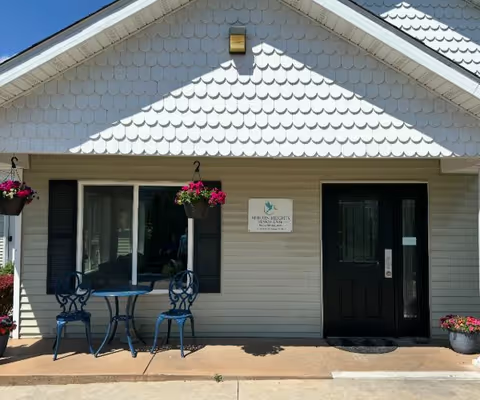
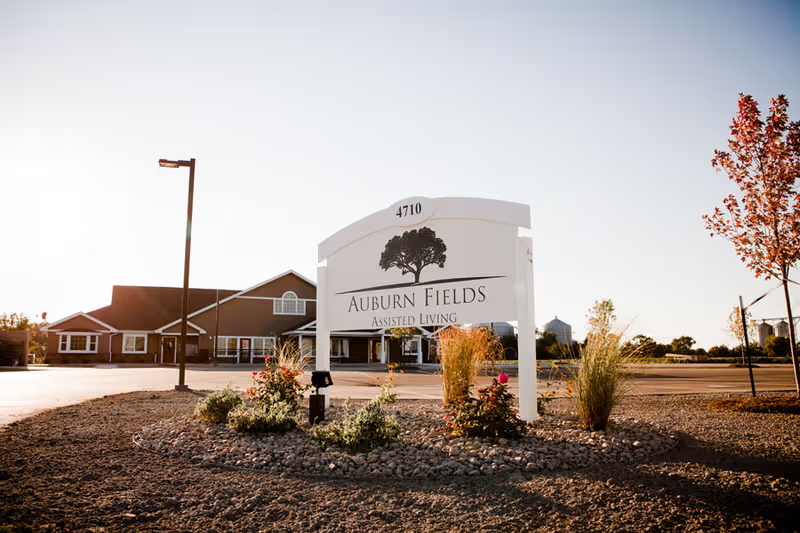
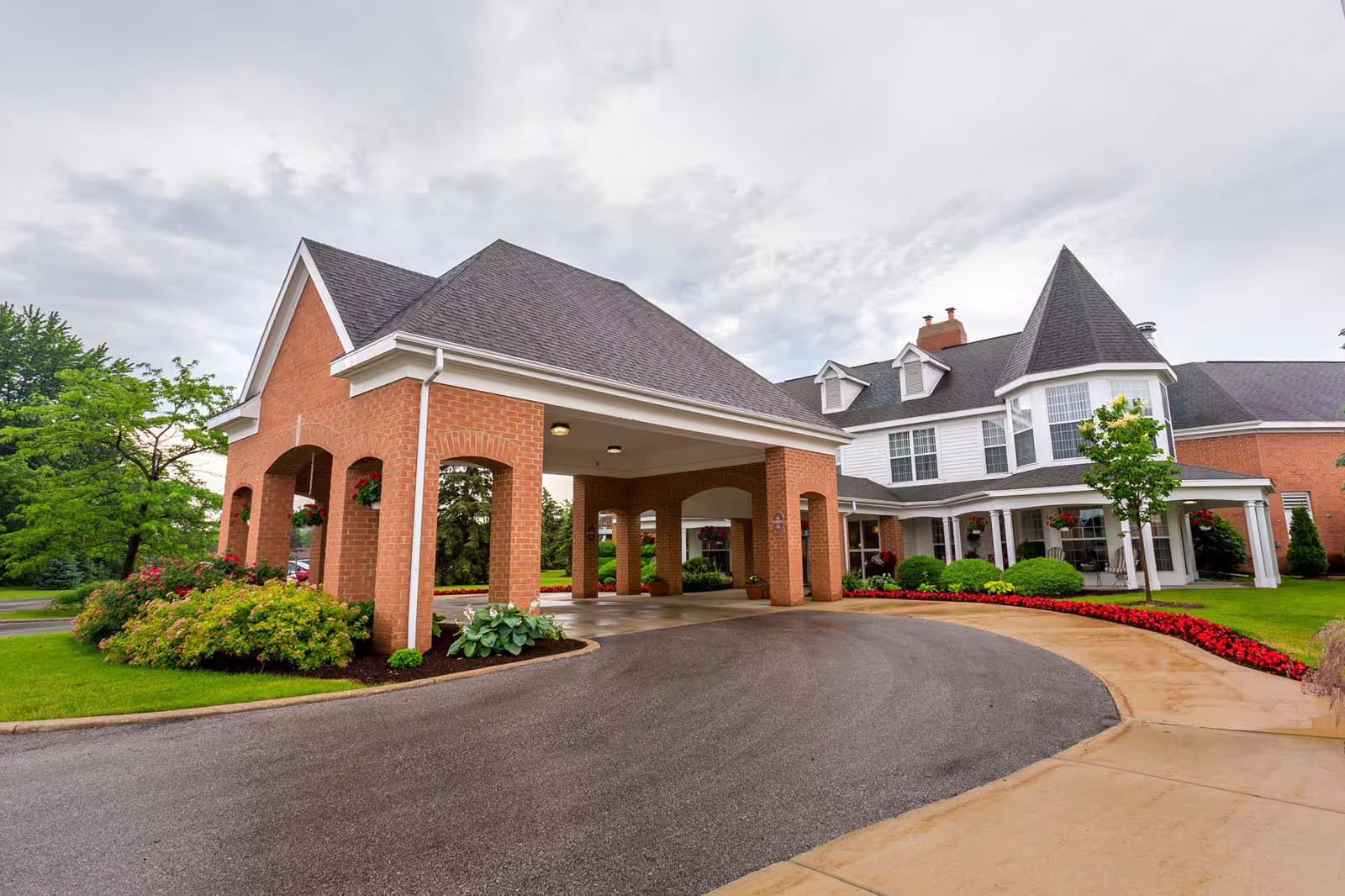
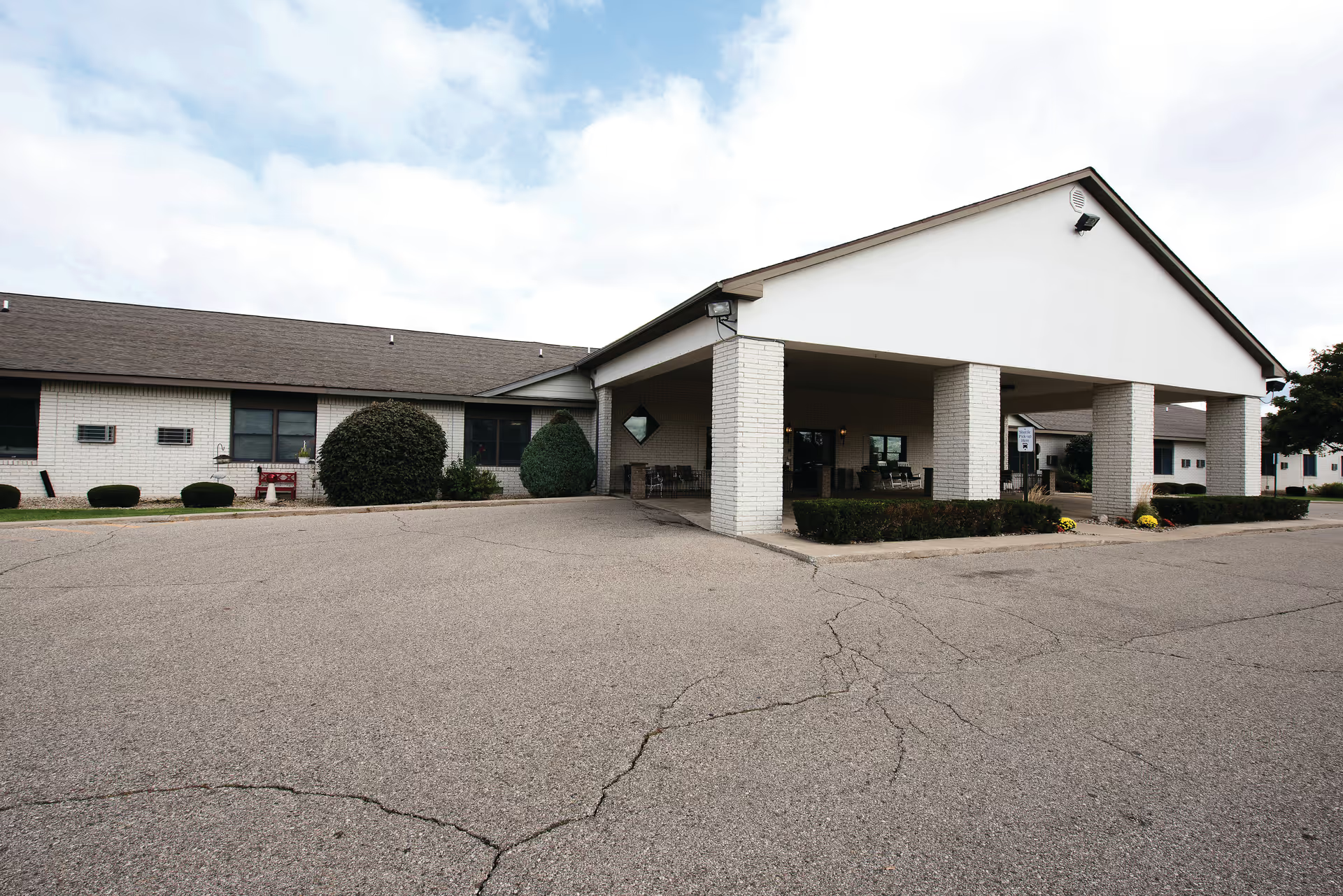
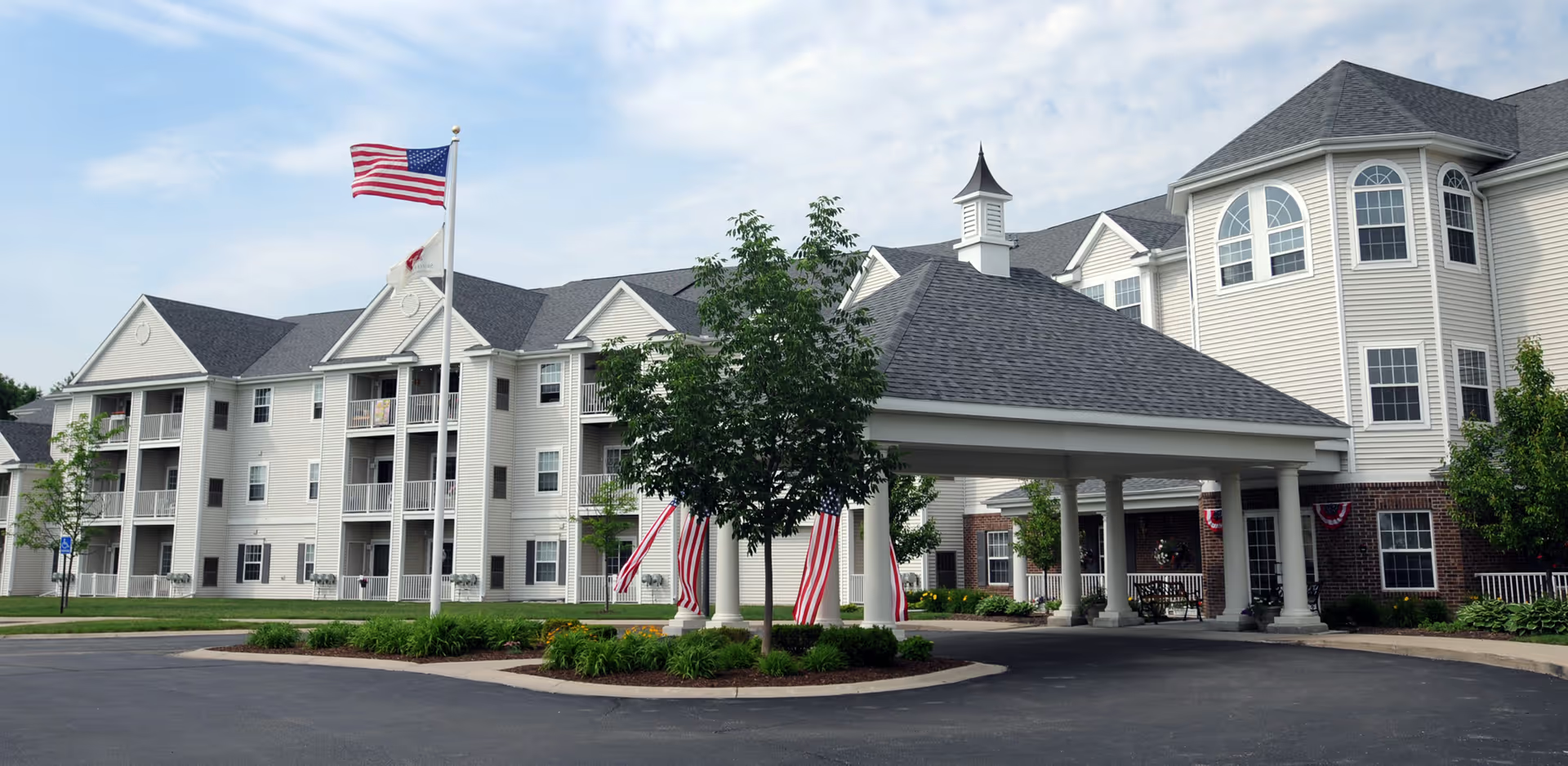
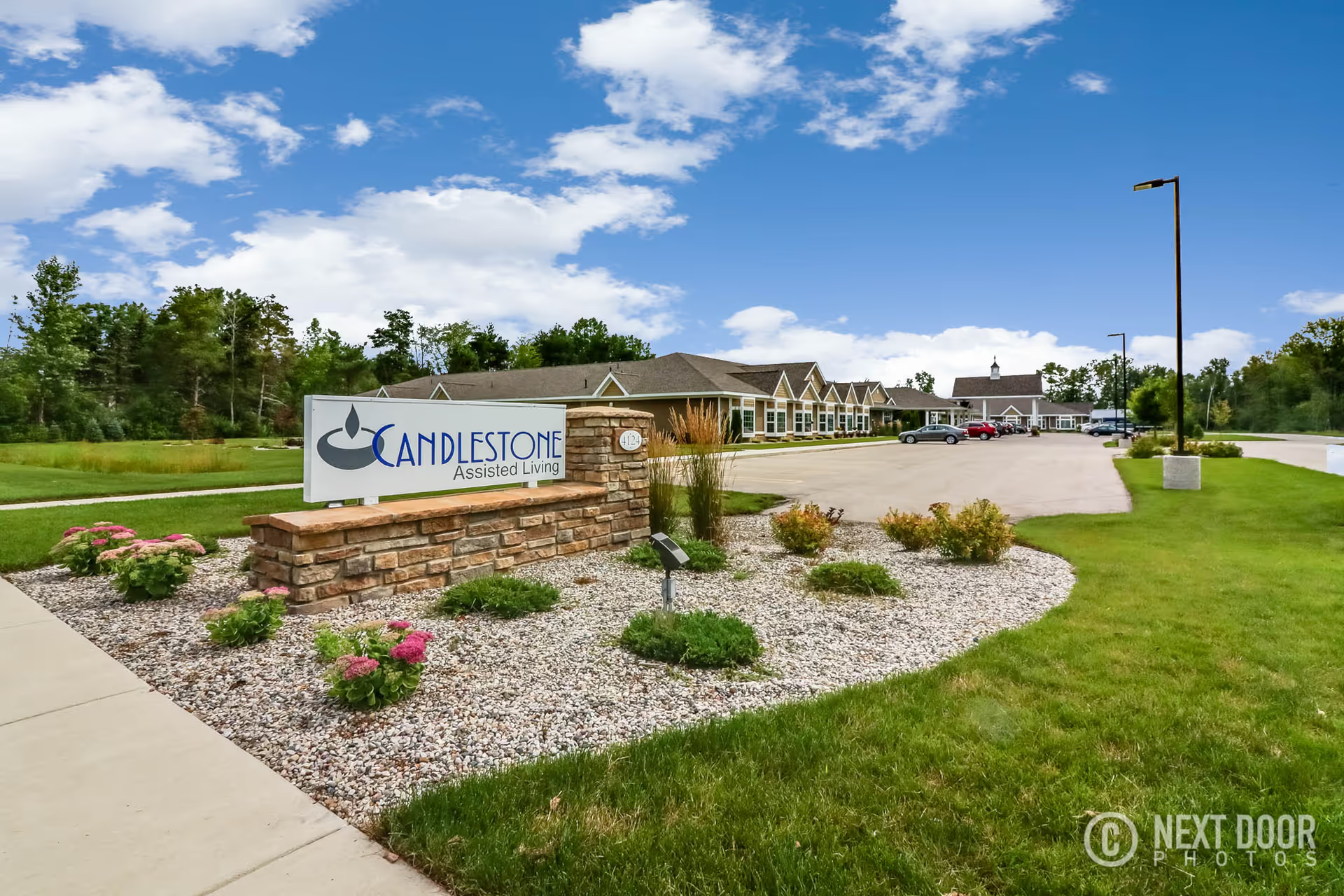
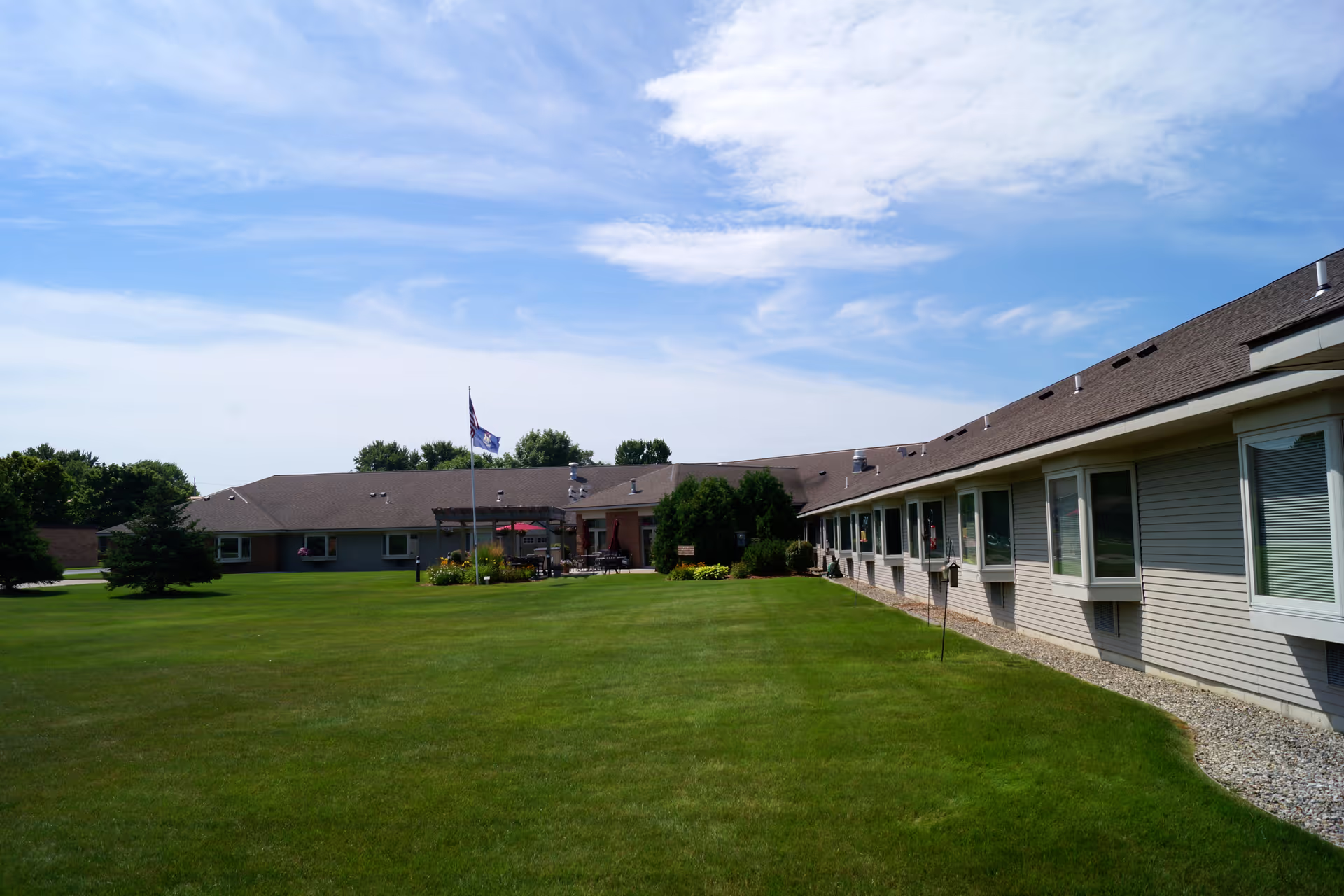
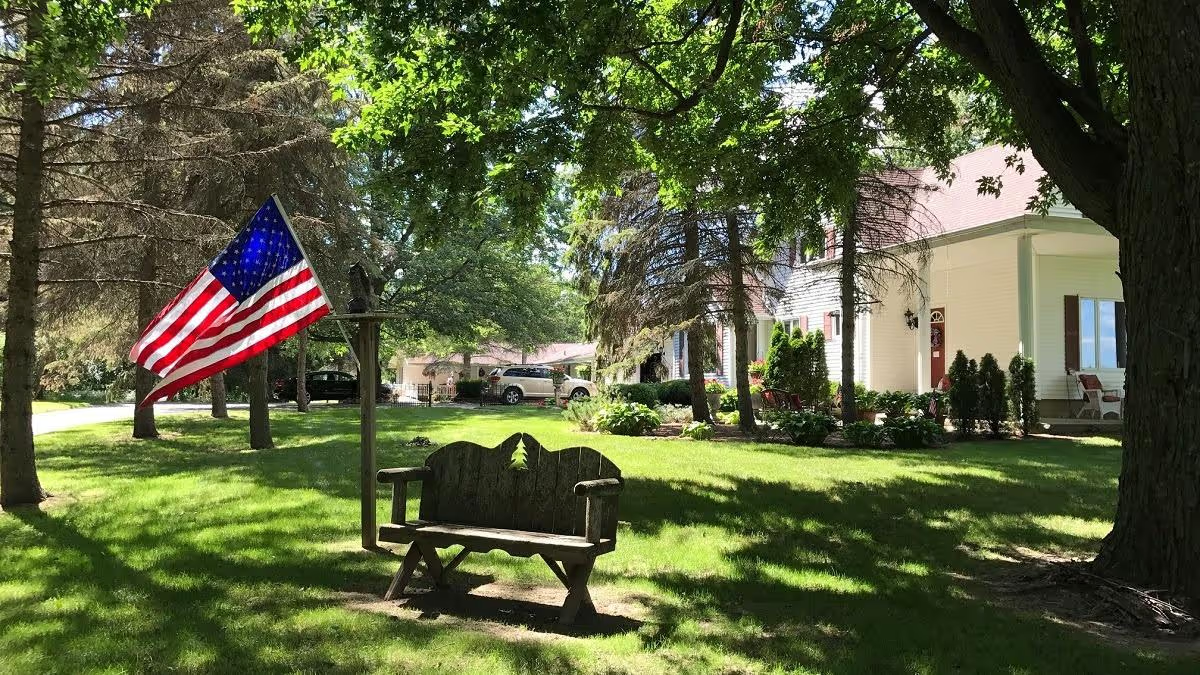
Stone Crest presents a mixed profile: many families highlight a warm, home-like environment with attentive caregiving and a well-decorated campus in a desirable river-side location. Reviewers frequently praise individual staff members, long-tenure caregivers on some shifts, access to physicians, private rooms with en-suite bathrooms, and a visitor-friendly layout. The community offers an on-site kitchen, organized activities (including church services and seasonal events), and acceptance of Medicaid; several accounts specifically note staff who go beyond routine duties and provide support around end-of-life arrangements.
Care quality descriptions are varied. Positive accounts emphasize compassionate, consistent attention and competent clinical oversight on certain shifts. At the same time, there are substantive operational concerns that families should evaluate: inconsistent staffing levels and some inexperienced aides contribute to delays in attending to residents and uneven care continuity. Reviewers raise questions about clinical training, supervision, and boundaries of staff responsibilities; there are also noted issues with medication-management practices that prospective families should clarify with administrators.
Dining and nutrition show contradictory impressions. Some residents and families report nutritious, appealing meals prepared on-site and an accommodating kitchen, while others describe microwaved or inconsistent meal preparation and unexplained weight loss in individual residents. These patterns suggest variability in food-service execution and continuity that should be explored during a tour and through discussions of menu planning, staffing in the dining room, and monitoring of resident intake.
Activities and community life are a clear strength for many: organized programs, visits for families, religious services, and community meals contribute to social engagement. The physical plant and décor receive positive comments, but maintenance issues are also cited — including delayed repairs and sanitation or pest-control concerns in certain areas. Prospective residents should inspect rooms and common areas and ask about routine maintenance schedules and pest-control protocols.
Management and communication emerge as an area of mixed performance. Several families commend managers who are responsive and accommodating; others describe delays or conflicting explanations after adverse events and concerns about return of personal property, including at least one allegation related to belongings handling. There are recurring themes of low staff compensation affecting morale and perceived transparency gaps between families and leadership. These patterns point to the importance of asking administrators for specifics about staffing ratios, staff training programs, incident-notification policies, medication oversight, and property-management procedures.
Overall, Stone Crest appears to offer a caring, family-oriented environment with strong programming and attractive facilities, but it also displays operational inconsistencies that have led to serious family concerns in some cases. Prospective families should weigh the facility’s strengths in caregiving and community life against the documented variability in staffing, clinical supervision, dining consistency, facility maintenance, and communication. Recommended due diligence includes an in-person tour, conversations with clinical leadership about training and medication protocols, review of recent inspection or pest-control records, and direct questions about staffing patterns and incident-response procedures.