Independence Village of Midland, including the StoryPoint assisted-living and memory-care areas referenced in the reviews, receives predominantly positive feedback from residents, families, visitors, and service providers. The most consistent strength is the staff’s warmth and personal attention. Families often describe staff as approachable, helpful, and familiar with residents’ names, routines, and interests. Reviewers also value communication through phone calls, email, texts, photos, and video chats, particularly when family members live at a distance or in-person visits are restricted.
Care experiences are generally described as attentive, with families appreciating support during health changes, therapy, medical events, and moves between levels of care. Several families say staff helped residents adjust and maintained a sense of continuity as needs changed. Memory-care feedback highlights activities tailored to residents’ abilities and interests, as well as familiar routines and social engagement. However, experiences are not uniformly positive: a few accounts raise concerns about slow responses to assistance calls, limited staff availability for higher-care needs, and complaints that were not handled to the family’s satisfaction. These concerns are particularly relevant for prospective residents who need frequent or time-sensitive assistance, and should be discussed directly with the community during a visit.
Activities are a prominent strength across the reviews. Residents can choose from music performances, crafts, exercise, games, discussion groups, seasonal events, religious programming, and local outings. Families especially value creative events that include relatives and help residents remain socially connected. Reviewers also describe staff encouraging participation and adapting activities for residents with memory loss or mobility limitations. Transportation, salon services, therapy, and on-site housekeeping and laundry add to the range of available support.
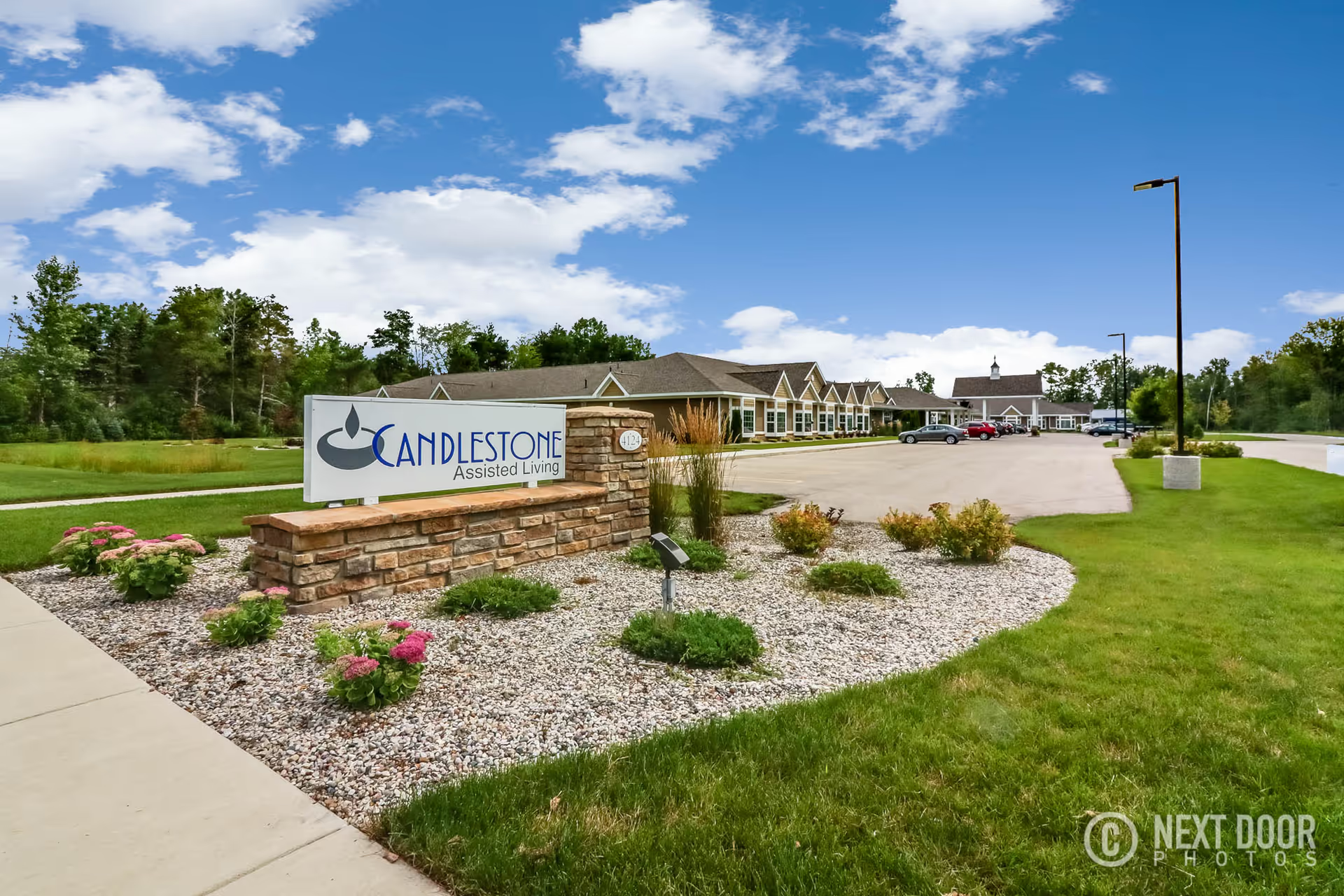
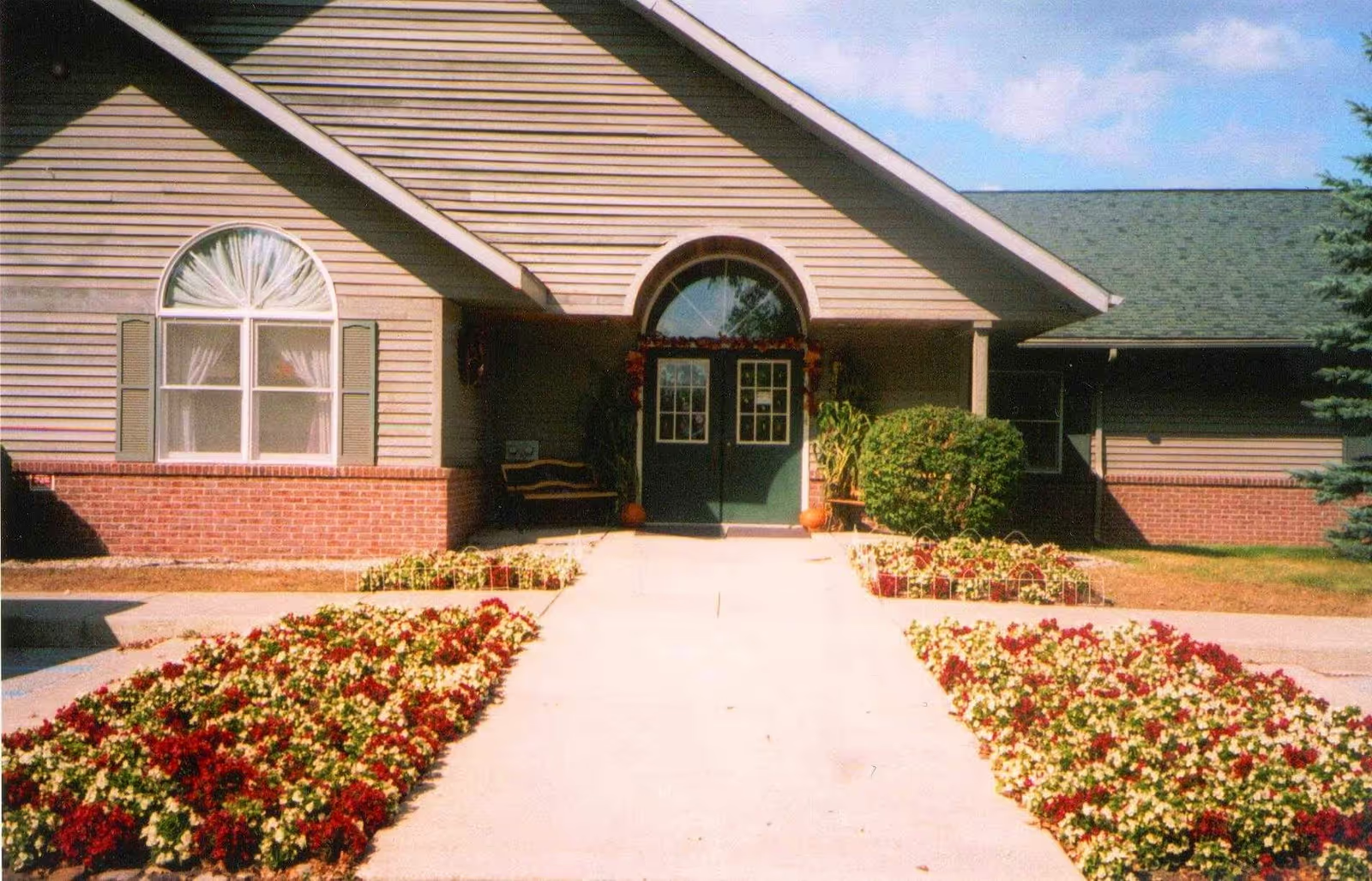
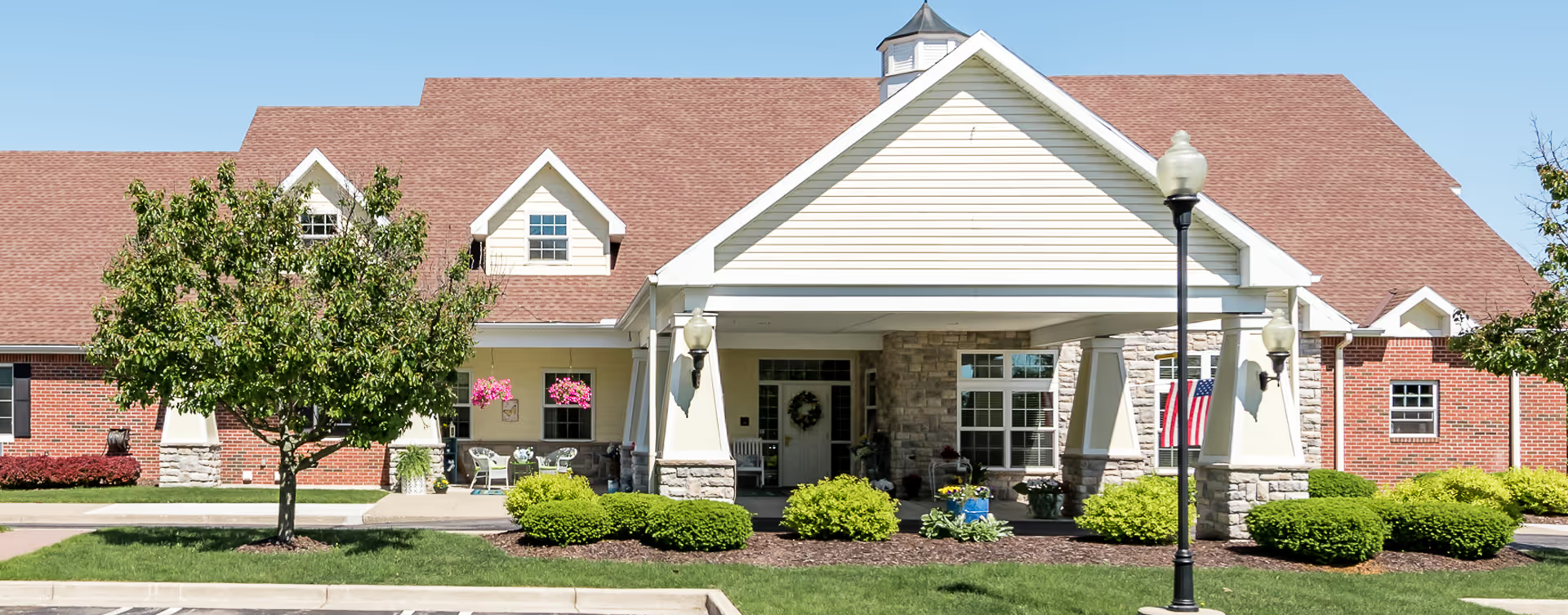
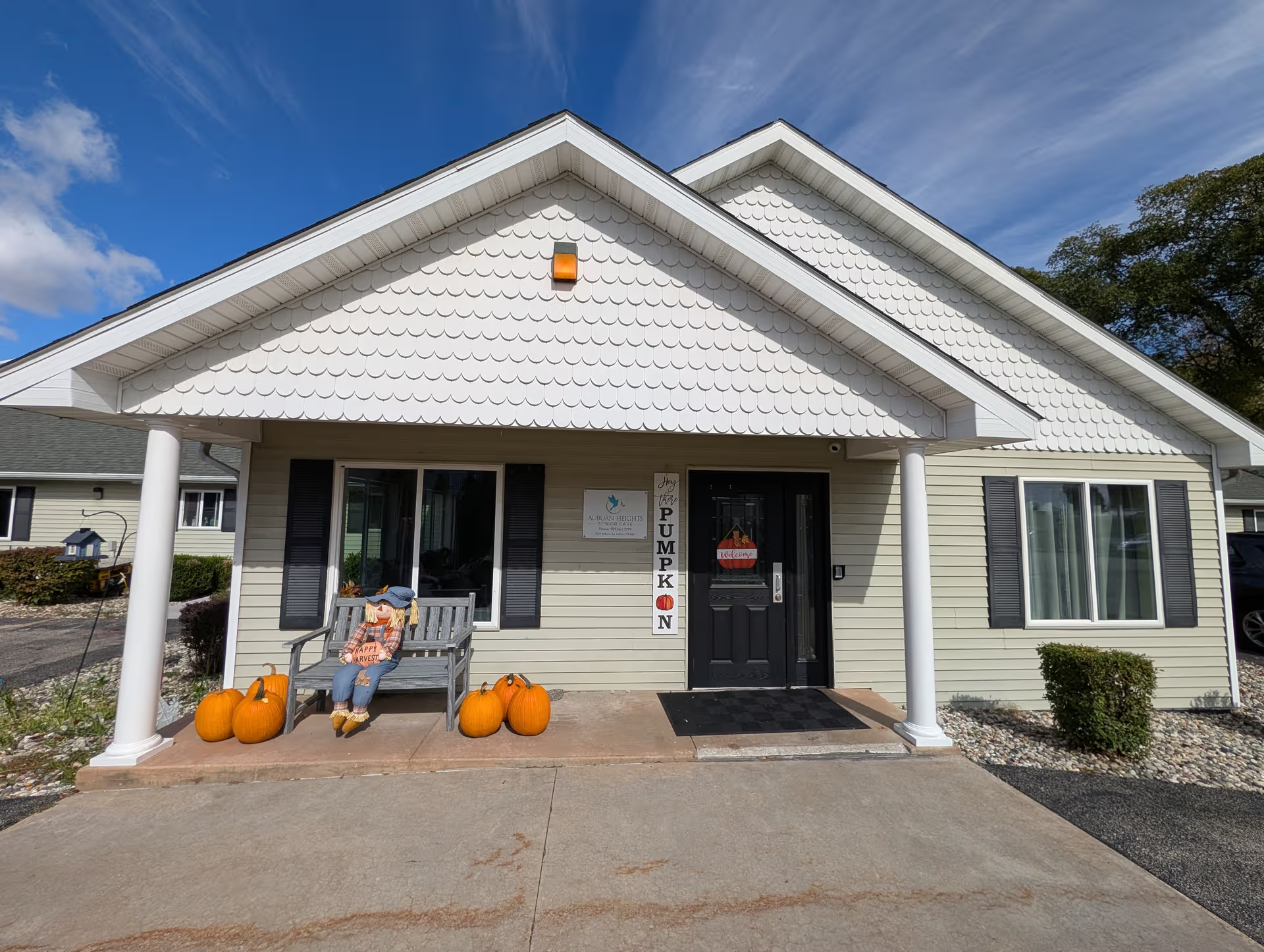
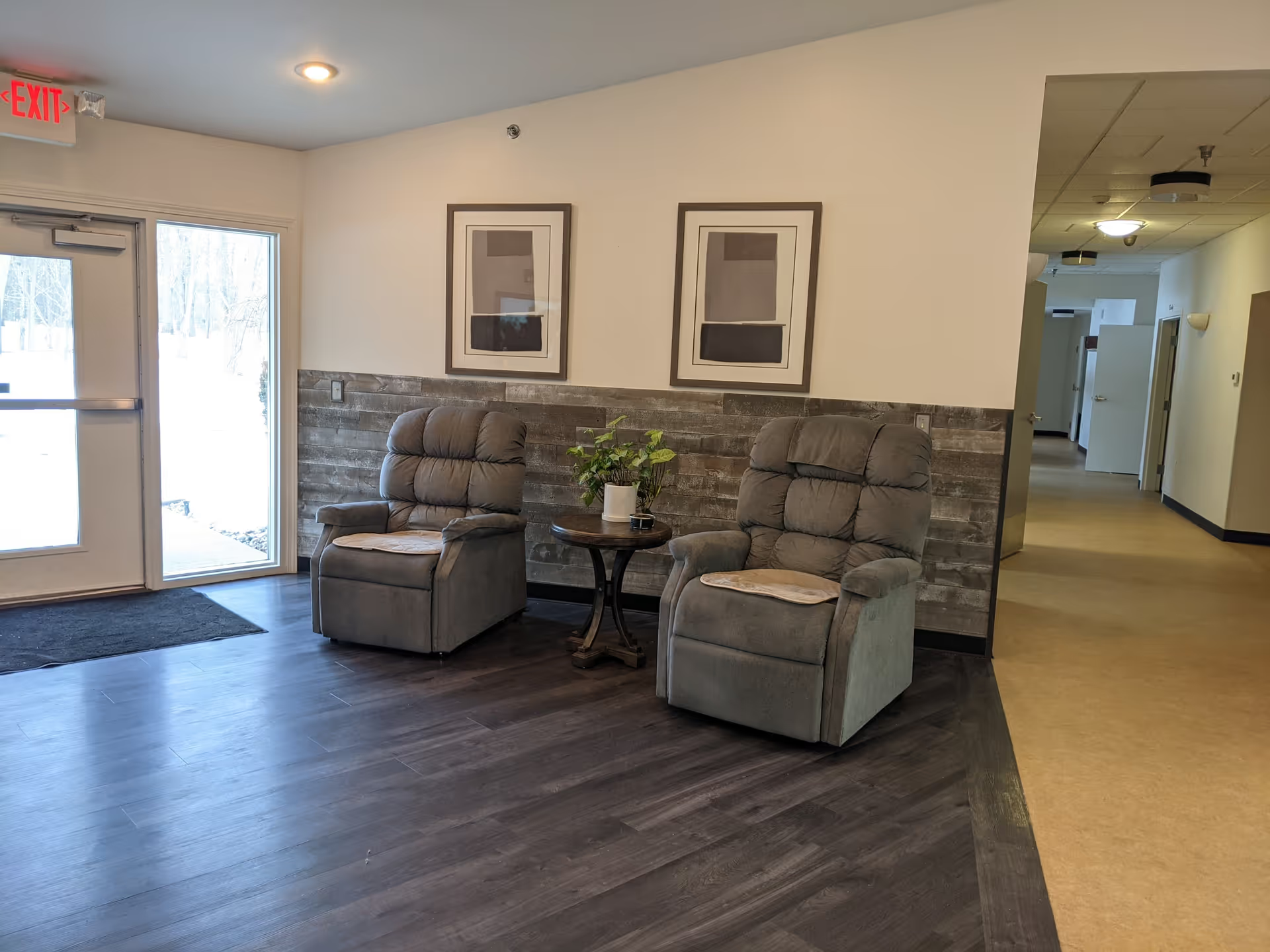
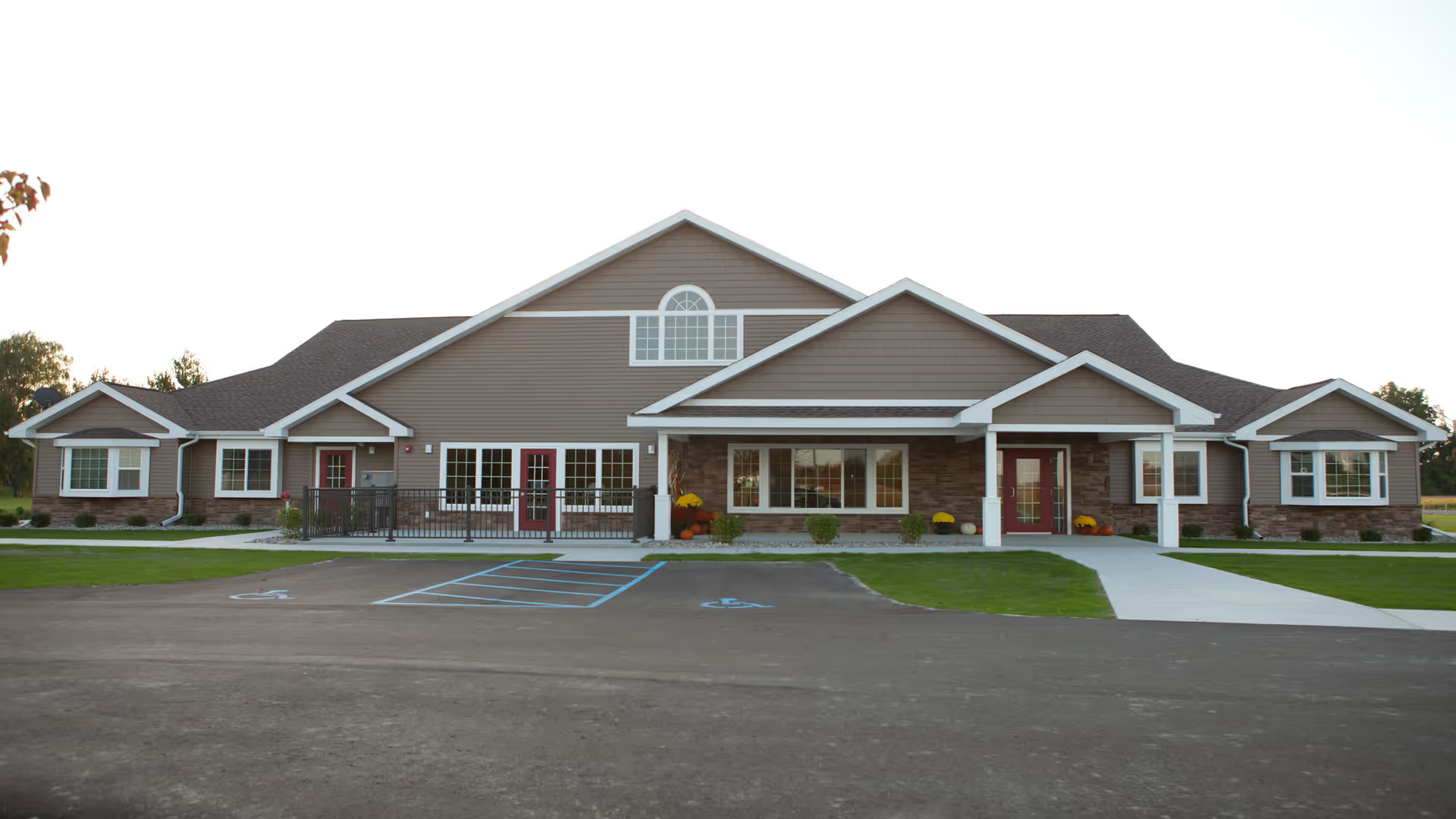
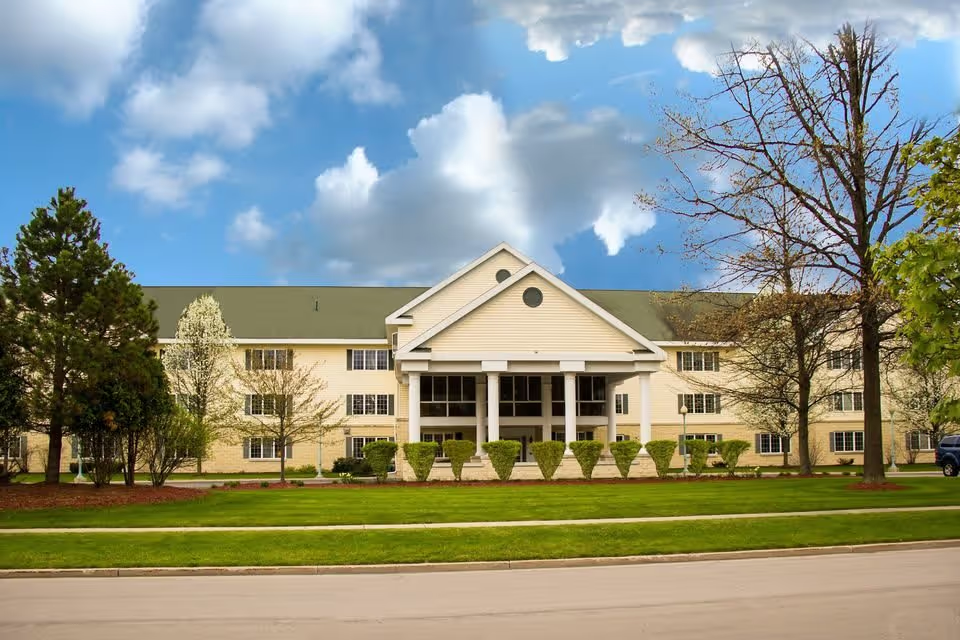
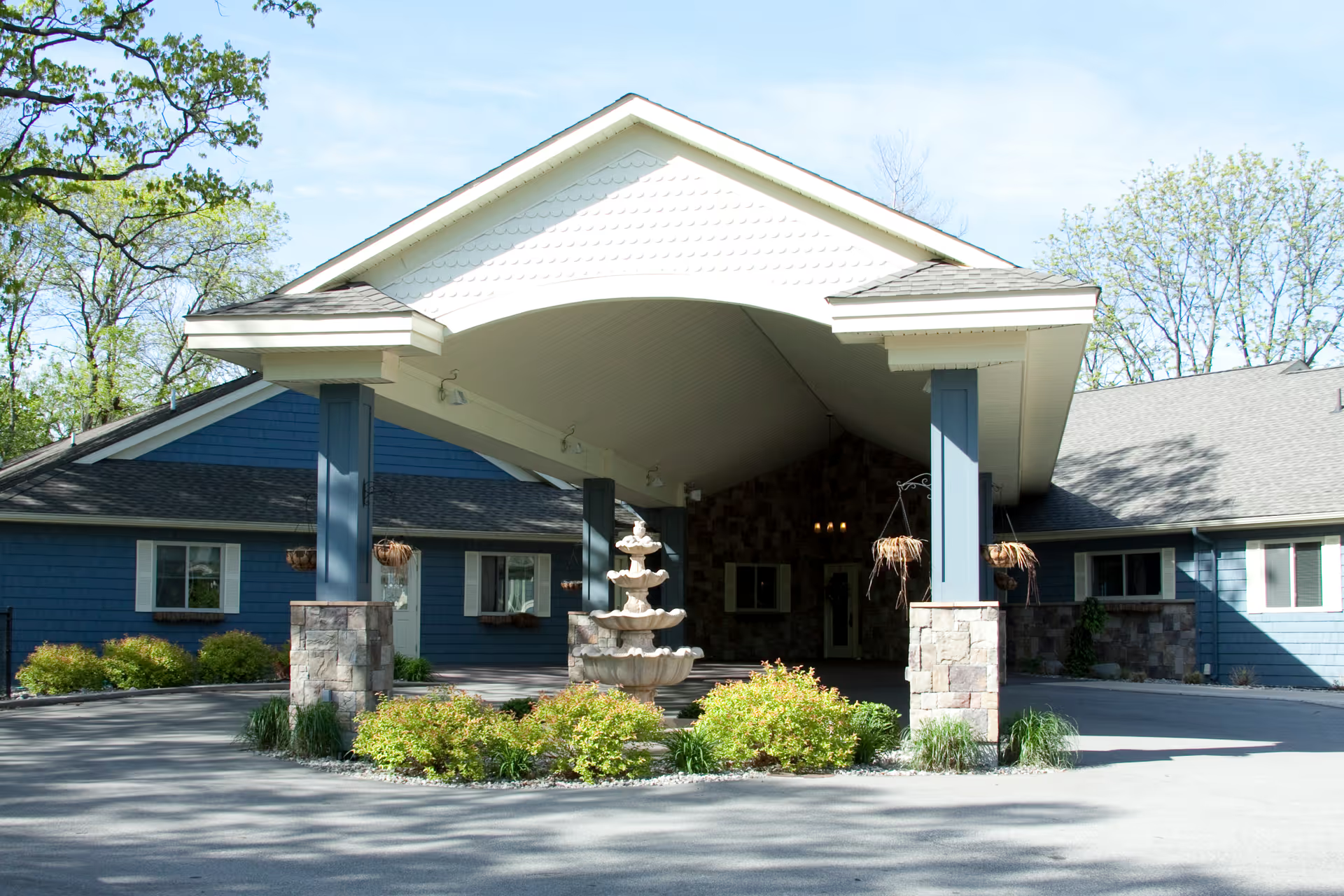
The physical environment is commonly described as clean, bright, comfortable, and attractively decorated, with well-kept grounds and welcoming shared spaces. Apartment comments mention natural light, usable layouts, and accessible bathrooms; some rooms use wardrobes or cabinets rather than conventional closets. A few reviewers felt certain furnishings or building elements could use updating, and outdoor or exercise space may not meet every resident’s preferences. The community’s size and polished amenities appeal to many visitors, though one prospective family questioned whether a larger setting would feel as personal as a smaller community.
Dining feedback is mixed. Many residents and families praise the chef, menu variety, special meals, and the option to accommodate preferences or deliver meals to an apartment. Others describe food as inconsistent, sometimes lukewarm, or less appealing in assisted living, and some would prefer different menu choices or less spicy dishes. Prospective residents may wish to sample meals and ask how dietary needs, preferences, and meal-temperature concerns are addressed.
Cost is a recurring consideration. Several families and prospective residents view the community as expensive, and some describe annual increases or care charges that were higher than initially expected. Written clarification of base rates, care-level fees, and the process for reassessment may help families evaluate affordability. Overall, the reviews portray a socially active, well-maintained community with strong staff relationships and broad programming, alongside meaningful questions to assess around affordability, care-call responsiveness, dining consistency, and complaint resolution.