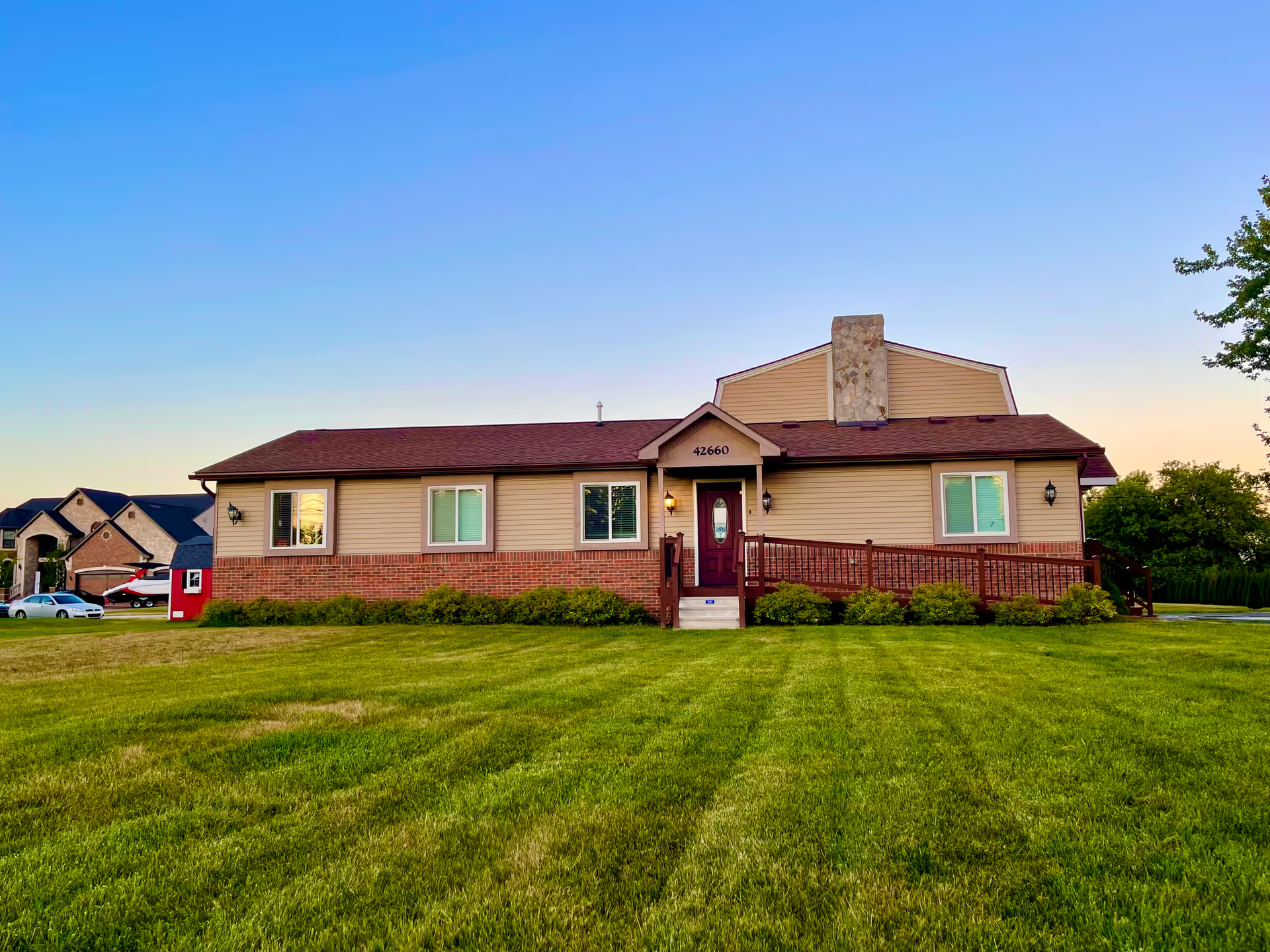
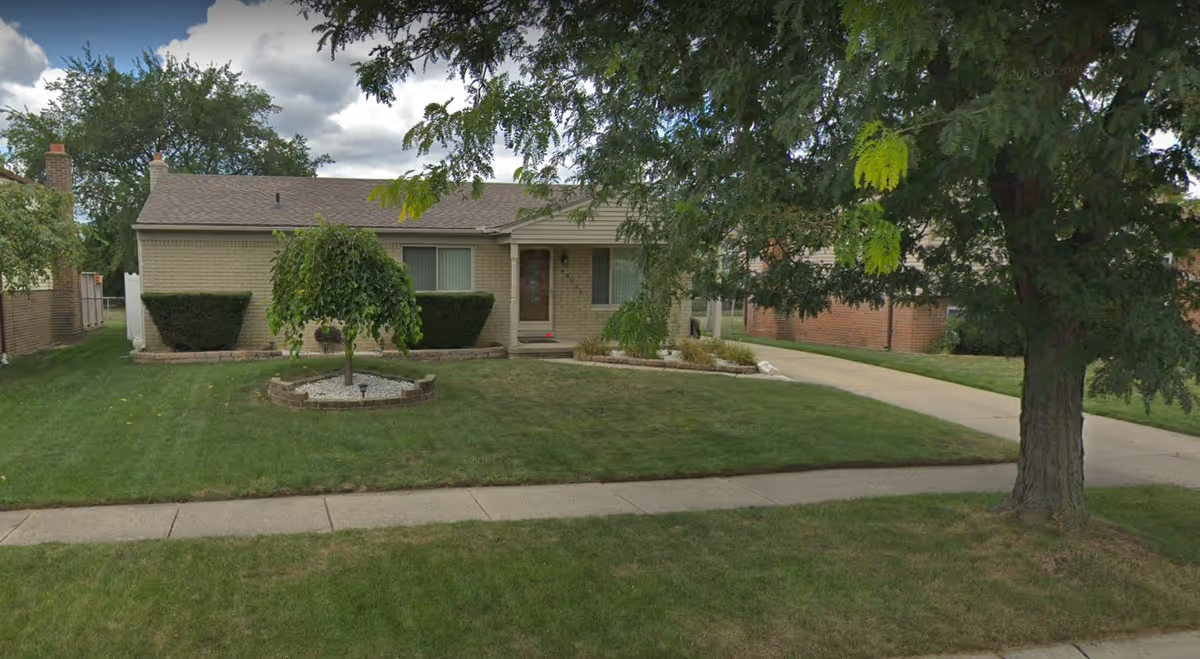
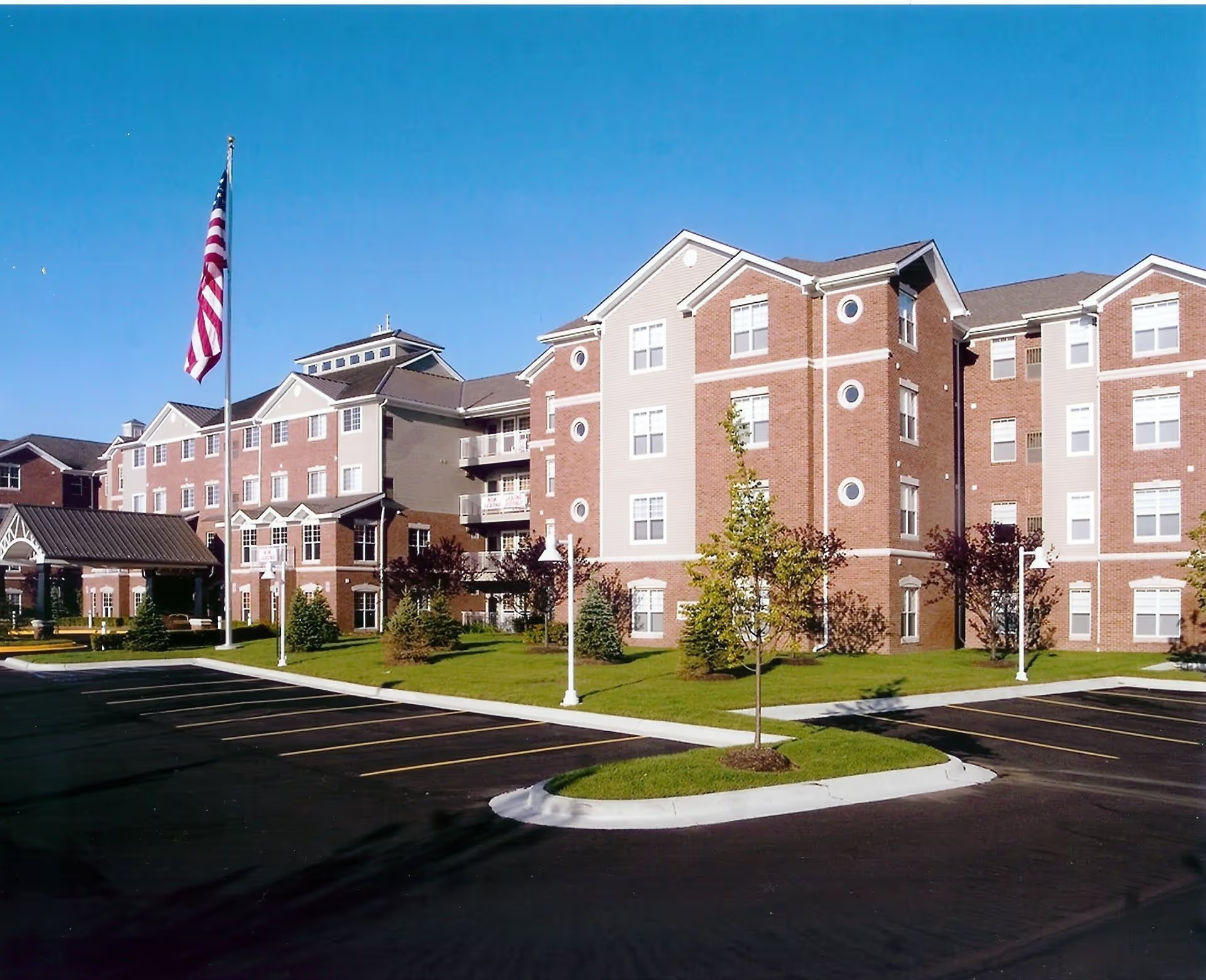
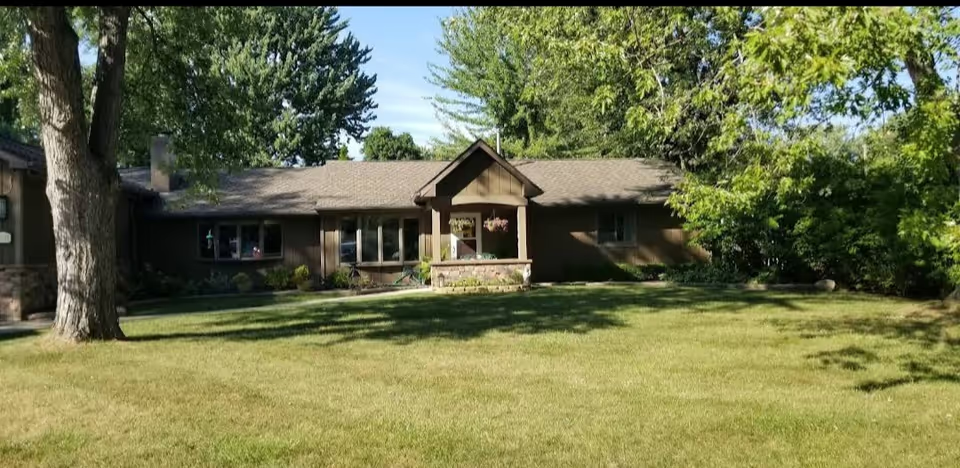
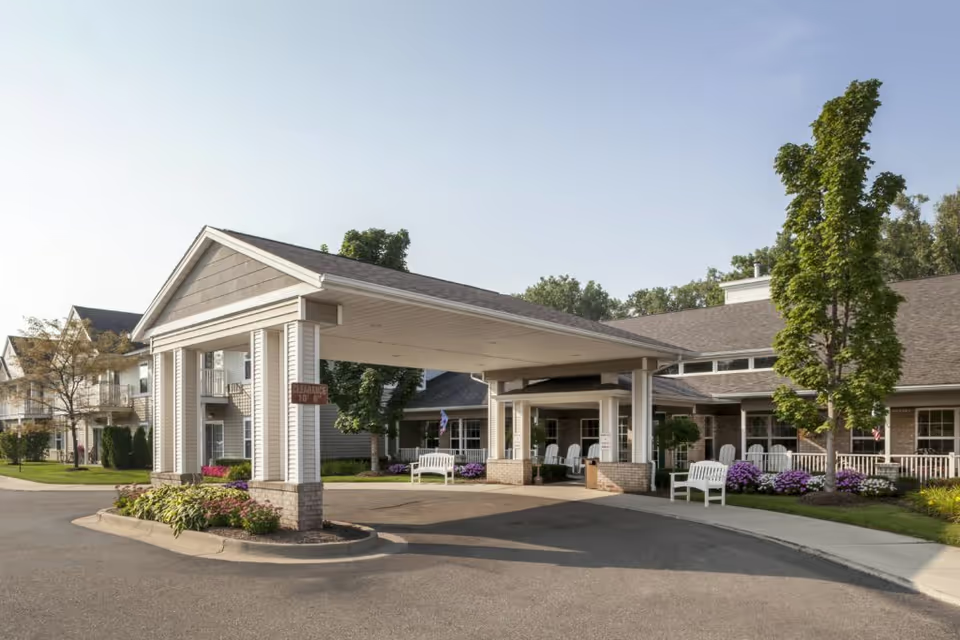
Reviews of Serene Gardens of Sterling Heights describe a facility with many strengths alongside operational inconsistencies. Positive accounts repeatedly cite warm, compassionate caregivers and visible clinical leadership: owners with nursing backgrounds who are often onsite and engaged in care. Families appreciate strong hospice and end-of-life attention, personalized care plans, and frequent updates via text or phone. The atmosphere is commonly described as family-like and homelike, with some residents placed in small six-resident homes for a high degree of personalization.
Dining and activities are clear strengths for many families. Numerous comments highlight home-cooked meals, dietary flexibility, and improvements in appetite and weight for some residents. The activities program is active and varied — arts and crafts, karaoke, bingo, live entertainment, movie nights, and special family events — and the activities director receives repeated praise for engagement and creativity. Onsite amenities such as an in-house movie theater, salon, patio/courtyard, and bright communal spaces contribute to a positive social environment.
Facilities and environmental impressions are largely favorable: modern, freshly painted, and well-maintained interiors; spacious private rooms that residents may personalize; and abundant natural light. Several reviewers also praised housekeeping and overall cleanliness. However, a subset of families described sanitation concerns and inconsistencies in cleanliness in certain areas, and some noted odor issues; these are not universal but are recurring enough to be a pattern to watch.
Care quality and operational reliability show a mixed picture. While many families describe attentive, high-quality care and strong clinical oversight, others report significant operational weaknesses: inconsistent staffing levels, high turnover, and long response times to call buttons (with weekends and nights singled out). There are repeated references to inconsistent assistance with hygiene and bathing, missed showers or laundry lapses, and variable medication-administration reliability—particularly on weekends. Several reviews indicate that the community may not be well equipped for higher-acuity needs (for example, residents requiring more complex transfers or frequent respiratory equipment management), and there are concerns about transfer-safety practices. Allegations concerning personal-item handling were also raised.
Management and communication are another area of divergence. Many families praise responsive management, transparent leadership, and regular communication from owners and nursing staff. At the same time, other reviewers describe management instability, ownership or leadership transitions, and language barriers that occasionally impede family communication. These mixed impressions suggest variability in the resident experience tied to staffing patterns, leadership continuity, and the clinical needs of individual residents.
Bottom line: Serene Gardens offers a strong, homelike environment with engaged staff, rich activities, and several clinical leadership advantages—features that can provide excellent outcomes for many residents, especially those with moderate care needs or who benefit from a small-home setting. Prospective residents and families should weigh those strengths against documented operational patterns: inconsistent staffing coverage, weekend and night variability, limitations in higher-acuity care, and episodic sanitation and personal-item handling concerns. Families considering placement should ask specific questions about current staffing ratios, weekend and night coverage, transfer-safety protocols, medication-administration policies, and how the facility manages residents with higher clinical needs.