Medilodge of Taylor elicits polarized experiences: many families describe positive short-term rehabilitation outcomes, attentive daytime caregivers, and a bright, recently remodeled physical environment, while others raise operational concerns that affect day-to-day care. The facility's strengths include a visible therapy program that often meets discharge goals, spacious private-room options in a new wing, an active activities schedule that encourages socialization and outings, and several staff members who are frequently described as helpful and accommodating. Admissions and some therapy staff receive consistent praise, and residents and families often note clean, well-lit dining and common spaces when services are operating smoothly.
Care quality appears variable across stays and shifts. Several accounts describe effective therapeutic care and individualized attention, particularly for short-term rehab patients, but there are recurrent concerns about inconsistent clinical processes for long-term residents. Specific clinical patterns cited include missed or irregular medication administration, problems with medication timing and preparation, and limited follow-up planning in some cases. Families also reported lapses in safety monitoring — including delayed assistance during toileting and transfer periods, and fall incidents — indicating gaps in supervision and transfer-safety practices at times.
Staffing and staff conduct are central themes. Positive reports highlight compassionate, professional caregivers and named employees who go beyond expectations. However, a noticeable pattern of understaffing and shift-to-shift variability correlates with delayed call responses, extended waiting times for personal care, and inconsistent bedside attention. Several families described problems with communication tone and unhelpful interactions from certain administrative or clinical employees, contributing to strained family–facility relationships.
Dining and ancillary services are mixed. The facility offers regular meals and a monitored dining setting, and some residents receive attentive assistance with feeding and weight management. At the same time, reviewers describe inconsistent food quality, limited menu choices or customization for dietary needs, and occasional concerns about the freshness and preparation of canned versus made-from-scratch options. Laundry and personal-item handling are generally handled well in some cases, but there are enough complaints about misplaced items and billing/clerical errors to suggest process gaps in those areas.
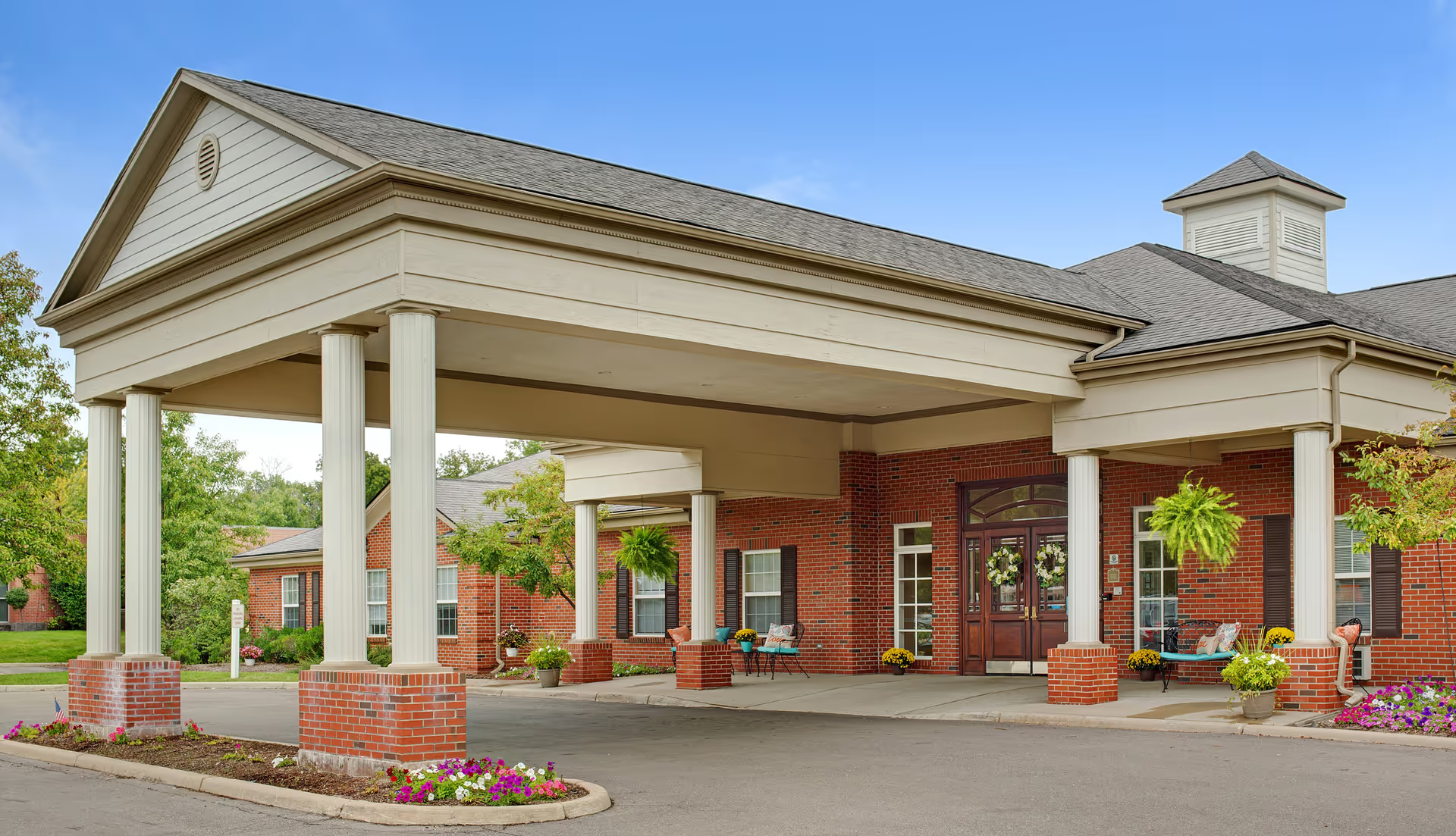
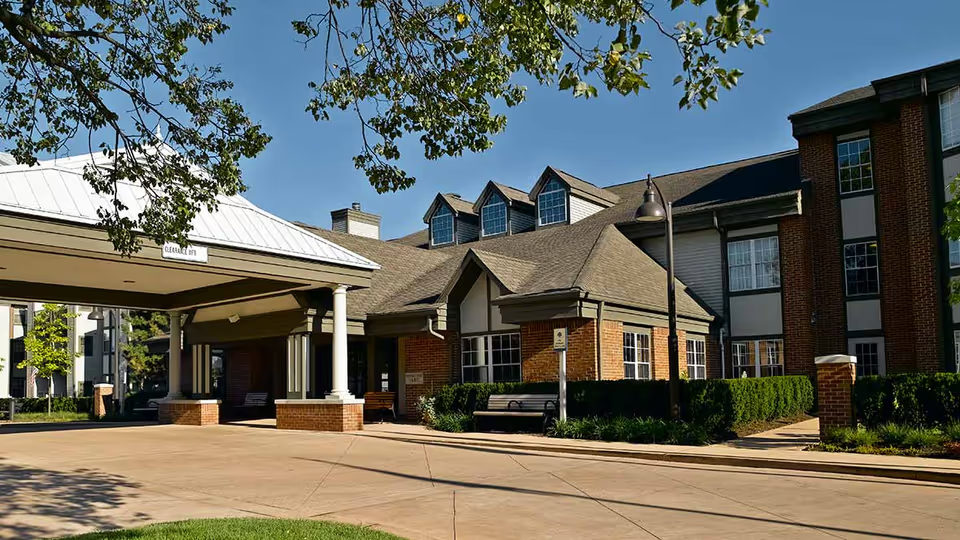
Facilities and environment present contrastive impressions. Many reviewers praise the remodeled rooms, large windows, private-bathroom availability, and bright communal spaces. Conversely, there are sanitation and maintenance concerns reported in certain units or during particular shifts, including odor concerns in some common areas and inconsistent housekeeping attention during construction or staffing shortages. Families also described operational issues during transitions and admissions, such as limited orientation for new residents and variable rehab scheduling.
Management and communication show mixed performance. Positive interactions with leadership and quick resolution of some issues are documented, but recurring themes include billing mistakes, limited responsiveness from administrative personnel, and occasional heavy-handed or inflexible communication regarding family access and power-of-attorney matters. These management-level communication gaps, combined with staffing variability, appear to drive much of the facility's inconsistency in care experience.
Overall pattern: the facility demonstrates clear strengths in rehabilitation services, the physical environment, and the dedication of many staff members. However, persistent operational weaknesses — notably inconsistent staffing, delayed responsiveness to resident needs, medication-administration and documentation gaps, sanitation and maintenance inconsistency, and management communication failures — produce a split of positive and negative experiences. Prospective residents and families should tour the facility, ask specific questions about staffing levels for the intended unit and shift, review medication-administration protocols, and clarify laundry, billing, and visitation policies before making decisions.