The set of reviews presents a highly polarized picture of the facility, with a substantial number of accounts praising individual staff members, rehabilitation services, and certain operational strengths, while an overlapping set of reviews raises significant safety, sanitation, and management concerns. Positive comments frequently highlight attentive nurses and CNAs, effective rehabilitation care, prompt routine maintenance, recent physical updates, clear communication with families, and generally clean resident rooms. These strengths appear concentrated around specific employees and departments, and are described as producing improved quality of life for some residents.
Care quality and clinical safety are central areas of concern. Several reviews describe delays in basic care tasks and incontinence-care responsiveness, inconsistent monitoring, and problems with wound and skin-care follow-up. There are recurring accounts of falls, pressure-related injuries, and transfers to higher-level care following clinical deterioration; taken together these imply gaps in fall-prevention protocols, wound management, and timely clinical escalation. Reviews also raise questions about medication practices, specifically suggestions of excessive sedation or inappropriate medication use in some cases. Families should treat clinical-safety as a priority area to evaluate directly when considering placement.
Staffing and staff conduct are described in mixed terms. Many reviewers single out individual employees and supervisors as compassionate, communicative, and resident-focused; these caregivers are credited with good family communication and attentive bedside care. At the same time, systemic staffing shortages and turnover — including use of agency workers — are reported and are associated with slower response times, inconsistent care practices, and variability in staff training and conduct. Communication quality appears uneven: some families report prompt, reassuring contact from management, while others report dismissive responses and unresolved systemic issues.
Dining and activities show similar variability. Several reviewers note acceptable meal portions, scheduled meals, and available snacks or vending machines. Other accounts describe inconsistent food quality and meal-service problems. Activities and resident socialization are generally described positively where staffing permits, supporting engagement for some residents.
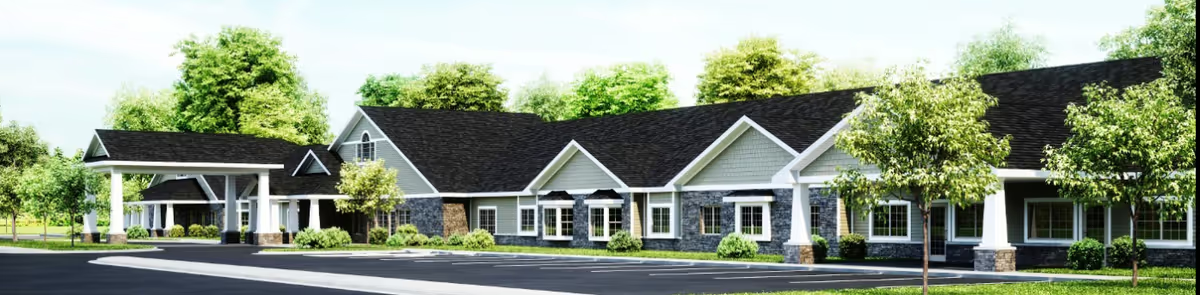
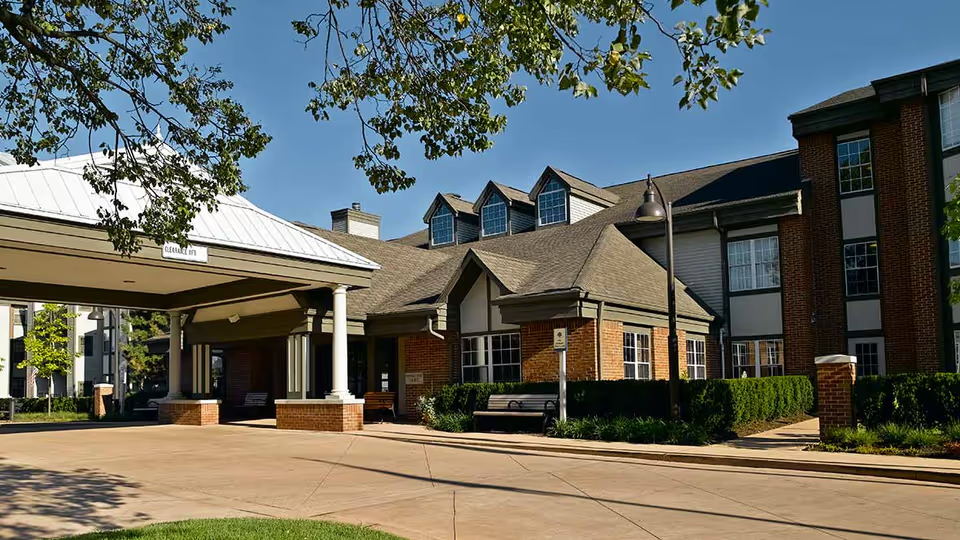
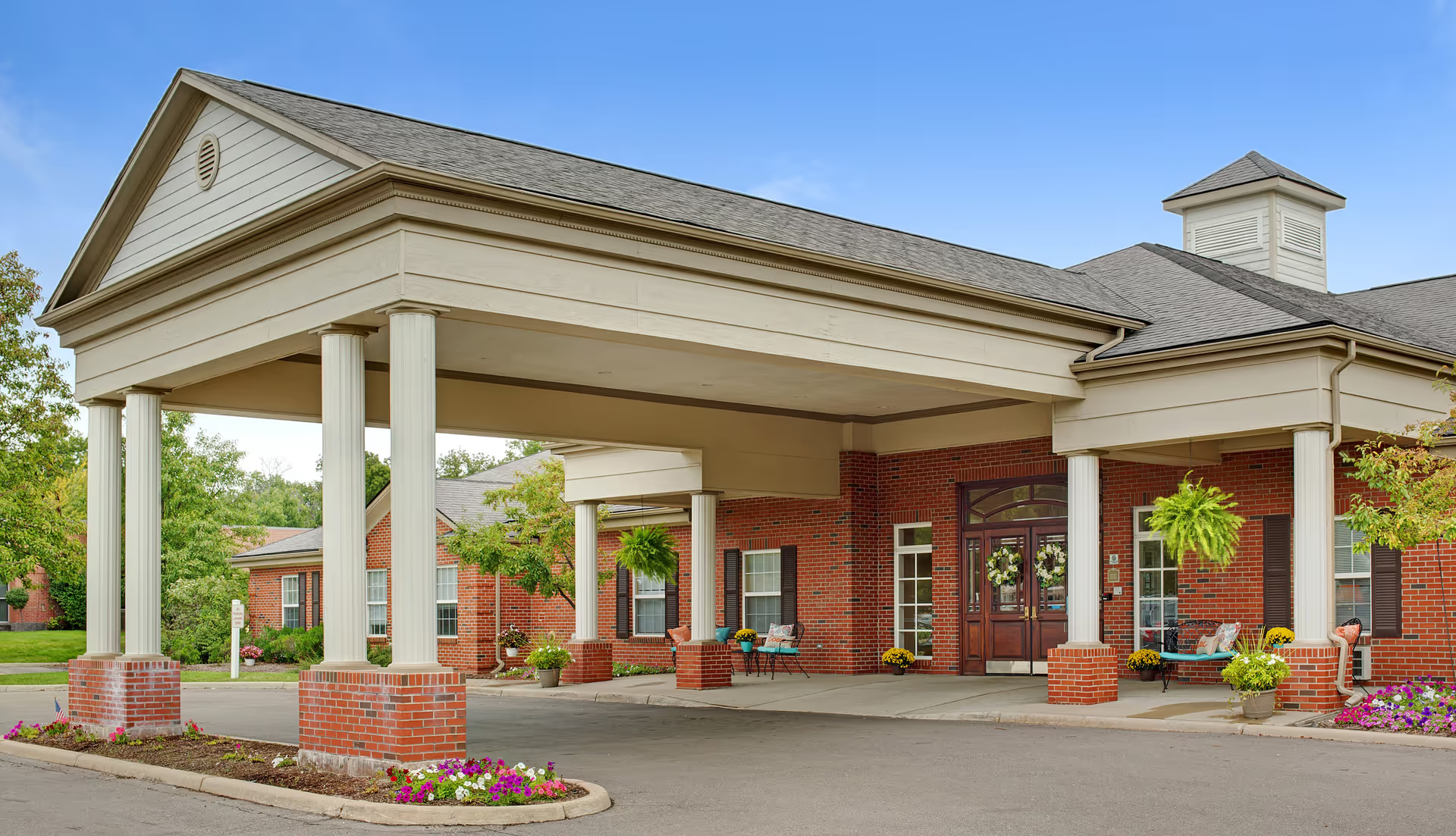
Facility condition and maintenance issues are a notable theme. The building is described as older in many reviews; while some areas are reportedly clean and recently updated, other aspects—most prominently elevator reliability—are recurrent operational problems. Extended elevator outages, limited elevator access control, and lack of functional vertical-access contingency were cited repeatedly and raise practical and emergency-access concerns. Additional maintenance-related issues include limited electrical outlets in rooms, shortages of medical equipment, odor concerns in some common areas, and pest-control problems in some units.
Management and regulatory patterns are mixed. There are examples of prompt issue resolution and strong local leadership praised by families, but there are also reports of perceived slow or insufficient responses to serious operational and clinical problems. Some reviews mention high-severity incidents and legal or regulatory allegations, including an allegation of financial misconduct; such claims warrant focused inquiry with facility administration and review of inspection and complaint histories.
Notable patterns for prospective residents and families: the facility appears to have competent and committed caregivers in select units and shifts, and rehabilitation services are a clear strength for some residents. However, persistent operational weaknesses — staffing variability, sanitation and infection-control inconsistencies, unreliable elevator access, and concerns about clinical monitoring and medication management — represent potential risks for residents with higher acuity or mobility limitations. Recommended due diligence includes an on-site visit during different shifts, review of recent staffing ratios and licensing inspection reports, discussion of emergency and elevator contingency plans, clarification of infection-control protocols, and direct questions about wound-care, fall-prevention, and medication-administration policies.