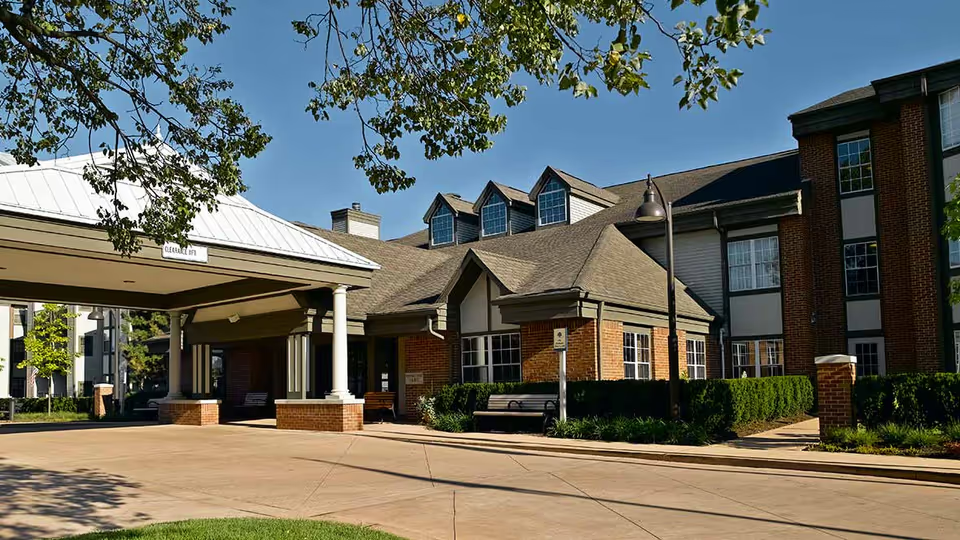
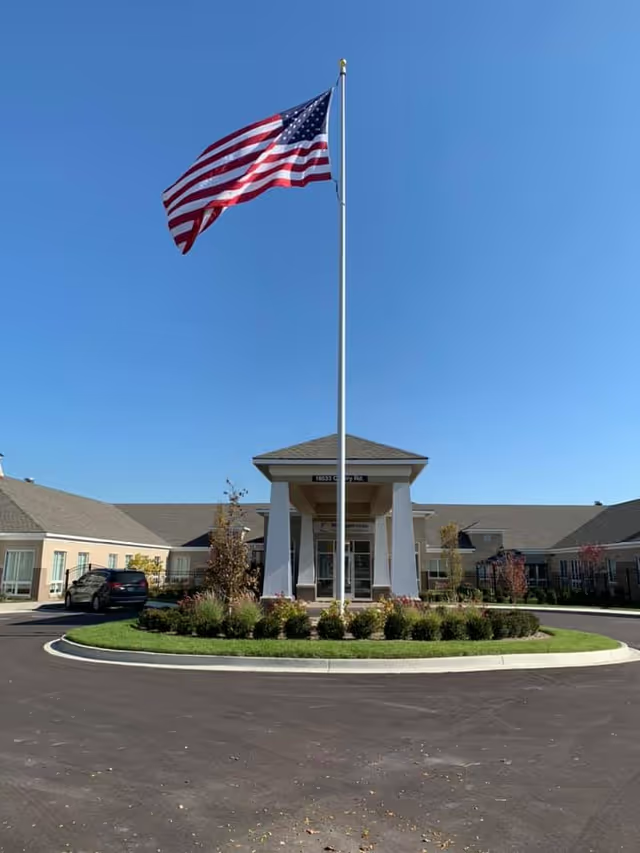
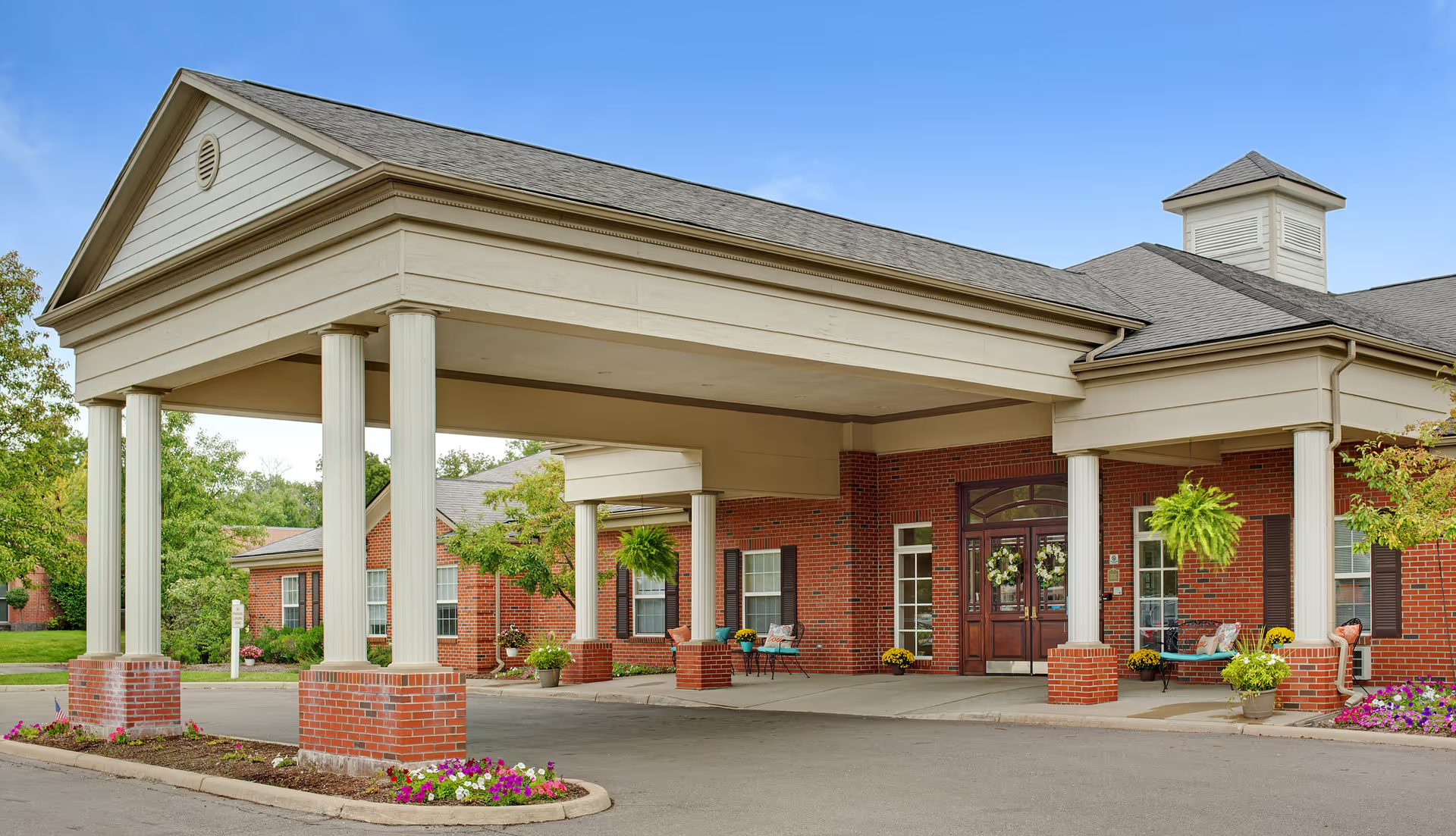
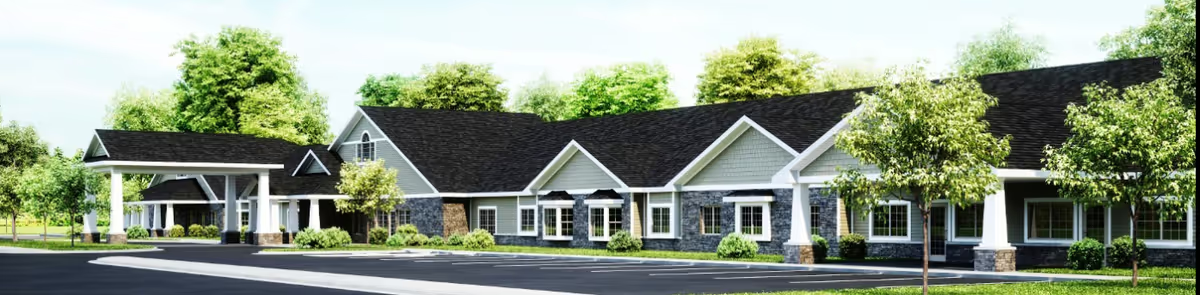
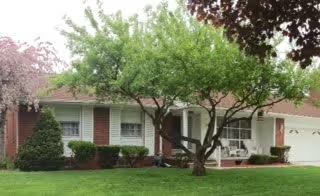
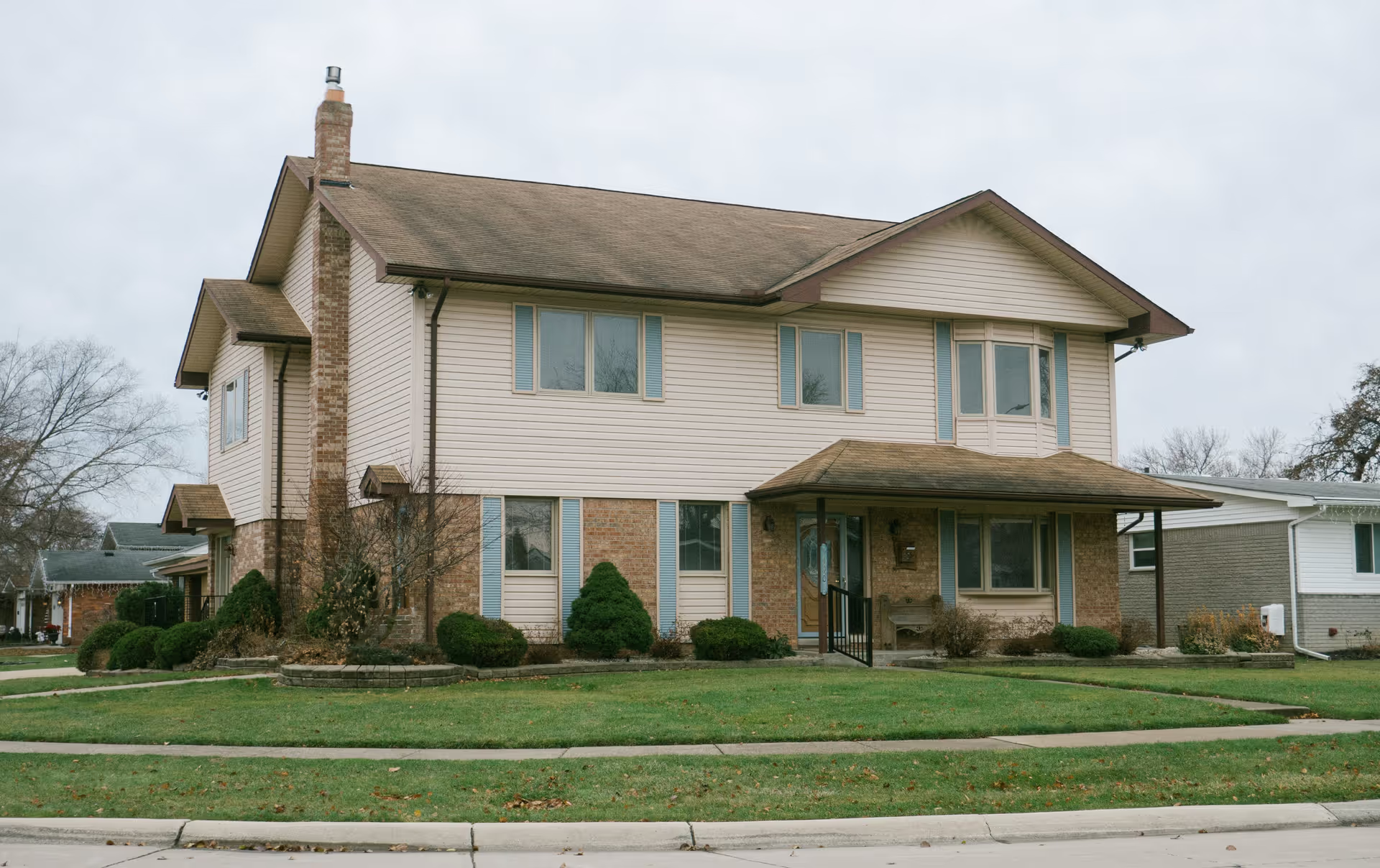
The Coach Stop Manor is described overall as a small, home-like assisted living environment that can be a good match for seniors who do not require continuous supervision. Several accounts emphasize resident comfort and individualized attention; one family explicitly described exceptional care for a parent who enjoyed living at the facility and whose relatives were welcomed during visits. The physical setting is noted positively, with a safe, enclosed backyard that contributes to a residential feel.
Care quality appears generally appropriate for low- to moderate-acuity residents. Reviewers highlighted attentive, compassionate caregiving in specific interactions — including at least one caregiver who was trusted with a vulnerable family member — and families reported that visits were encouraged. At the same time, there are indications of inconsistency in staff performance and responsiveness. While some staff members are described positively, others prompted mixed impressions, suggesting uneven delivery of care at the shift or personnel level.
There is limited detail in the available feedback about dining and organized activities. Reviewers did not provide substantive comments on meal quality, menu variety, or a structured activity schedule; prospective families should request current menus and an activities calendar during a tour to evaluate those areas directly.
Facility features and management observations are mixed. The Manor’s residential ambiance and yard were cited as strengths, and family-friendly visitation was noted. However, variability in tour impressions and staff interactions points to potential gaps in consistency of welcome and operational oversight. The pattern suggests the facility may operate well for residents with predictable, lower-intensity needs but may not have the systems or staffing model to reliably support residents who require frequent monitoring or higher-acuity care.
Notable patterns and recommendations: The Coach Stop Manor may be a strong option for seniors seeking a homelike assisted-living setting with family access and a secure outdoor area. Prospective residents and families should prioritize an in-person visit, observe multiple staff–resident interactions across shifts if possible, and ask targeted questions about staffing levels, supervision for higher-care needs, and current dining and activities programming. Doing so will help assess whether the facility’s strengths align with an individual resident’s care requirements and expectations for consistency.