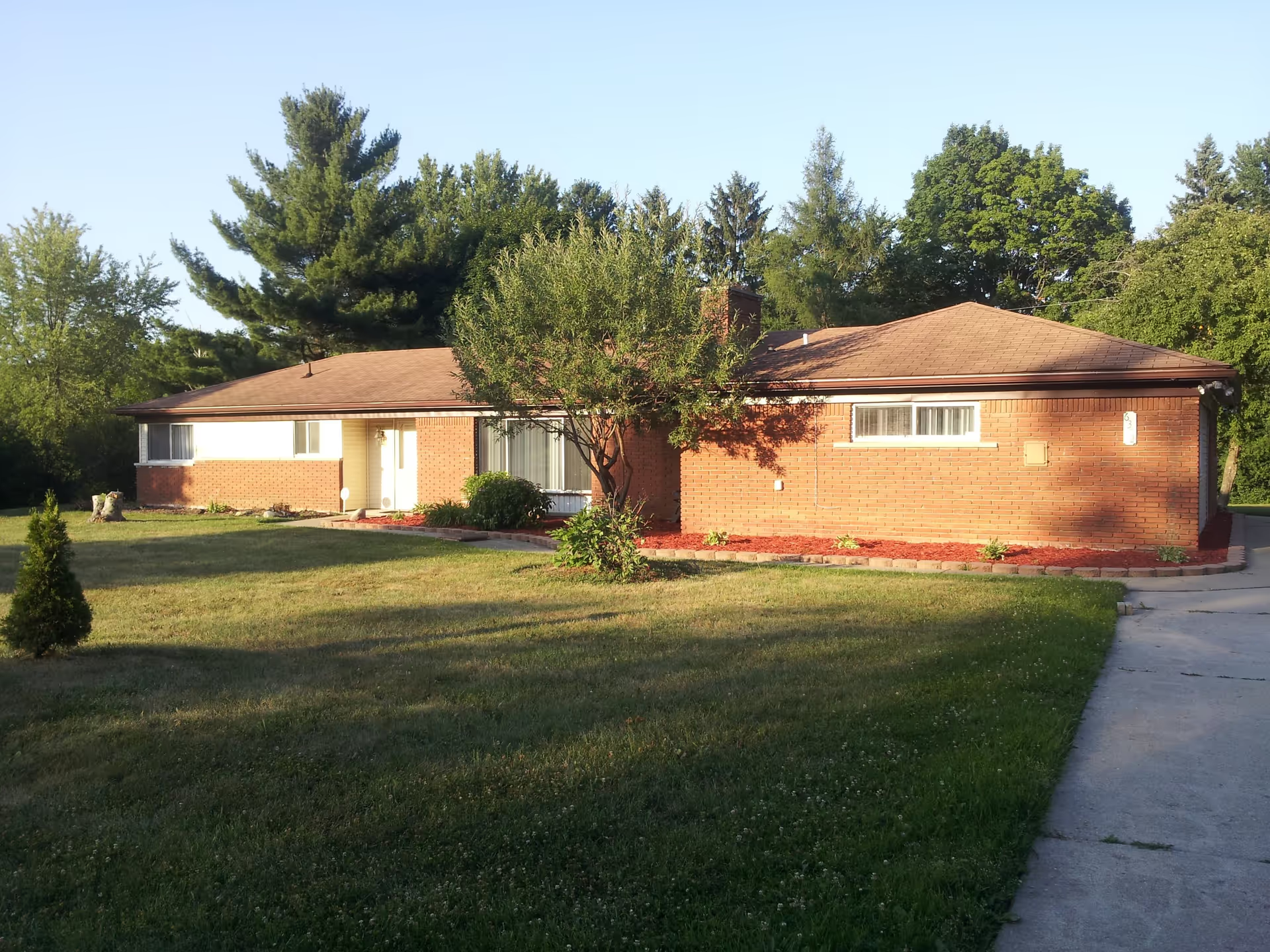
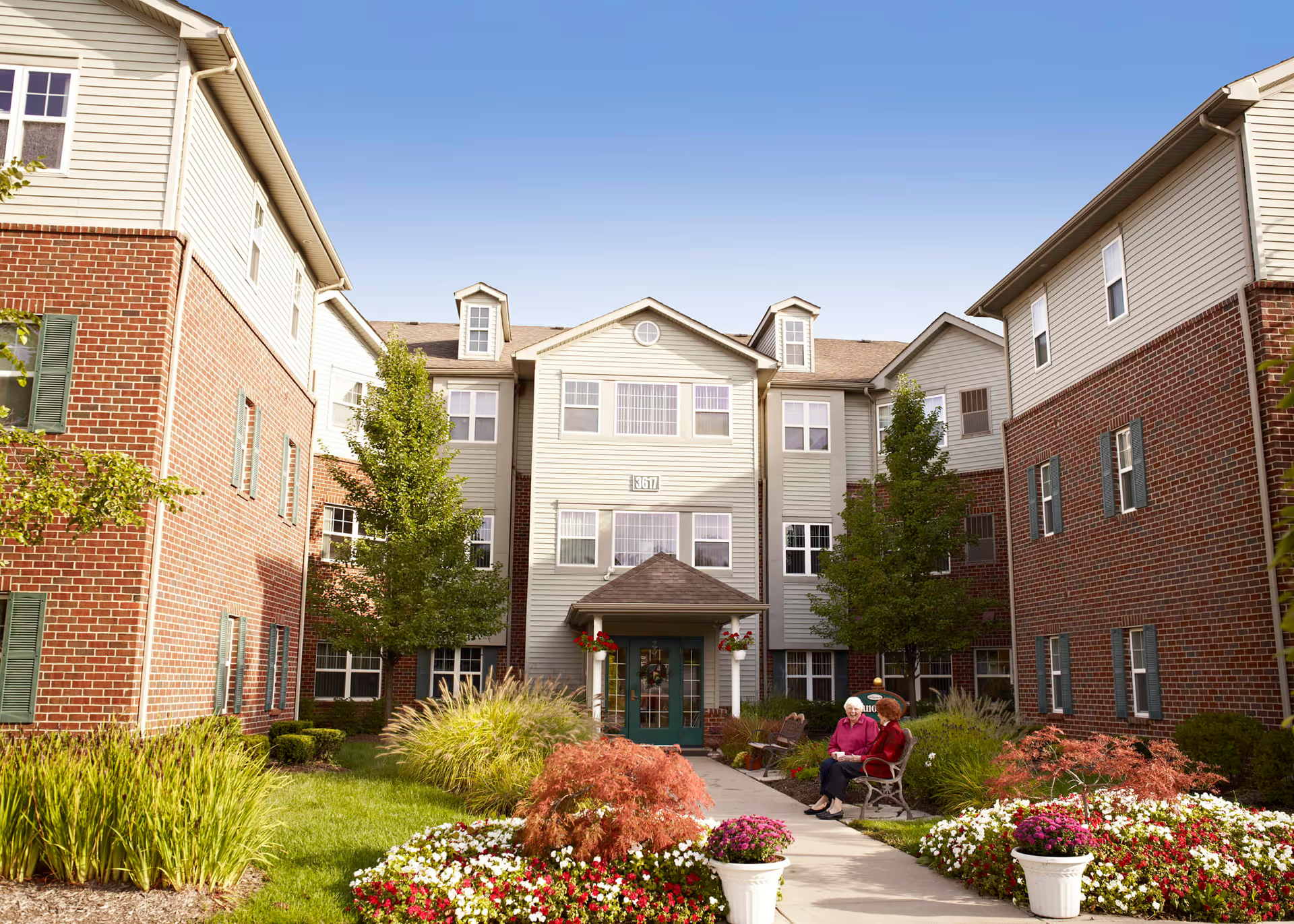
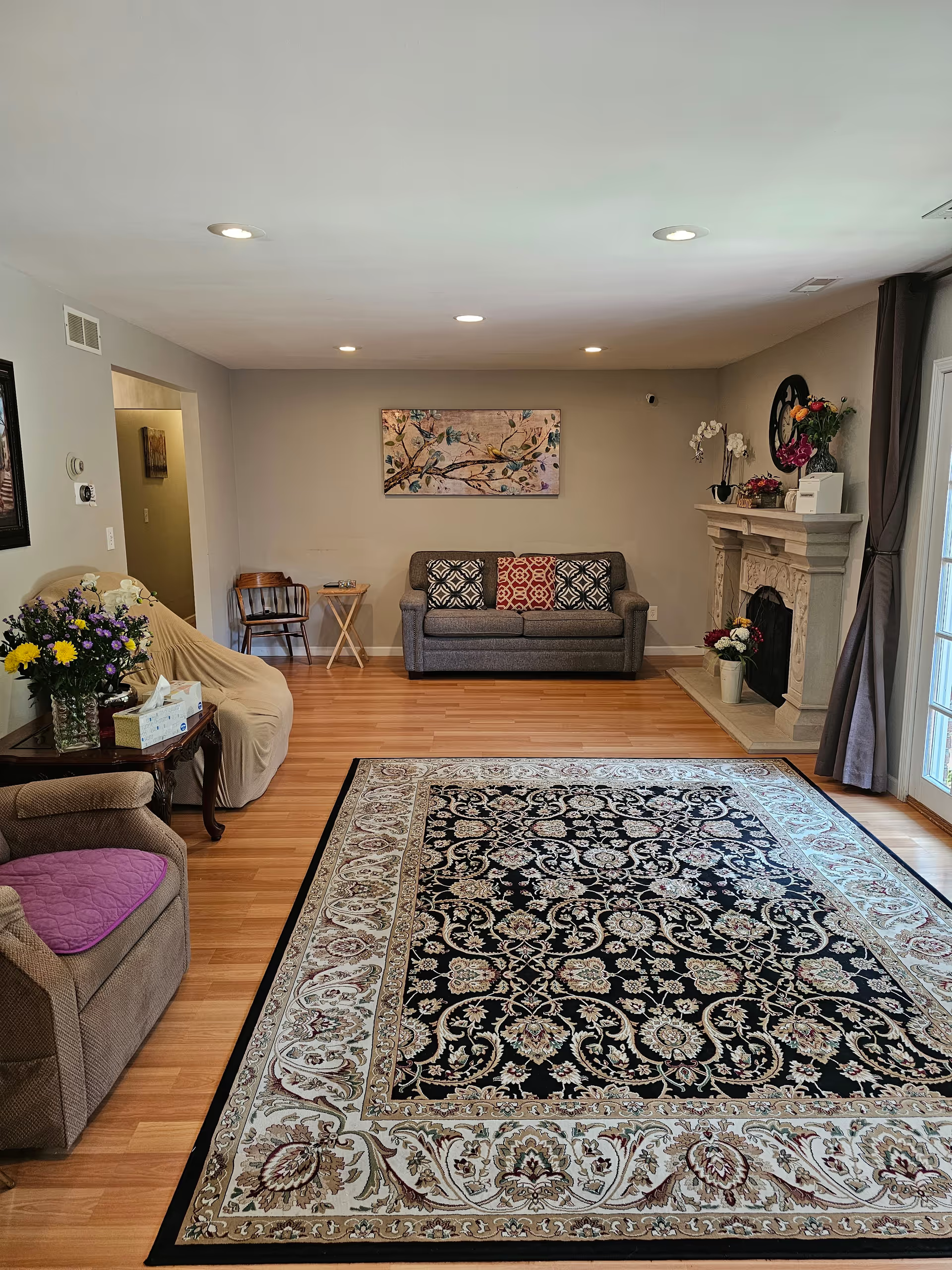
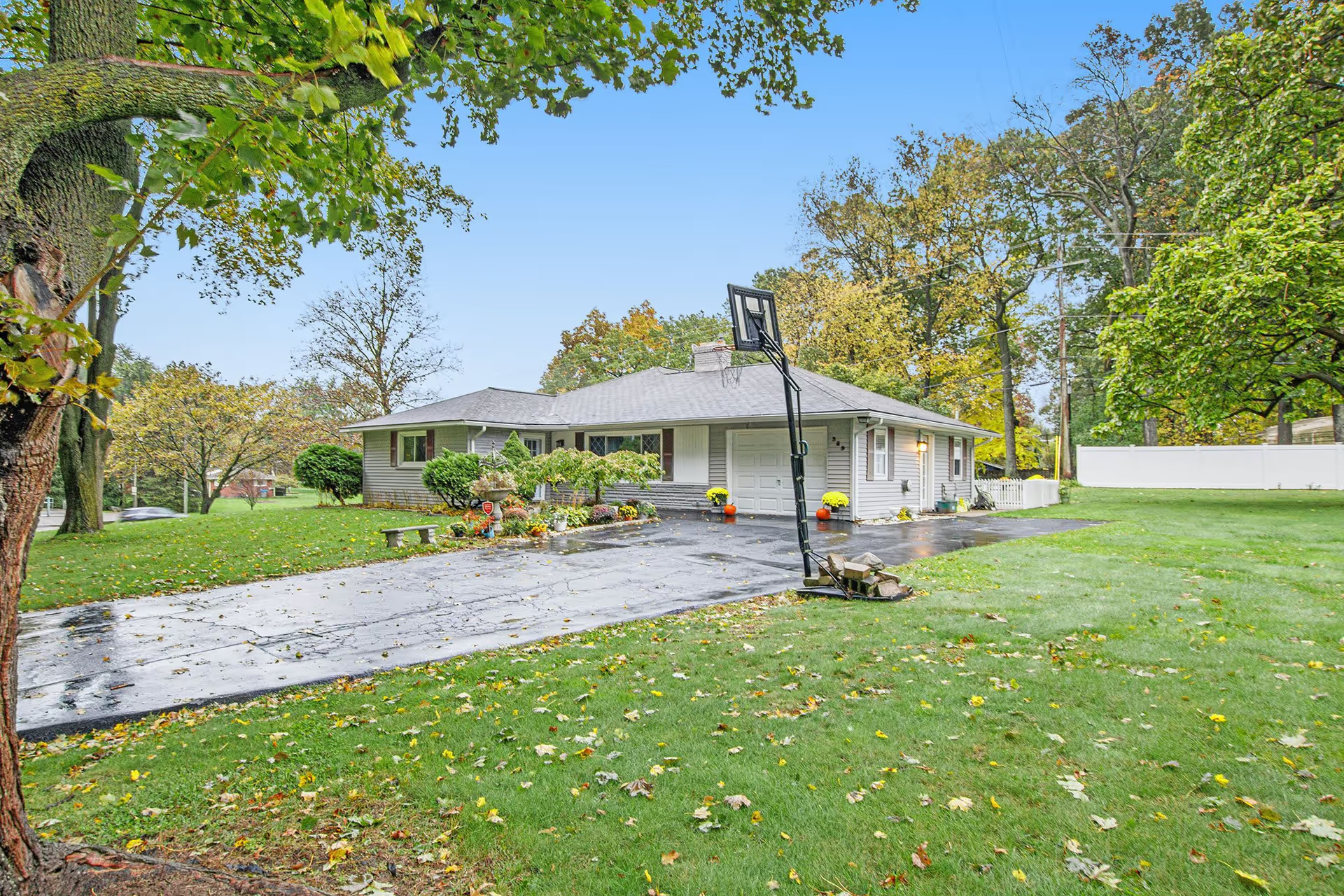
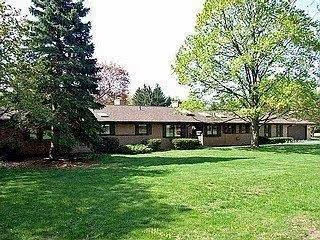
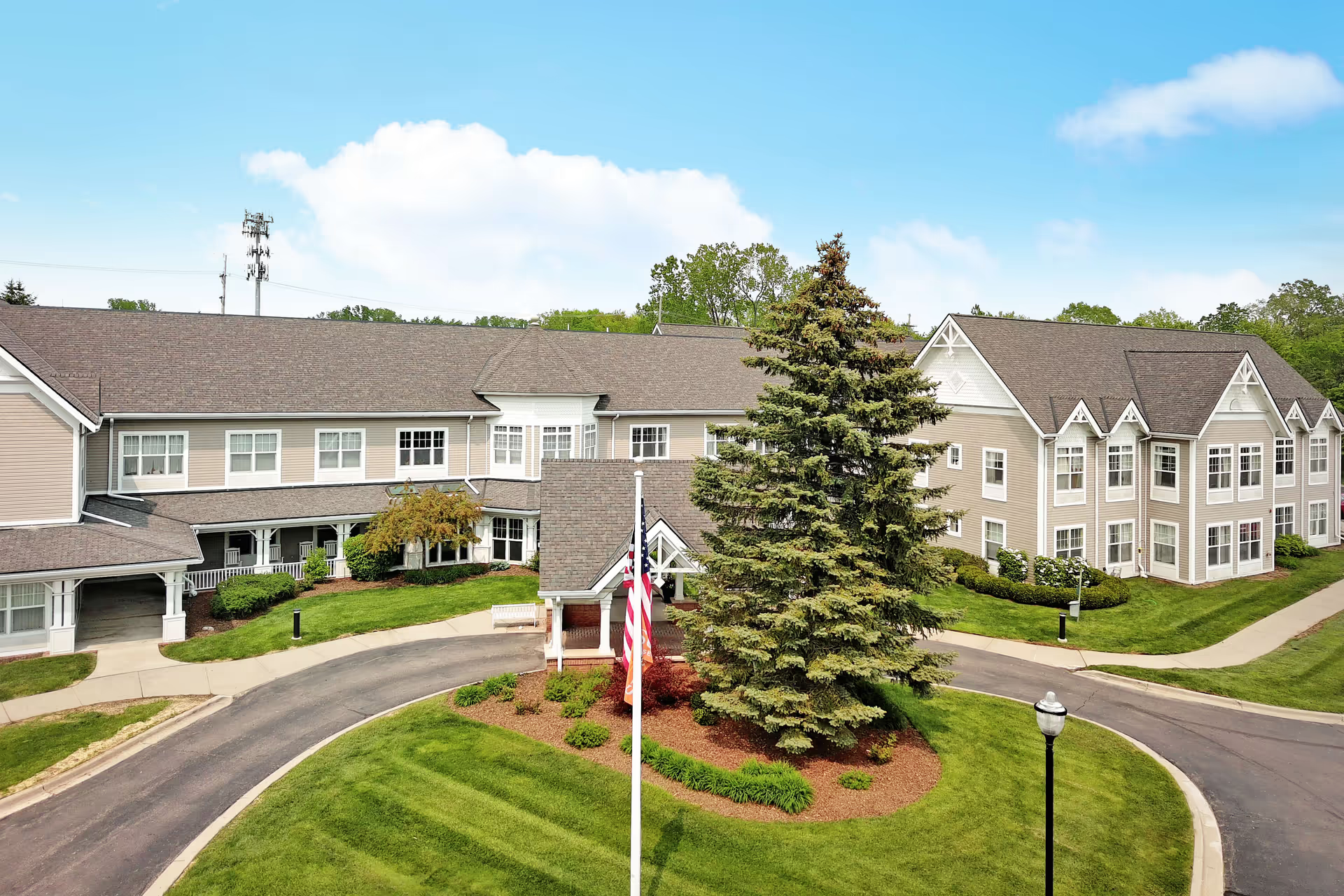
Belmar Oakland is frequently described as a bright, new, and well-appointed senior living community with many amenities and an active social program. The facility’s physical environment is consistently praised for modern finishes, private rooms with en-suite baths, secure entry systems, and on-site conveniences such as a beauty shop and therapy spaces. Many families report that the setting feels comfortable and welcoming, with communal areas (including fireplaces and snack stations) that support socialization.
Care quality and staff performance are the most polarized elements in the reviews. A substantial portion of families praise compassionate, engaged caregivers and accessible clinical leadership — including on-site RNs and an executive director who is responsive and available — and describe effective medication handling, therapy services, and attentive personal care. Those positive accounts highlight timely medication administration, personalized dining for dietary needs (including therapeutic diabetic options), and hospice involvement when appropriate. Conversely, a number of reviews identify operational concerns: inconsistent staffing (especially on weekends and nights), frequent staff turnover, and instances of poor handoffs or missed follow-up that create gaps in clinical oversight. These operational weaknesses are associated with uneven care experiences across different residents.
Dining and activities are frequently cited as strengths. The community runs an active calendar (arts and crafts, bingo, gardening, live music, and bus outings) and many reviewers commend the kitchen and menu variety — including two chefs and personalized meal accommodations. At the same time, other families reported variability in meal quality and temperature, indicating that food service consistency can fluctuate depending on staffing and timing.
Safety, sanitation, and clinical operations show mixed patterns. Many accounts emphasize a safety-focused design and well-maintained spaces, but other accounts point to sanitation concerns and inconsistent housekeeping in certain situations. Clinical-process gaps are noted in areas such as medication administration controls, transfer and fall-prevention practices, and dementia-care execution. A small number of reviews referenced regulatory attention and specific post-admission billing or refund disputes; those items suggest potential vulnerabilities in financial and compliance processes that prospective families should clarify during touring.
Management and admissions practices also elicit contrasting impressions. Admissions experiences are often described as smooth and accommodating, with helpful move-in support. However, some families described aggressive sales pressure, nonrefundable upfront fees, and limited responsiveness from administration after move-in — particularly for after-hours questions, weekend supervision, and post-death follow-up. These themes point to variability in managerial follow-through and in how the community handles difficult transitions or billing disputes.
Notable patterns for prospective residents and families: the facility offers strong environmental and social supports and can deliver high-quality, personalized care under stable staffing and engaged clinical leadership. However, outcomes appear to depend heavily on current staffing stability and on specific shifts or teams. Before committing, visitors should observe staffing levels during evenings and weekends, ask about recent staff turnover and orientation/training protocols, review medication-administration and incident-reporting procedures, request details on hospice capacity and weekend clinical coverage, and obtain written clarity on admission fees and refund policies. An in-person tour that includes a conversation with nursing leadership and a review of recent inspection or compliance documents will help determine whether the facility’s operational reliability matches the positive aspects many families describe.