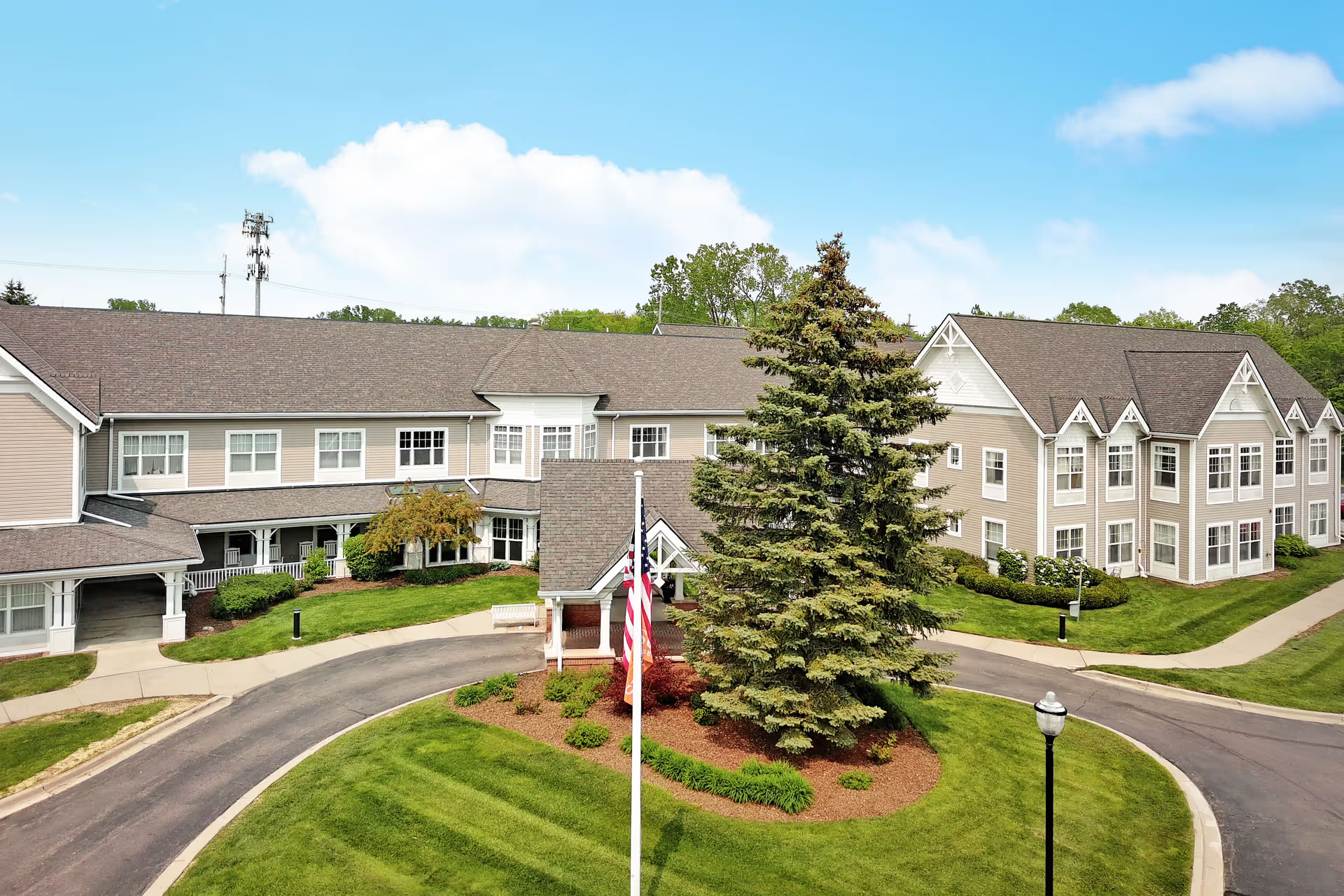
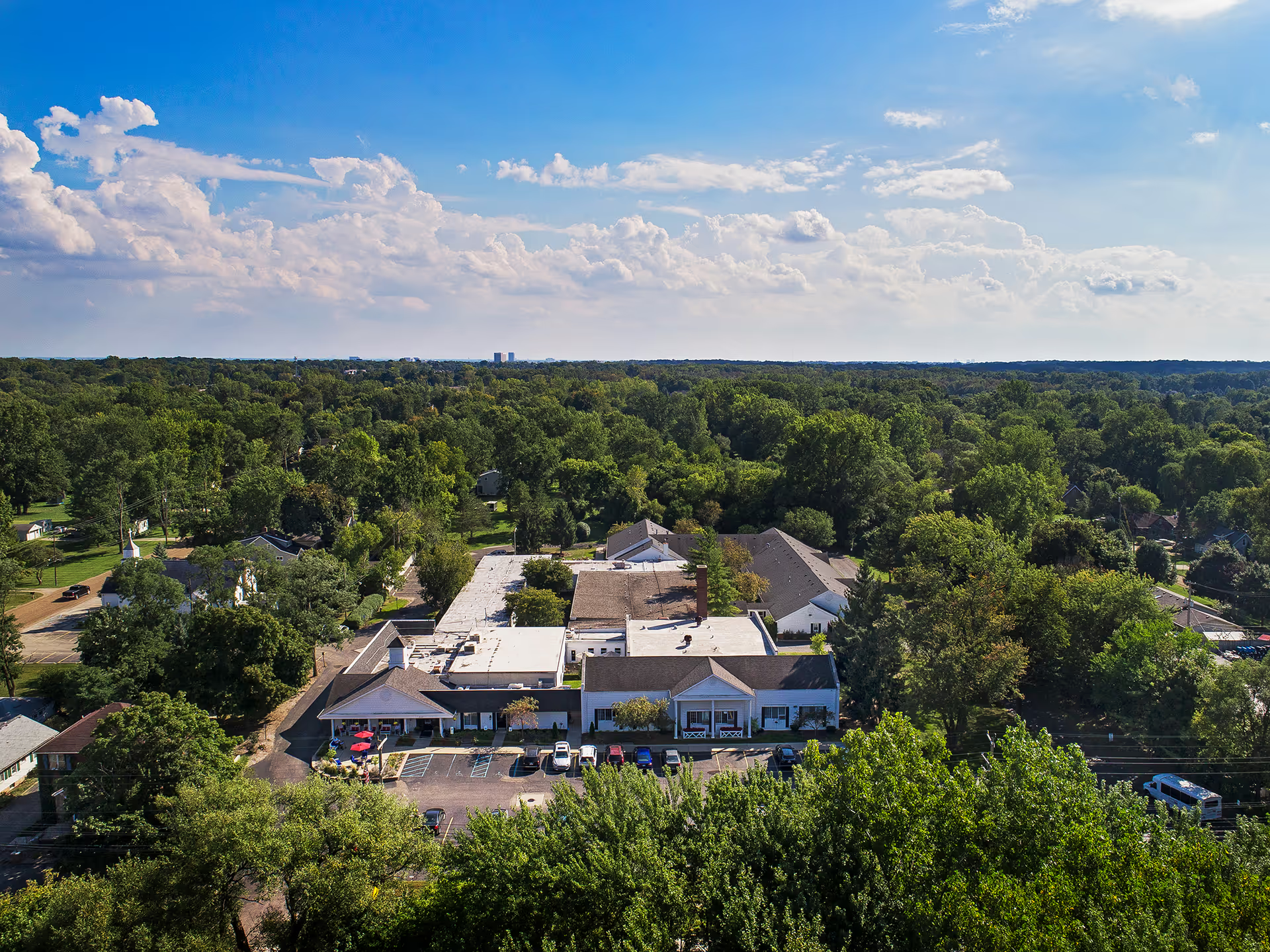
Overall impression Brookdale Troy presents as a well-appointed, memory-care–focused community with many strengths in caregiving, environment, and programming. Families and visitors frequently note a clean, attractive facility with strong outdoor spaces and neighborhood-style common areas. The community provides a range of amenities and services—on-site therapy, salon, bistro/snack stations, and secure memory-care design elements—that appeal to people seeking an active, memory-supportive setting.
Care and staff Care provision is a central strength: reviewers commonly describe compassionate, engaged caregivers and staff who know residents well. Social-work and admissions personnel receive repeated praise for coordination and responsiveness, and families often cite effective hospice and transition support. At the same time, reviewers describe a consistent pattern of staffing instability: high caregiver turnover, shift-to-shift variability, and limited evening/night coverage. Those patterns are associated with uneven experiences in supervision, timeliness of bedside support, and the consistency of daily care routines. There are also recurring mentions of variation in staff training and conduct, which produces a range of experiences from highly attentive to insufficiently responsive depending on shift and personnel.
Clinical oversight and safety Several reviews highlight concerns around clinical monitoring and timely medical response—examples include delayed attention to acute changes, variability in medication management practices, and difficulties contacting on-site physicians or senior clinical staff outside daytime hours. These concerns are framed as operational gaps rather than systematic policy statements, but they are significant because they relate to resident safety and continuity of care. Families considering the community should ask specific questions about night nursing coverage, escalation protocols, and how clinical changes are communicated to families.
Dining and housekeeping Dining elicits mixed feedback. Some reviewers praise presentation, portioning, and menu variety (including snack stations and special-event meals), while others cite inconsistent food temperature, texture, and flavor—particularly with modified-consistency or no-salt diets. Housekeeping and grounds maintenance are generally seen as strong, contributing to an overall clean and well-kept environment; however, laundry and personal-item handling is an area of recurring complaint and should be clarified during admission discussions.
Activities and social life Activity programming is a clear asset in many accounts. Music, dancing, live events, and therapeutic activities geared to memory care are frequently highlighted and contribute to an engaged community vibe. That said, the depth and frequency of outings and specialized activities appear tied to staffing levels; some families described a robust schedule while others experienced limited offerings, especially in evenings and on weekends.
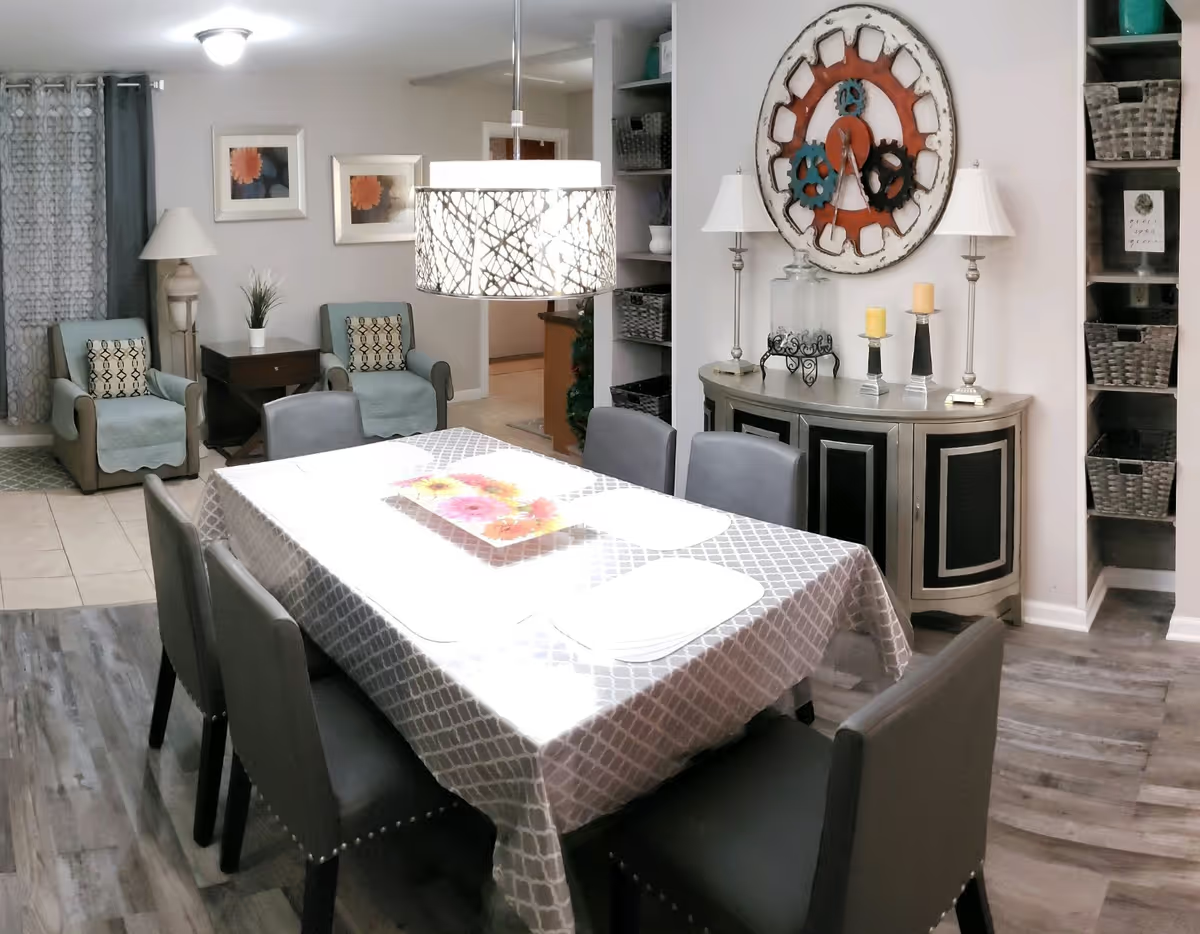
Facilities and infrastructure The physical plant is frequently described as attractive, with bright atriums, comfortable common rooms, and secure courtyards that support independent movement for memory-care residents. Reviewers also note an older building footprint in parts of the campus, occasional maintenance issues, and a layout that can be difficult to navigate. Technology and backup systems were sometimes described as outdated or unreliable (for example, generator or emergency continuity concerns), which is worth confirming when touring.
Management, communication, and fees Management visibility and specific staff members are praised in several accounts; admissions tours and initial move-in coordination often leave a positive impression. However, there are recurring notes about inconsistent communication, variable responsiveness to family concerns, and lack of transparency around billing and extra charges. Prospective residents and families should request written details about fee structures, activity surcharges, laundry policies, and how additional care needs are assessed and billed.
Notable patterns and practical advice The overall pattern is one of a facility that offers many desirable features—strong memory-care programming, committed staff members, good amenities, and a clean campus—combined with operational variability driven by staffing and infrastructure constraints. When evaluating Brookdale Troy, families would benefit from focused questions regarding staffing ratios by shift, night supervision, clinical escalation protocols, item-tracking for laundry and belongings, sample menus with diet-specific options, and a clear written explanation of monthly charges and ancillary fees. A tour that includes the memory unit, typical dining service, and current activity schedule—along with conversations with clinical leadership about on-call coverage—will help assess whether the community’s strengths align with a specific resident’s needs.