Overall sentiment across the provided reviews is mixed: there are clear, positively worded impressions of everyday care and staff behavior, but serious operational and communication problems that are causing significant distress for at least one family member. The most salient positive theme is that the environment and staff produce a ‘‘feel at home’’ result for residents; the most salient negative themes involve inability to reach the facility or a resident and apparent breakdowns in intake/administrative responsiveness.
Care quality and staff: The reviews consistently mention staff kindness and a comfortable, home-like atmosphere. Phrases such as "feel at home," "staff kindness," and "awesome" indicate that, from the perspective of those who visited or observed the care environment, daily interactions with caregivers and the overall tone of the facility are strong points. These comments suggest that day-to-day personal care, warmth, and an environment conducive to resident comfort are strengths of the facility.
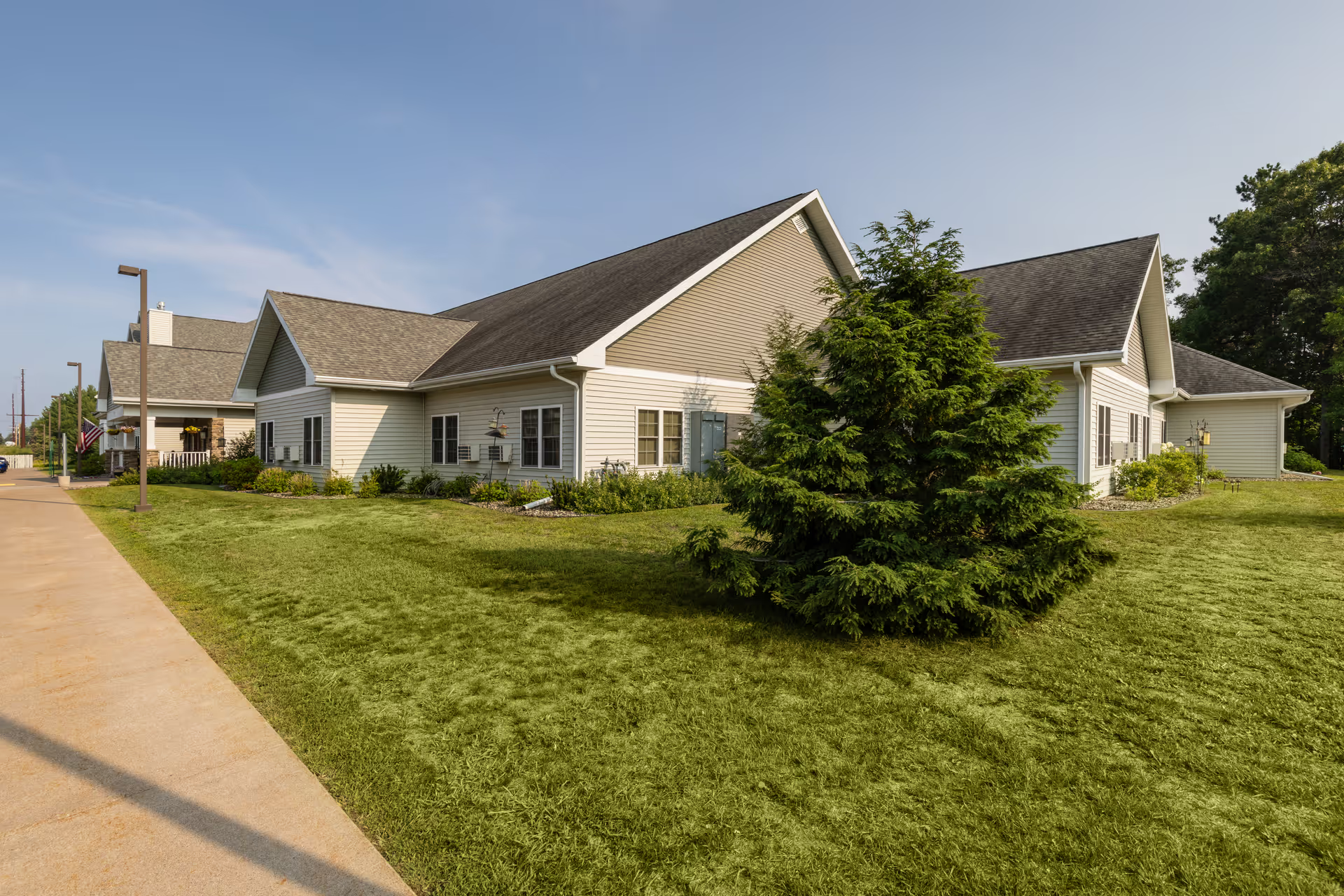
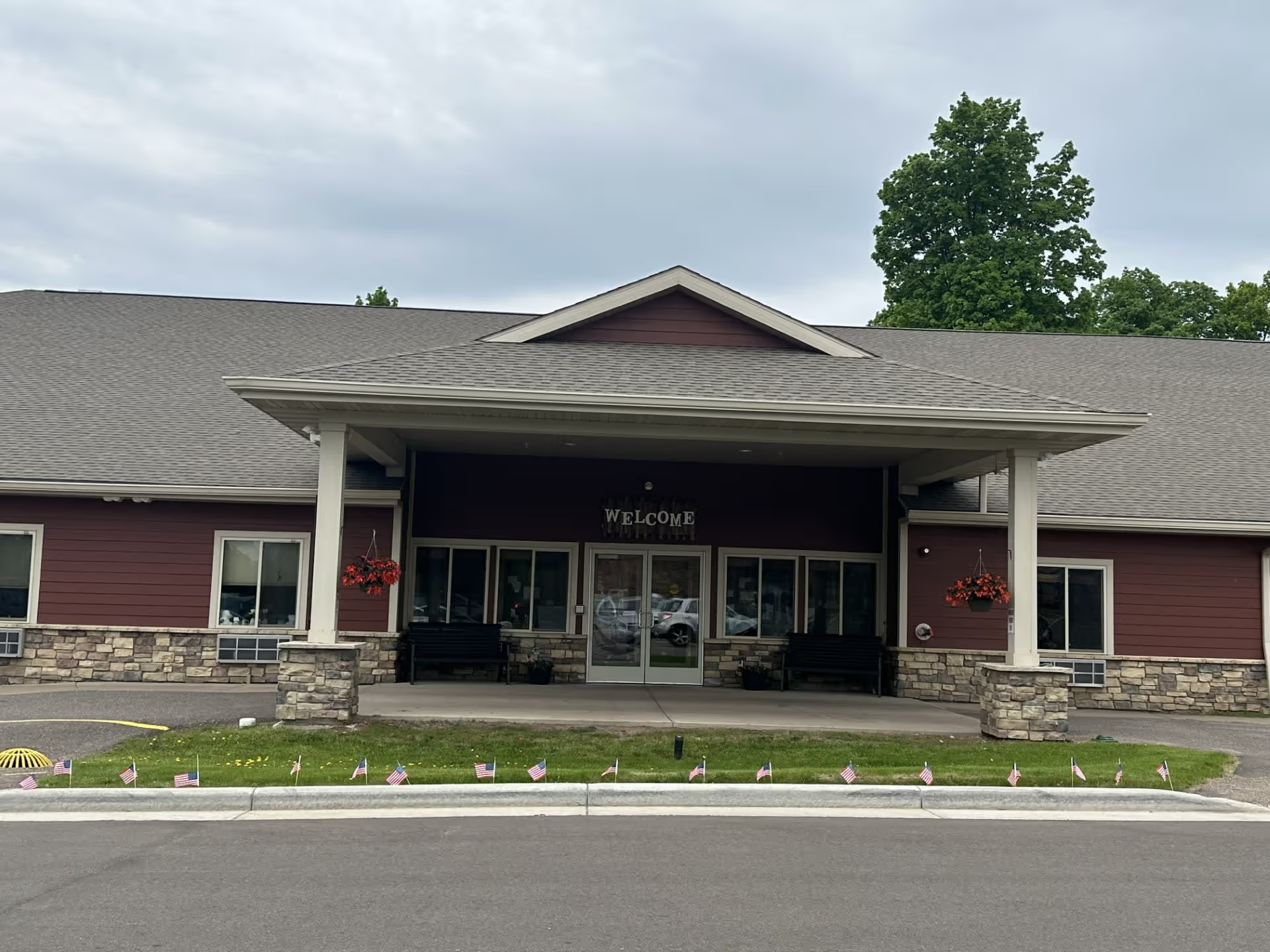
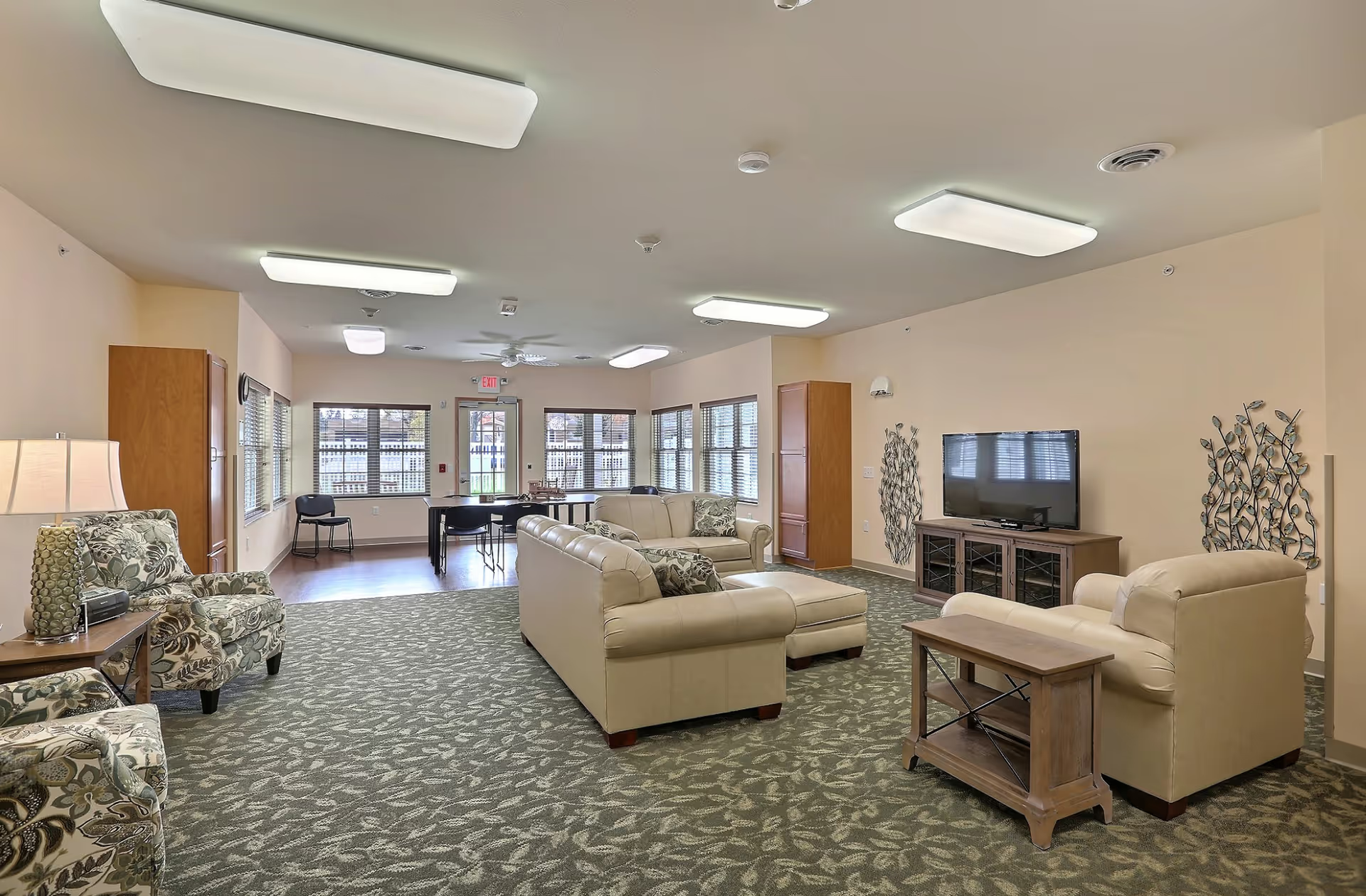
Facilities, dining, and activities: The available summaries contain no direct information about the physical facilities, dining quality, meal service, or activity programming. Because those topics are not addressed in the reviews provided, no evidence-based conclusions can be drawn about these aspects. The lack of commentary on these subjects should be noted as a gap in the data rather than an implicit endorsement or criticism.
Management, communication, and access: Significant and specific concerns cluster around management and communication systems. One reviewer reports an inability to contact a sister who is at the facility, with the posted phone numbers routing to a fax line and an intake worker unable to help resolve the problem. The caller was located in Oregon while the facility is in Michigan, which compounded the access problem and increased frustration. The combination of unreachable phone lines, ineffective intake assistance, and long-distance family members has produced a level of worry that led the family to contemplate contacting authorities. These details point to systemic administrative or telecommunications failures rather than isolated interpersonal issues, and they represent a serious operational risk from a family-satisfaction and regulatory perspective.
Patterns and recommendations: The reviews show a pattern of strong personal caregiving and resident atmosphere but weak administrative responsiveness and contactability. To address the negative themes revealed, the facility should prioritize verifying and publicizing correct, monitored phone numbers; ensure calls are answered or forwarded to a live staff member; provide clear escalation paths for intake and family concerns; and consider additional communication channels for distant relatives (scheduled video calls, designated family liaisons, or local advocates). From a regulatory and reputational standpoint, swift corrective action is important because family members have already expressed consideration of official complaints. Finally, because the dataset is small and focused on a few interactions, prospective residents and families should seek further, up-to-date information about management responsiveness, emergency procedures, and specific services (dining and activities) when evaluating the facility.
In summary, the available reviews portray a facility that delivers warm, home-like care through kind staff, but that is undermined by critical communication and intake problems that materially affect family trust and access. Addressing administrative and phone/contact deficiencies would likely resolve the principal complaints while preserving the clearly appreciated strengths in daily caregiving.