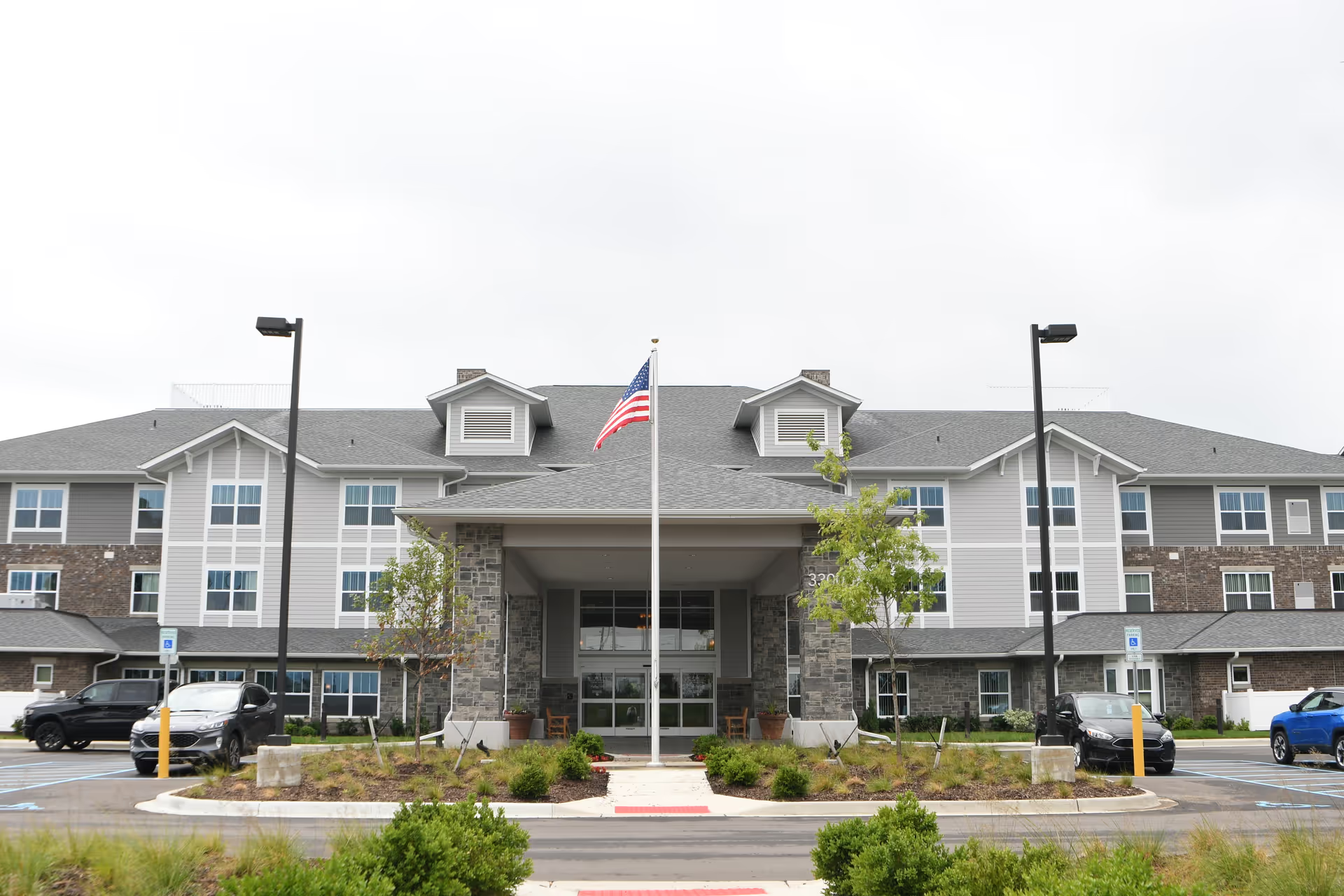
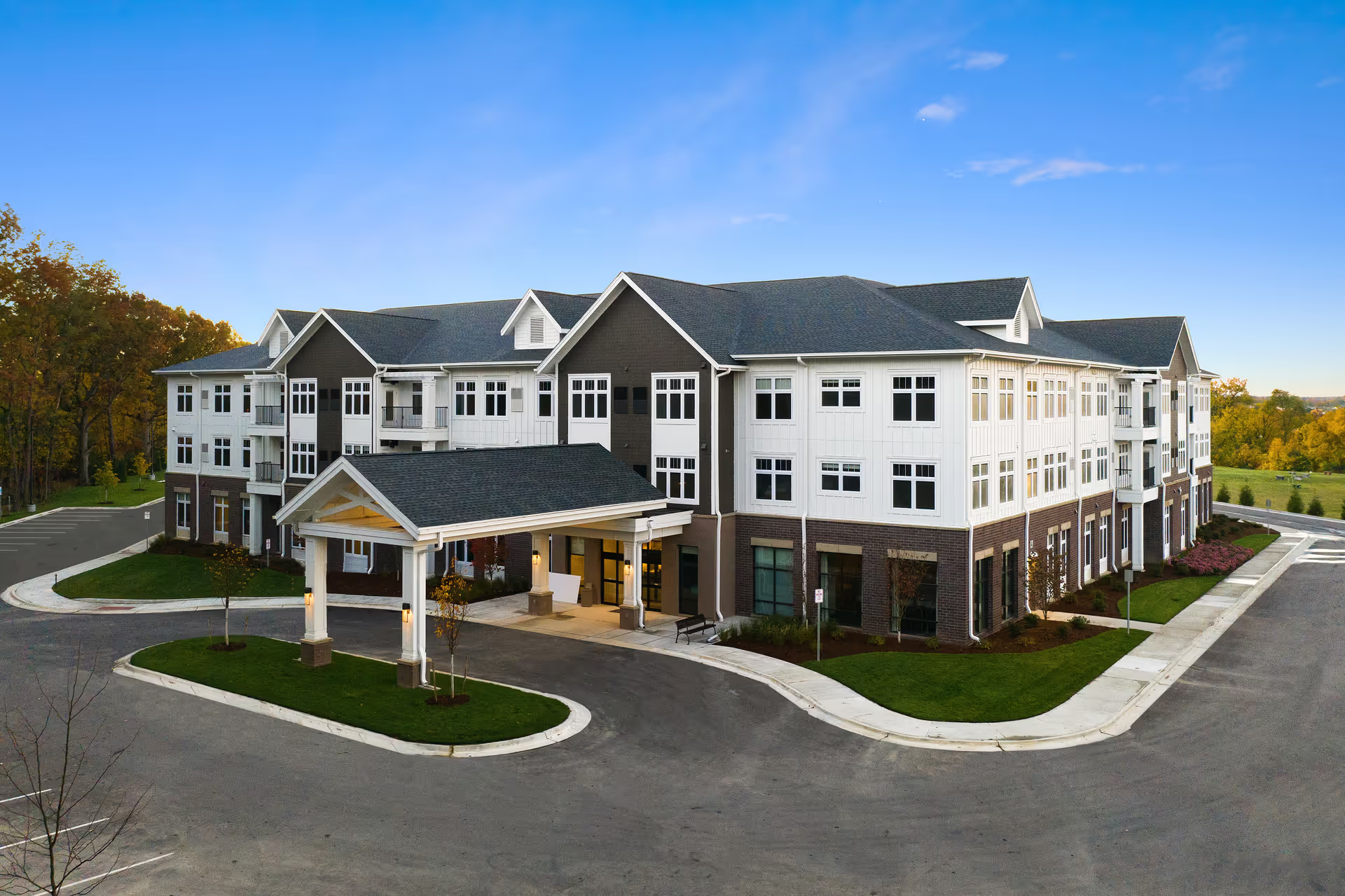
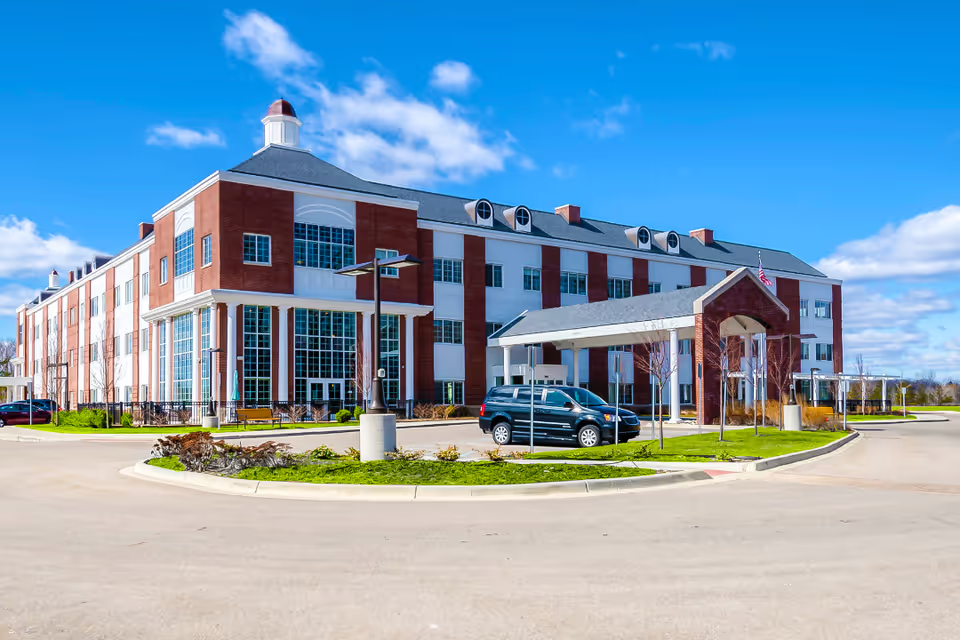
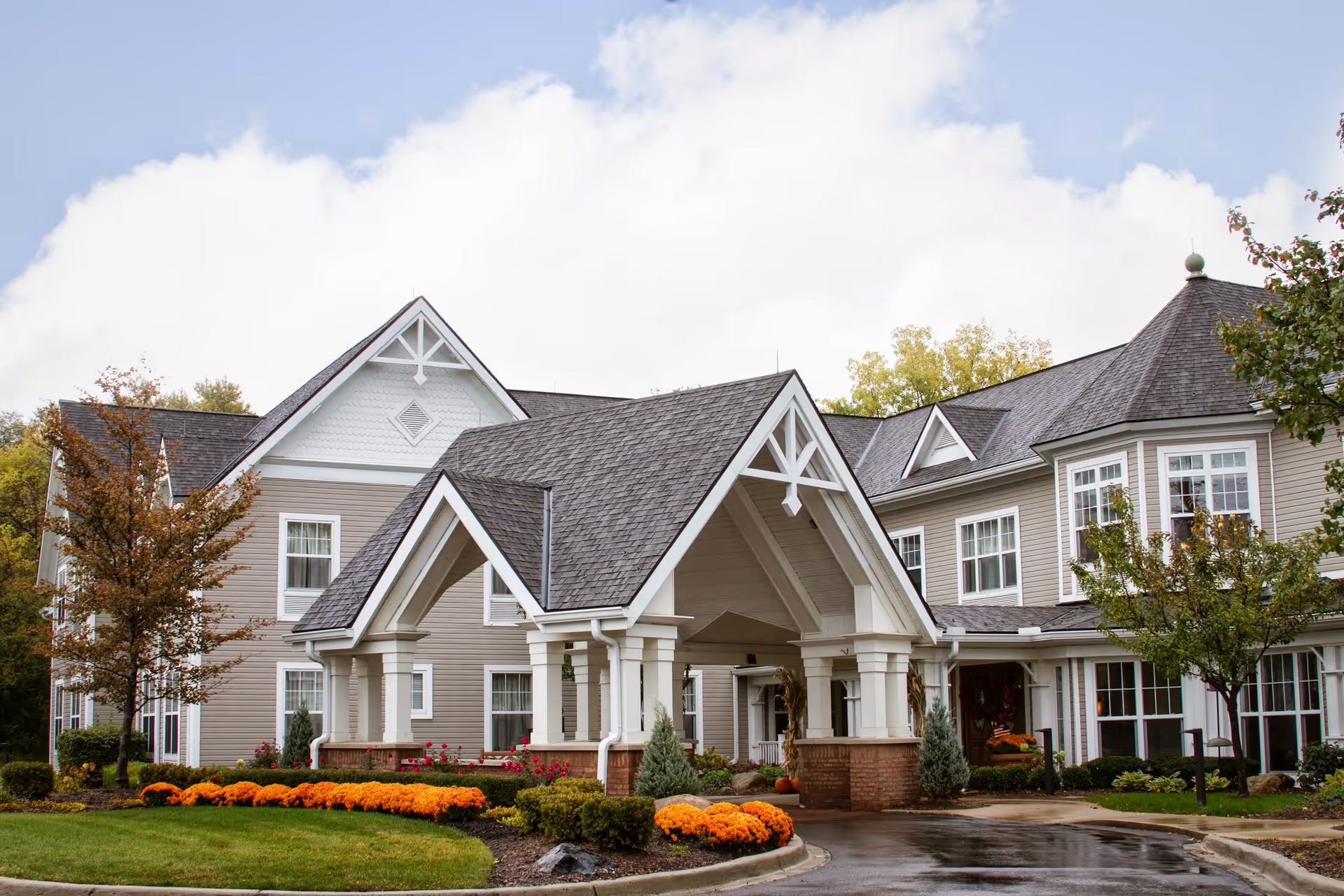
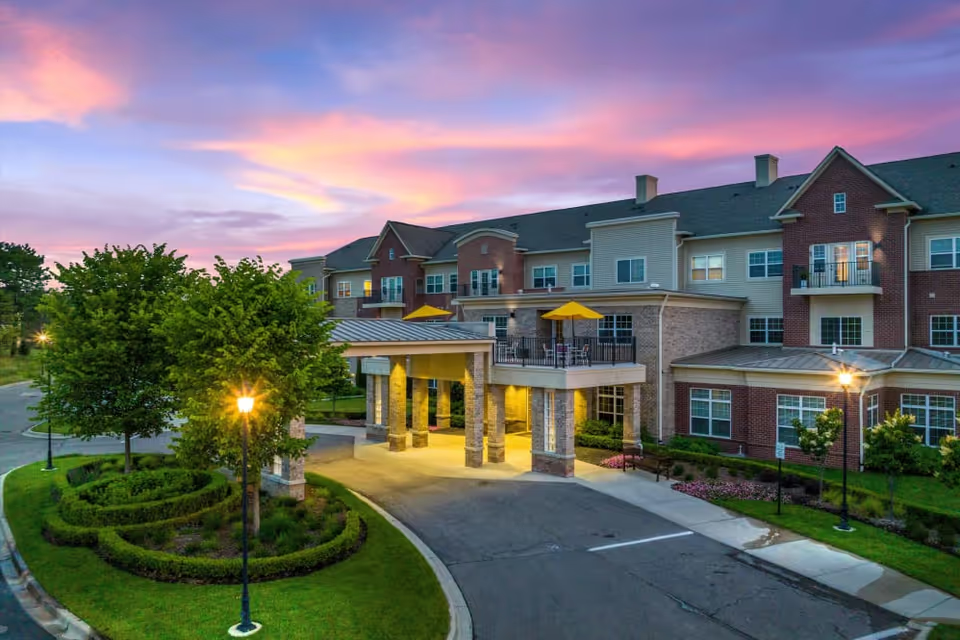
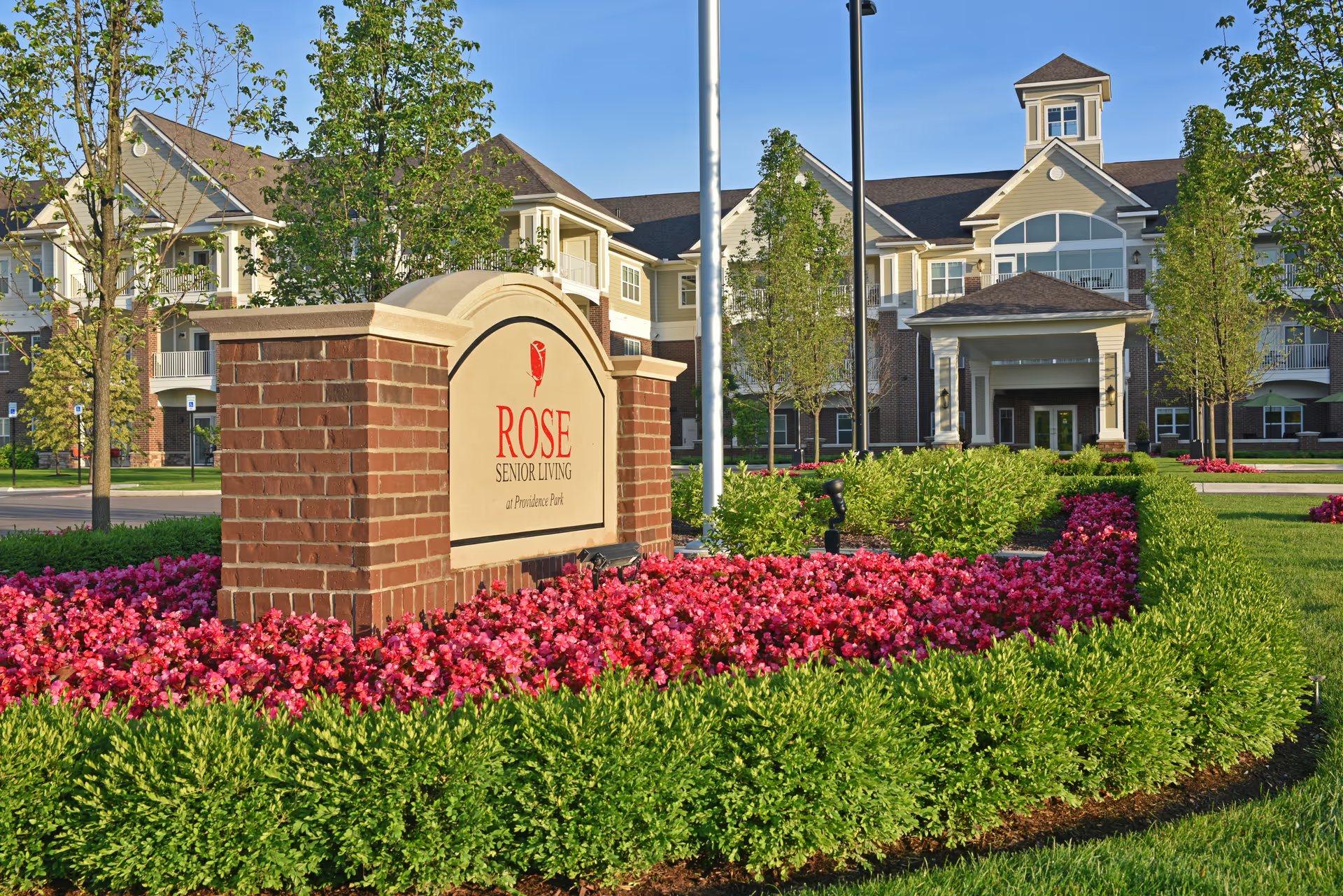
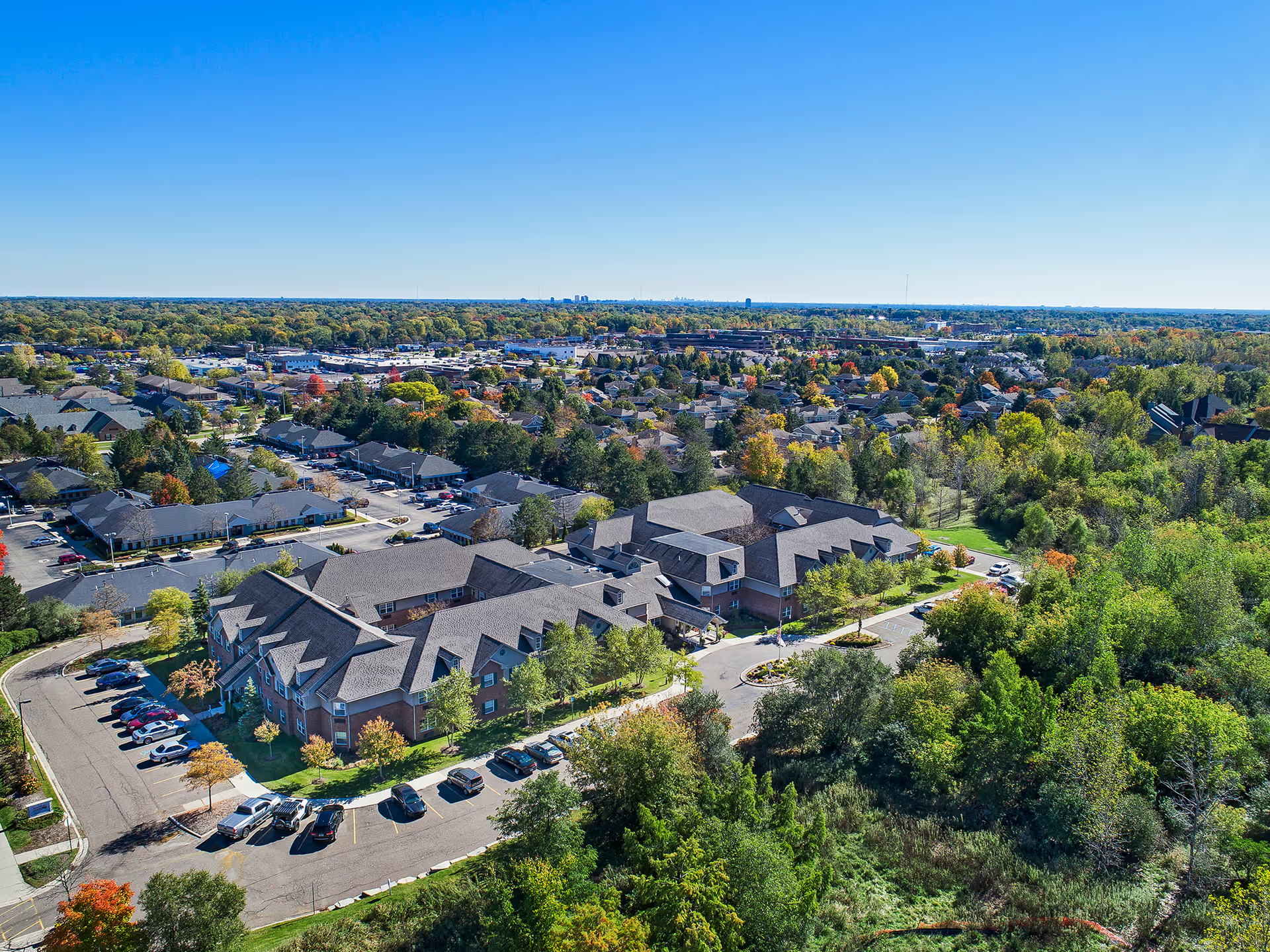
Overview Hampton Manor of Commerce presents as a newly built community with strong physical amenities and a number of operational strengths, particularly when management and staffing are settled. Reviewers frequently praise the facility’s modern design, spacious rooms, on-site salon and theater, courtyard spaces, and short-term rehabilitation services. Many families described compassionate, attentive caregiving and hands-on clinical support such as medication management and on-site clinicians, which provided peace of mind in a variety of circumstances.
Care and staff Care quality appears mixed but leans positive when experienced staff and new management are in place. Numerous comments highlight caring direct-care staff, welcoming admissions staff, and meaningful interactions between staff and residents. At the same time, multiple reviewers identified patterns that point to inconsistent staffing levels, turnover, and gaps in training. These operational traits can produce variability in day-to-day care, responsiveness and clinical follow-through; several families specifically recommended confirming current staffing, training practices, and clinical oversight during a tour.
Dining and services Dining receives both praise and criticism. Positive feedback includes menu choices at each meal, dessert options, accommodations for allergies or special orders, and praise for kitchen staff when present. Conversely, reviewers described intermittent kitchen coverage, limited meal variety during staffing gaps, and occasional continuity problems. Housekeeping and laundry are often cited as strengths when staffed; however, other accounts described variability in personal-care servicing and sanitation processes. Prospective families should ask about current kitchen scheduling, meal plans, and housekeeping routines.
Activities and social life The community offers a range of recreational and social programming—exercise classes, bingo, entertainment, holiday events and outdoor barbecues are cited as highlights. Reviewers also noted that activity levels depend on occupancy and staffing: programming can be strong with a dedicated activities director and an adequate census, and more limited during low-occupancy periods or while the team is being built out. Confirming the current activities calendar and average participation can clarify whether the social environment will meet a particular resident’s needs.
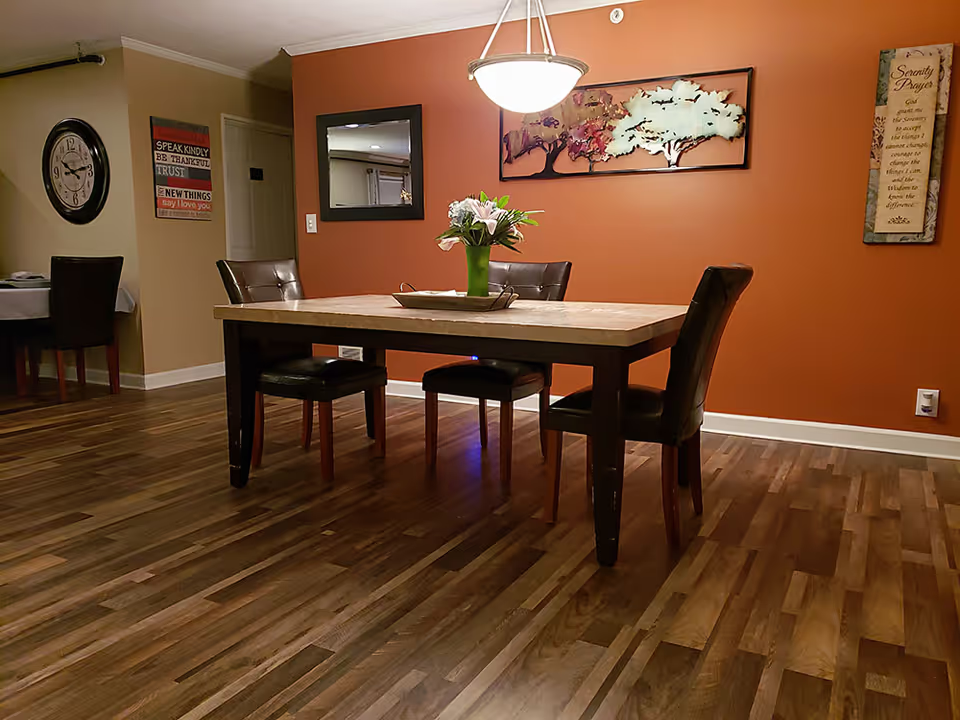
Facilities and design Physical amenities are a consistent positive. The building’s finishes, courtyard views, high ceilings in main areas, and well-appointed common spaces draw favorable comments. Memory-care units were described as having smaller footprints and lower ceilings relative to the rest of the community; families should evaluate those floor plans in person to determine fit. Maintenance support and responsiveness receive positive mentions when the on-site team is engaged.
Management and notable patterns A notable pattern across reviews is variability over time tied to leadership and staffing changes. Several reviewers praised improvements after management turnover and the arrival of a new administrator or activities director; others recounted earlier operational deficiencies that included limited staffing, communication gaps and concerns about pricing transparency. More serious concerns were referenced in a limited number of accounts, including involvement of protective services and questions about credentialing; prospective families should review current regulatory records and inquire directly about credentialing, complaint resolution, and staffing stability. Also verify admissions and billing practices to avoid surprise rate changes.
Bottom line Hampton Manor of Commerce offers many of the physical amenities and clinical services families seek in a newer community, and many reviewers describe positive experiences with staff and programming once leadership and staffing are fully established. At the same time, variability in staffing, training, and operational consistency has produced mixed experiences. Prospective residents and families are encouraged to tour the community, meet current care and activity staff, review recent regulatory records, inspect memory-care units in person, and ask specific questions about after-hours coverage, meal continuity, and billing procedures to confirm the community’s current performance and fit for their needs.