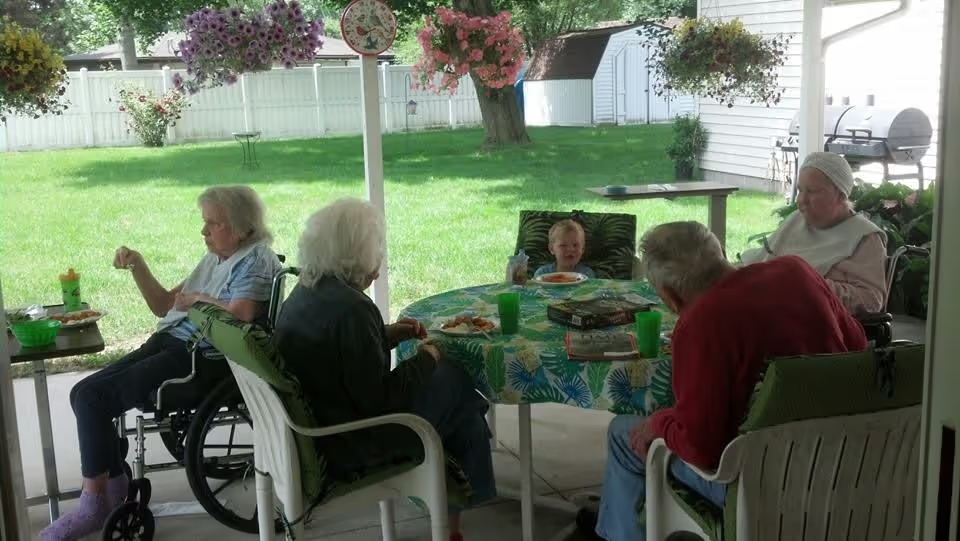
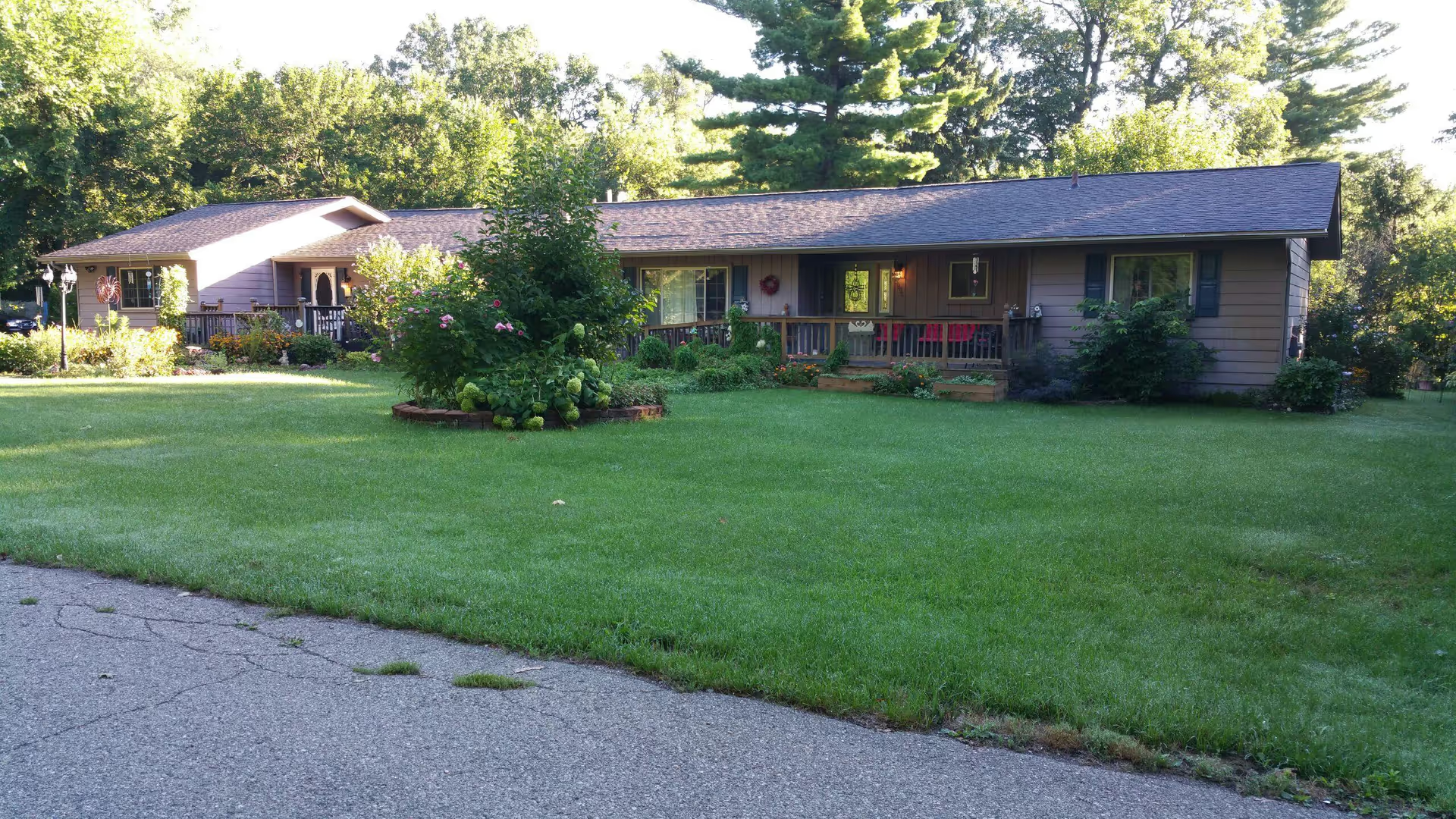
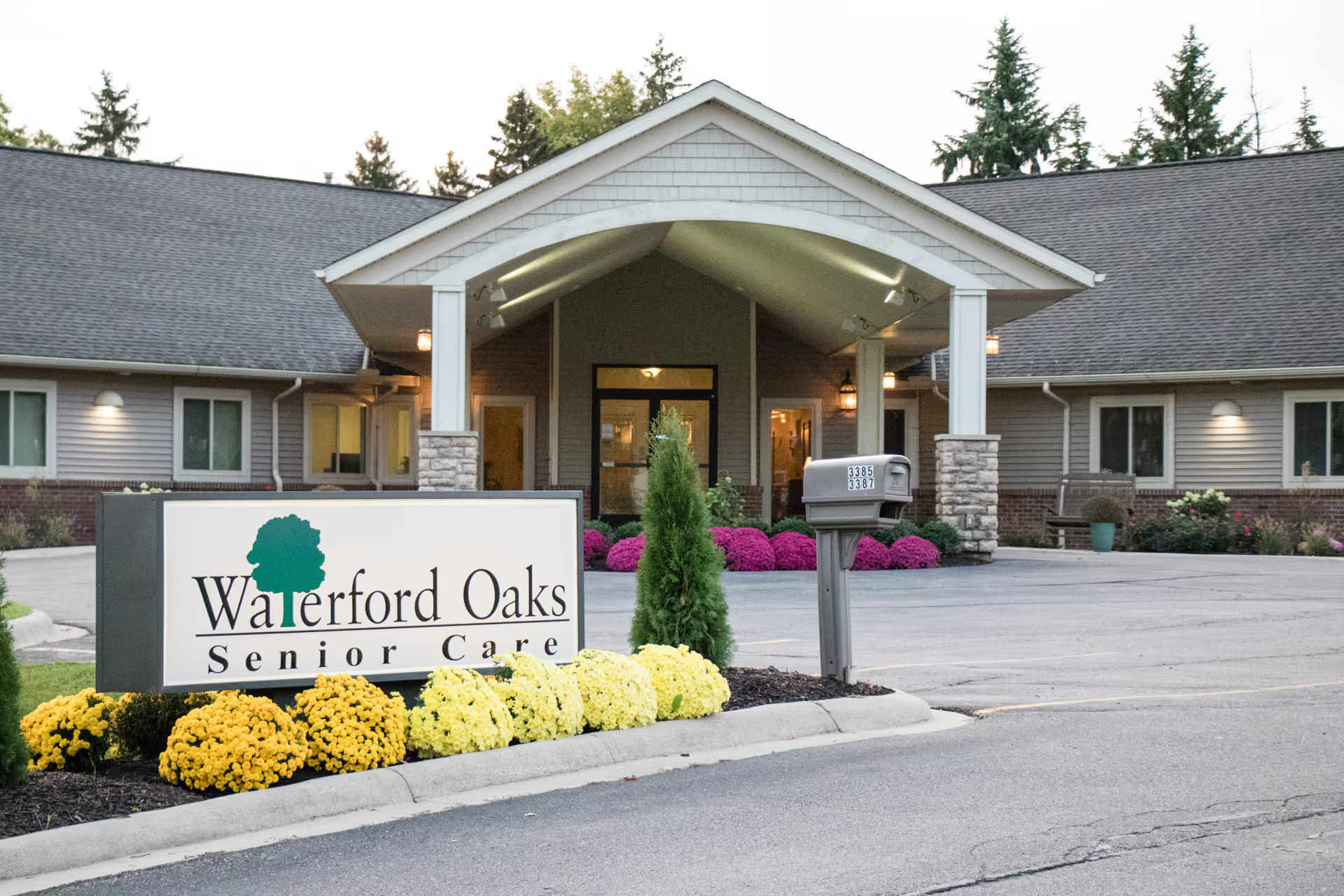
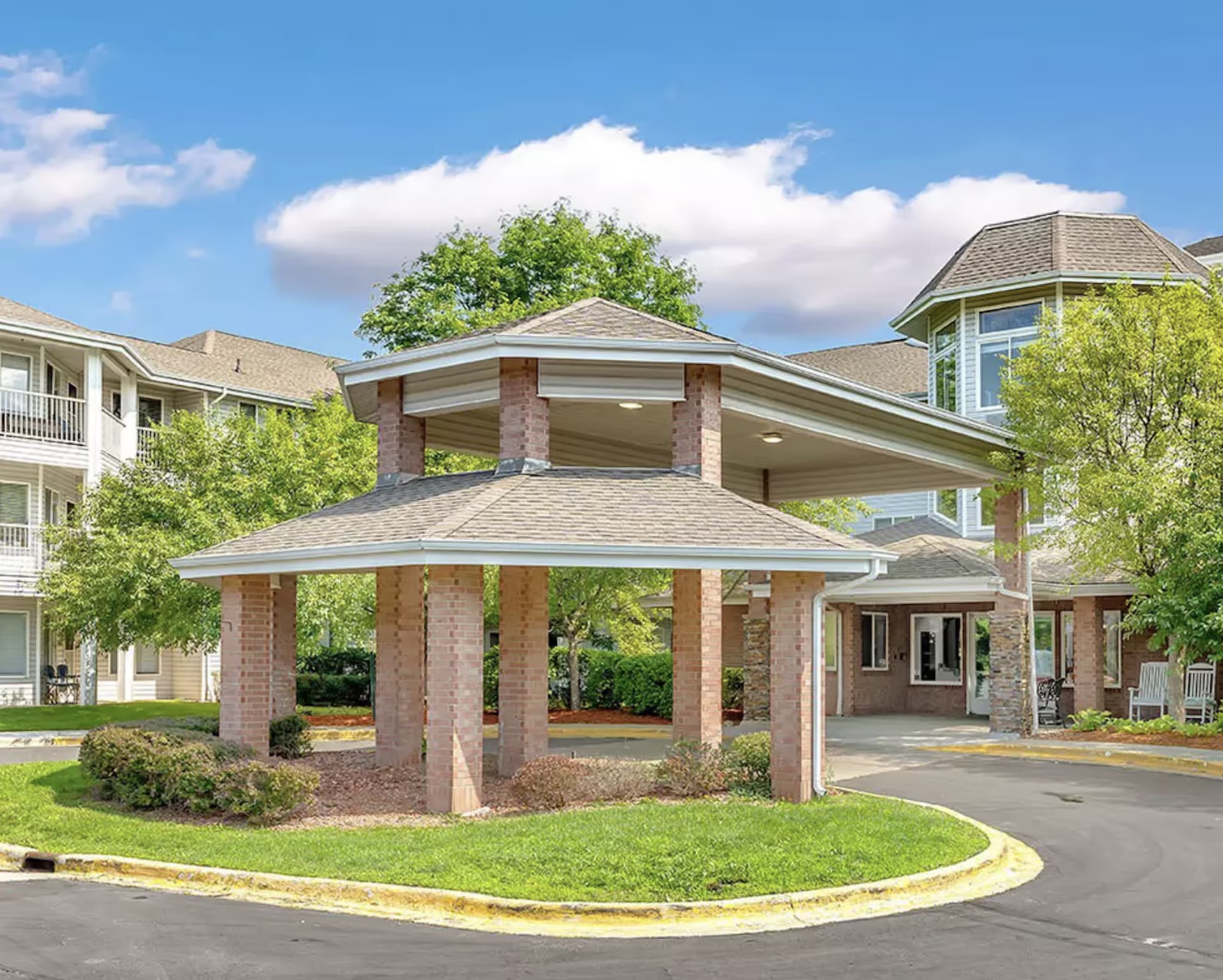
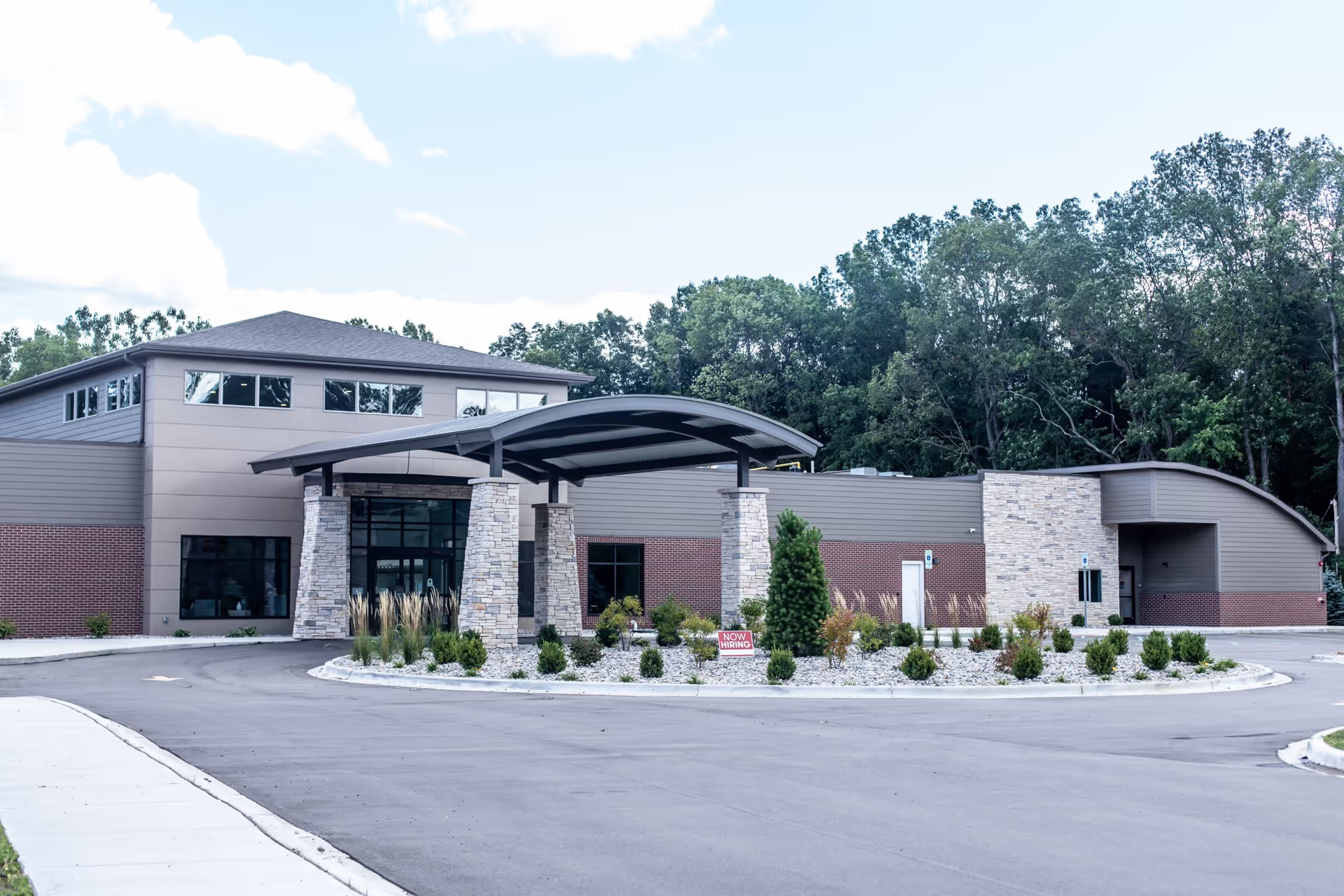
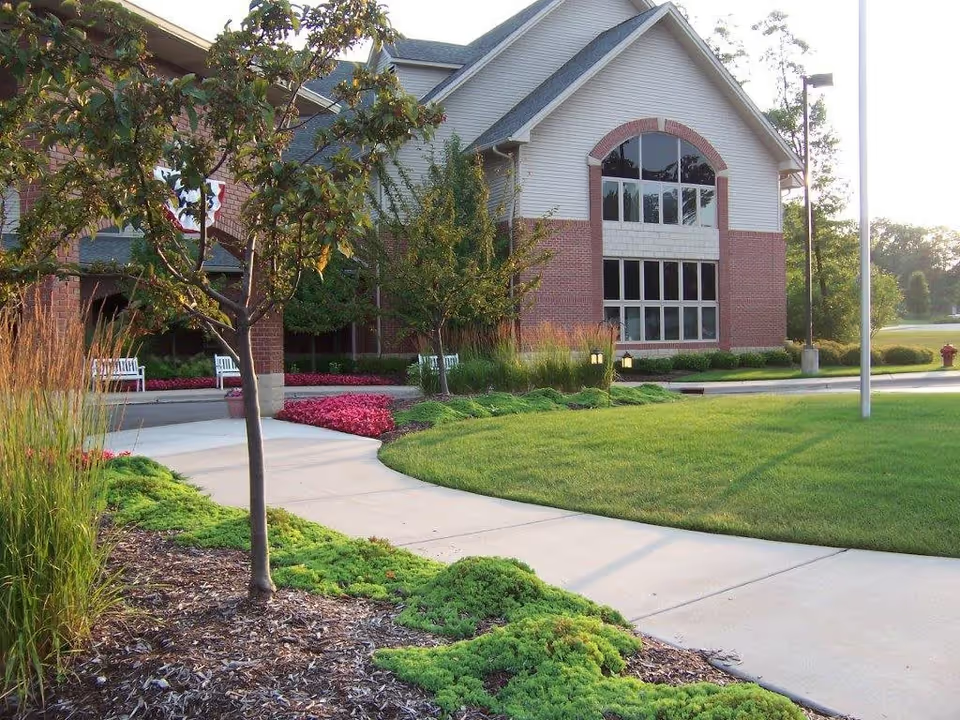
Caremore of Waterford / Drake Wood Manor presents as a small, home-like assisted living option that many families describe as warm and family-centered. Strengths highlighted across reviews include consistently attentive and communicative staff, individualized attention typical of a 16-resident setting, proactive family updates, and particular clinical strengths such as wound and circulatory care. The facility offers private, bright rooms and common spaces with natural light, and some units have newer, open layouts. Cost is frequently described as reasonable and Medicaid-friendly, which is a key advantage for families on limited budgets.
Staff culture is a recurring positive: reviewers commonly note compassionate interactions, respectful treatment, and staff who will accommodate communication needs (for example, for Deaf residents). Several accounts praise the management's responsiveness and a collaborative, family-oriented approach. At the same time, staffing levels are an operational concern; reviewers indicate that staffing can be thin at times—notably on overnight shifts—which contributors say can stretch staff capacity and affect timeliness of care.
Dining and activities show mixed but generally acceptable performance. Many residents and families appreciate home-cooked meals and daily meal preparation, while others describe more basic offerings or reliance on prepackaged/frozen options at times. Activity programming includes regular exercises and social offerings that appeal to residents who are still fairly independent, though families seeking a broader or more varied activity calendar may find options limited.
Facility and safety considerations reveal trade-offs typical of a small, older home. The property is praised for its cozy, ranch-house vibe, convenient location, and ease of visiting. Conversely, there are recurring concerns about maintenance and aging furnishings, layout constraints for residents with mobility limitations, and occasional sanitation or odor concerns in some areas. Safety-related operational issues include limited secure outdoor perimeter elements (proximity to a main road and lack of fencing) and parking/winter access challenges. Reviewers also raised concerns about gaps in personal-care follow-through and resident monitoring, which they link to fall risk and loss-of-item incidents in a few cases.
Overall pattern: families who prioritize personalized, compassionate staff, a small-community atmosphere, and affordability tend to rate the facility positively. Those who require higher staffing reliability, more robust mobility-accessible spaces, or consistently high culinary standards express more reservations. Prospective residents and families should tour the facility, ask specific questions about current staffing patterns (especially nights), personal-care and fall-monitoring protocols, how meals are prepared, and perimeter safety measures to determine fit with their needs.