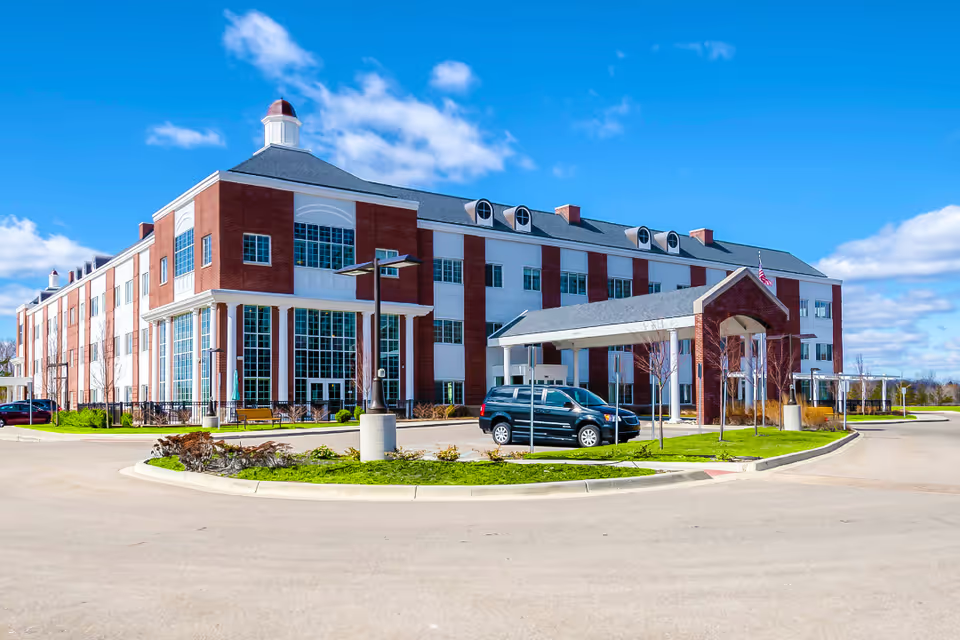
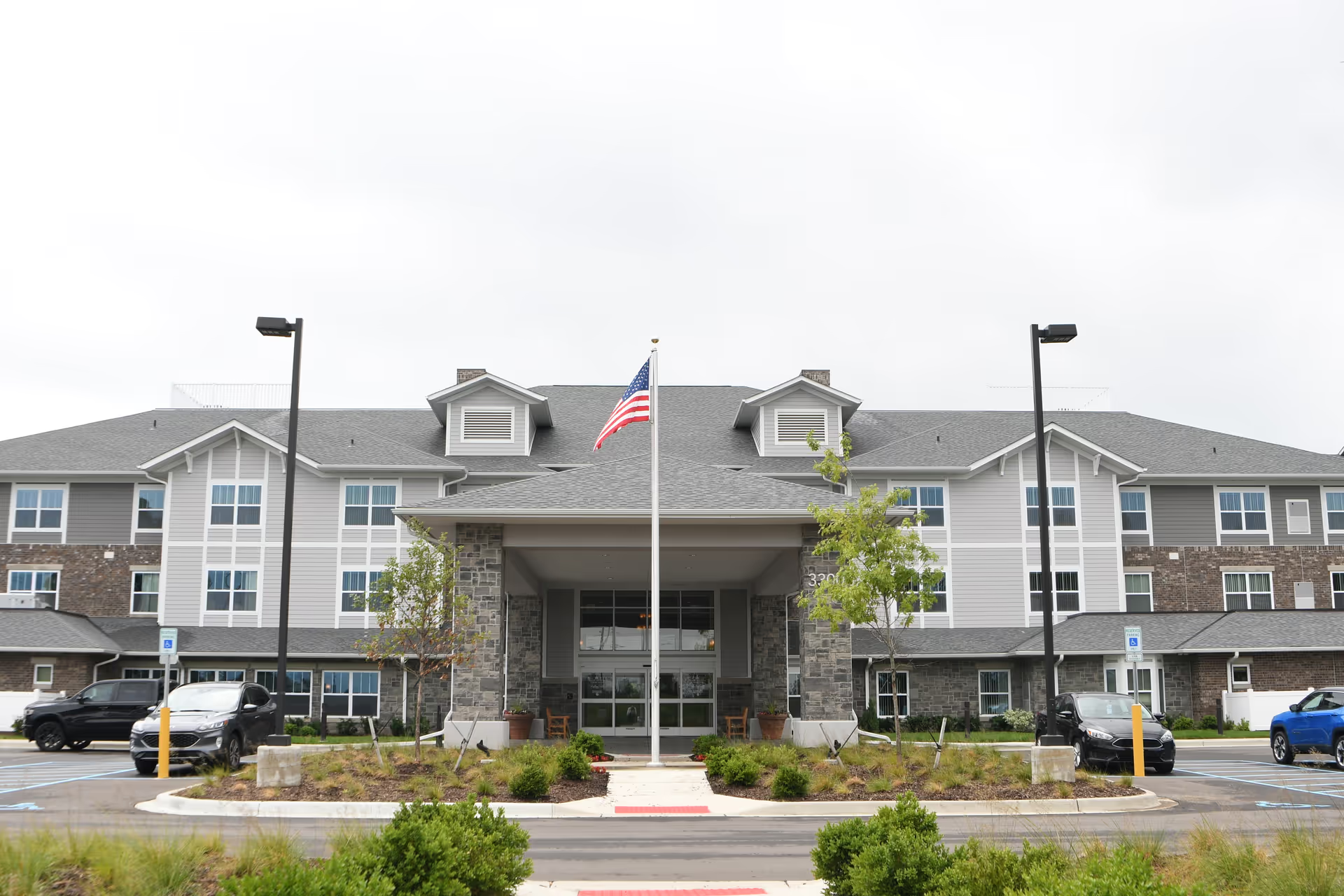
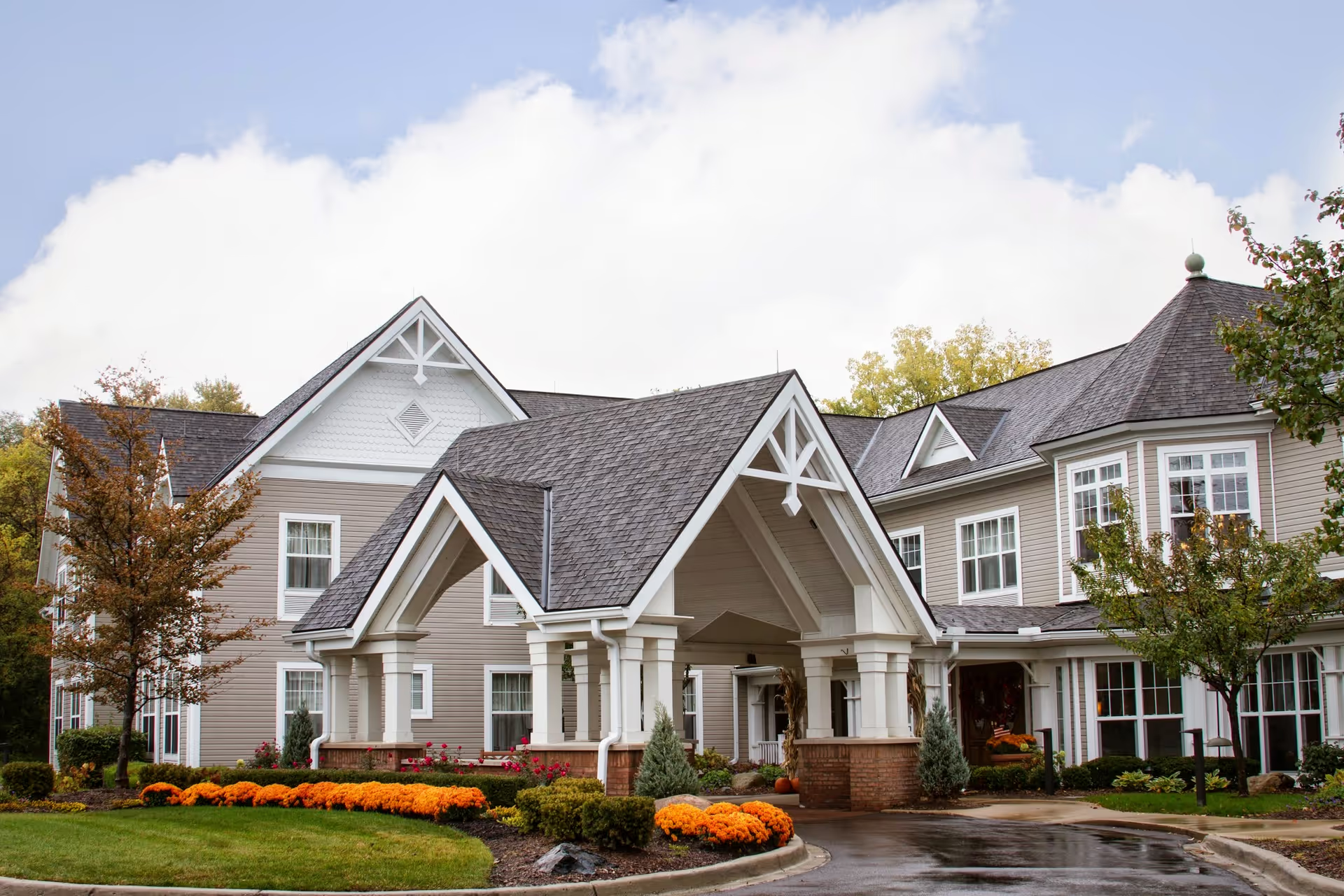
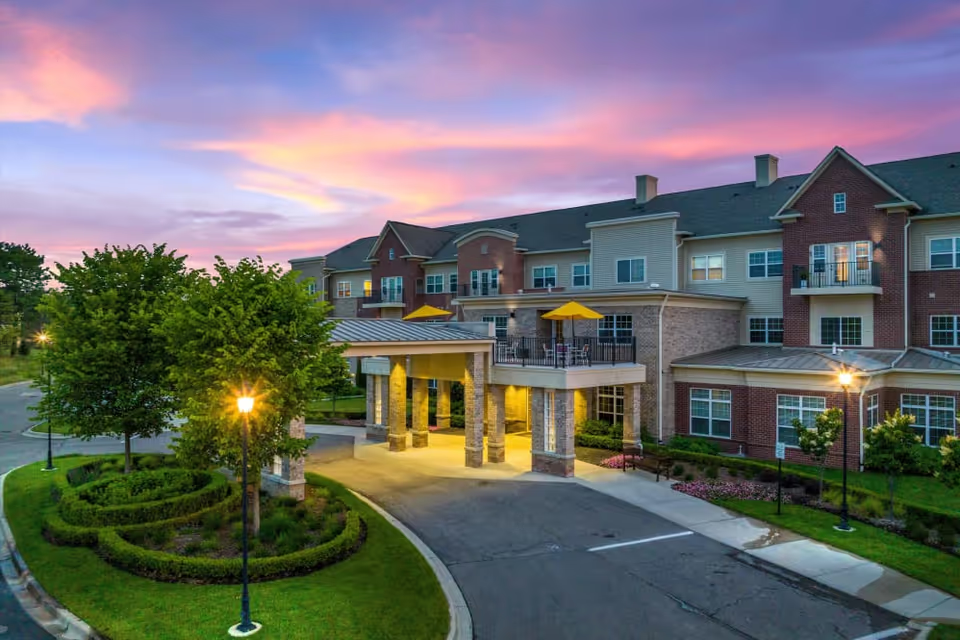
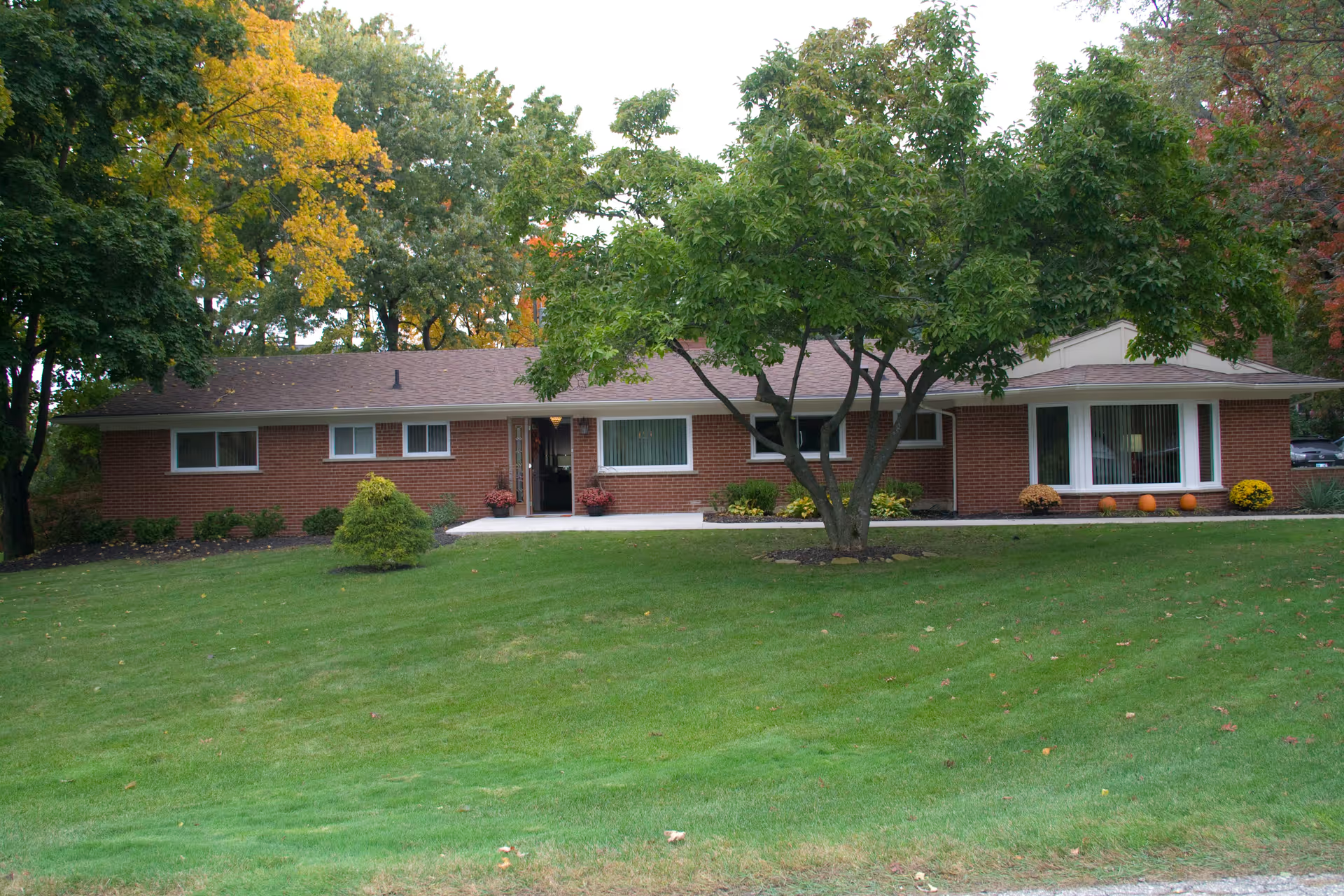
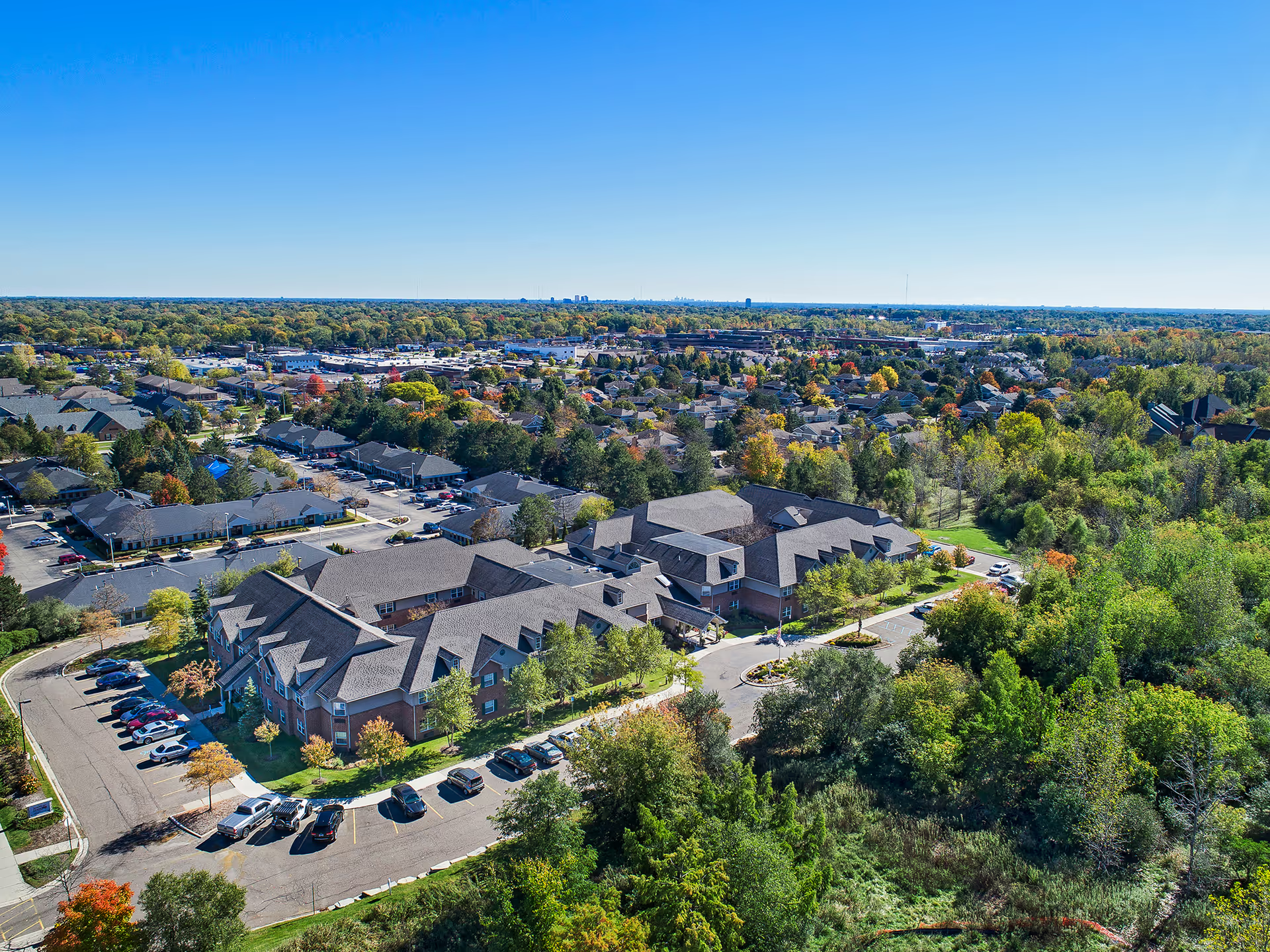
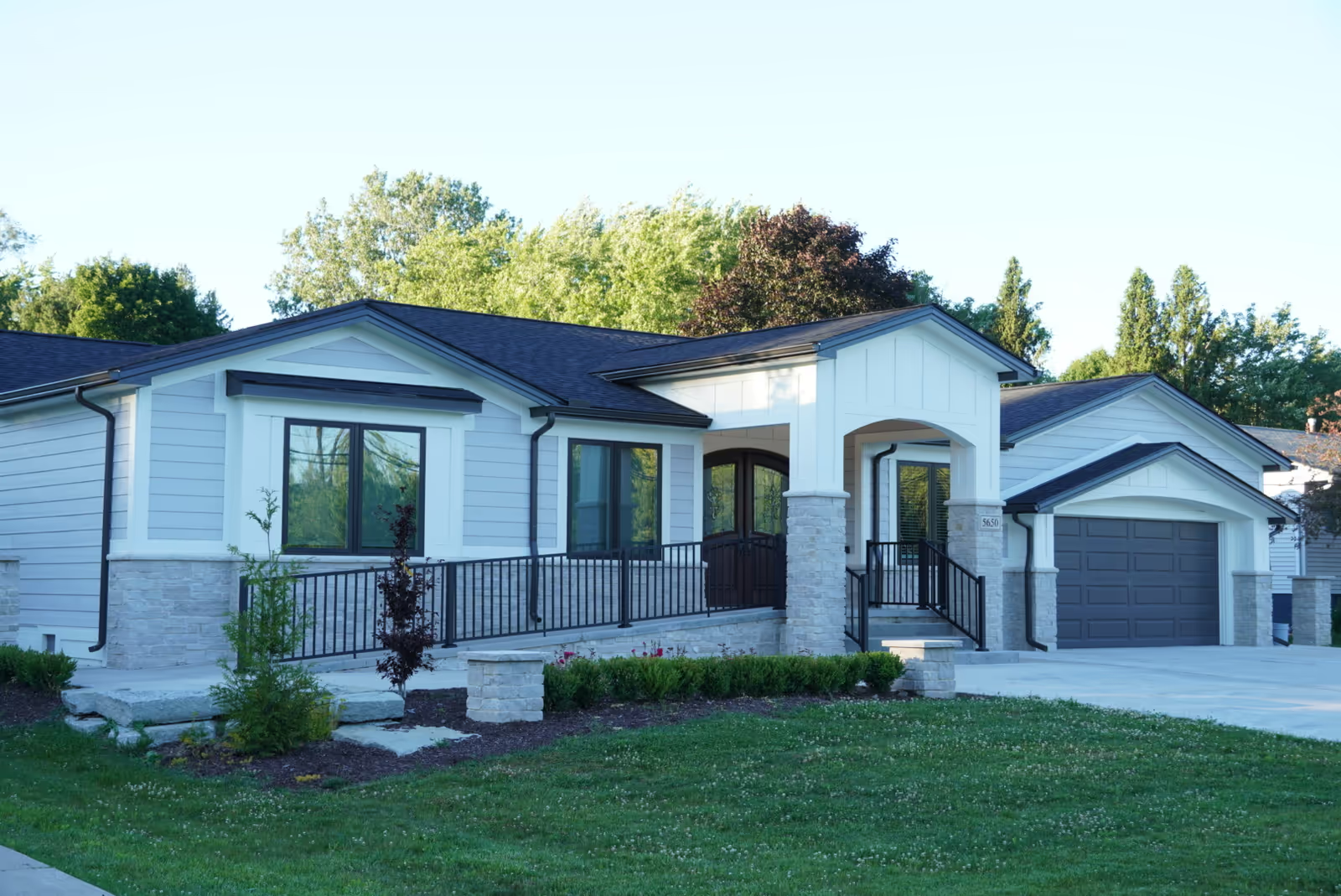
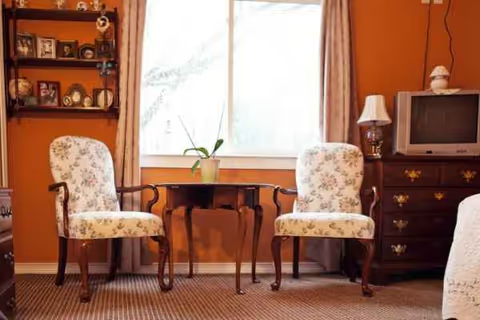
Cranberry Park of West Bloomfield is frequently described as an attractive, newer, small-community assisted living environment with tasteful decor, spacious rooms, and a clean, well-maintained campus. Reviewers commonly praise the on-site therapy offerings and home-style dining; the dining experience is often characterized as satisfying and familiar. Admissions and family-facing processes are described as smooth by many, and several accounts note accommodating, accessible on-site ownership and leadership who are visible during the move-in and care-planning process. The facility is positioned as suitable for both long-term and respite stays and is presented as relatively affordable in relation to its amenities.
Care quality and frontline staff are a source of both strong praise and notable concern. Numerous accounts highlight compassionate, attentive aides and nursing staff who provide personalized attention and go beyond baseline expectations; small-community scale and doctor oversight are cited as factors that support individualized care. At the same time, a persistent operational pattern emerges: high turnover and chronic staffing shortages—often most acute on night shifts—are associated with inconsistent monitoring, intermittent checks, and delays in attending to residents. Several families described improvements tied to specific leadership hires (for example, a Wellness Director) and more consistent staff assignments, indicating that care quality may vary with current staffing and management practices.
Clinical operations show similar mixed signals. There are positive references to experienced nursing leadership and in-house therapy staff, but reviewers also describe gaps in medication-management processes, including delayed medication administration and challenges with medication ordering and reconciliation. These issues are linked in some accounts to staffing stressors and to inconsistent application of medication protocols. Concerns about clinical training and supervision accompany descriptions of unprofessional conduct by particular clinical staff; this has contributed to family unease about communication tone and the facility’s responsiveness to clinical questions.
Management and organizational culture present a divided picture. Some reviewers praise proactive, visible leaders who introduced new ideas and improved day-to-day care; others characterize management as ineffective or poorly responsive to family concerns, with marketing and admissions activity perceived at times as prioritized over operational follow-through. There are also privacy and surveillance concerns noted around camera placement and practices, and isolated but serious claims involving personal-property loss or financial conduct have been raised. Those latter claims are described as allegations and suggest the value of clarifying facility policies on security, property management, and family communication.
Overall, Cranberry Park offers many features attractive to prospective residents: an appealing physical environment, on-site therapy, home-style dining, and a number of dedicated caregivers who provide warm, personalized support. At the same time, recurring operational weaknesses—most notably staffing instability, inconsistent monitoring, medication-process gaps, and variable management responsiveness—create variability in the resident experience. Prospective families should weigh the facility’s physical and programmatic strengths against those operational risks. Practical next steps include touring during varied times (including evenings/nights), asking about current staffing levels and turnover, reviewing medication-management and property-security policies, meeting nursing leadership, and speaking with current residents’ families to understand day-to-day consistency before making a placement decision.