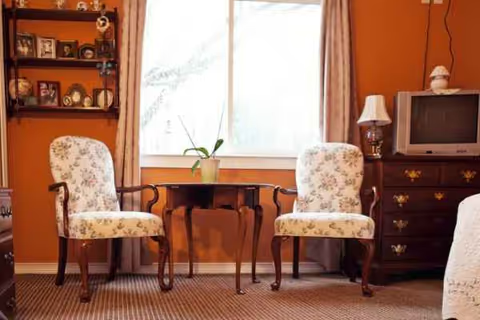
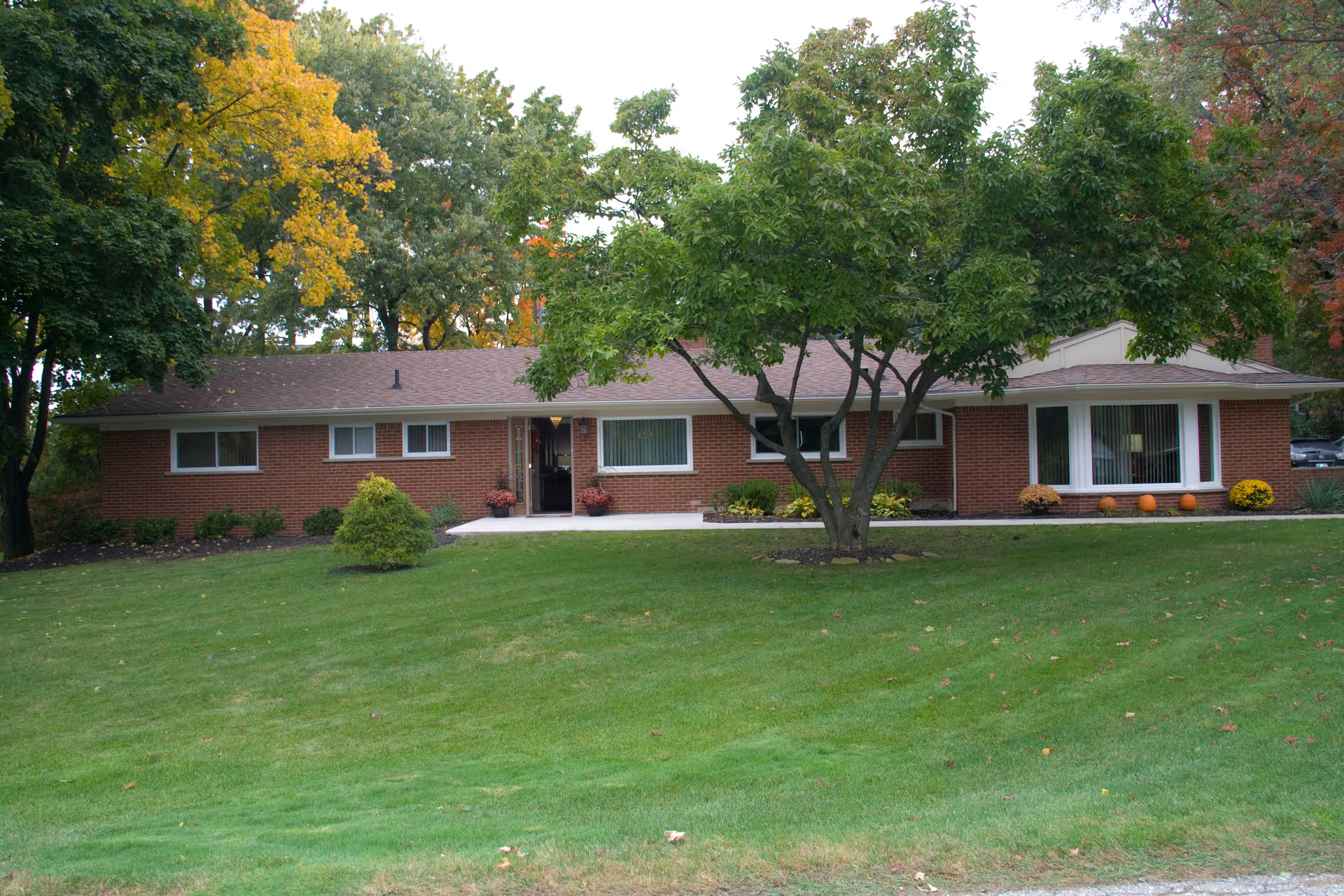
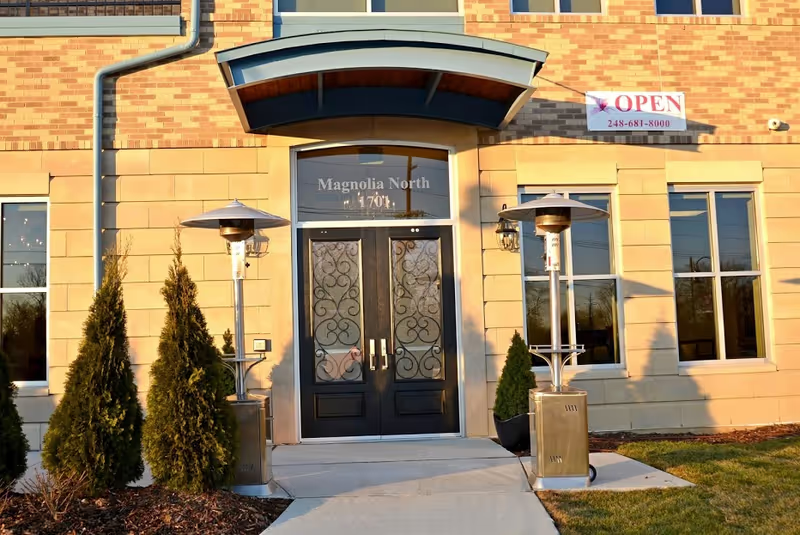
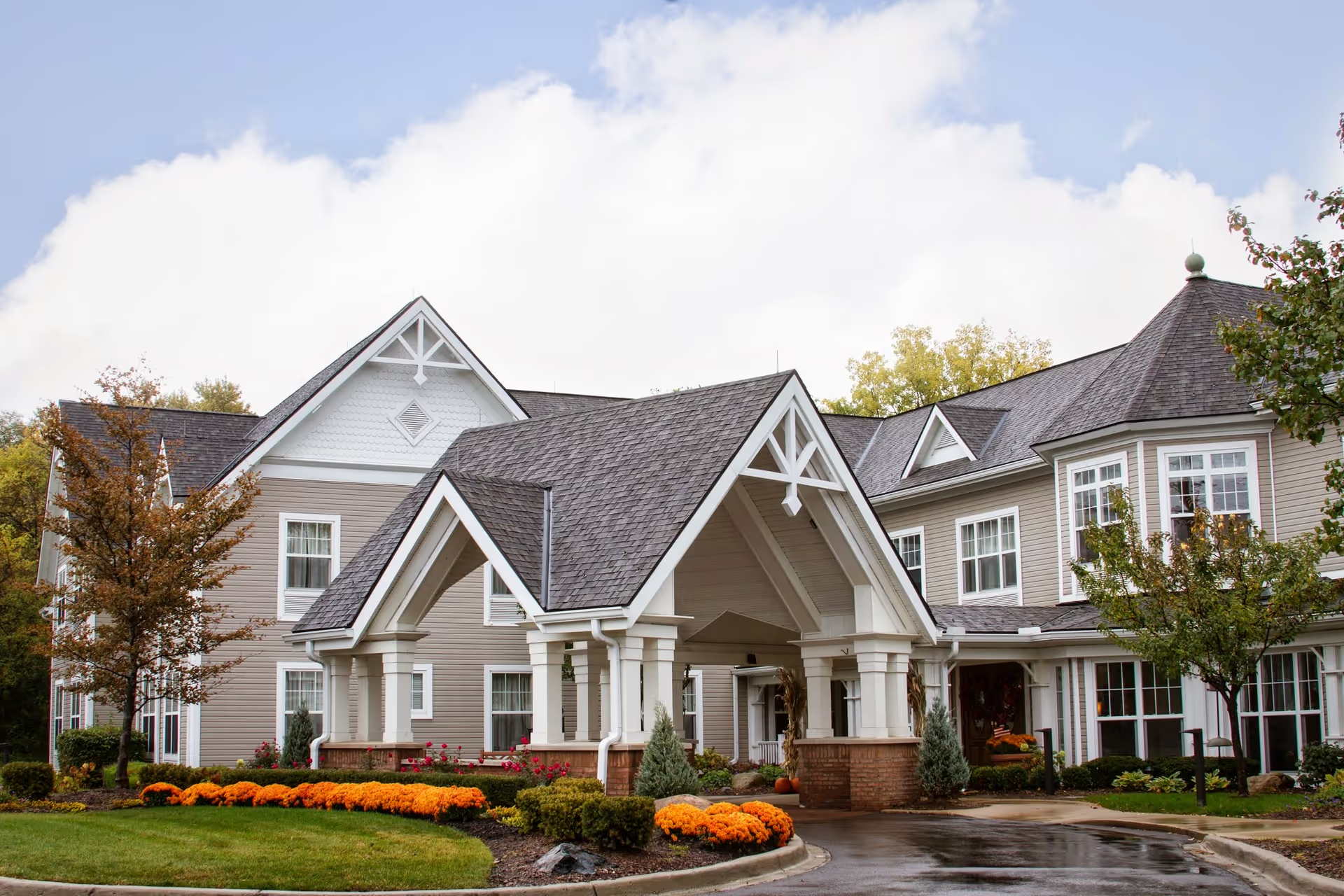
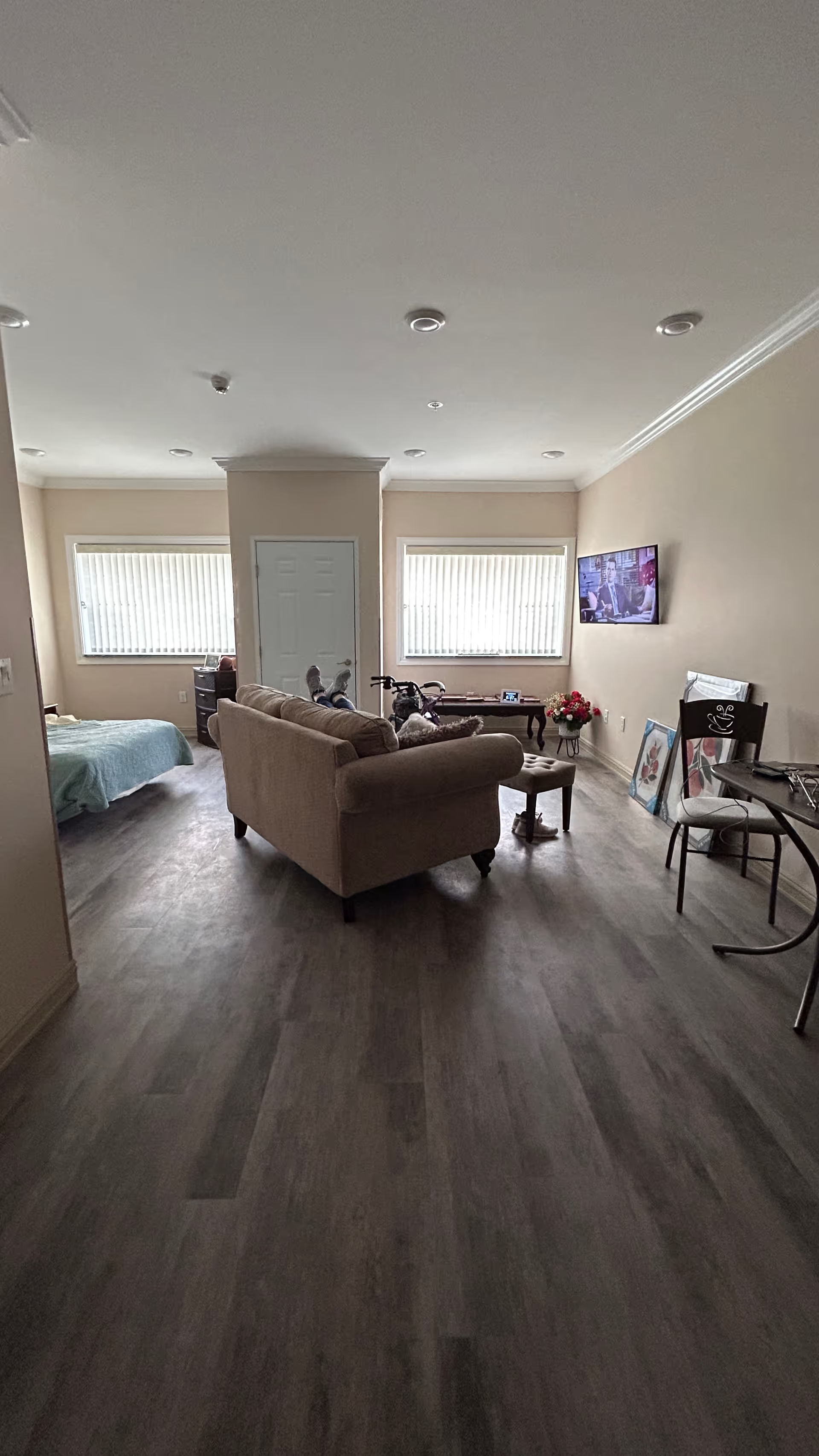
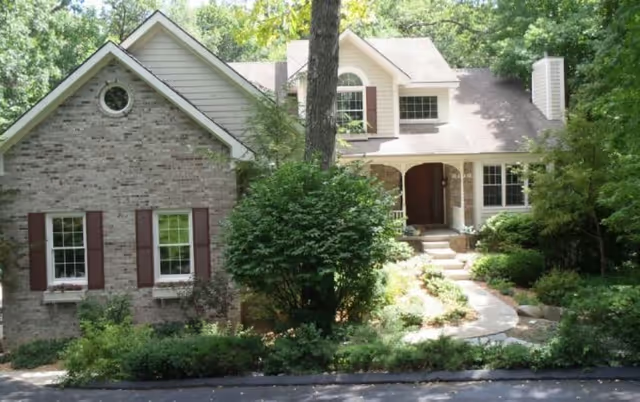
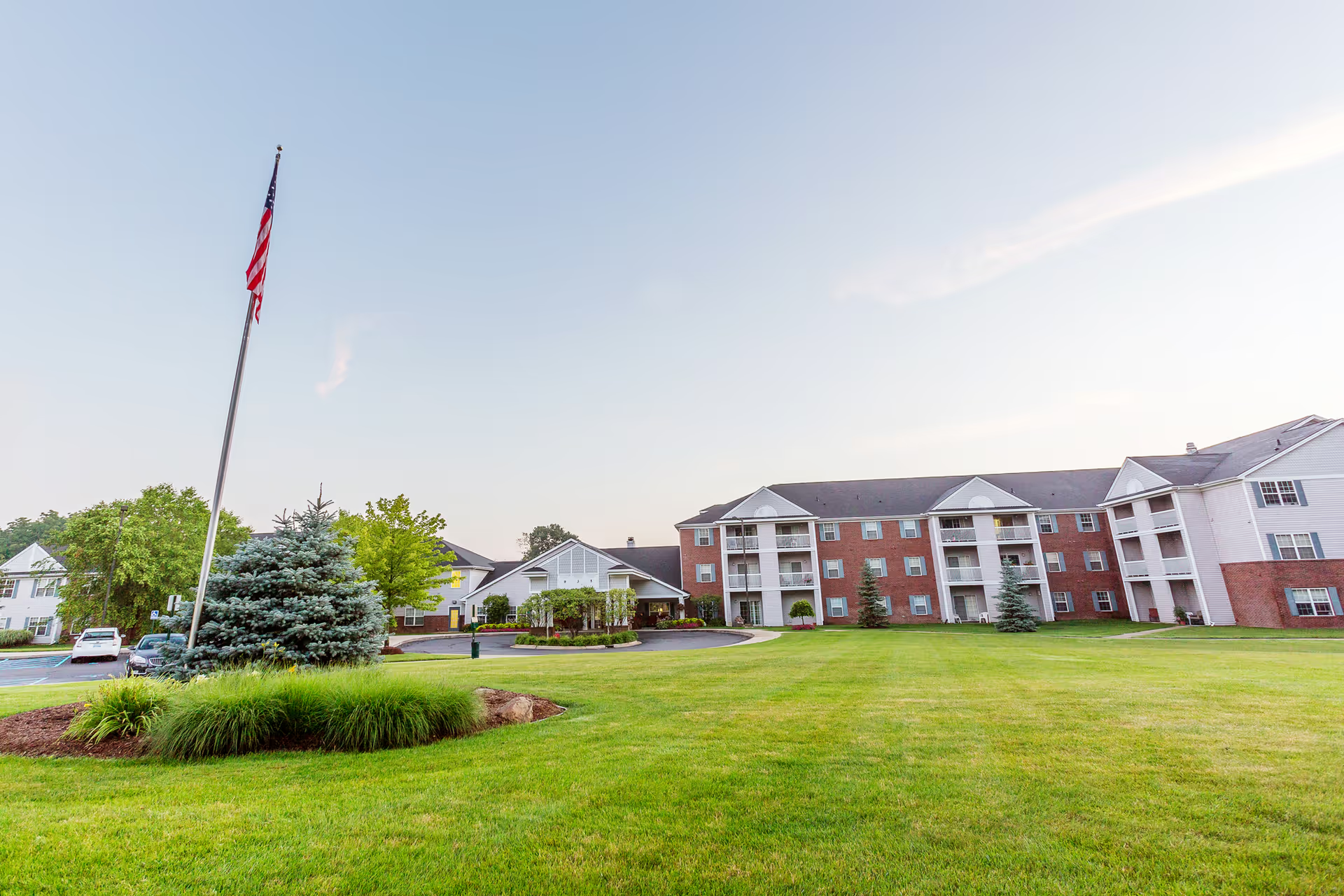
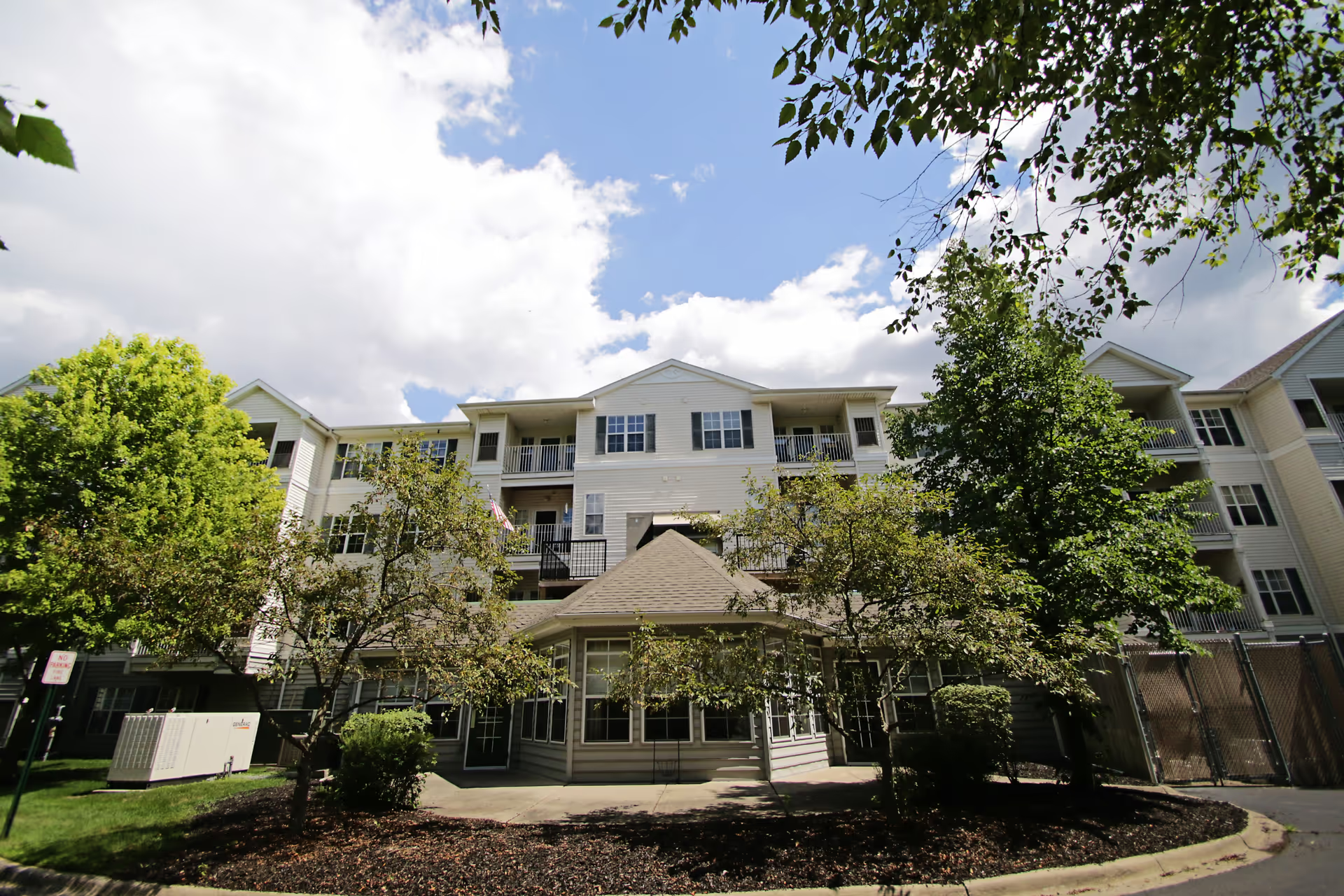
Overall impression: Families and visitors frequently describe the facility as a well-maintained, home-like environment with scenic grounds, strong cleanliness standards, and a tight-knit caregiving team. Many accounts emphasize compassionate, person-centered interactions, consistent staff continuity, and a broad array of social and therapeutic offerings that support quality of life for residents. Physical accommodations such as private furnished rooms, in-room entertainment, and modern assistive equipment contribute to a comfortable living environment.
Care and staffing: Reviewers commonly praise the direct caregiving staff as attentive, empathetic, and committed; multiple descriptions emphasize a ‘‘family-like’’ culture among aides and therapists. Clinical supports noted include regular nurse visits, on-site or visiting physicians, and access to PT/OT services as needed. At the same time, some families raised concerns that point to inconsistent clinical oversight and occasional delays in attending to resident needs. There are also observations about skin-integrity and wound-care concerns in specific cases; these highlight the importance of confirming current clinical protocols, staffing ratios, and incident-response procedures during a placement inquiry.
Dining and activities: Dining is a frequently cited strength—scratch-made meals with dietary customization and attention to individual needs were highlighted. The activities program is described as robust and varied, including memory-care programming, music, chair yoga, art instruction, bingo, and holiday- and child-friendly family events. Recreational therapy is present and appears to be integrated into daily life, supporting engagement for residents with varying cognitive and physical abilities.
Facilities and equipment: Physical facilities are consistently described as clean, odor-free, and well-maintained, with private rooms, comfortable recliners designed to aid transfers, and state-of-the-art equipment referenced by some families. Outdoor spaces and natural light are noted as positive contributors to resident well-being. However, several notes about overcrowding or occupancy pressures suggest the potential for capacity-related strain on communal spaces and staff workloads.
Management and governance: Management receives mixed commentary. Many families praise managers and owners for responsiveness and supportive leadership; others raise concerns about management culture, staff-treatment, and business priorities. There are references to state inspection materials and probate filings that some families used as a basis for concern. These legal and regulatory mentions indicate the importance of reviewing up-to-date state inspection reports, licensing documentation, and any active enforcement actions before making placement decisions.
Notable patterns and recommendations: The dominant pattern is one of high-quality day-to-day caregiving, strong cleanliness, and a meaningful activities program, paired with intermittent but substantive concerns about operational governance, compliance, and clinical oversight. Prospective families should tour in person, observe mealtimes and care interactions, ask for current licensing and inspection records, review staffing ratios and turnover, request examples of clinical incident-response policies, and ask how family communication is handled after an incident. Verifying documentation related to regulatory status and any legal filings will help balance the many positive firsthand accounts with the operational risks some families have raised.