Independence Village of White Lake presents as a socially active, staff-driven assisted‑living community with many strengths and a subset of operational inconsistencies families should evaluate. Strengths repeatedly emphasized include an engaged, compassionate caregiving team—often described as long‑tenured—with low turnover and staff who know residents by name. Reviewers consistently highlight a robust life‑enrichment program (daily activities, outings, live entertainment, and special events), an active communal atmosphere that supports friendships, and a wide array of amenities such as fitness and therapy spaces, library, putting green, courtyards, and pet‑friendly options.
Dining is a prominent positive for many families: chef‑led menus, special dinners, holiday brunches and varied dining choices receive frequent praise. At the same time, dining-service consistency is an area of concern for some residents—especially meal delivery to rooms, with occasional temperature and quality variability cited. Housekeeping and laundry are generally available and often praised, but there are intermittent complaints about damaged items and uneven cleaning standards.
Clinical care impressions are mixed. Many families report conscientious, responsive caregiving, available on‑site nursing, and formal medication‑administration services. Several reviewers credited the community with strong communication during the COVID period and ongoing family updates. Conversely, a subset of comments raise concerns about the community’s capacity for higher‑acuity cases, particularly dementia and complex clinical needs, and mention inconsistent nursing oversight or understaffing in certain shifts. These comments suggest verifying current staffing ratios, the scope of on‑site clinical services, and how transitions from independent to assisted care are managed.
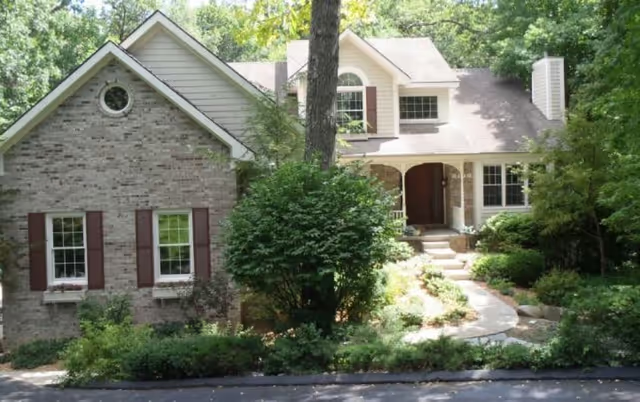
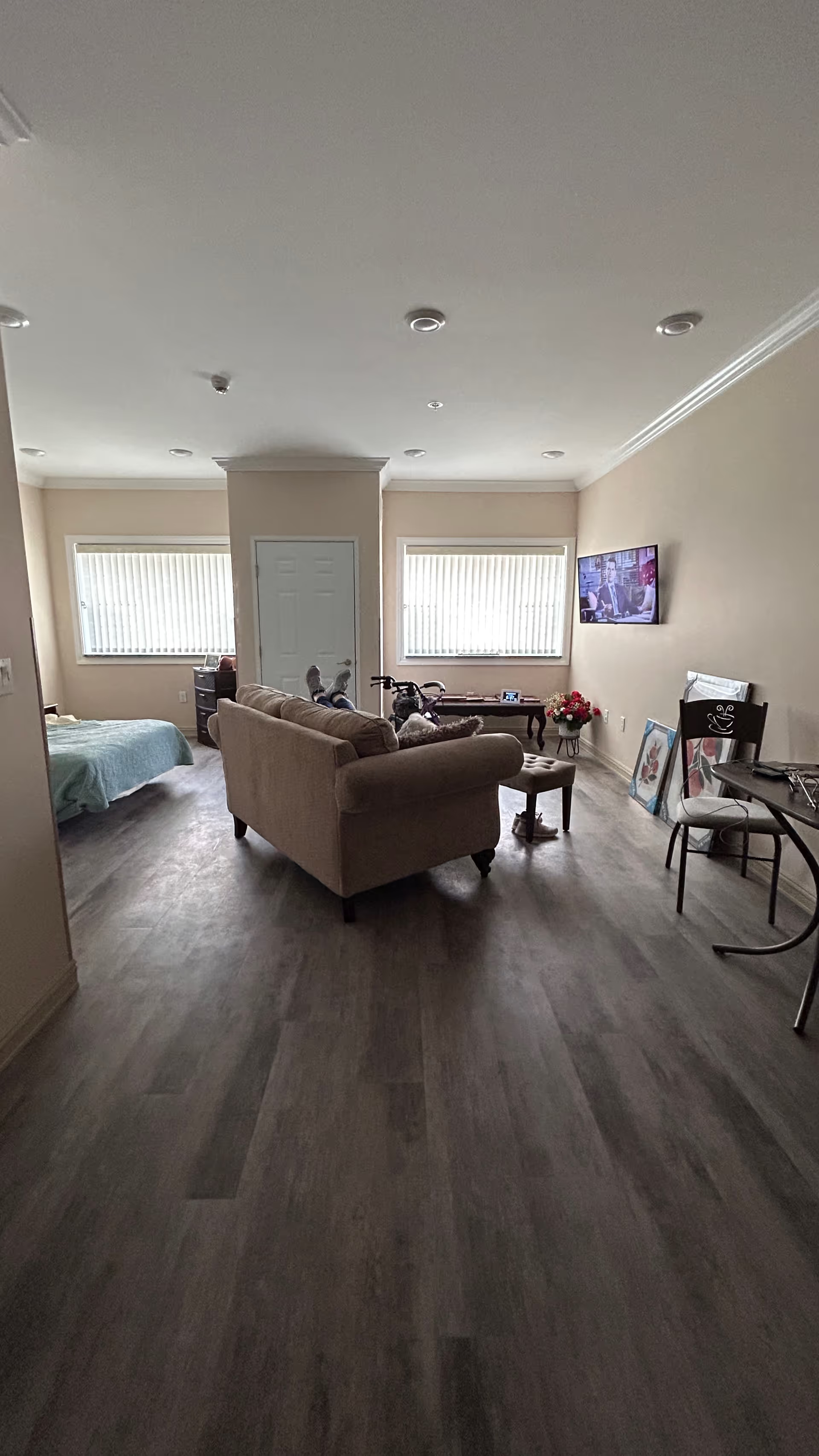
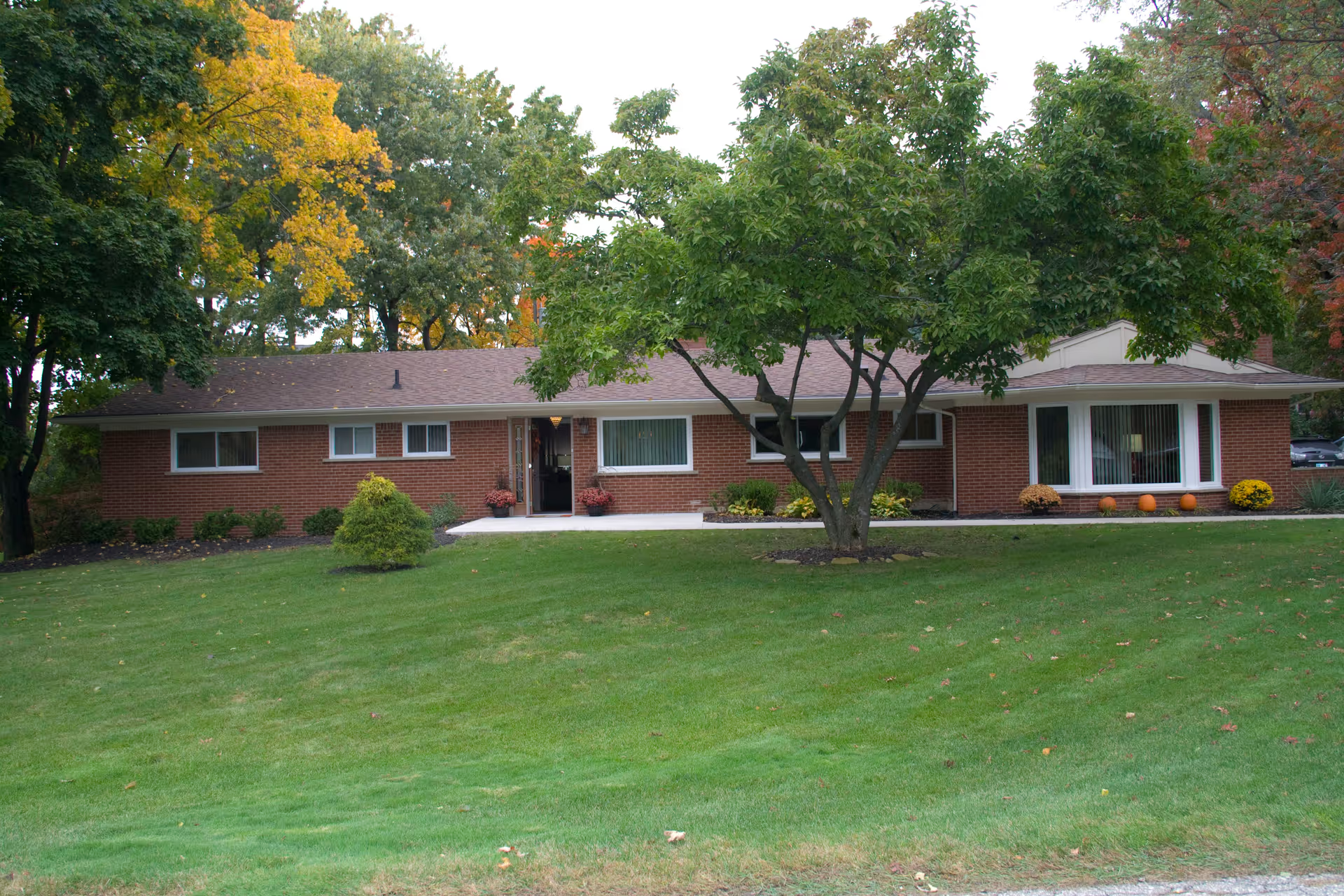
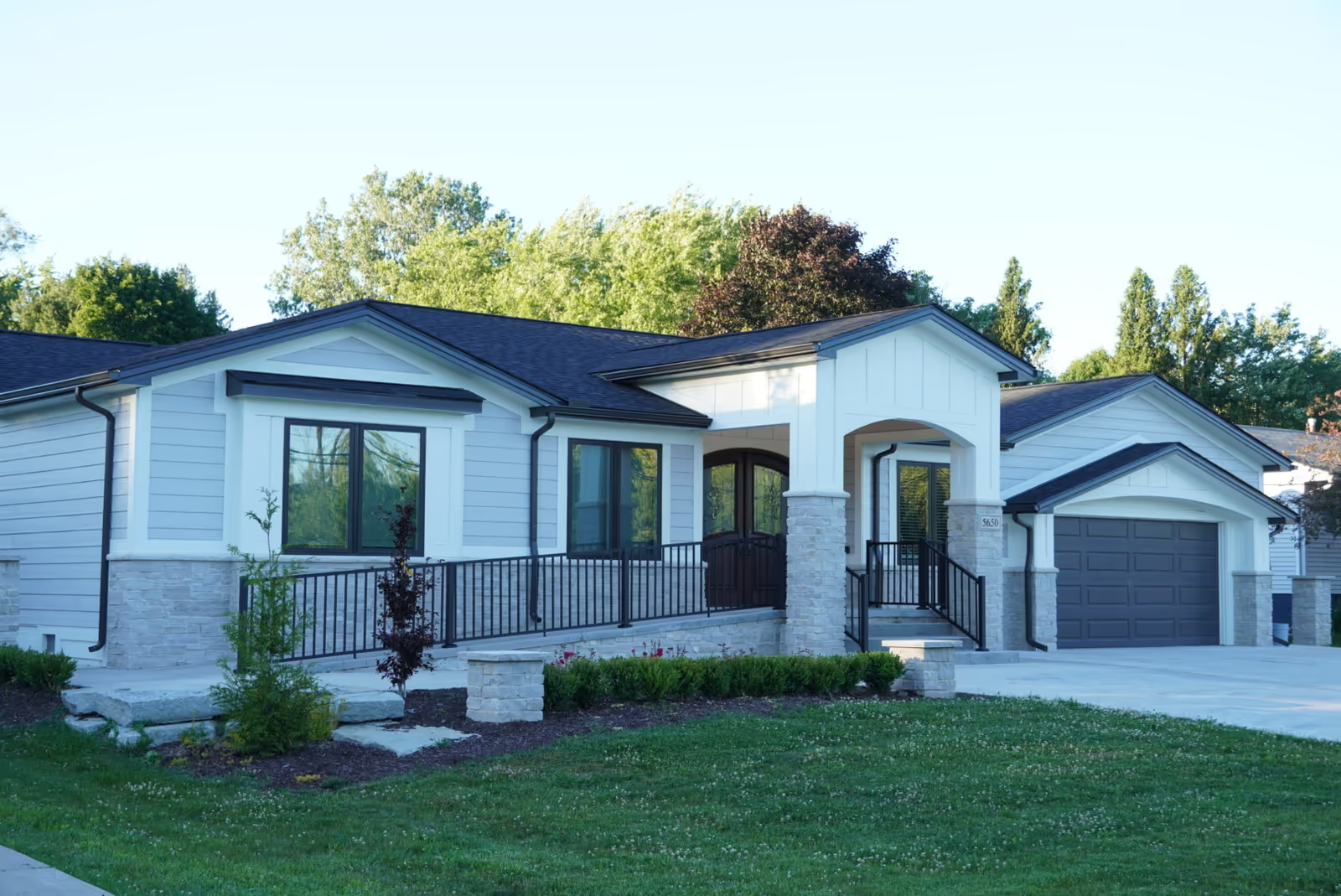
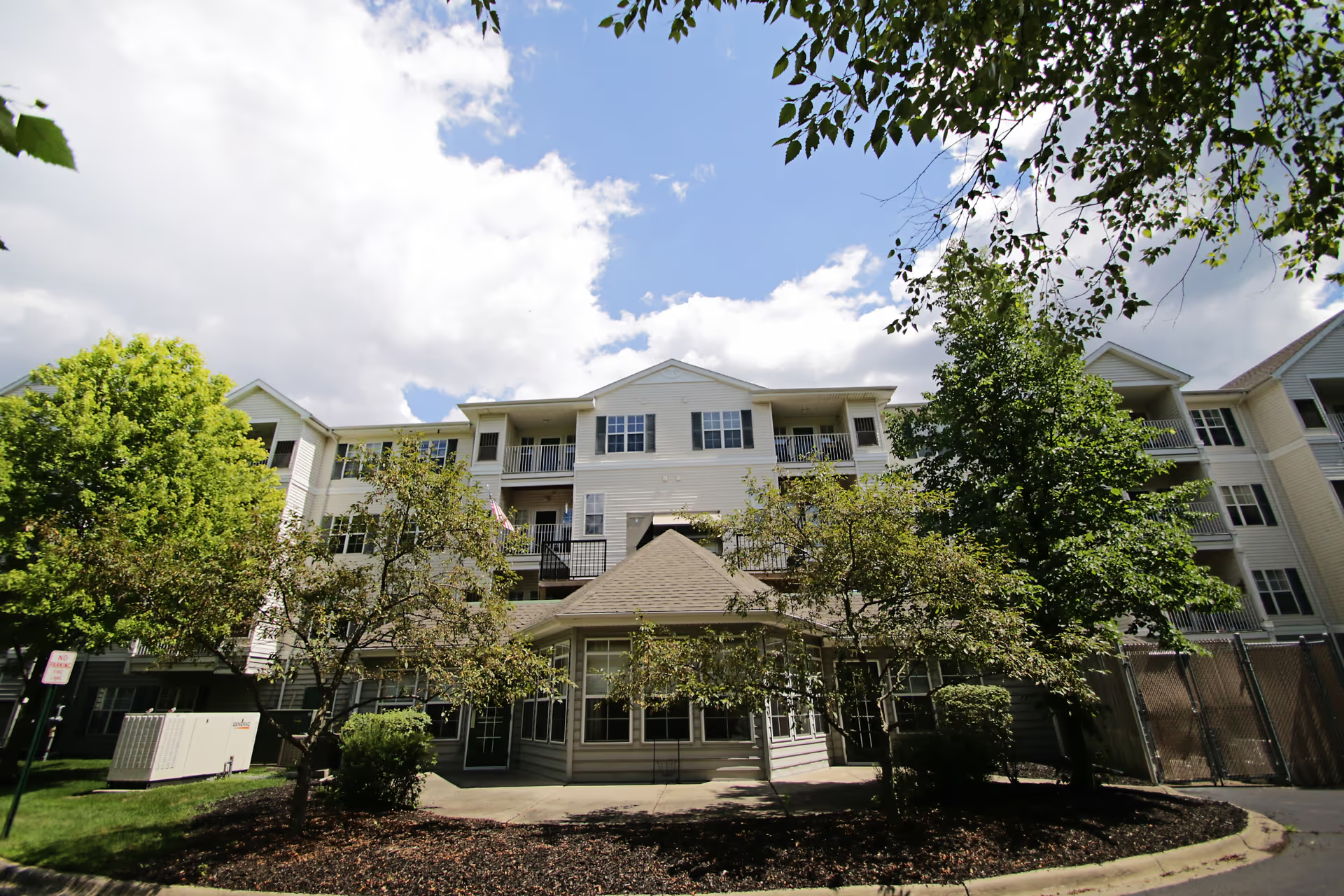
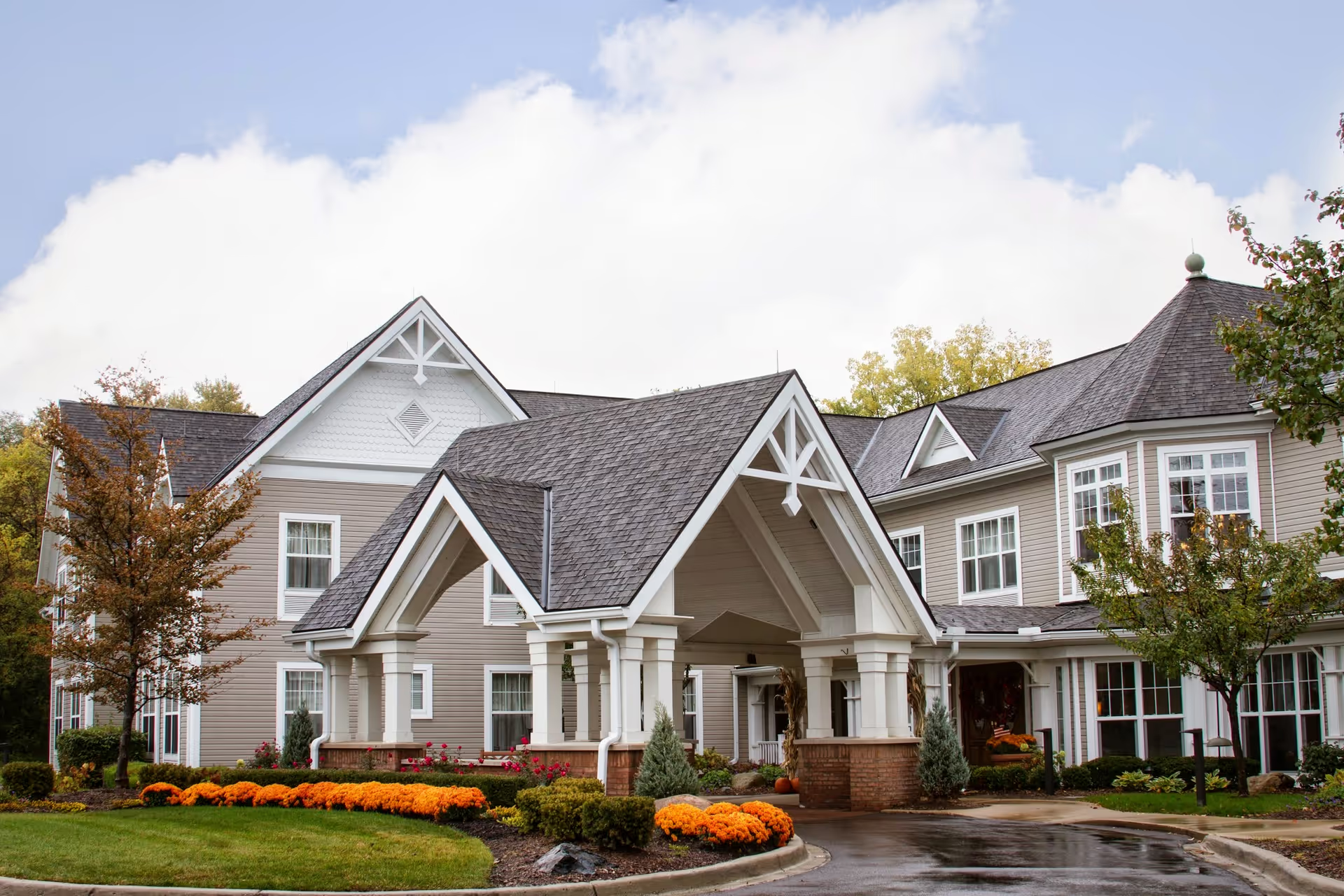
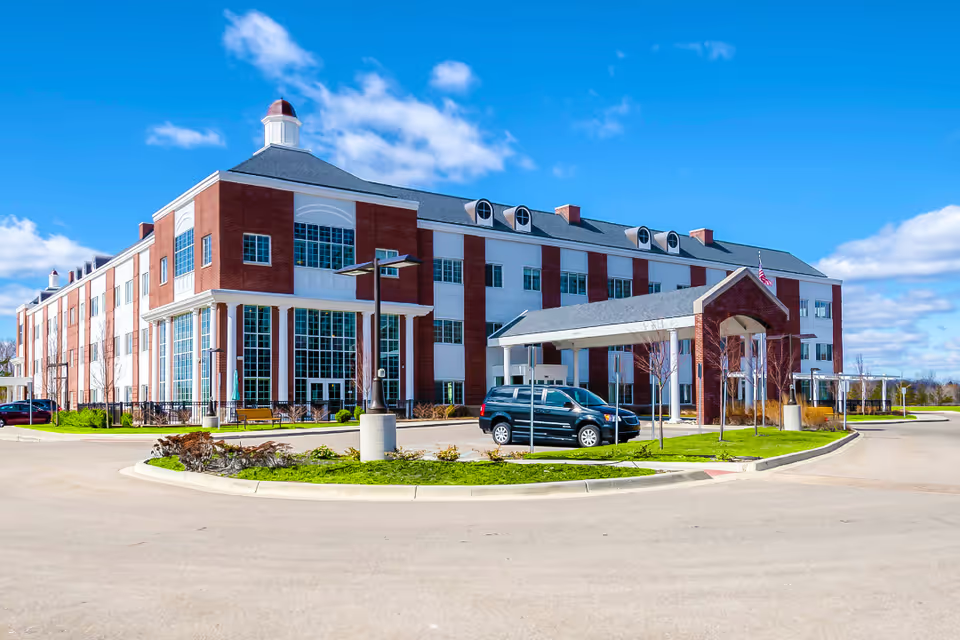
Facility condition and maintenance are another mixed area. Many reviews describe bright, spacious apartments with attractive common areas and well‑kept grounds. Others point to aging infrastructure in parts of the property, occasional water intrusion or roof/maintenance issues, and variable responsiveness to repair requests. Transportation services (shuttle) and ancillary services sometimes run reliably, but some families noted interruptions or reduced availability.
Management and administrative practices show both strong and weak signals. Several reviewers praised visible leadership, an attentive executive director, and staff members singled out by name for exemplary service. At the same time, there are recurring concerns about billing transparency, extra charges for services, and a few serious allegations concerning privacy and financial‑administration practices; those points warrant direct discussion with facility management and review of written contracts and policies. Communication gaps—especially around clinical incidents, billing details, or service limitations—appear to be the underlying operational issue rather than a single type of failure.
Overall pattern: many residents and families report a positive lived experience driven by attentive staff, plentiful activities, and appealing dining and apartment options. However, the community also shows variability across clinical capacity, maintenance, meal delivery, housekeeping, and administrative transparency. Prospective residents should tour the facility, ask specific questions about dementia and high‑acuity care capabilities, request current staffing ratios and maintenance logs, clarify all fees and billing practices in writing, and ask for examples of how the community handles missed service incidents and family communication. These targeted inquiries will help align expectations with the facility’s operational realities.