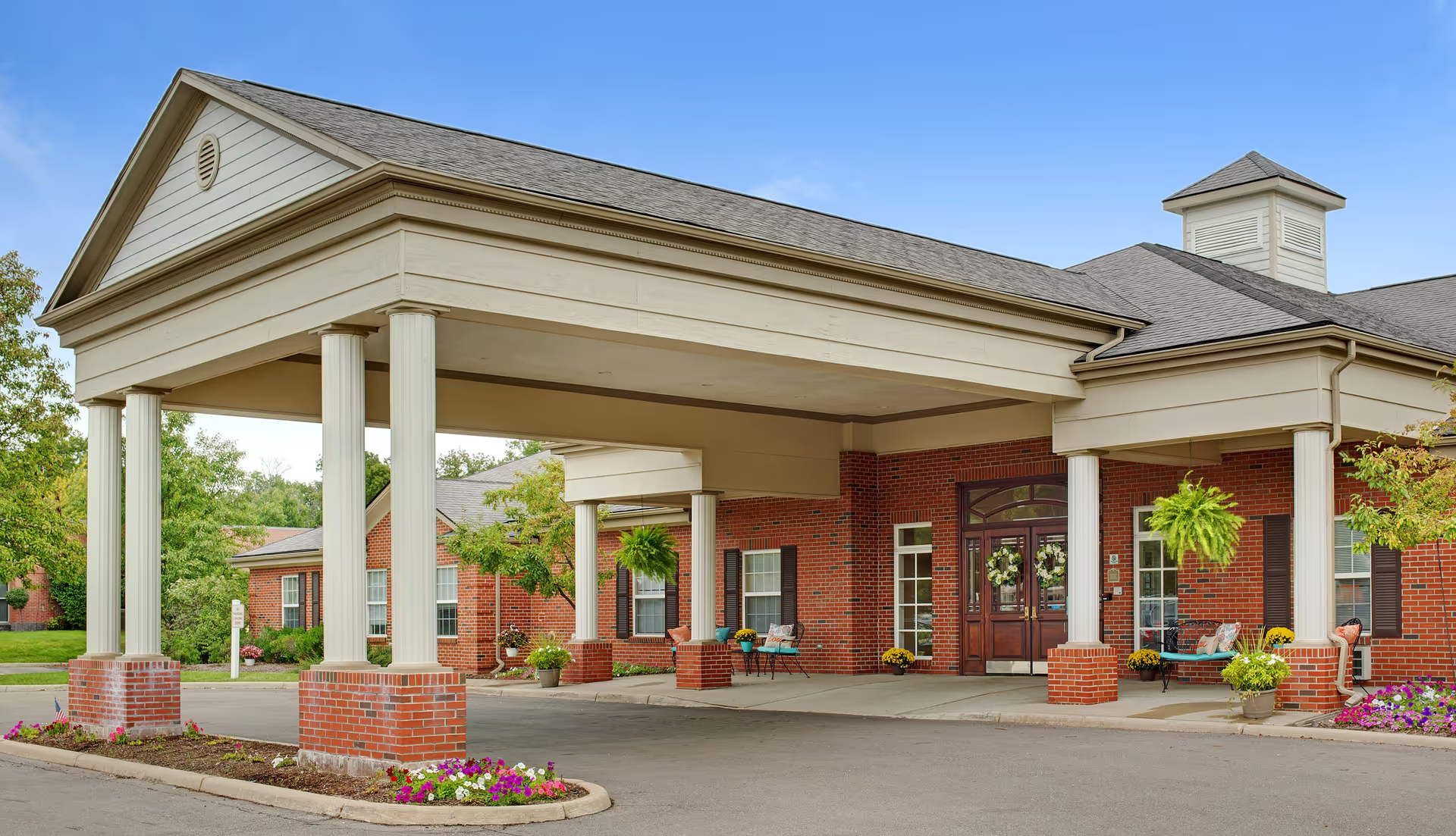
Symphony Applewood elicits a mixed but distinct pattern of strengths and operational weaknesses. On the positive side, many families and visitors describe caring, compassionate nursing staff and strong rehabilitation services. The facility has an on-site dialysis center, a modern therapy gym, and options for both in-room and gym-based therapy; several reviewers also noted timely medication administration and active clinical oversight from physicians and PAs. Common-area renovations, a new nurse-call system, salon services, and other recent upgrades have improved the environment in some wings. Multiple dining areas, a structured daily activity schedule, and proximity to Beaumont Hospital are additional conveniences cited by satisfied families.
At the same time, a consistent theme across comments is variability in day-to-day operational performance. Staffing levels and shift coverage are frequently described as inconsistent, which reviewers link to delays in responding to call lights, bedside checks, and assistance with toileting or bathing. These responsiveness gaps contribute to broader clinical concerns: inconsistent medication-management practices, gaps in wound care and infection-control attention, and lapses in monitoring that some families associated with adverse clinical outcomes. A small number of serious individual incidents were described; these have led to heightened family concern about clinical oversight and have prompted calls for strengthened incident response and family communication.
Facility upkeep and service delivery are likewise mixed. Many visitors praise clean, well-maintained common spaces and newer rooms, but others report sanitation concerns and odors in certain corridors and bathrooms. Laundry handling, misplaced personal items, and uneven housekeeping attention were raised repeatedly. Dining is described as workable — hot and fresh at times, with social dining areas — but reviewers also cite cold meals, small portions, and limited diet accommodations (including lack of diabetic or cultural meal options) as recurring issues.
Management and communication present both strengths and challenges. Several reviewers commend front-desk staff, a proactive hospital liaison, and families who received daily updates; conversely, others describe gaps in discharge planning, billing and admissions confusion, and periods of leadership turnover. Maintenance and safety items — including parking-lot lighting, pavement, air-conditioning outages, and some broken equipment — were noted as needing attention. A few reviewers raised serious concerns such as allegations of theft and invoicing disputes; these kinds of claims underline the need for transparent administrative processes and prompt investigation.
For prospective residents and families: Symphony Applewood offers meaningful clinical capabilities (notably dialysis and rehabilitation), experienced RNs in many units, and recent facility investments that improve resident life. Prospective families should balance these advantages against reported operational variability: confirm current staffing ratios, ask for specifics about wound-care and infection-control protocols, review the facility’s diet and meal accommodation policies, and discuss discharge-planning procedures and billing practices before admission. A tour that includes nursing leadership and a clinical walkthrough of the resident unit can help assess whether the particular wing being considered reflects the newer, well-maintained areas praised in many comments or areas where reviewers described service and sanitation inconsistencies.