Care quality and clinical focus: Feedback emphasizes a clear memory-care orientation and close attention to residents' cognitive needs. The small-household model is repeatedly associated with more staff time per resident and individualized attention, which aligns with best practices for memory-support environments. There is limited specific feedback about clinical elements such as medication management or nursing ratios; prospective families should request current staffing ratios and clinical protocols during a visit.
Staff and interpersonal environment: Staff are consistently described as warm, caring, and person-centered; many comments highlight a helpful admissions process, positive tour experiences, and staff who use humor to engage residents. At the same time, a minority of comments indicate occasional inconsistent conduct or a brusque communication tone. That pattern suggests generally strong interpersonal care with some variability; asking about staff training, supervision, and grievance/communication procedures would be prudent.
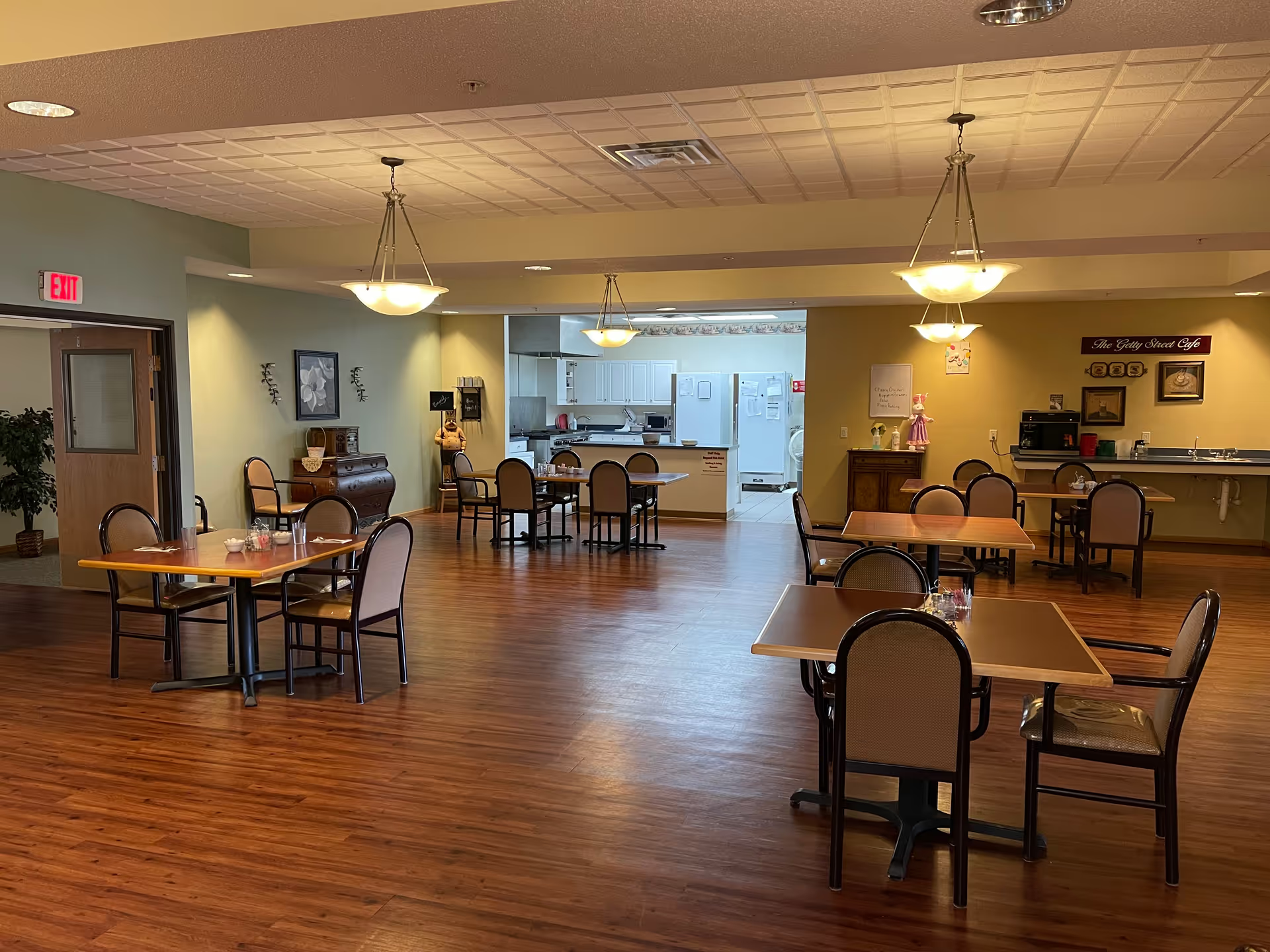
Dining and daily living: There is little explicit commentary about dining quality or meal service in the available summaries. Because dining can be highly individual, prospective residents should request sample menus, observe mealtimes during a tour, and ask about accommodations for dietary needs and meal-service continuity.
Activities and social programming: Activity programming is described positively, with frequent references to engaging, resident-focused activities. The small setting appears to support frequent social interaction and individualized activity engagement, which is beneficial in a memory-care context.
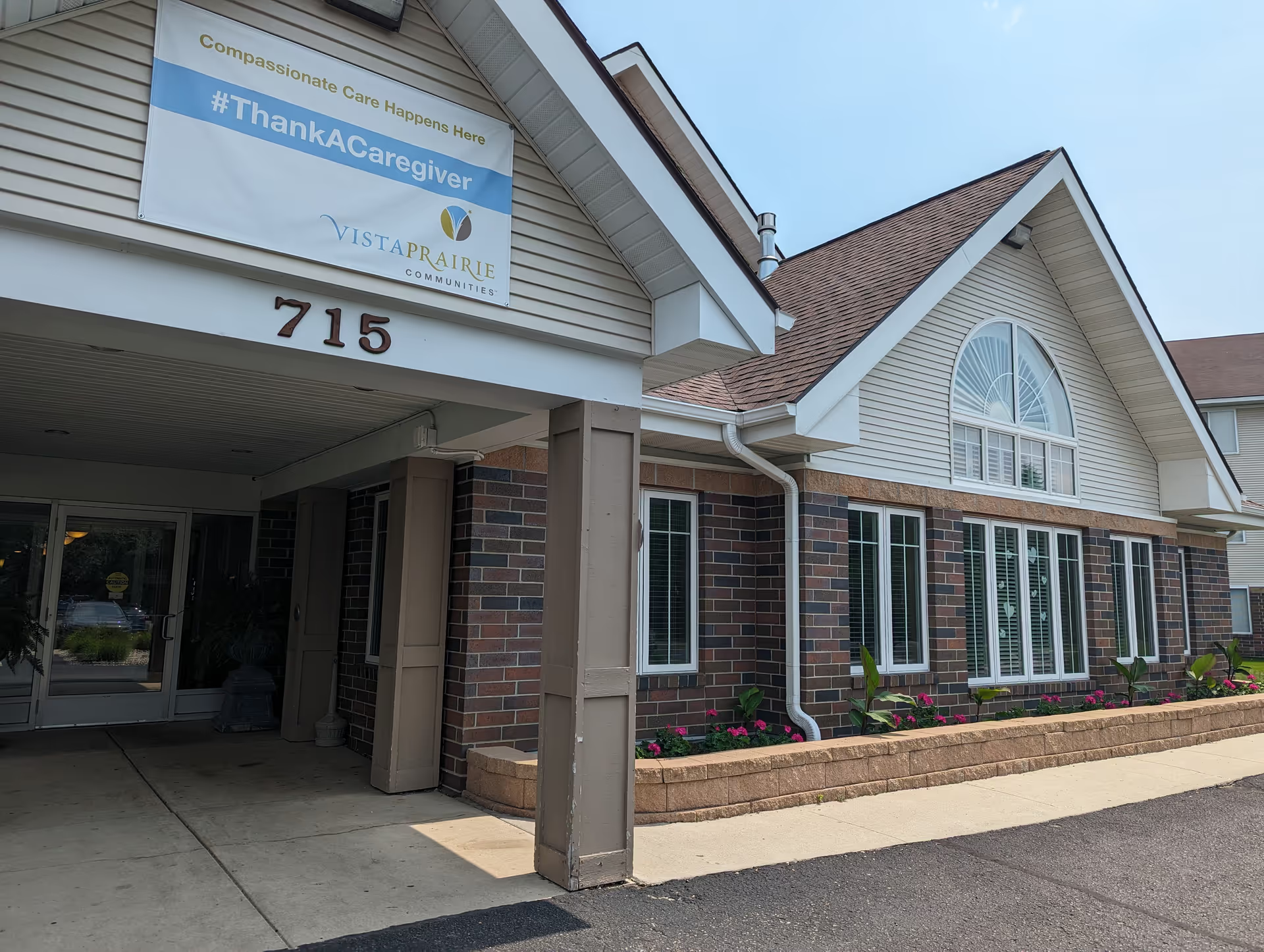
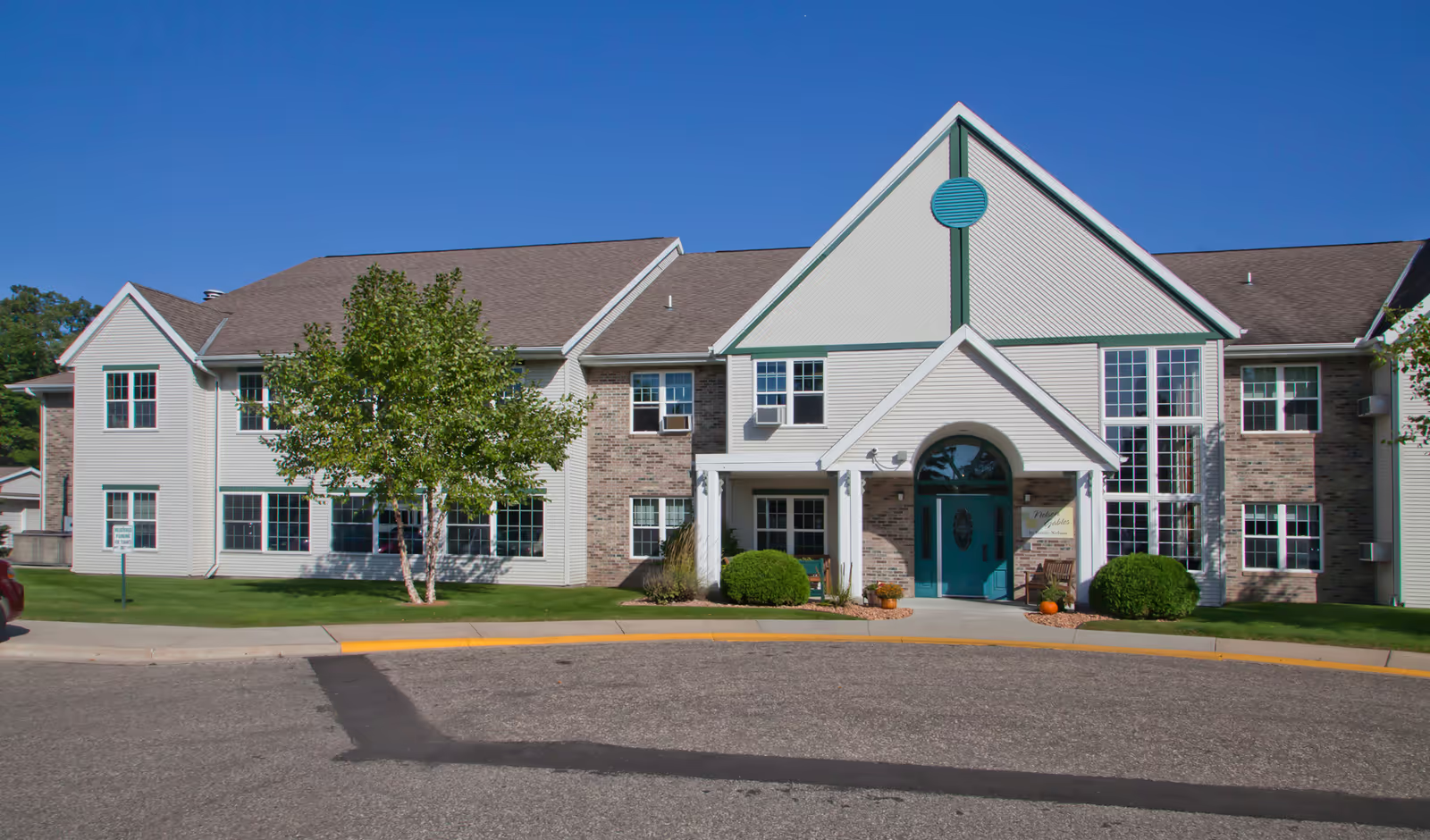
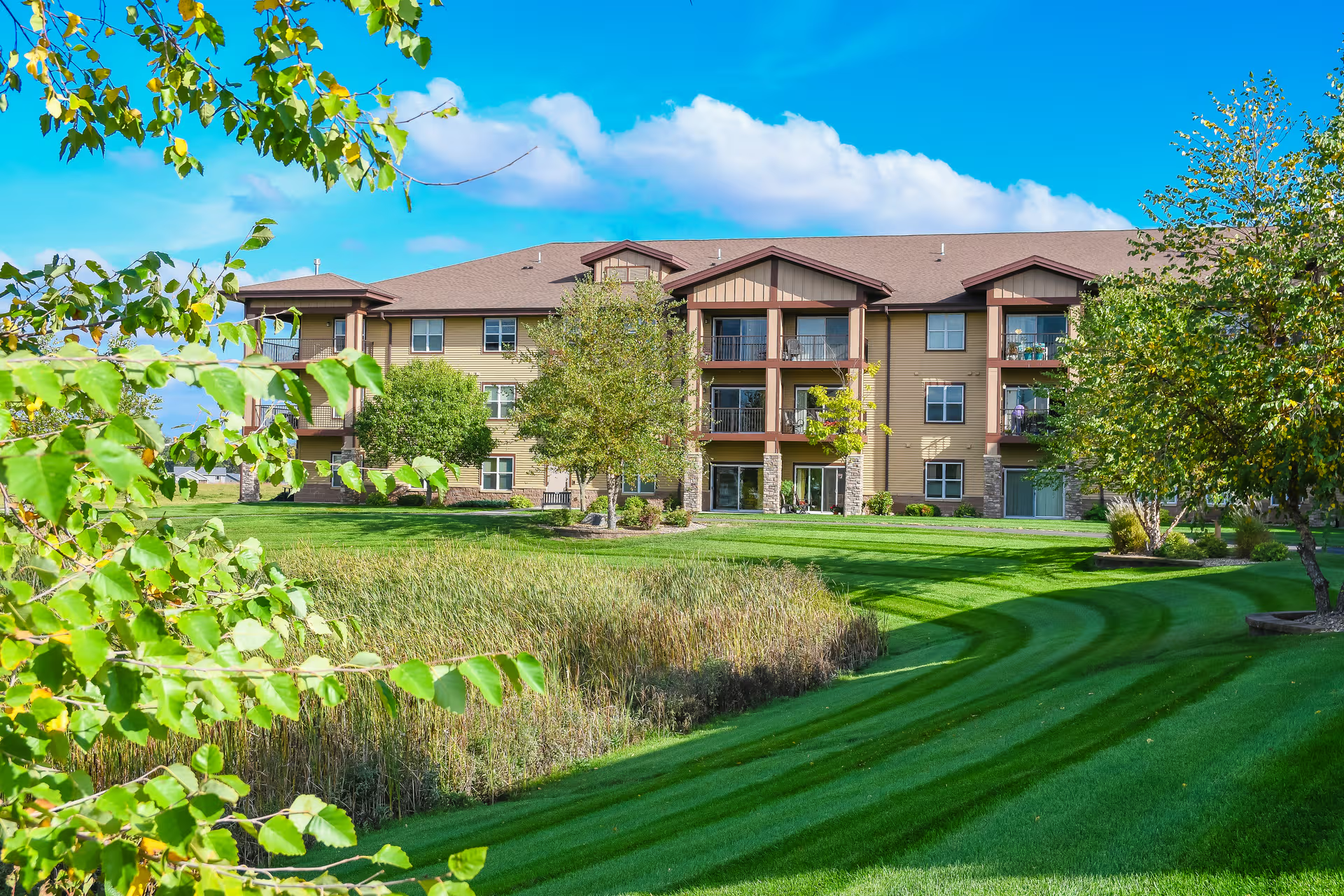
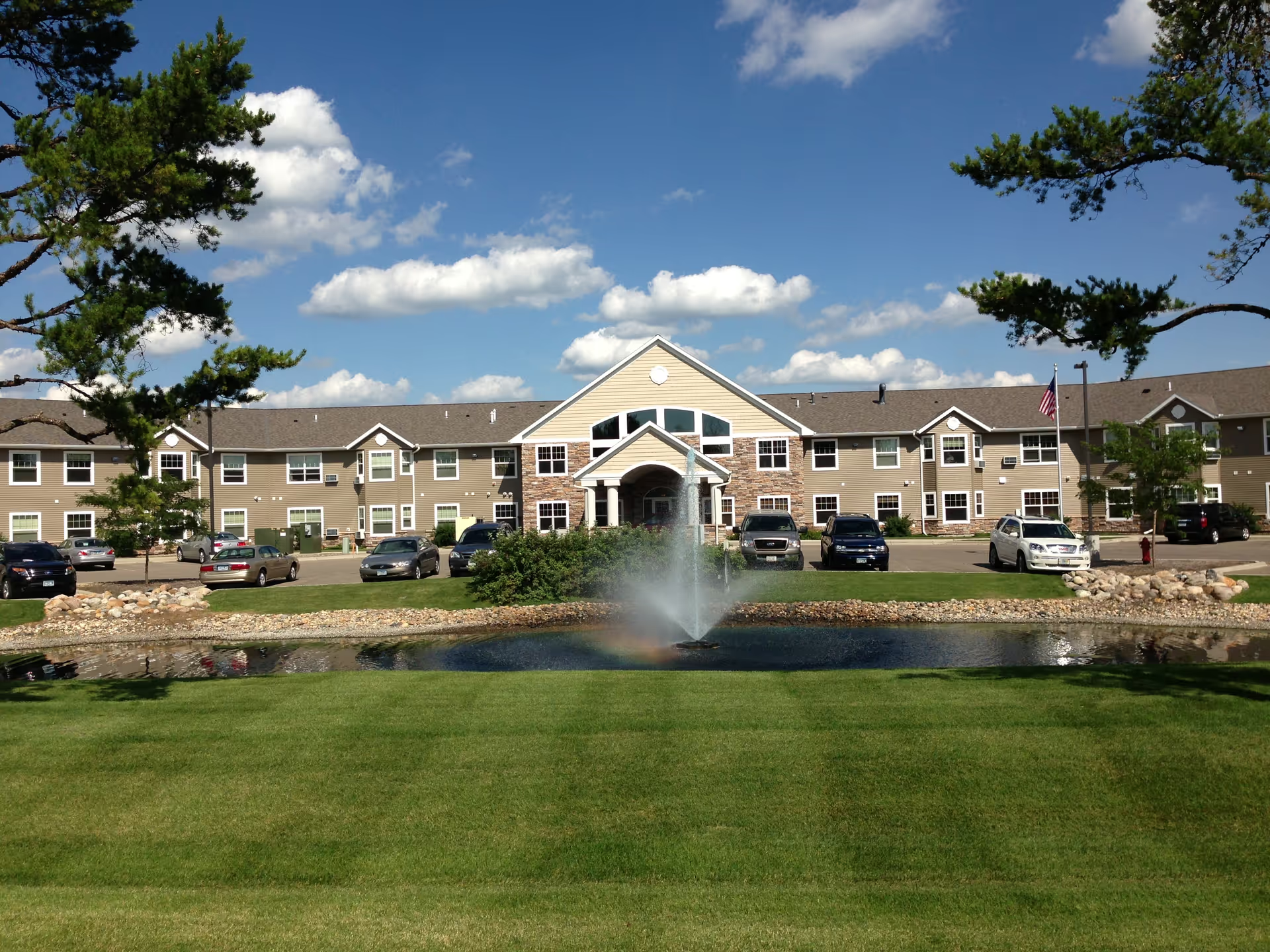
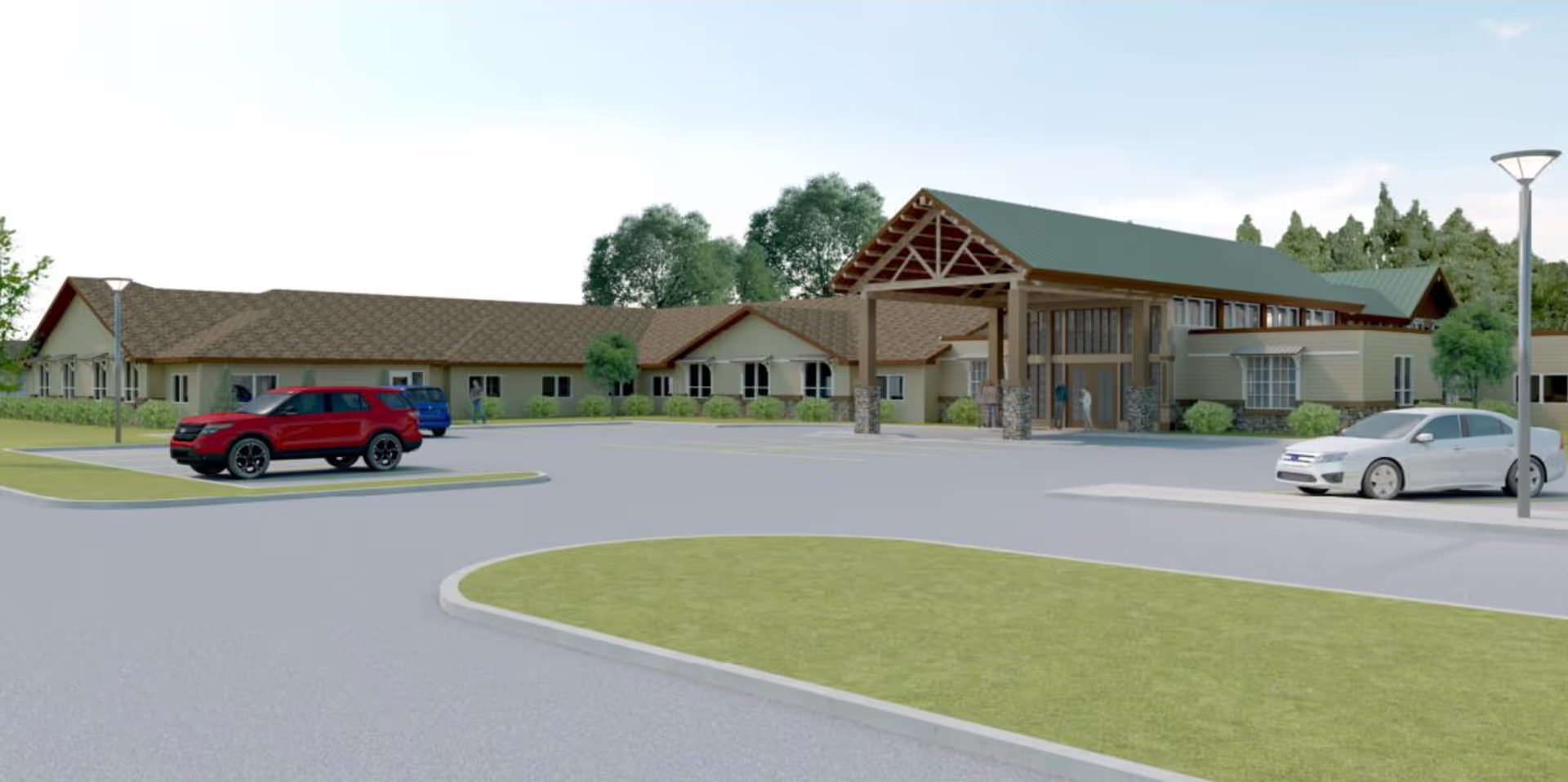
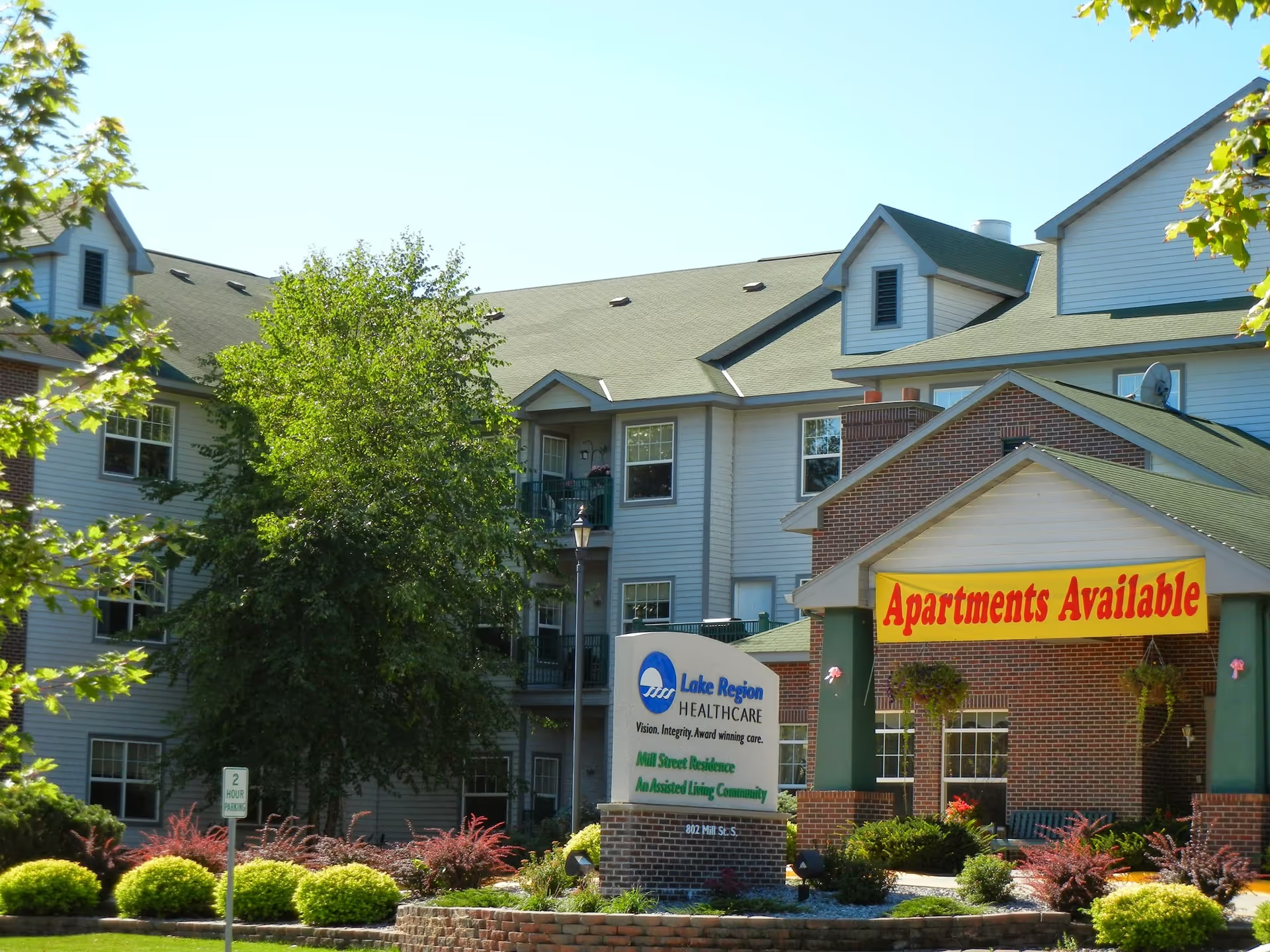
Facilities and maintenance: The building and interior are characterized as clean and well-maintained, and ongoing renovations indicate investment in physical updates. Facility strengths include a tidy environment and visible updating work. However, room sizes are described as small and private/ensuite bathroom options are limited; these constraints can affect privacy and day-to-day comfort. Renovations may also create temporary noise or access limitations, so inquire about the renovation timeline and any mitigation measures.
Management and operational patterns: Admissions and tour staff are reported as responsive and able to answer questions, but limited room availability was raised as a capacity constraint. Roommate-matching and shared-room arrangements emerged as an operational concern for some families; this points to a need for clear roommate-selection policies and processes for resolving compatibility issues. The combination of a small setting and specialized memory care is a consistent positive pattern, while operational areas to clarify with management include private-room availability, bathroom configurations, staff-training practices, and how renovations will be managed to minimize resident disruption.
Practical recommendations: During a visit, observe mealtimes and activities, ask for current staffing ratios and clinical protocols, review restroom/ensuite options for the specific unit, discuss roommate-matching procedures, and get a timeline for renovations and any temporary accommodations. These targeted questions will help confirm whether the facility’s strong memory-care focus and warm staff interactions align with your relative’s preferences and practical needs.