The reviews present a mixed picture of Elmore Assisted Living & Memory Care. Many families and professionals praise staff members who are compassionate, attentive, and willing to go beyond basic expectations—helping with placement, meeting at outside facilities, sharing photographs, and providing clear activity calendars and menus. The community has also invested in appearance improvements and maintains a set of on-site amenities and educational outreach that some visitors and partners find valuable.
At the same time, several operational patterns raise concerns about consistency of care. Reviewers describe uneven responsiveness from staff and a workplace culture that can affect day-to-day operations and resident experience. There are serious clinical concerns cited, including allegations related to medication handling and instances where clinical escalation was not timely; these accounts suggest gaps in medication-management controls and in protocols for transferring or referring residents for higher-level care. Families should seek clarification about clinical oversight, medication-administration procedures, and emergency-transfer policies before committing.
Dining and programming are areas of contrast. The facility provides a menu, meal information, and routine activities (for example, bingo and faith-based groups), and staff distribute activity calendars. However, multiple comments highlight limited meal variety and choice—particularly in memory-care dining—and an activity schedule that some find sparse. Prospective residents who prioritize culinary variety or a broad activity program should verify current menus and the frequency and diversity of scheduled engagement.
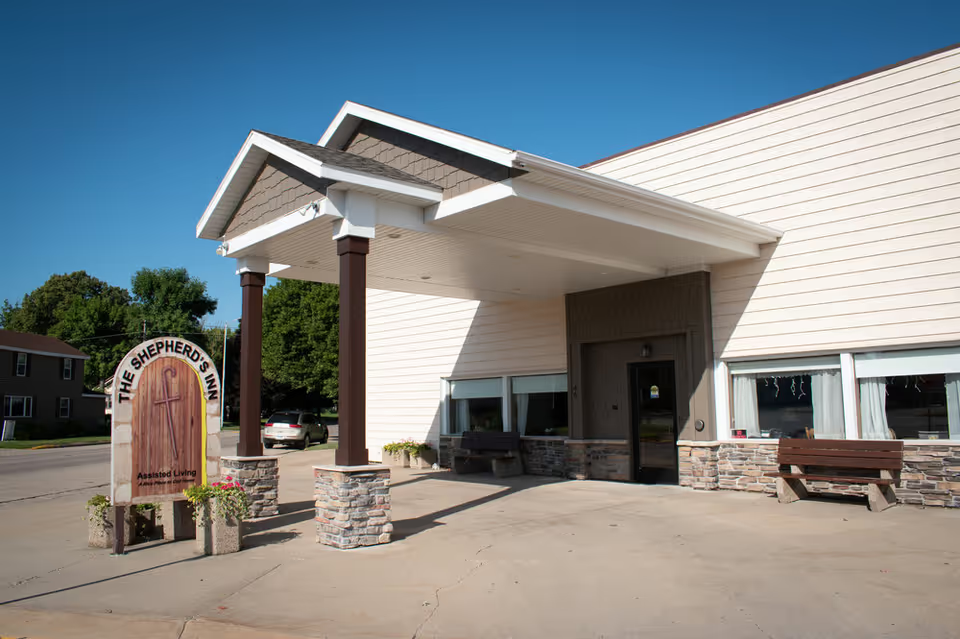
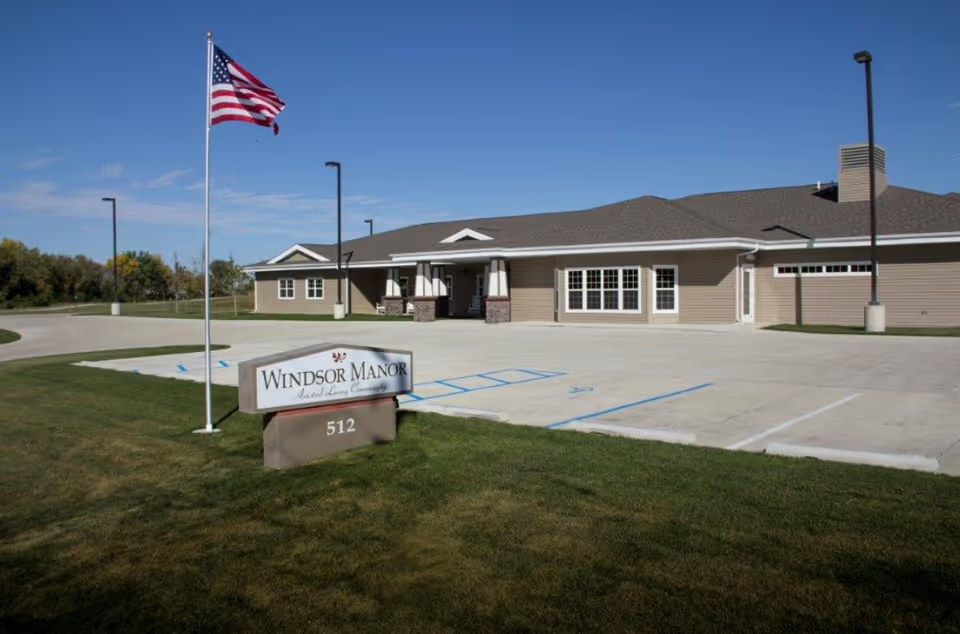
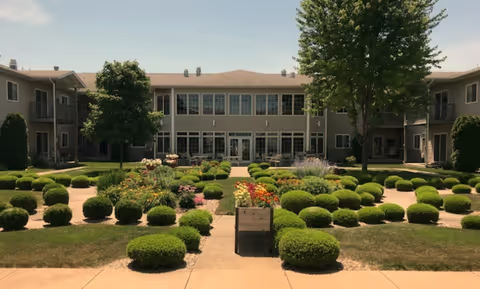
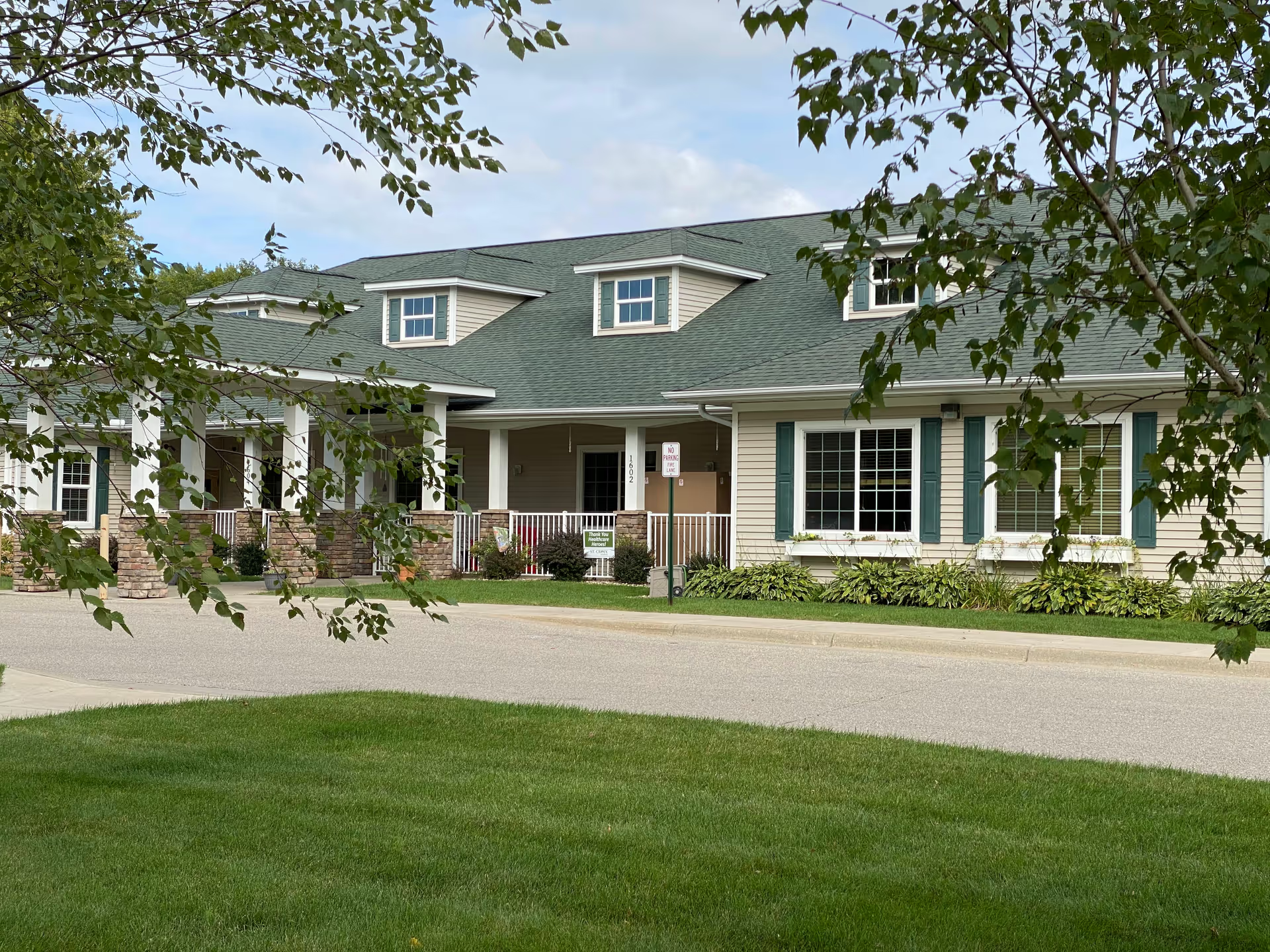
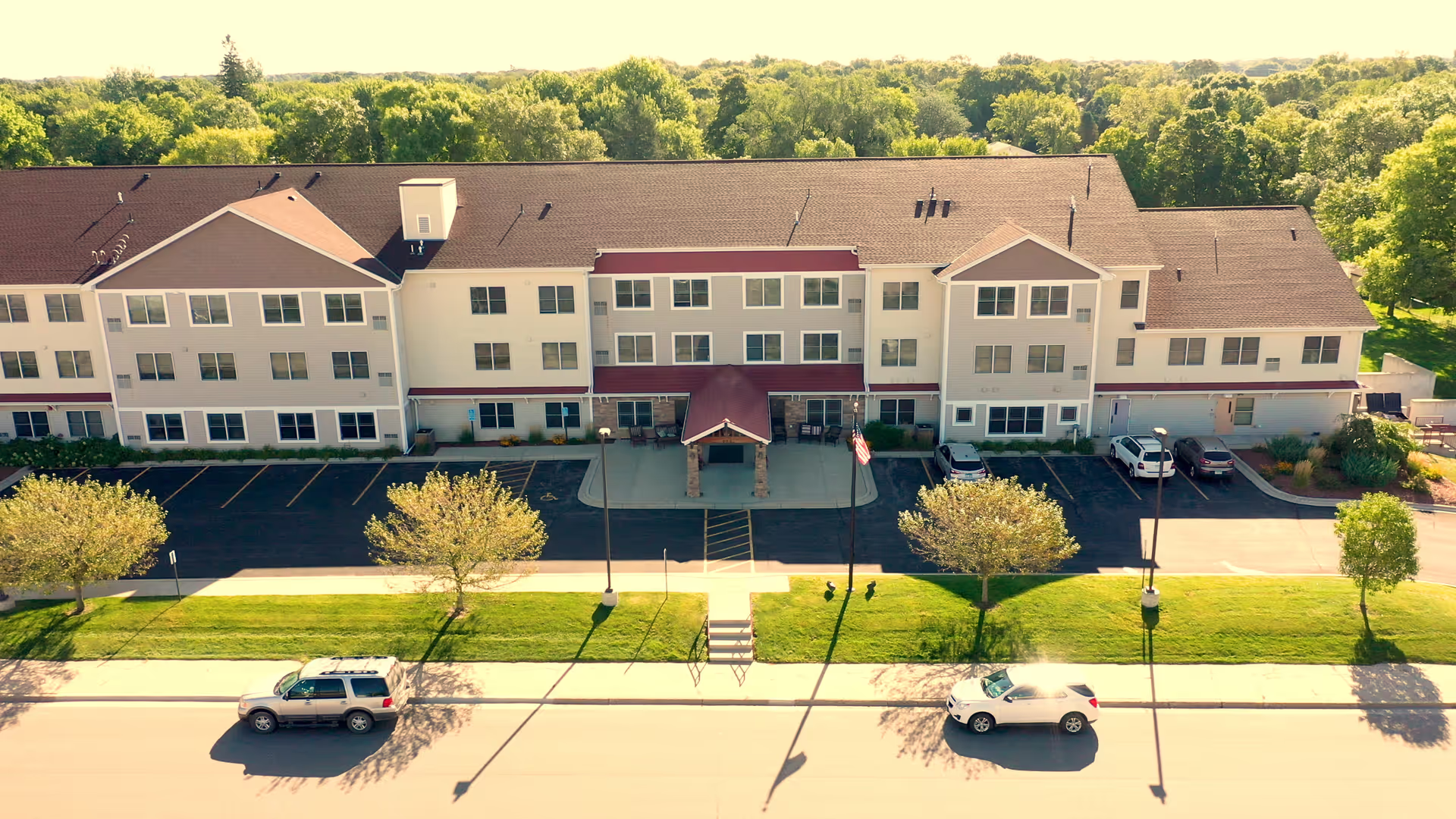
Physical plant and amenities appear functional but dated in areas. Reviewers note improvements since the late 1990s, yet also cite ongoing maintenance needs and a lack of outdoor space. Operational issues cited by families include inconsistent first-aid or incident-response practices and limitations in on-site clinical services and supports; these factors can affect families who expect comprehensive medical resources within the building.
Finally, several accounts raise concerns about respectful communication and cultural sensitivity. While many staff are described as warm and helpful, other accounts describe interactions that felt intimidating or discriminatory. Given the mix of positive and negative feedback, prospective residents and families should conduct in-person visits, request documentation of clinical policies (medication administration, incident response, transfer protocols), review menus and recent activity calendars, and ask for references from current families to assess fit for their specific needs.