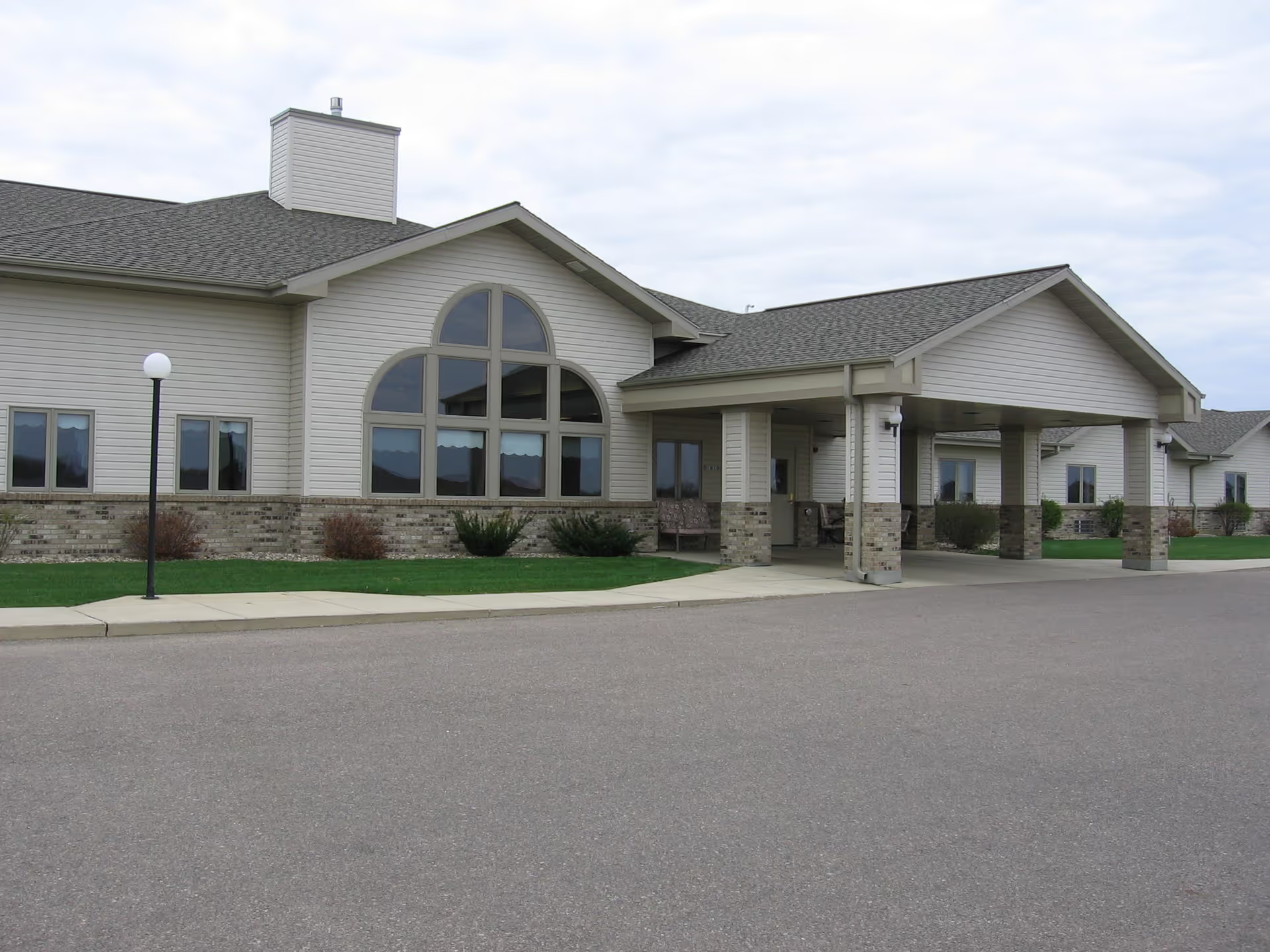
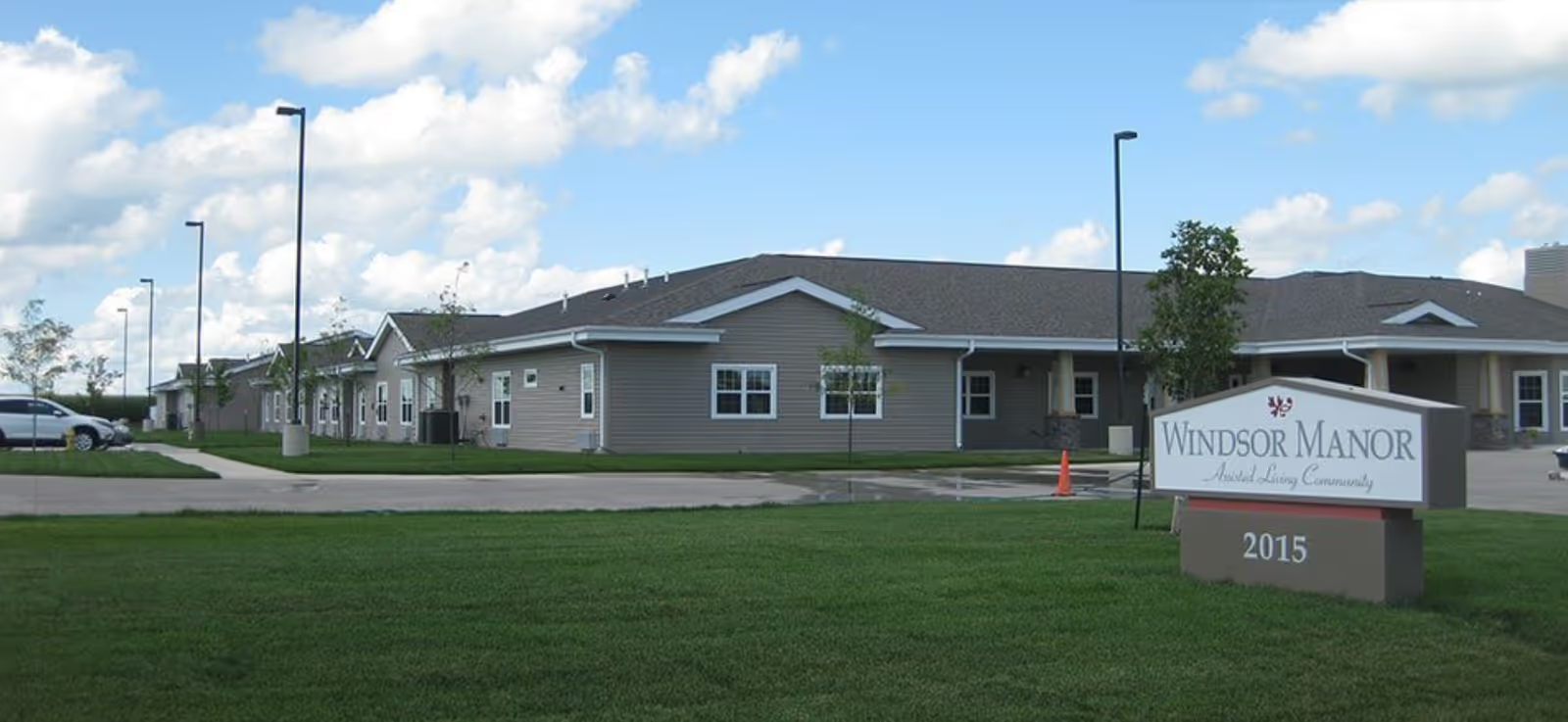
Overall impression: Reviews present a mixed but largely service-oriented community with strong strengths in hospitality, amenities, and social programming. Families and residents frequently praise the facility’s move-in support, welcoming culture, attractive apartments, and active calendar of activities. The site appears well maintained and offers multiple amenities that contribute to a comfortable, home-like environment and opportunities for community engagement.
Care quality and staff: Many comments highlight warm, supportive staff interactions and a generally safe living environment. At the same time, there are operational concerns about clinical practices. Several accounts point to gaps in routine monitoring (for example, vital-sign checks and documentation) and instances of missed or delayed medication administration. These accounts suggest variability in staff performance and responsiveness across shifts. Prospective families should verify clinical-monitoring protocols, medication-tracking procedures, and staffing patterns during a visit.
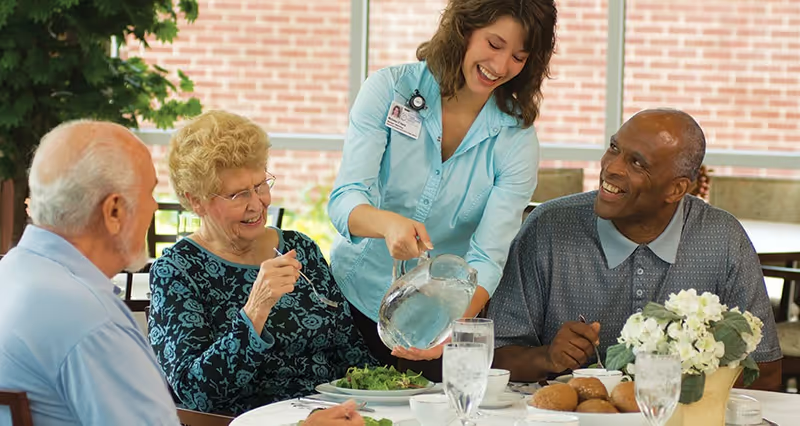
Dining: Dining impressions are inconsistent. While the community’s amenities and social activities receive positive remarks, food quality and meal satisfaction were noted as areas needing improvement. Reviewers indicate variability in menu appeal and consistency. Families may wish to sample meals and ask about menu planning, special-diet accommodations, and meal-service continuity.
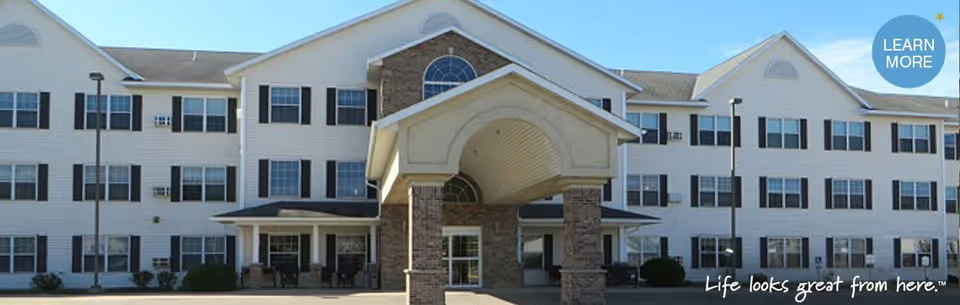
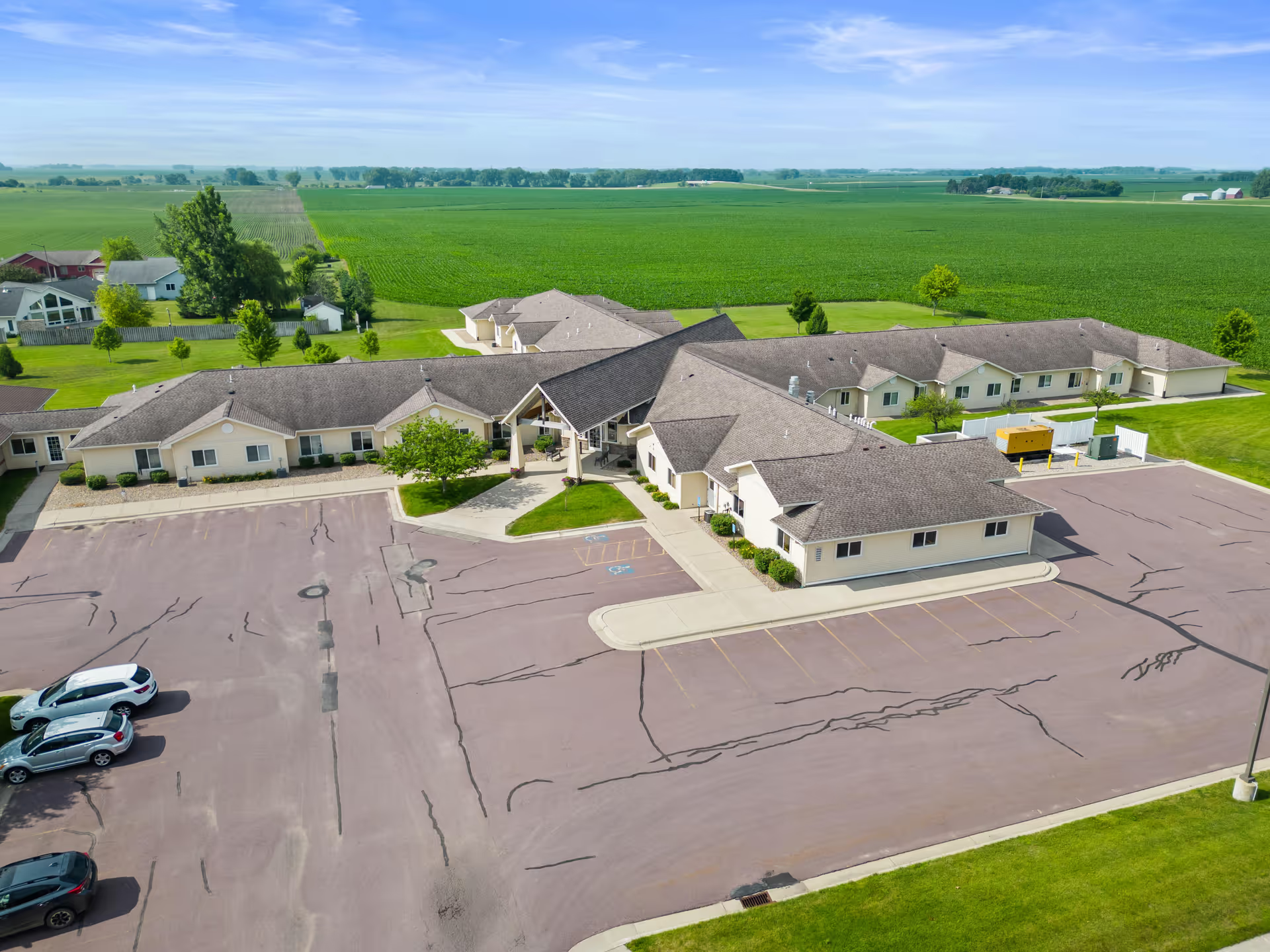
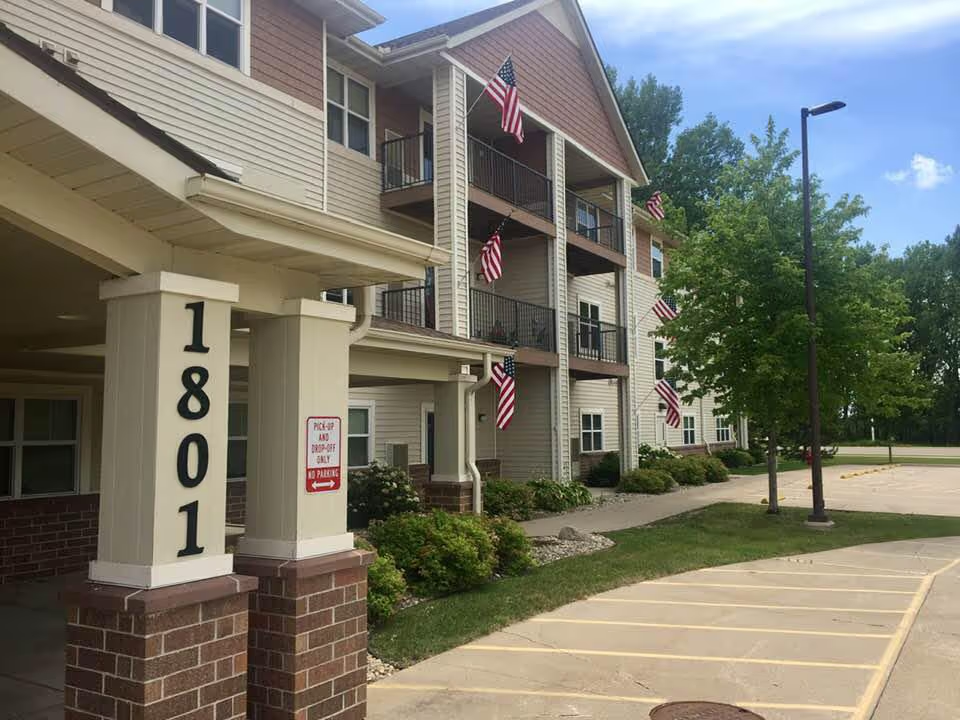
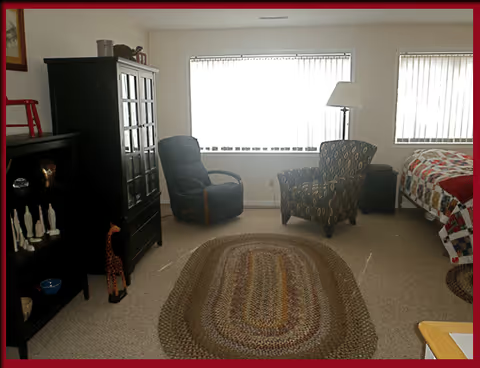
Activities and facilities: The facility is consistently described as having robust programming and well-maintained common areas. Residents are portrayed as engaged and thriving, with ample opportunities for on-site activities and community outings. Apartments and grounds receive repeated praise for appearance and comfort, supporting a positive daily environment for residents.
Management and notable patterns: Management and leadership consistency emerge as an important theme. Some comments imply uneven oversight and follow-through at the administrative level, which can amplify operational issues such as clinical monitoring, medication handling, and staff consistency. At the same time, frontline staff are often characterized as caring and supportive, and relocation/move-in support is a clear strength. When evaluating the community, families should ask about leadership stability, staff training and turnover, clinical oversight mechanisms, and emergency-response procedures to assess how persistent operational issues are being addressed.