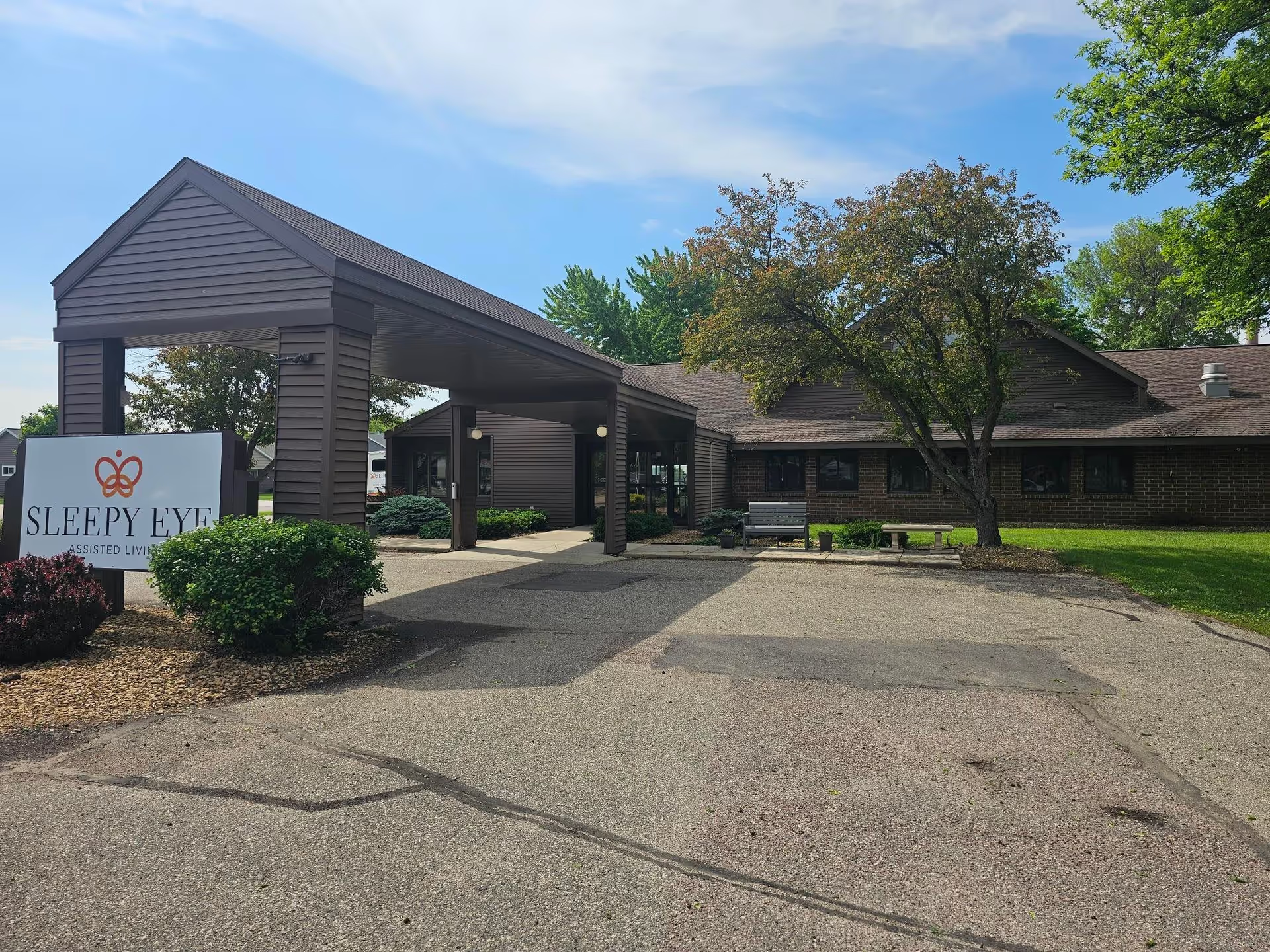
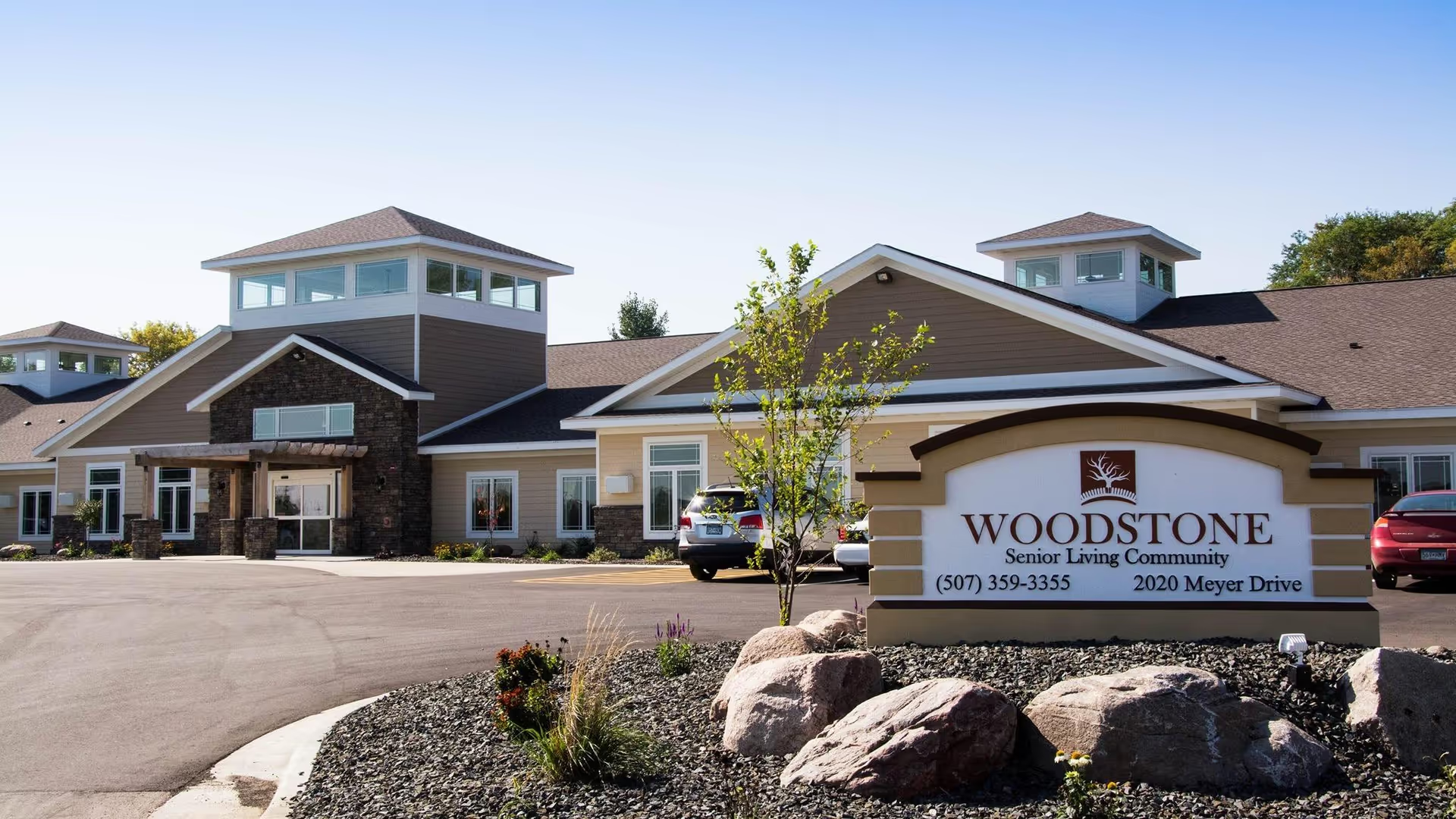
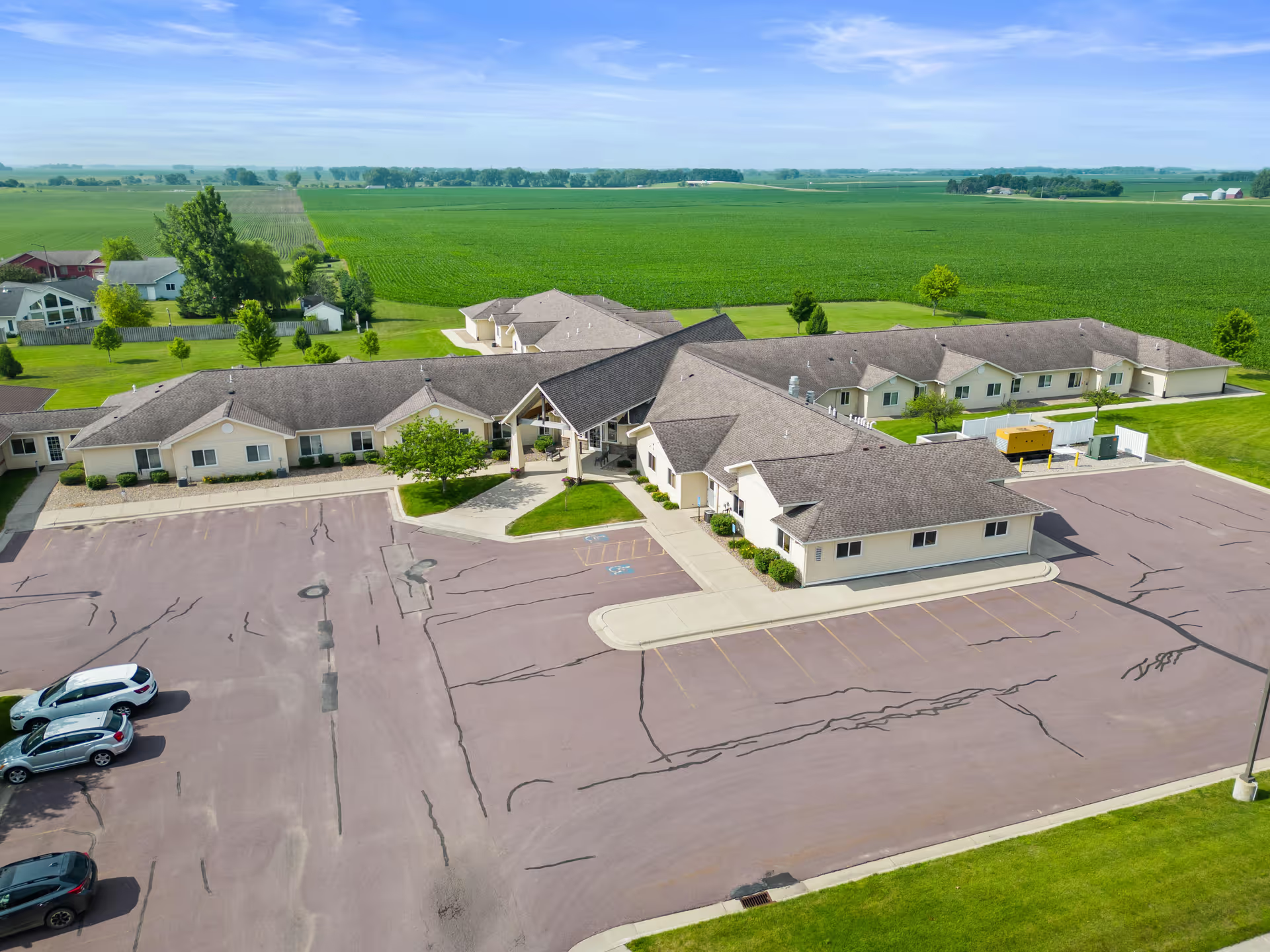
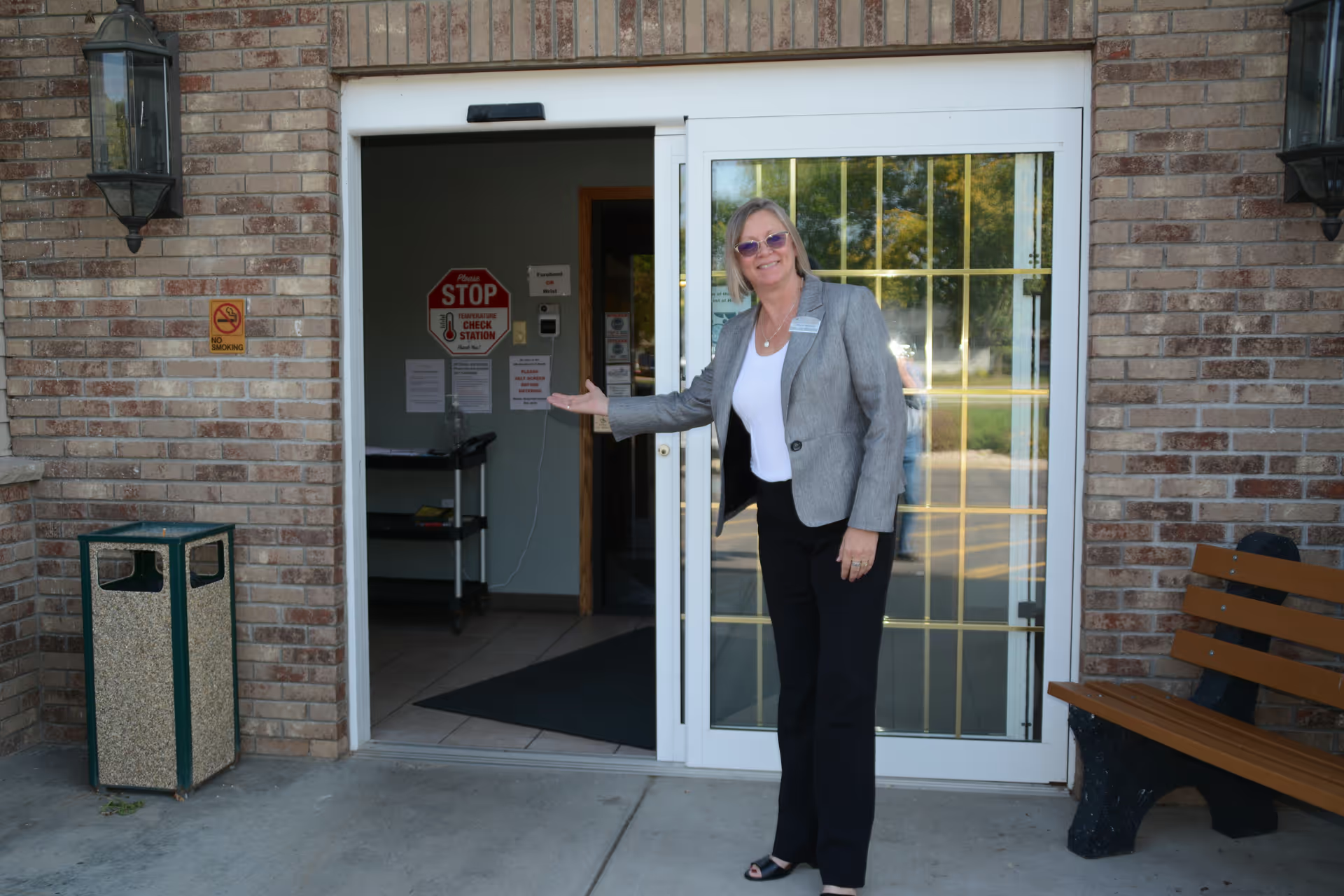
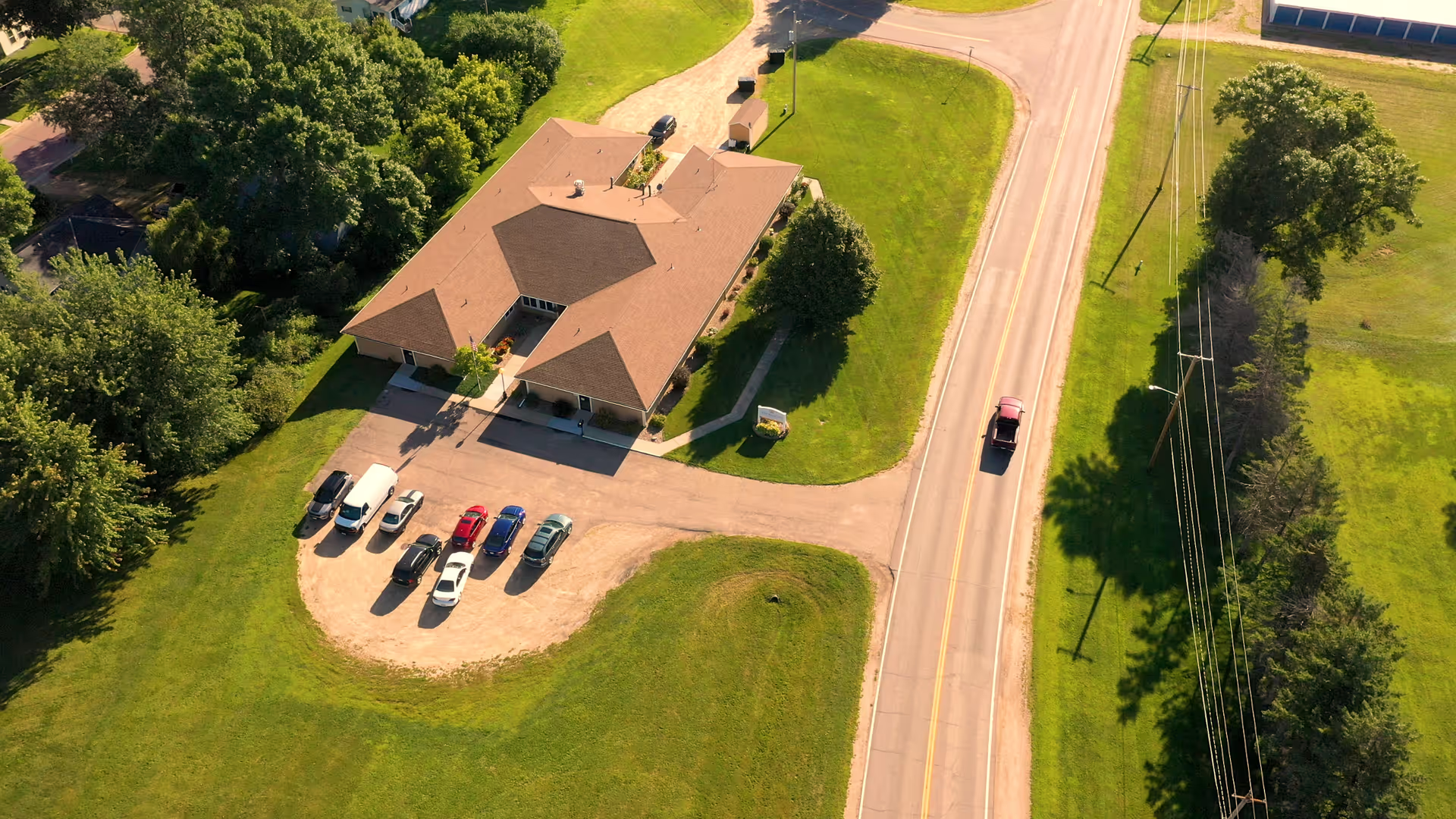
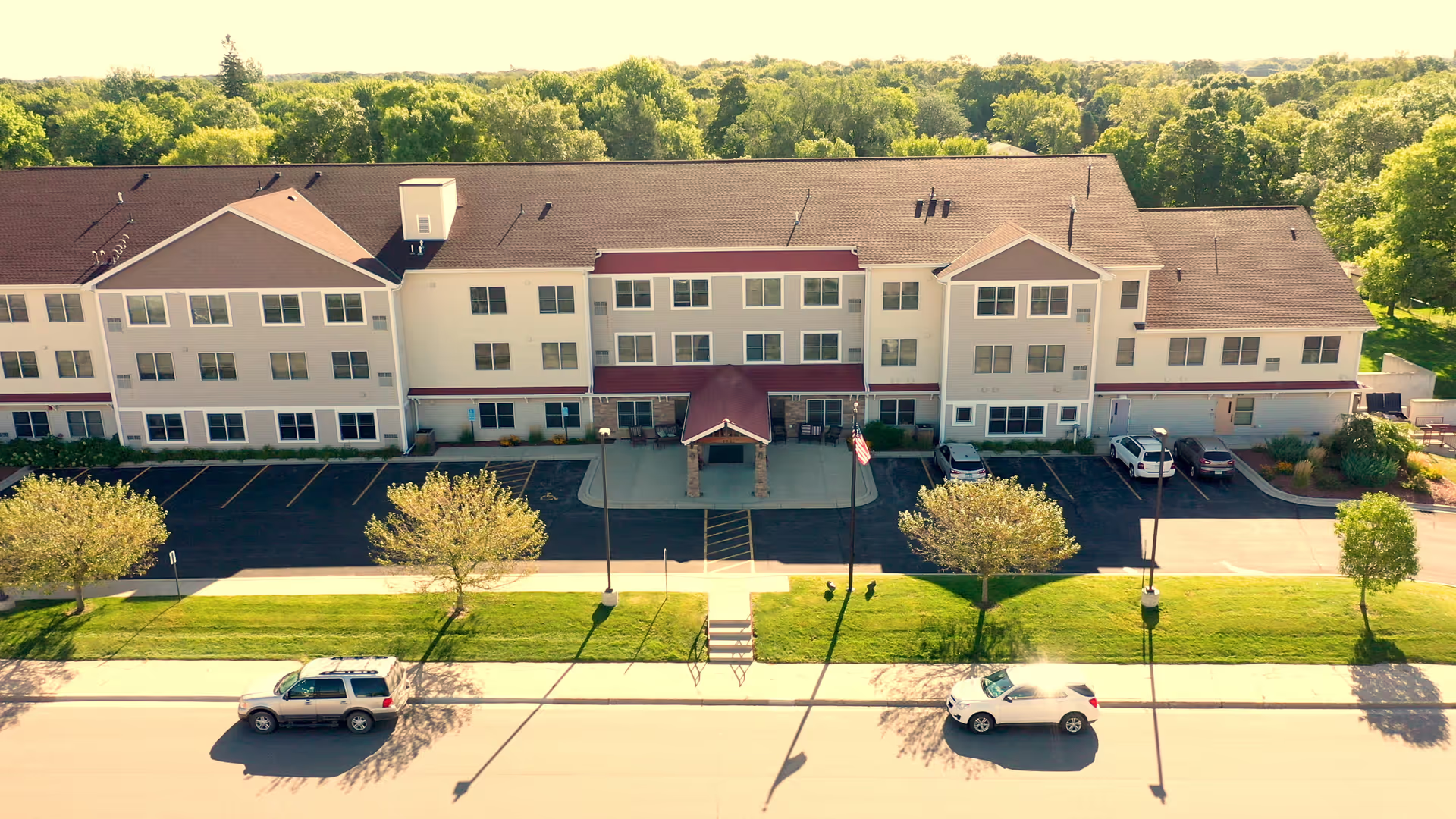
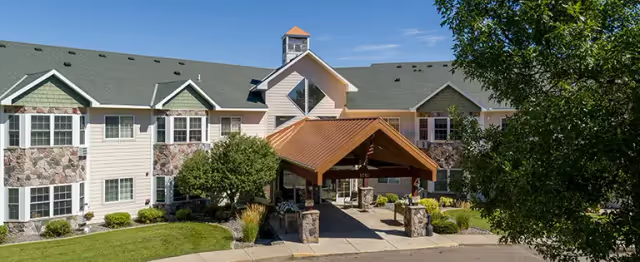
Sleepy Eye Rehabilitation Center presents a mixed overall picture. Several reviewers praised the facility's physical environment — an attractive, well-kept building with indoor aquaria, live plants and a quiet setting — and described the community as friendly and welcoming. The site also offers a broad continuum of on-site senior services, which some families found convenient for coordinating care needs.
Care quality and staffing appear variable. Many accounts describe compassionate, family-like nursing staff who communicate well and provide supportive end-of-life care, including spiritual comfort. At the same time, reviewers described inconsistent caregiving quality from shift to shift and from aide to aide. This variability extends to responsiveness, with some visitors noting strong communication while others reported delays or a tone that raised concerns.
Several operational concerns center on clinical processes and safety. Multiple comments indicate gaps in infection-control and sanitation practices, including inconsistent glove use and concerns about medical-device hygiene; one review referenced an infection-control event involving C. difficile. Reviewers also raised safety issues such as frequent falls and what they perceived as inconsistent fall-prevention practices. Together these items suggest opportunities to strengthen clinical protocols, staff training, and incident response procedures.
Dining and environmental comfort received mixed feedback. Positive notes were limited, while specific concerns included cold meals and inconsistent meal-service practices. Temperature and ventilation were also called out: some rooms were described as uncomfortably warm, with ad hoc ventilation measures in use. These observations point to inconsistent environmental controls and meal-service monitoring.
Programming and daily life show both strengths and gaps. The activities director received praise for engagement and encouragement of resident participation, and some residents were described as active and supported. Conversely, a few reviewers felt activity options were lacking, indicating variability in the consistency or availability of programming across residents or units.
Management and oversight emerged as recurring themes. Several reviewers expressed dissatisfaction with management responsiveness and administrative oversight. One review raised an allegation of staff theft and financial misconduct, which is a serious claim that families and regulators would likely want investigated further. Taken together, comments suggest leadership could address inconsistencies in staffing, clinical practice, and family communication more proactively.
In summary, Sleepy Eye Rehabilitation Center appears to offer a pleasant physical environment and several instances of attentive, compassionate care, particularly around end-of-life support. However, variability in caregiver performance, infection-control practices, meal service, environmental comfort, activity consistency, and perceived managerial oversight are notable patterns that prospective residents and families should evaluate. Asking about staffing stability, infection-control protocols, fall-prevention programs, meal-service procedures, activity schedules, and how the facility handles allegations or incidents would help clarify whether this provider meets an individual resident's needs.