Overall impression: Reviews describe a facility with strong clinical and rehabilitative resources and an emphasis on compassionate, family-oriented care. Therapies and clinical supports — including pain management, physical therapy, and a warm-water therapy pool with an in‑pool treadmill — are repeatedly highlighted as effective. The nursing program’s Magnet status and the presence of counseling and case management were seen as positive indicators of clinical capability and coordination.
Staff and care quality: Many accounts emphasize attentive, kind, and knowledgeable staff, with examples of responsive bedside care, end-of-life attention delivered with dignity, and staff who engage residents’ emotional and spiritual needs. Counseling and case-management staff are often singled out for effective family communication and care planning. At the same time, a subset of reviewers raised concerns about inconsistent professional behavior and staff turnover; these comments suggest variability in staff continuity and occasional lapses in how care is delivered or communicated.
Dining and activities: Dining is generally described as a strength — good-tasting meals, meal choices, and a functional dining setup. Activities are broad and recurrent: bingo, music nights, arts and crafts, exercise classes, Bible studies, worship services, and scheduled outings supported by a facility bus. Families report that the activities program and available social opportunities contributed to improved resident social lives and satisfaction.
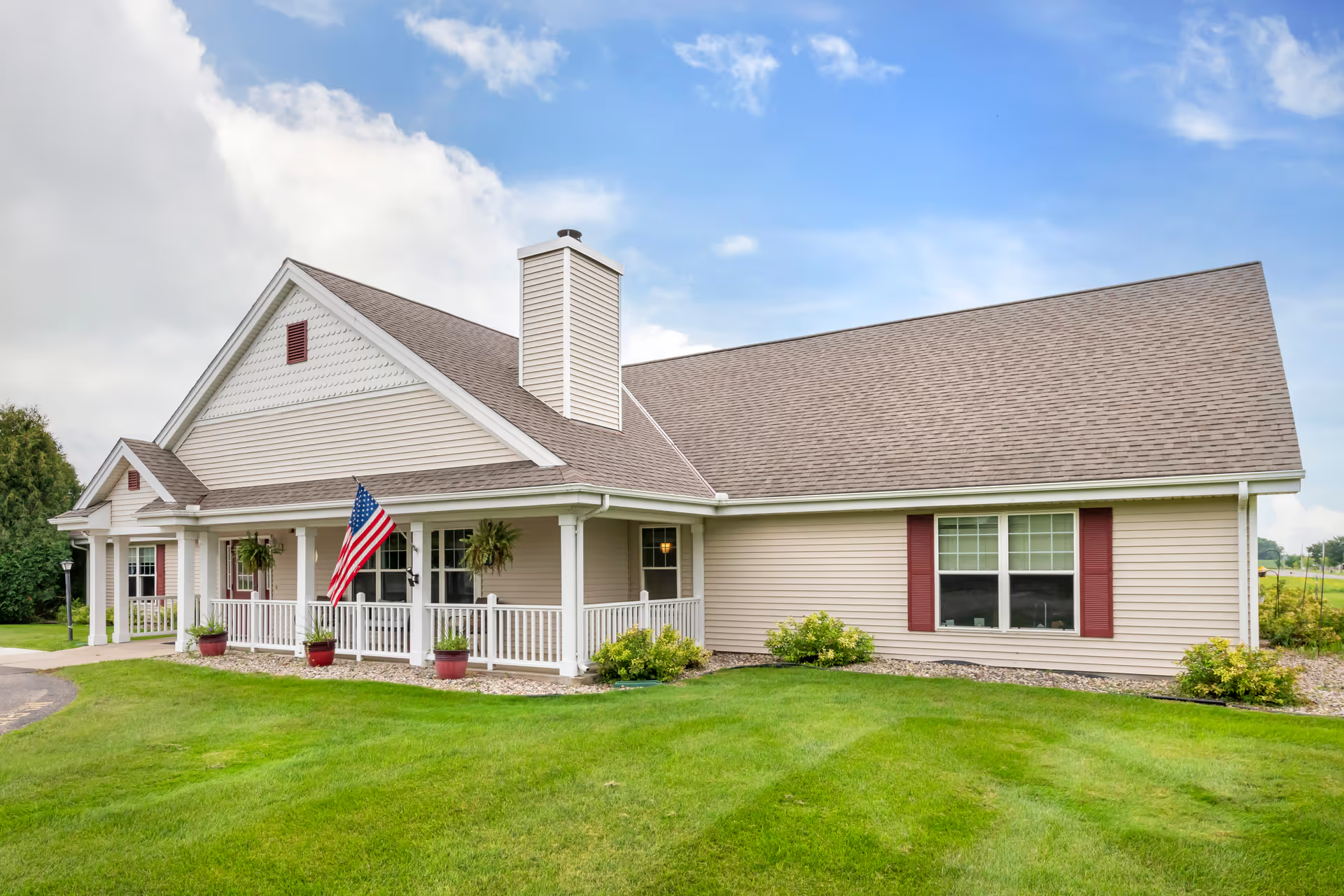
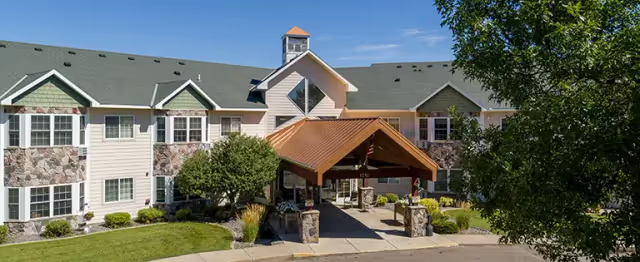
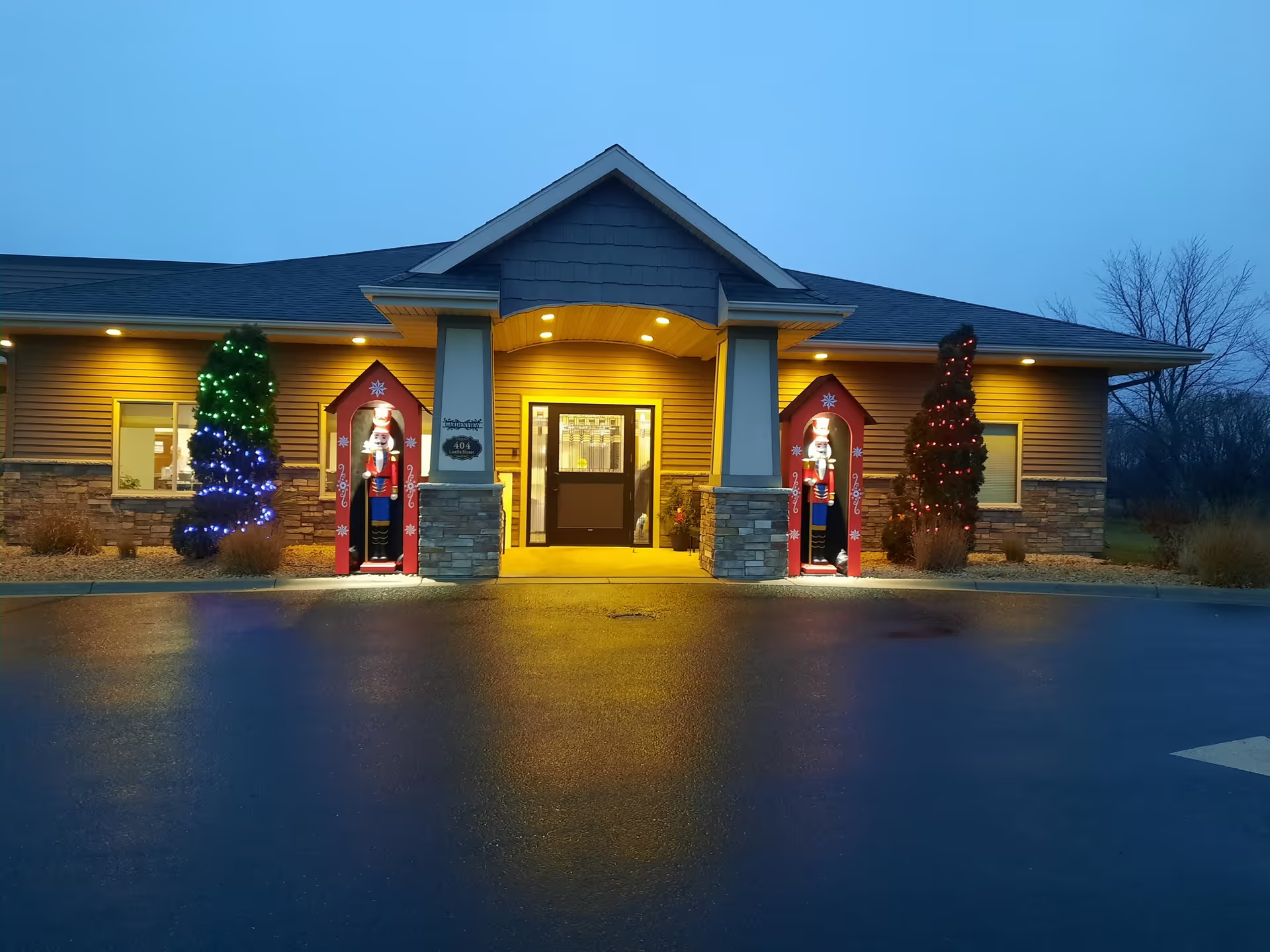
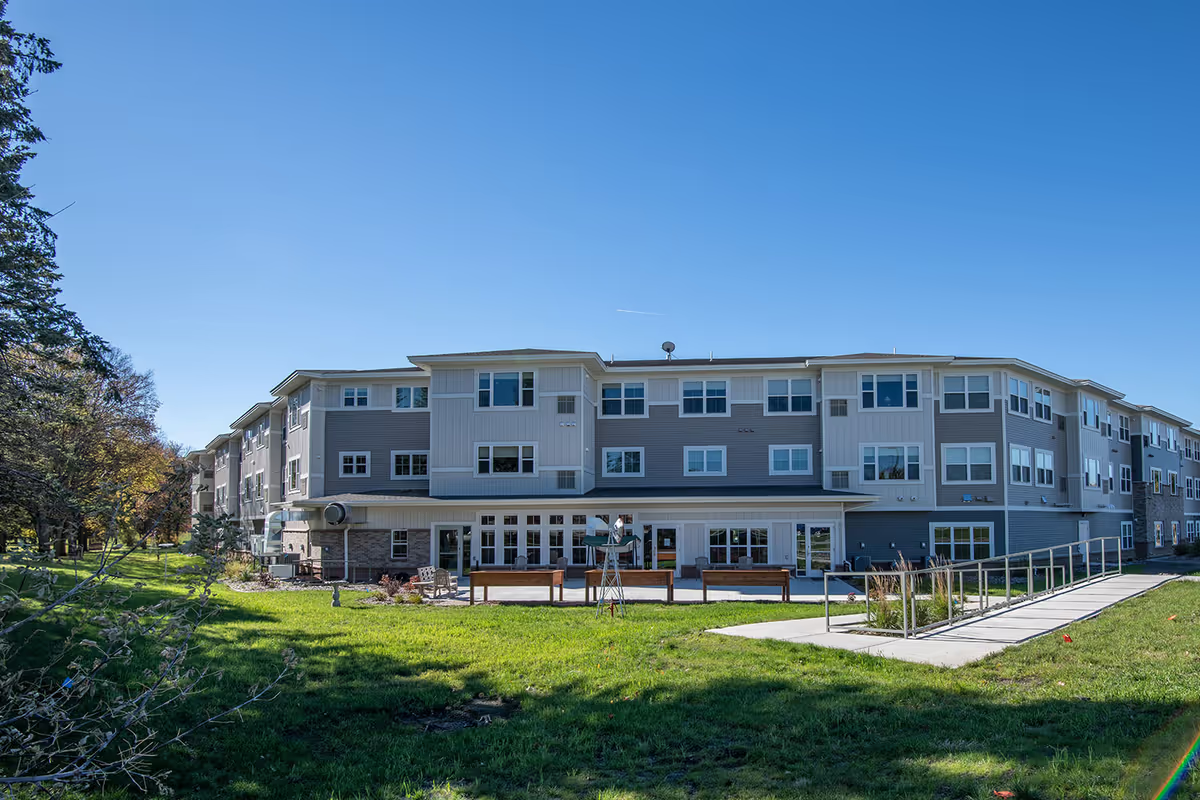
Facilities and accommodations: The building and common areas are characterized as clean, well-maintained, and family-friendly, with accessible outdoor spaces and comfortable dining areas. Room types vary; private rooms with en-suite bathrooms are available and appreciated, though rooms are often described as small and some configurations lack full showers. Physical-therapy spaces and recreational amenities are noted as functional and supportive of recovery goals.
Management and notable patterns: Positive themes include strong clinical programs, attentive caregiving, and proactive family engagement. Areas that warrant caution or further inquiry are operational consistency and medication oversight. Several reviewers expressed concerns about medication management practices, including the use of psychotropic or sedative-class medications, and others questioned staffing stability and long-term funding or operational reliability. These patterns point to variability in the resident experience depending on unit, staff shift, or individual case management.
Guidance for prospective families: When evaluating this facility, consider verifying staffing ratios and turnover trends, asking for details on medication-management protocols and pharmacy oversight, touring the specific room types you are offered (check shower/bath configurations and square footage), and meeting rehabilitation and case-management staff who will coordinate care. Overall, the facility presents substantive clinical and rehabilitative strengths with a broadly positive culture of caregiving; families should weigh those strengths alongside the operational consistency issues noted above to assess fit for a particular resident’s needs.