Care quality at Dunbar Village is a consistent strength in the reviews: families describe coordinated clinical teams that produce measurable functional gains. The therapy department (physical and occupational) receives repeated praise for helping residents regain mobility and independence, with several accounts noting transfers from total assist to independent ambulation with a walker. Nursing and CNA staff are described as competent, attentive, and focused on dignity and comfort; reviewers point to timely responses, individualized care plans, and strong caregiver–family communication.
Staff culture is frequently characterized as warm and family-like. Multiple sources highlight staff going beyond basic duties, providing emotional support, and maintaining strong relationships with residents and families. This extends across roles — nursing, CNAs, therapists, and kitchen staff are all called out for their contributions. Reviewers also emphasize compassionate end-of-life care and rituals of closure that provided comfort to families.
Dining and activities form an important part of resident life. Lunch and dinner are described positively, with specific praise for variety and quality. Morning meal offerings are less well regarded, with inconsistent breakfast options noted. The activity program includes a robust calendar of socials, bingo, Sunday services, outings, and other engagement opportunities that reviewers say keep residents active and socially connected.
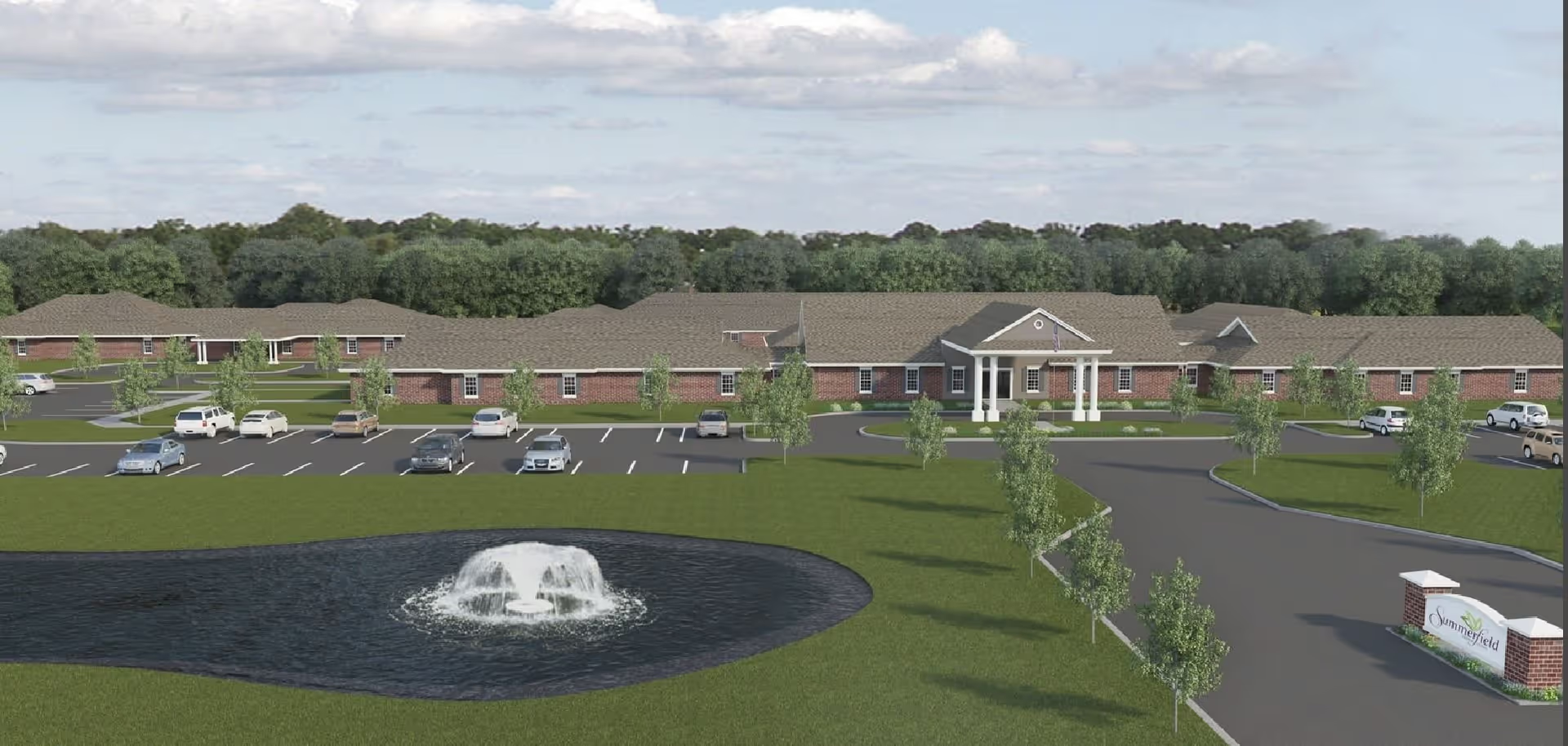
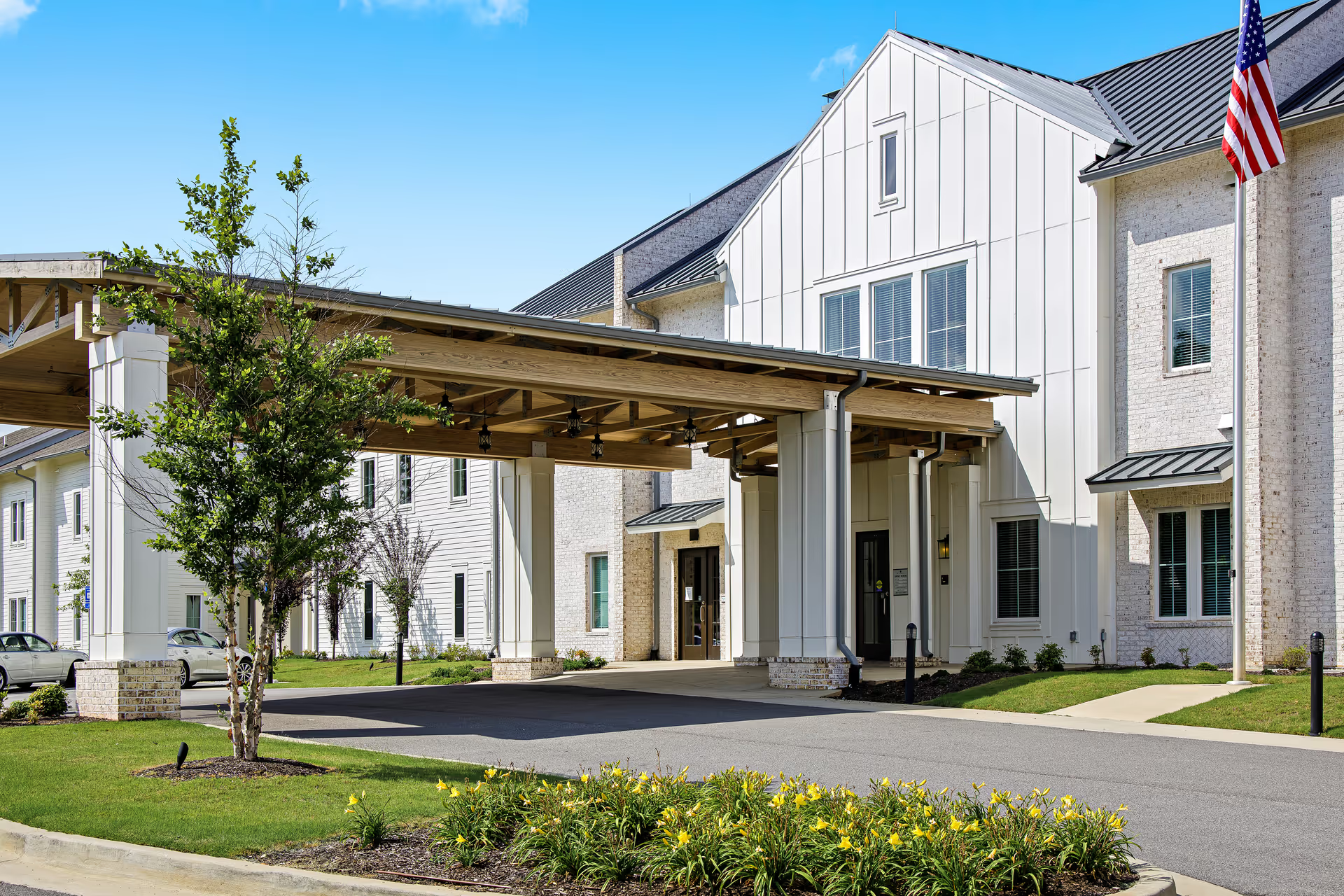
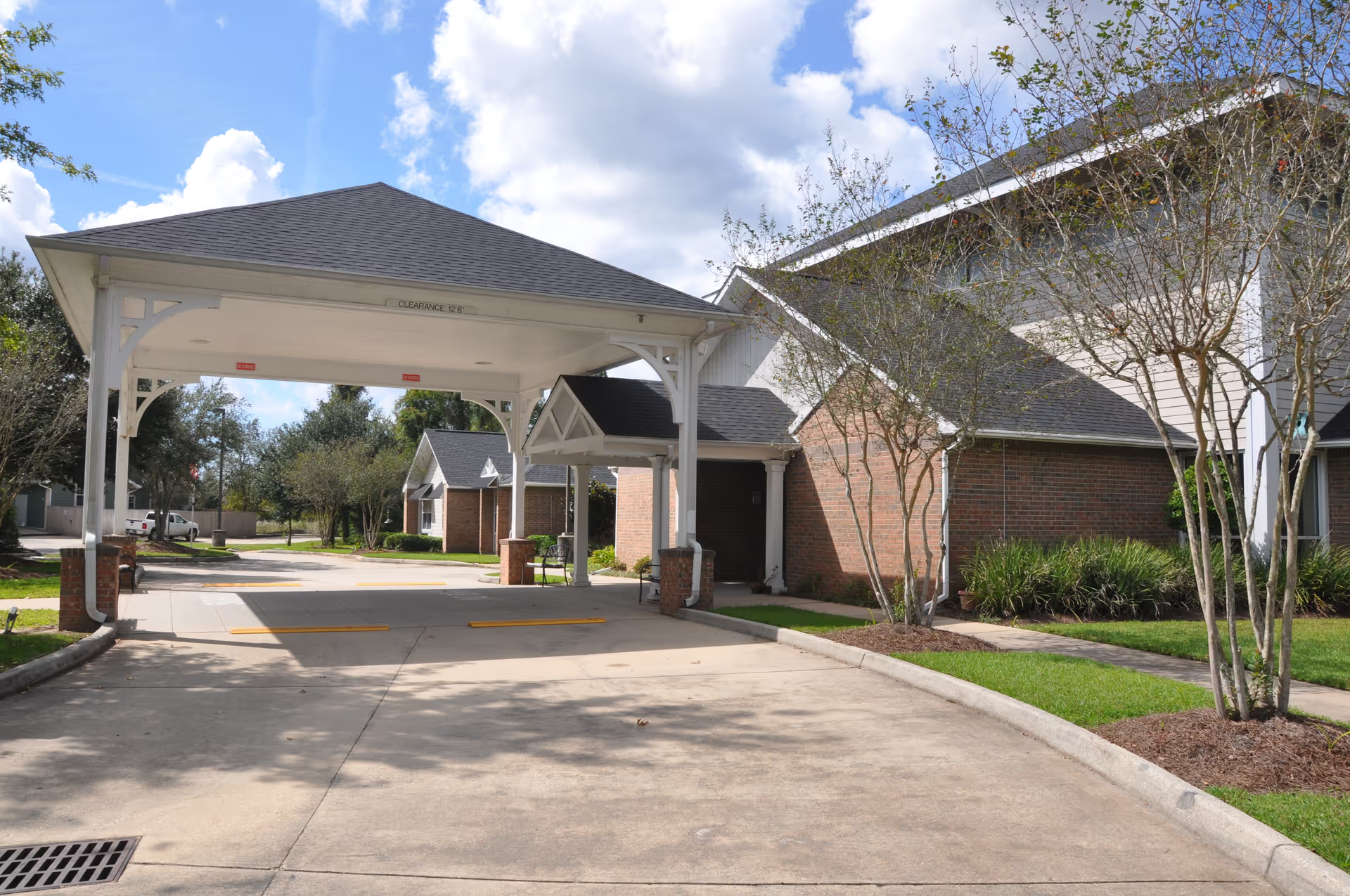
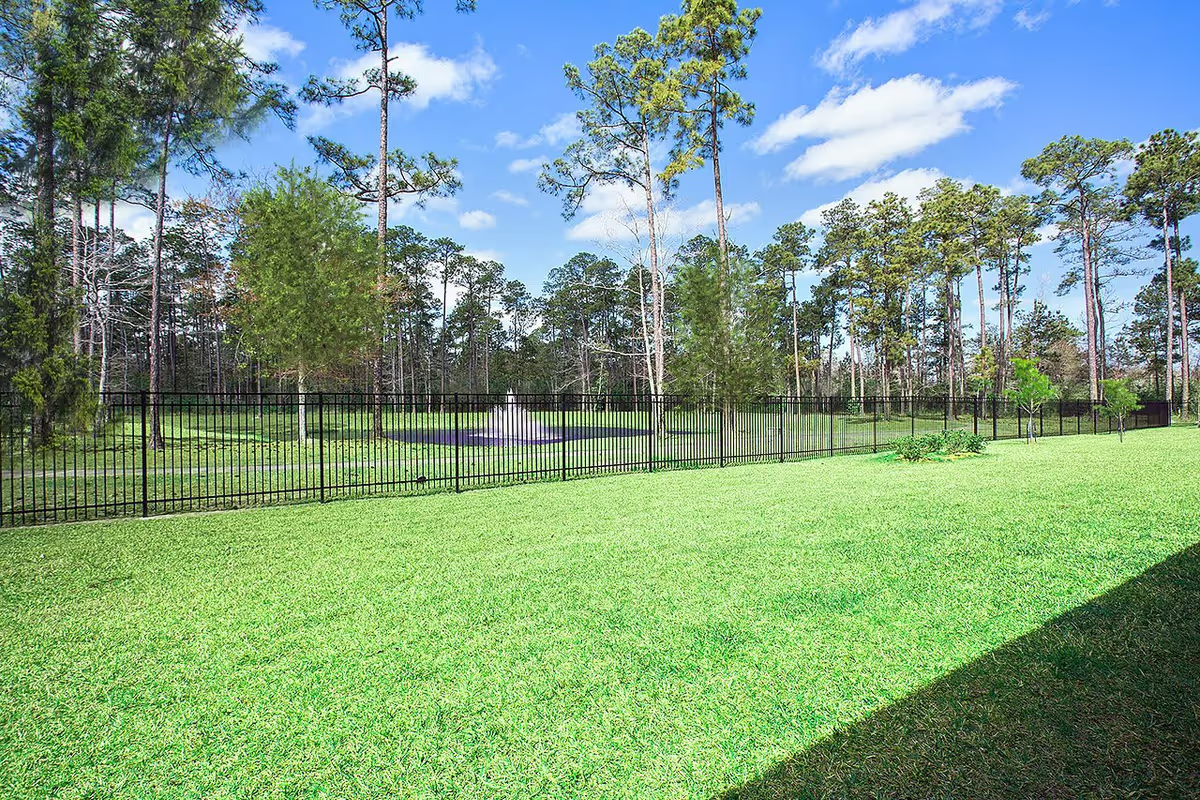
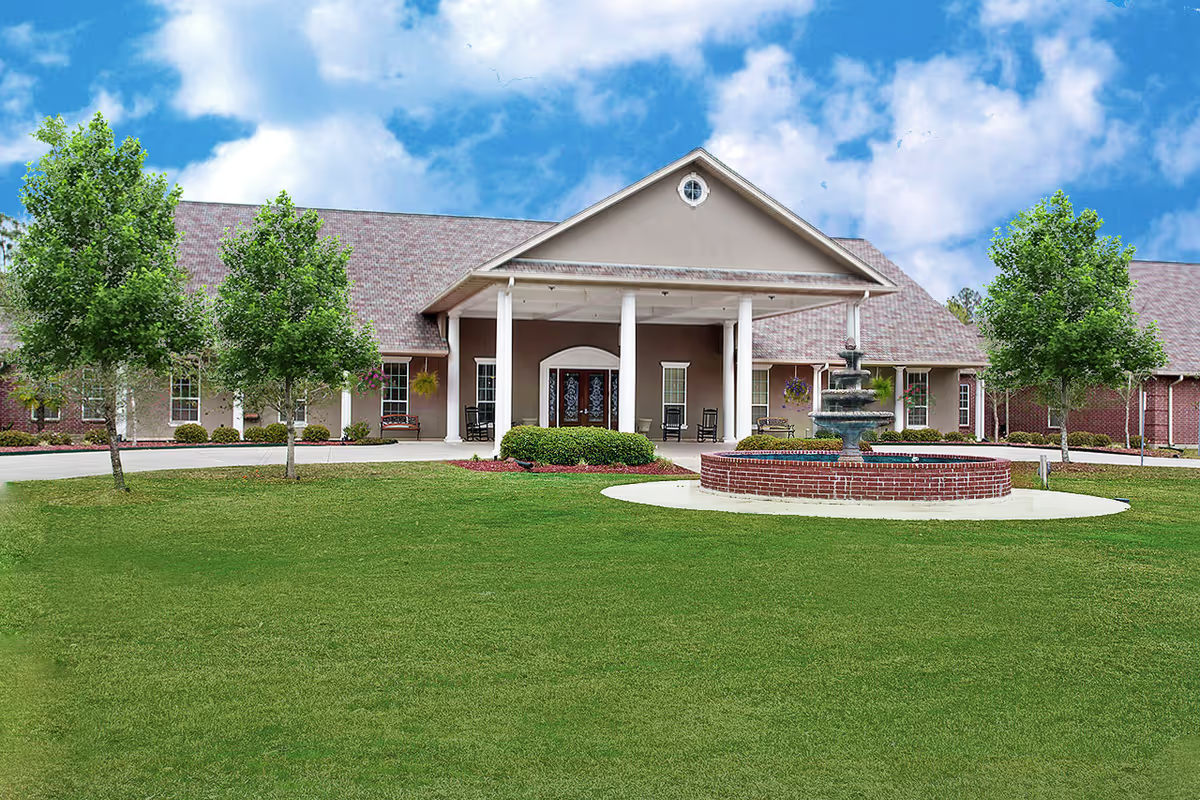
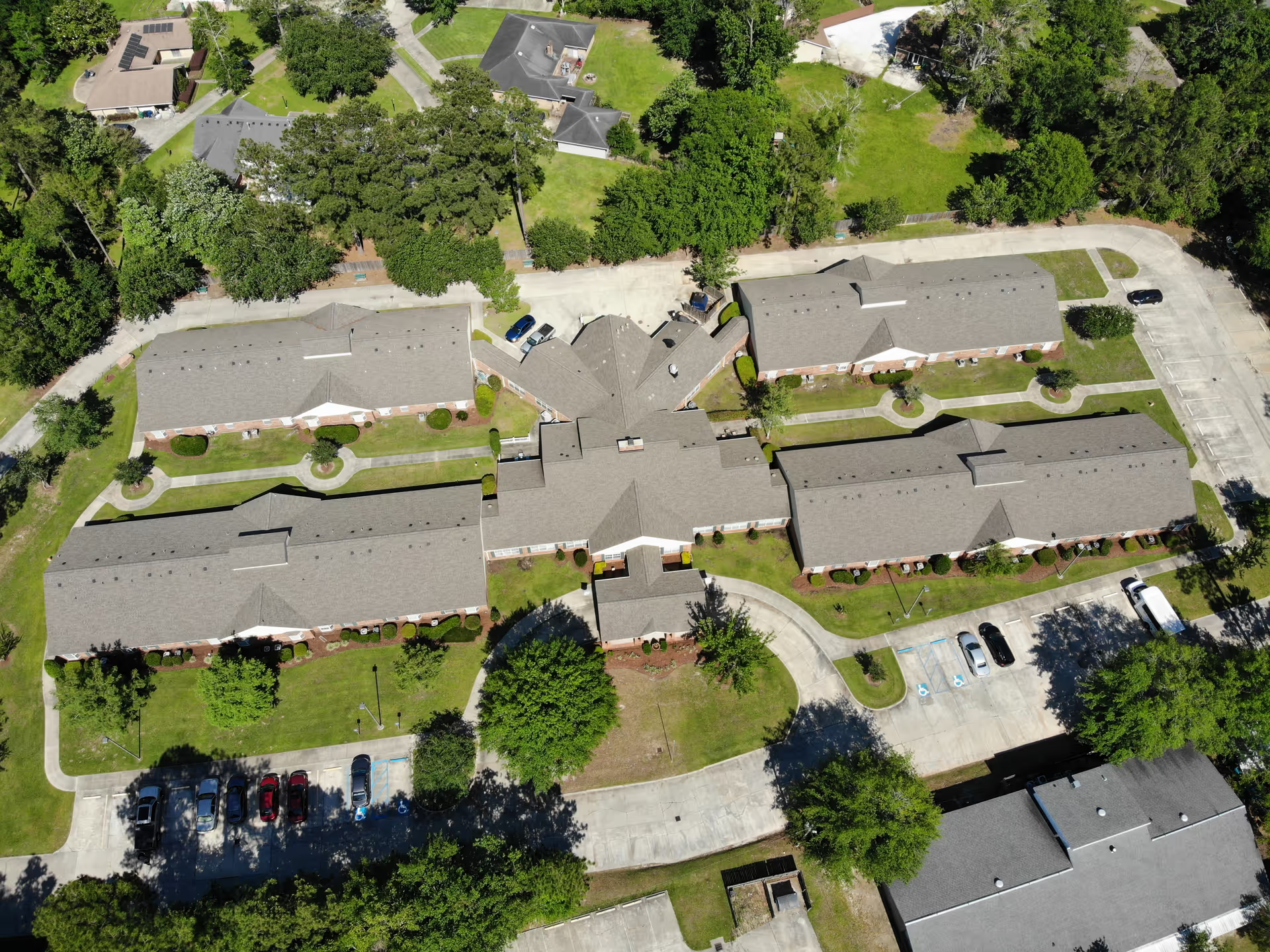
The physical environment is presented as clean, tidy, and attractively maintained. Private rooms, tasteful decor, and manicured grounds with accessible first-floor areas are frequent positives. The onsite therapy gym is functional but basic; while staff expertise compensates for limited equipment, the facility’s rehab infrastructure may not match larger institutional therapy centers.
Management and operational patterns show strong staff responsiveness and family communication, particularly during care transitions and rehabilitation stays. An important operational limitation identified is restrictive visitation logistics during infection-control events: pandemic-era practices that moved visiting to lobby areas and limited in-person contact were difficult for families. This suggests the facility follows conservative infection-control protocols but may have limited flexibility in visitation setups during outbreaks.
Overall, Dunbar Village’s reviews portray a community with high clinical competence, especially in rehabilitation, and a caring, resident-centered culture. Areas for improvement include enhancing morning dining options and expanding or upgrading therapy equipment, as well as reviewing visitation logistics to balance infection control with family access when feasible.