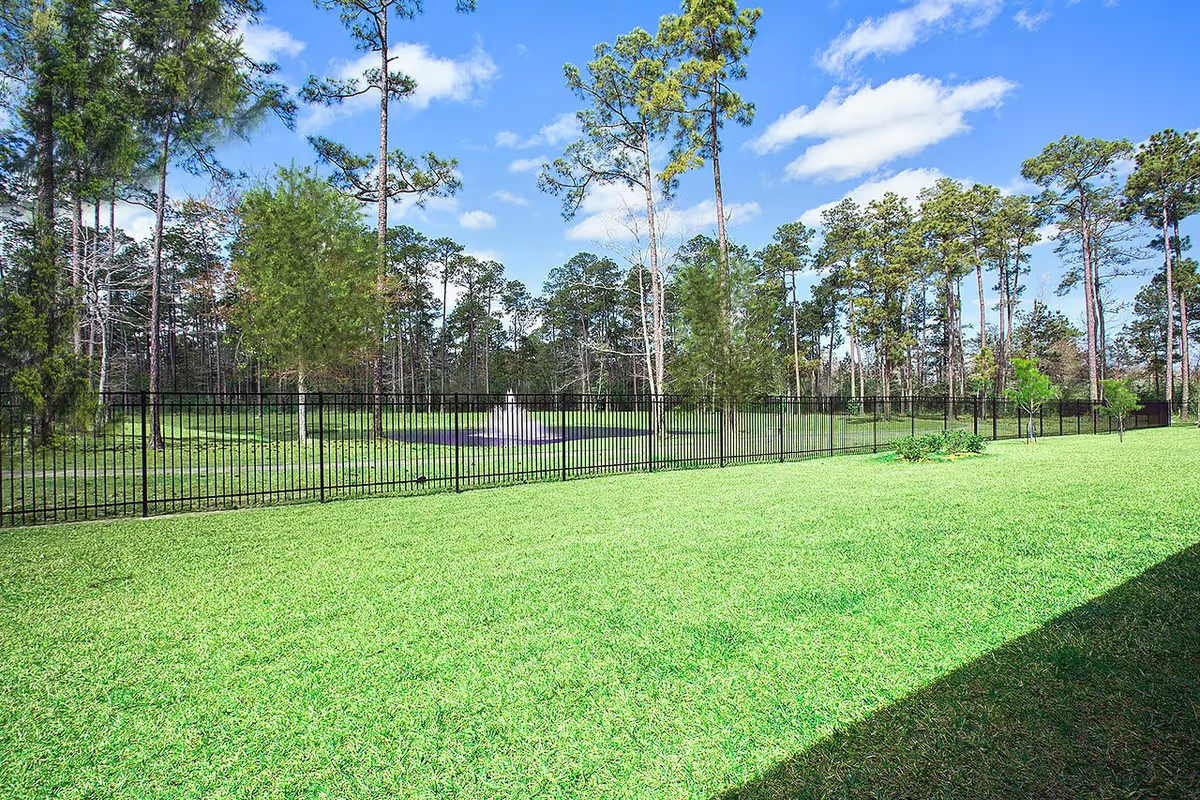
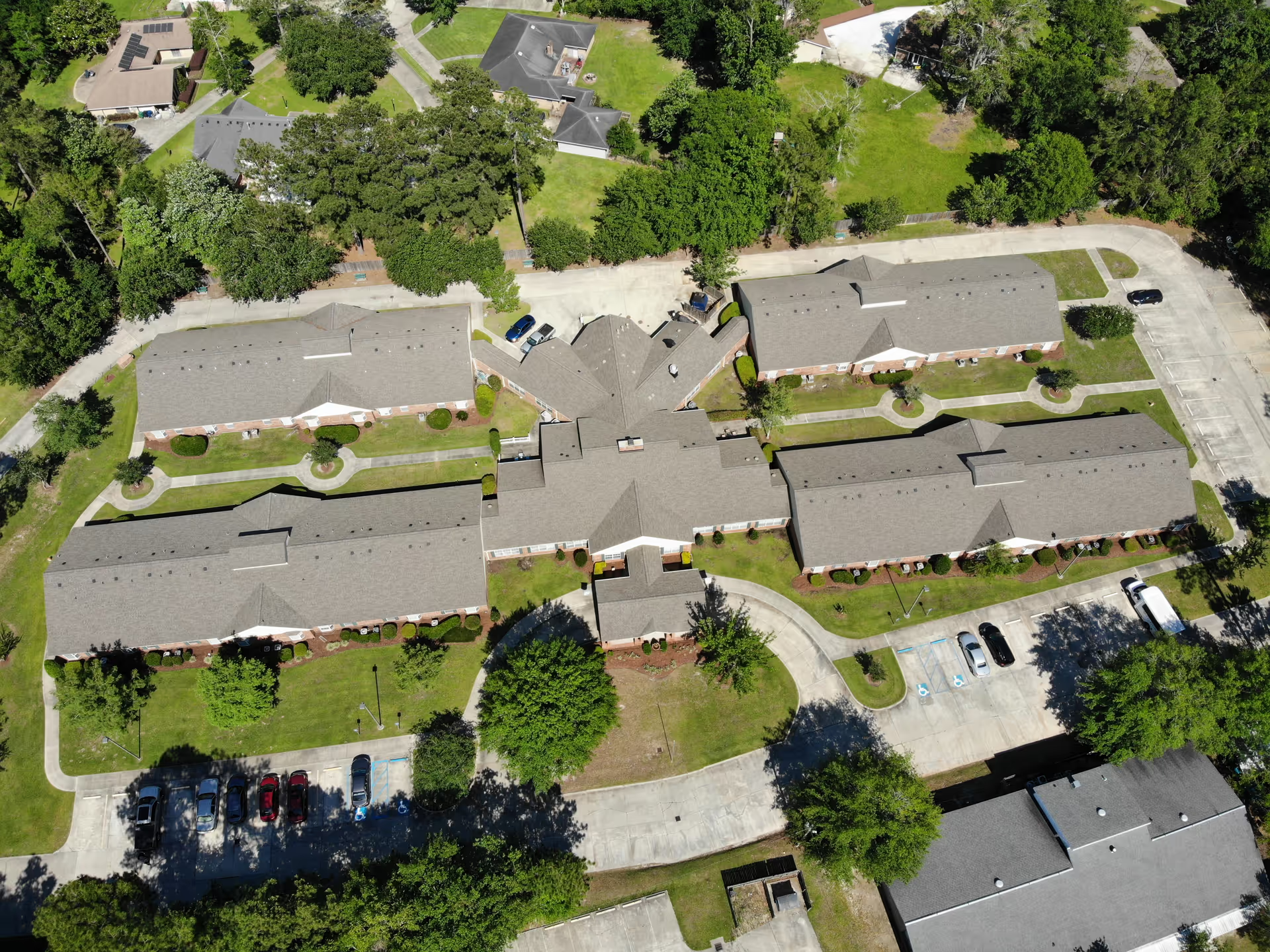
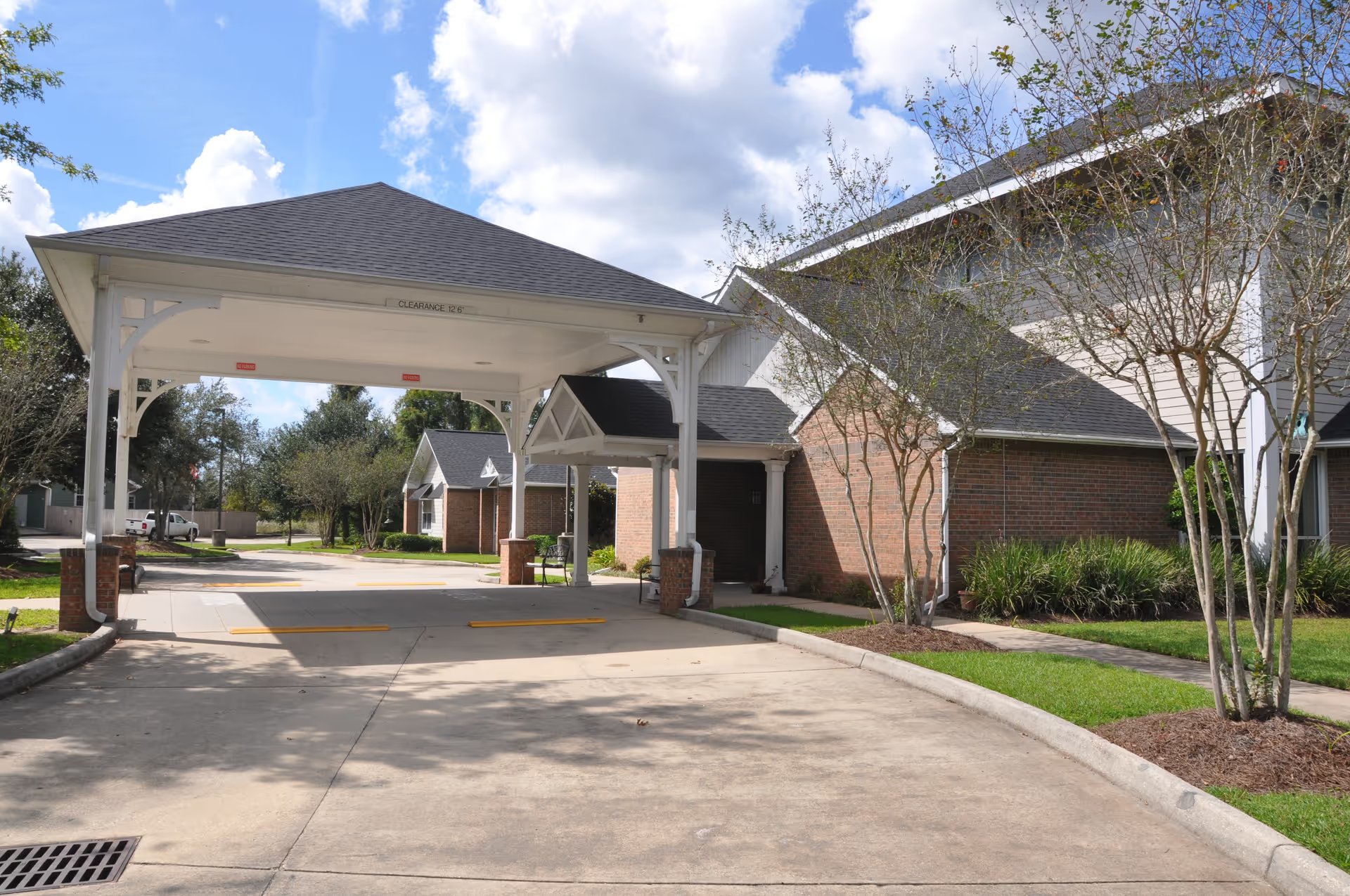
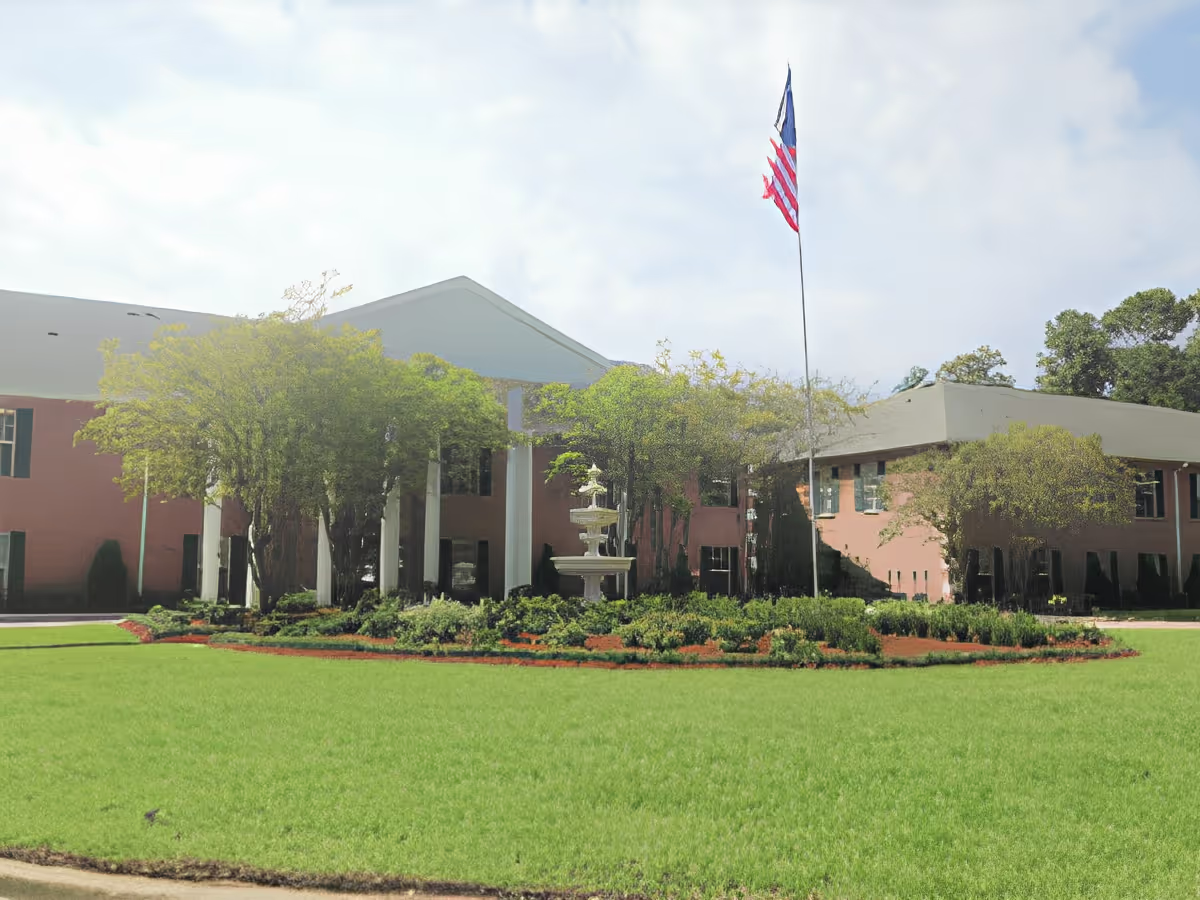
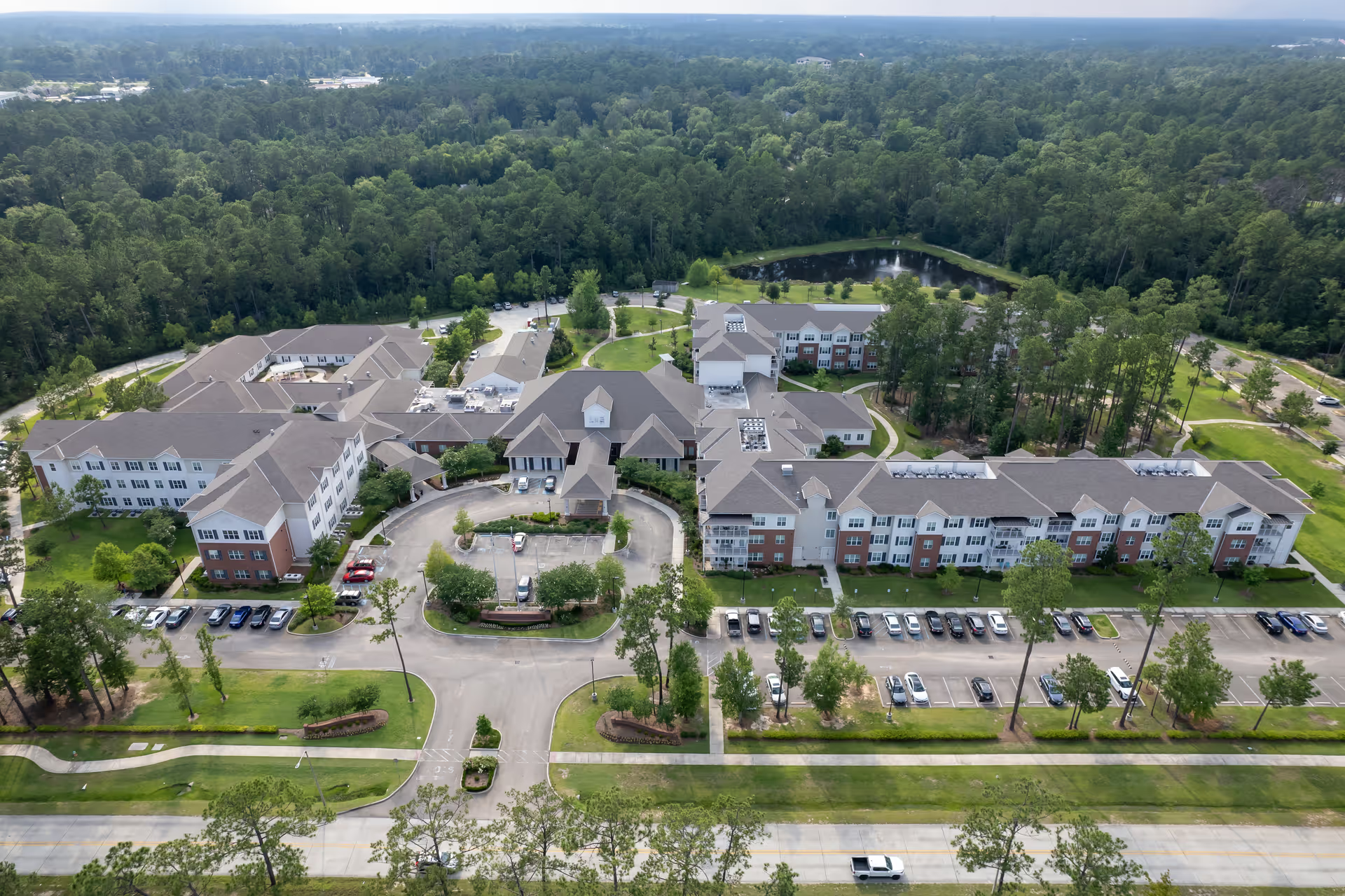
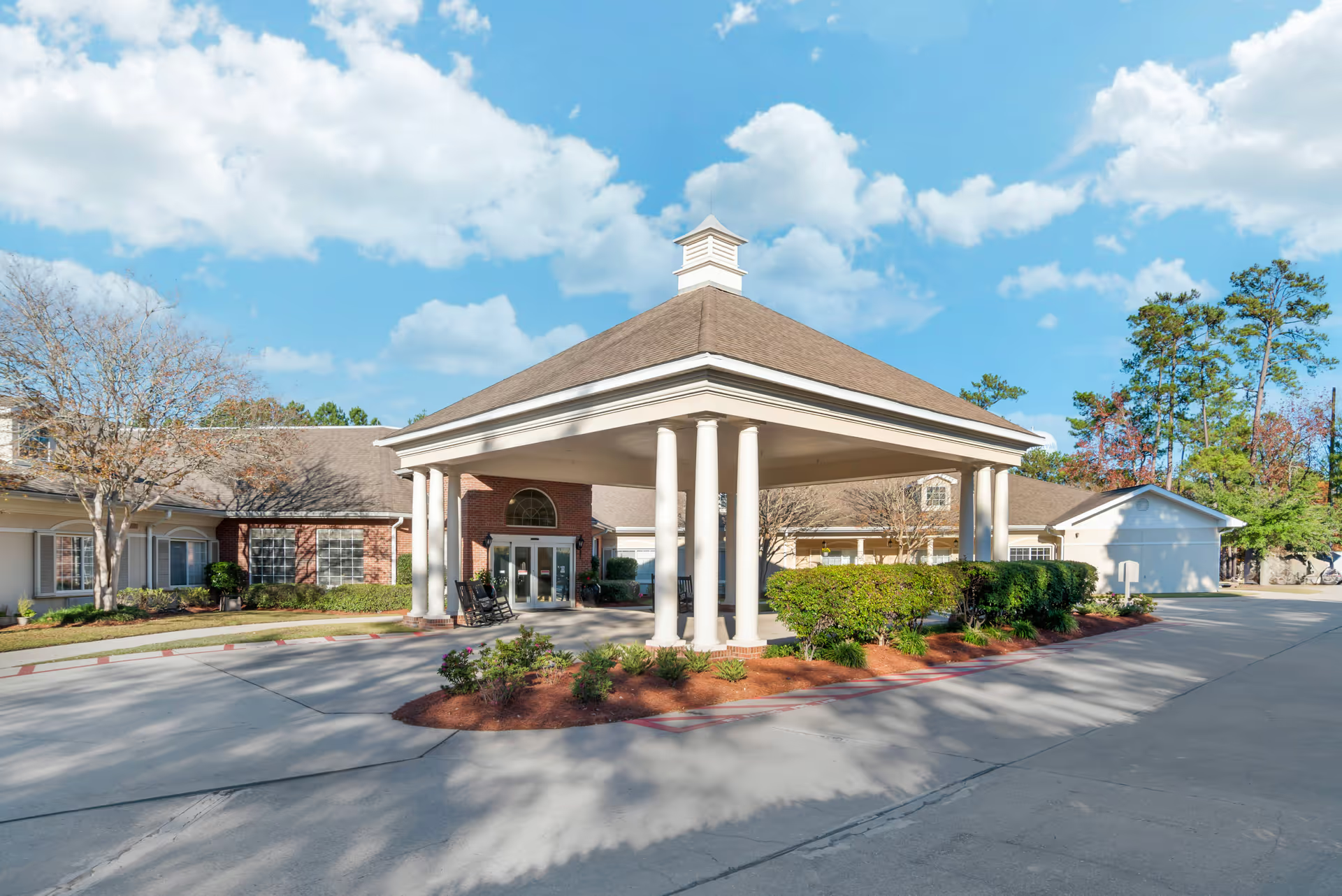
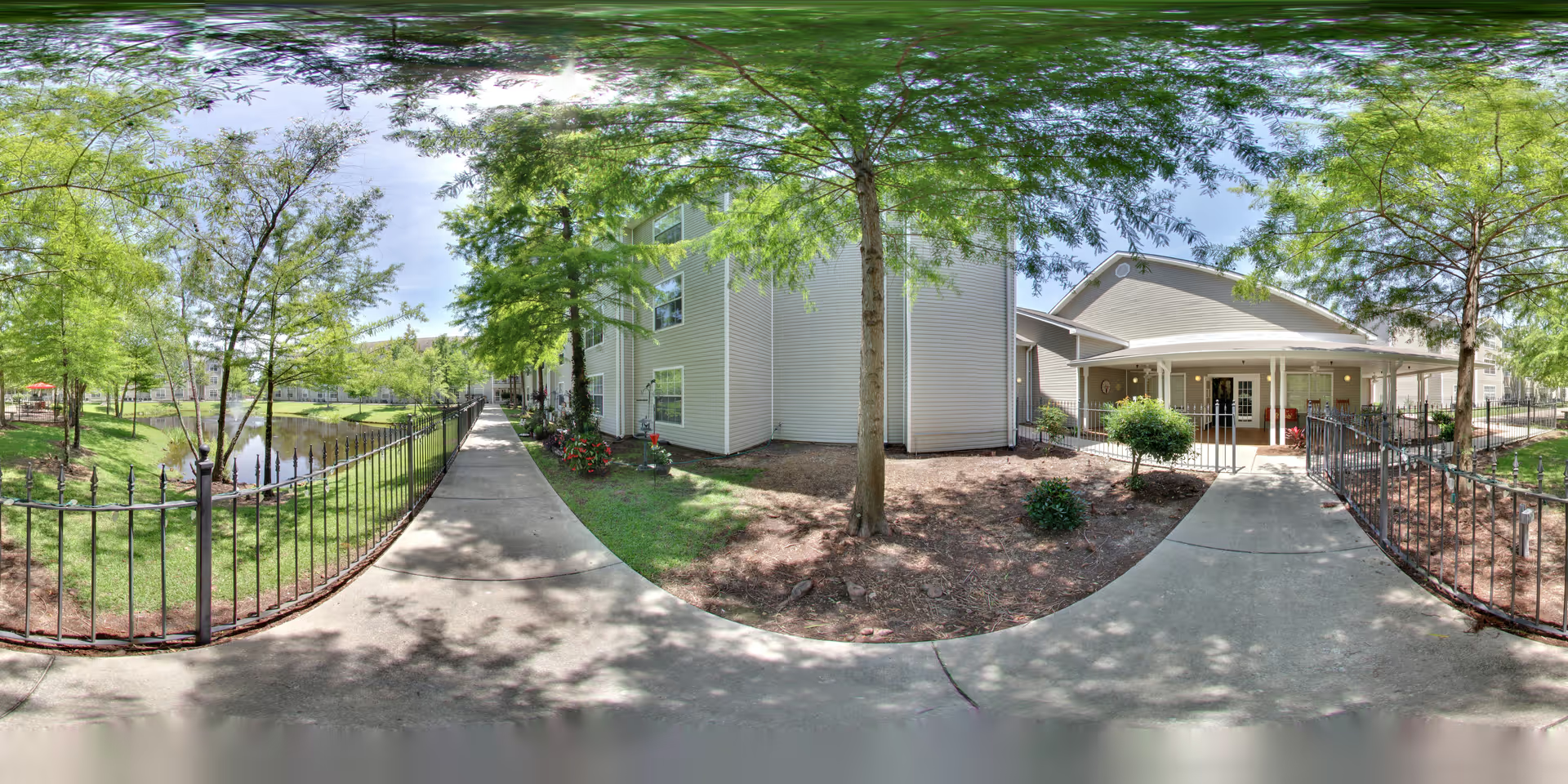
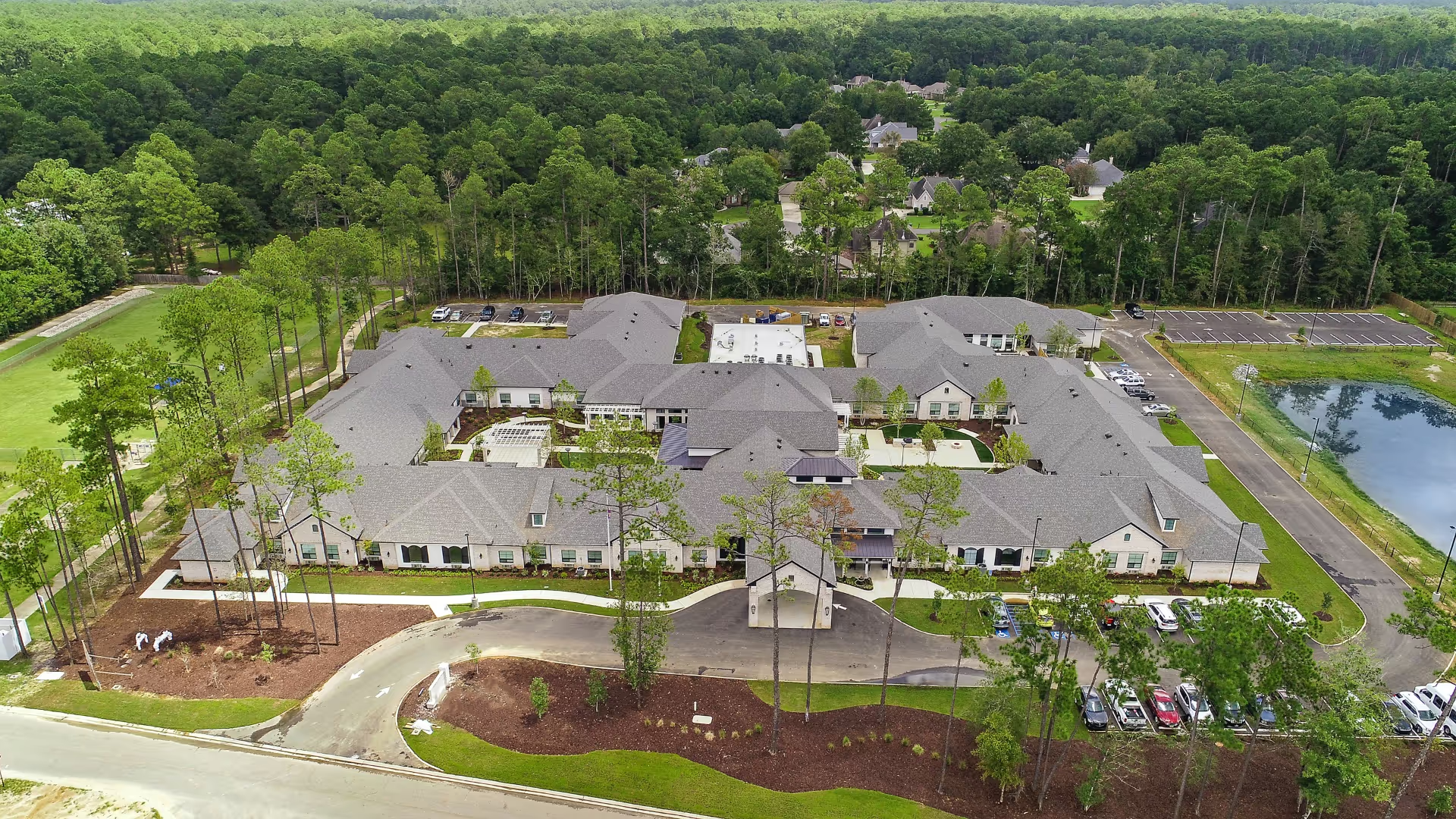
Summerfield Senior Living presents as a well‑kept, modern community with many hallmarks families commonly seek: clean facilities, attractive grounds with a pond and walking paths, multiple comfortable common areas, and a range of apartment types (studios, one‑bedrooms, two‑bedrooms). The physical plant is frequently described as updated and resort‑like, and the pet‑friendly design with a dedicated dog courtyard is a recurring positive. On‑site amenities such as a salon/barber, laundry facilities, dining room with waiter service, and therapy services add convenience for residents.
Staffing and care receive predominantly positive comment: numerous reviewers praised compassionate, attentive, and efficient staff who create a family‑like atmosphere and engage residents by name. The community runs a broad activities program (bingo, live music, painting, crafts, happy hours, outings and casino trips) with transportation available for offsite trips. Physical and occupational therapy services are noted as strong, and management presence and proactive infection‑control procedures were highlighted during the pandemic. These operational strengths support an active, social environment that many residents and families find appealing.
However, the reviews also reveal operational inconsistencies that prospective families should evaluate. A minority of accounts raise serious care‑management concerns: medication timing and administration inconsistencies, irregular personal‑care and housekeeping schedules, and instances where clinical response and family communication were perceived as inadequate. These reports suggest the facility may have uneven performance across shifts or teams rather than uniformly applied clinical processes. Additionally, there is variability in staff conduct and responsiveness reported by different families; while many describe warm, helpful staff, some report brusque interactions or limited availability.
Dining and ancillary costs are mixed areas. The dining program has fans—menu input, waiter service, meal delivery to rooms, and varied options—but some reviews cite inconsistent quality and small portions. Administrative practices such as non‑refundable fees, separate utility billing, laundry charges, and other ancillary costs were mentioned and may affect overall value. Unit layouts also vary: some residents note limited natural light (one window per apartment or no living‑room window in certain two‑bed plans) and navigation or accessibility challenges within the larger facility; hallway noise was also flagged.
Conclusion: Summerfield is frequently recommended for its clean facilities, active programming, range of unit types, and compassionate staff. It may be especially well suited to families seeking social engagement, on‑site therapy, and a pet‑friendly setting. Prospective residents and their families should conduct targeted due diligence during a tour: review medication‑administration protocols, personal‑care and housekeeping schedules, privacy/confidentiality procedures, ancillary fee structures, and unit‑specific light/layout considerations. Asking to meet nursing leadership, observing different shift changes, and speaking with current residents about clinical responsiveness can help assess whether the facility’s strengths are consistent with an individual’s care priorities.