Affordable Senior Care–Southaven appears to be a small, home-style assisted-living option with a number of positive operational features alongside several notable operational concerns. Strengths that recur across impressions include a friendly, patient staff; an attentive nursing presence; and a clean, well-maintained interior. The facility offers both private and shared rooms, on-site laundry and kitchen facilities, and a secure environment. Several families praised staff responsiveness during tours and after move-in, and appreciated the personalized, small-facility atmosphere that can support individualized care plans.
Care and staff: The prevailing impression is of competent, compassionate caregivers who are patient and willing to work with families. Reviewers frequently described staff as informative during tours and responsive once residents moved in; bathing assistance and routine nursing attention were cited positively. At the same time, there are clear concerns about staff conduct and family communication in some cases. These concerns include perceived lapses in respectful interaction and follow-through of family requests. Additionally, an incident involving a wheelchair collision raised questions about transfer and mobility-safety practices; this has led some families to seek external review in at least one case. Prospective families should ask about staffing ratios, transfer protocols, and how the facility communicates with families about clinical incidents.
Dining: The facility operates an on-site kitchen and several reviewers described meals as hot and palatable, noting convenience and value. However, other families raised serious concerns about inconsistent meal quality and continuity of food service, with consequences for resident weight and nutritional intake in a few accounts. This contrast suggests variability in meal preparation, portioning, or monitoring. Visitors should review sample menus, mealtime staffing, portion controls, and protocols for monitoring weight and nutrition.
Activities and programming: The facility’s small scale contributes to a quieter, more residential atmosphere, which some families prefer. That same scale appears to limit organized programming: lack of structured activities was a repeated comment. For residents who need or want more frequent group programming or stimulation, this may be a drawback. Ask about weekly activity calendars, outside-community outings, and opportunities for social engagement when evaluating fit.
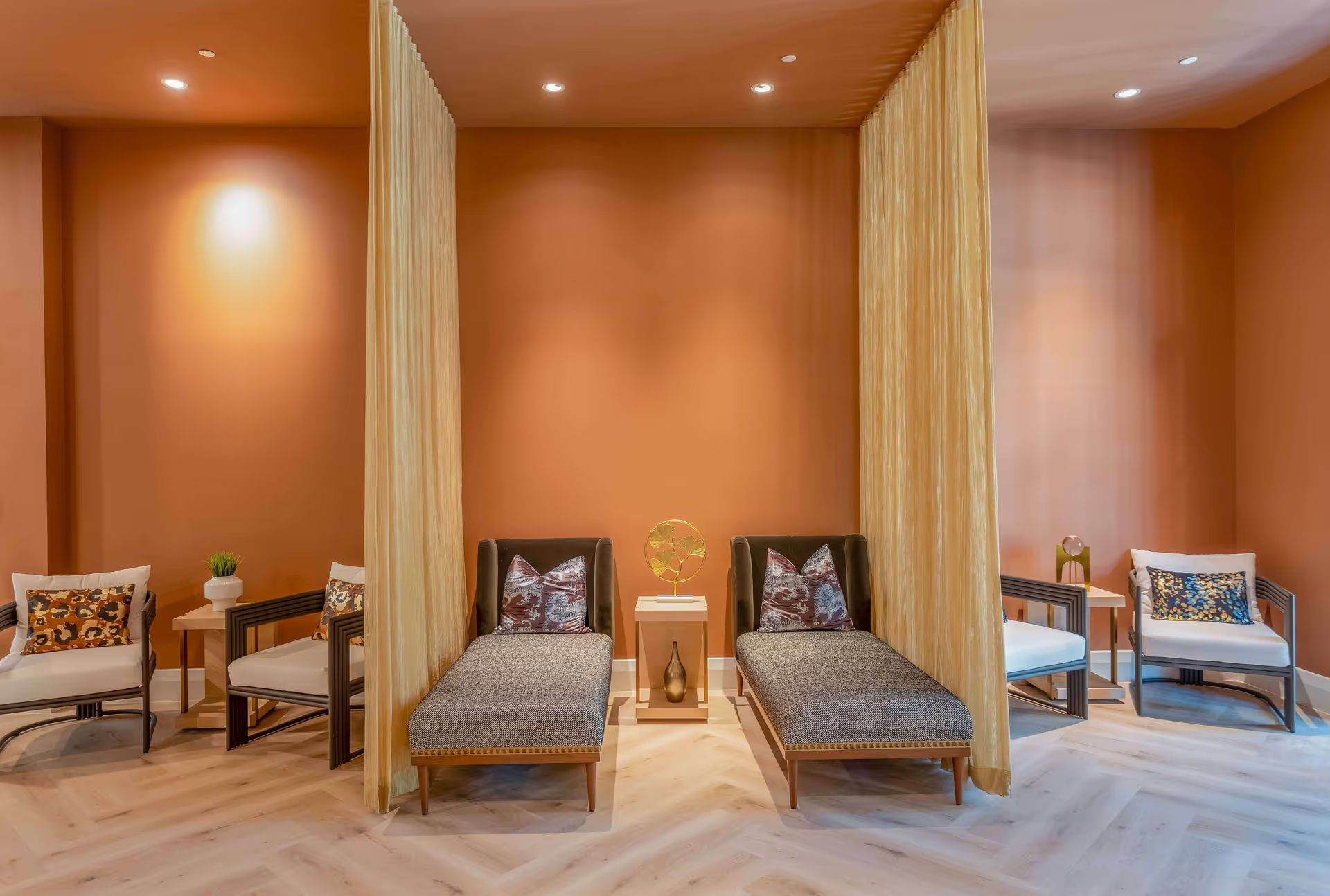
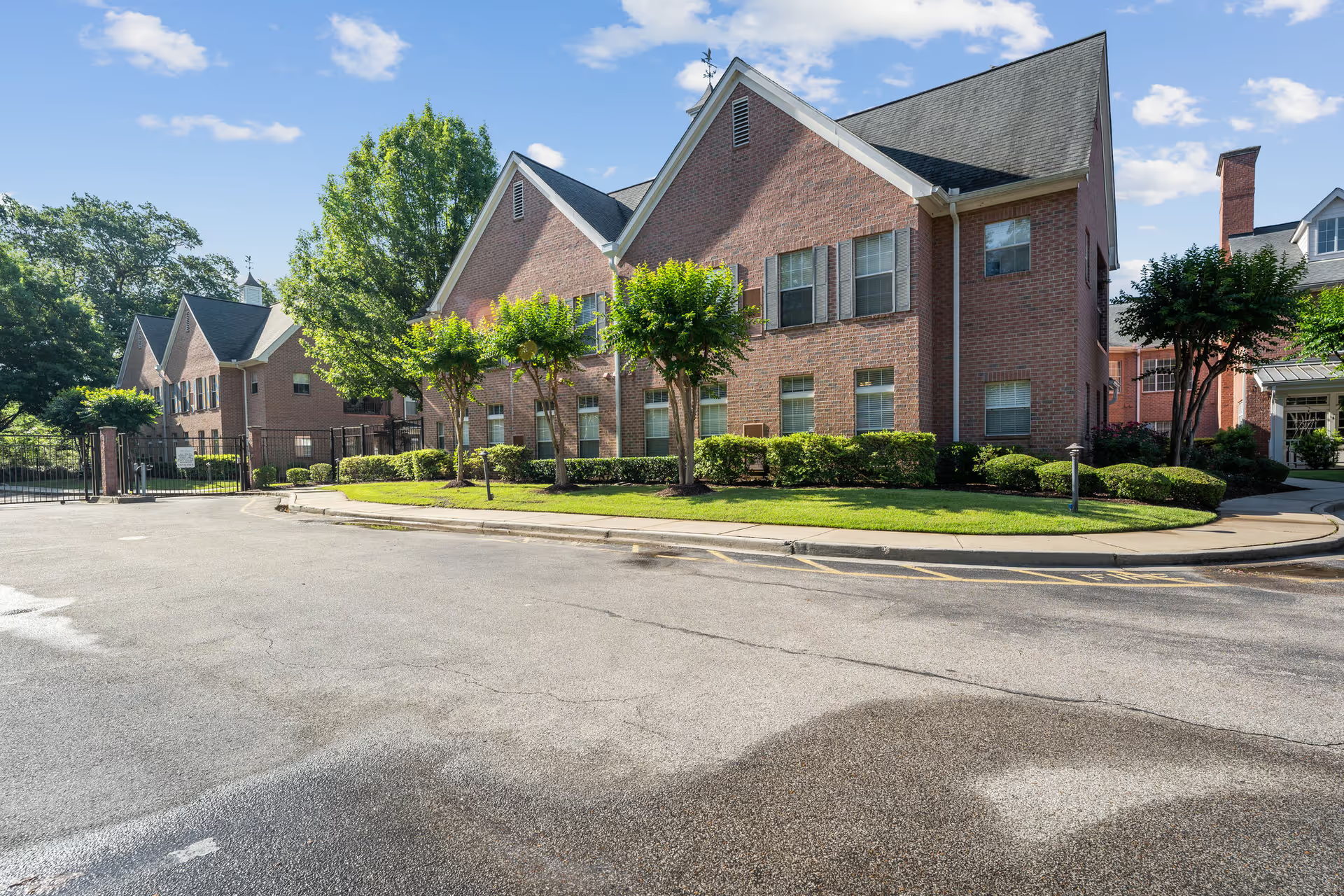
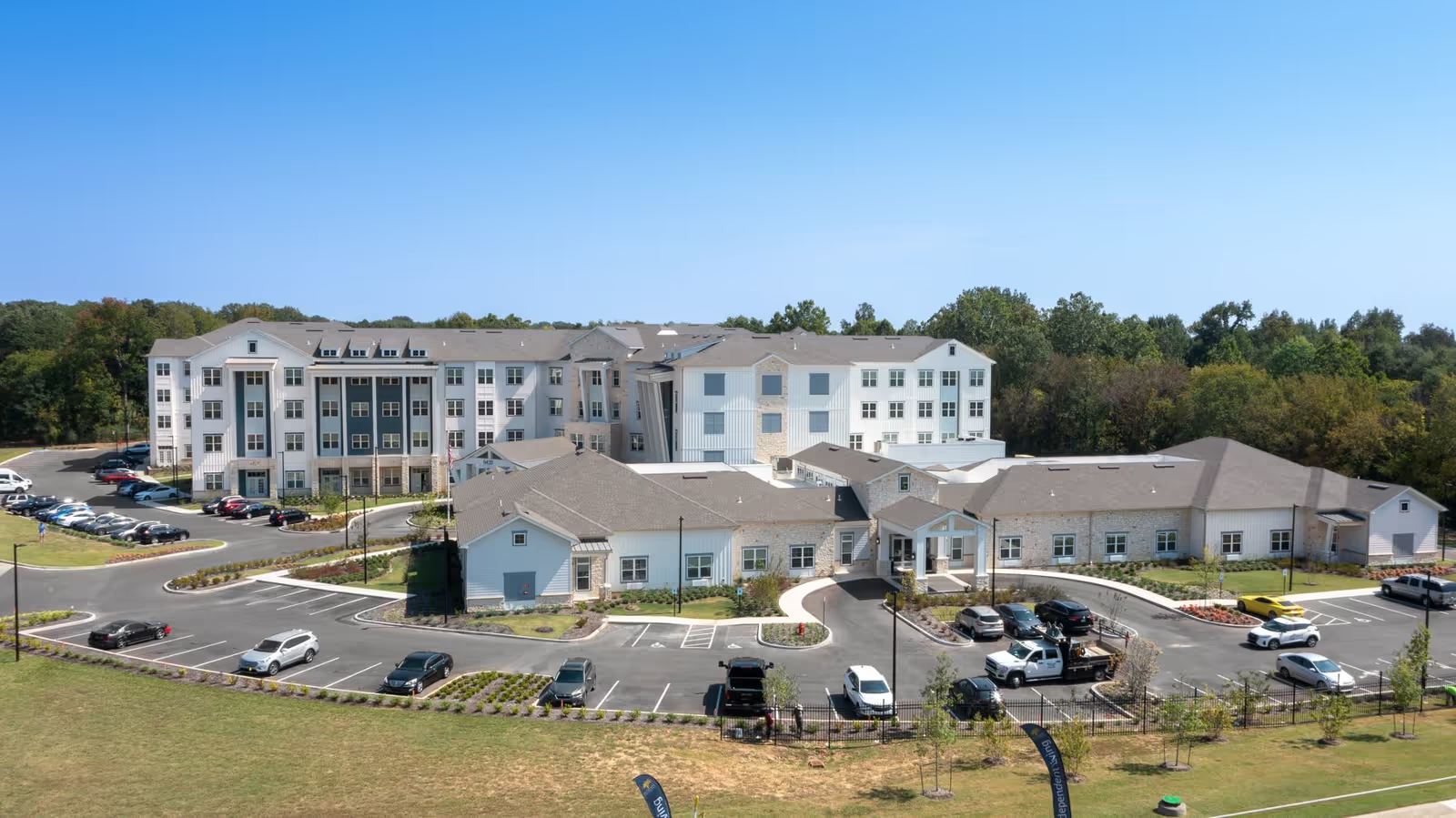
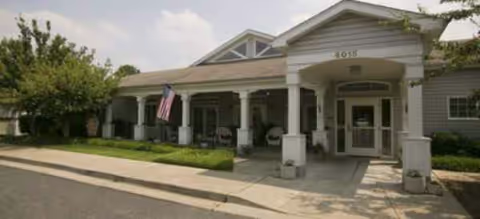
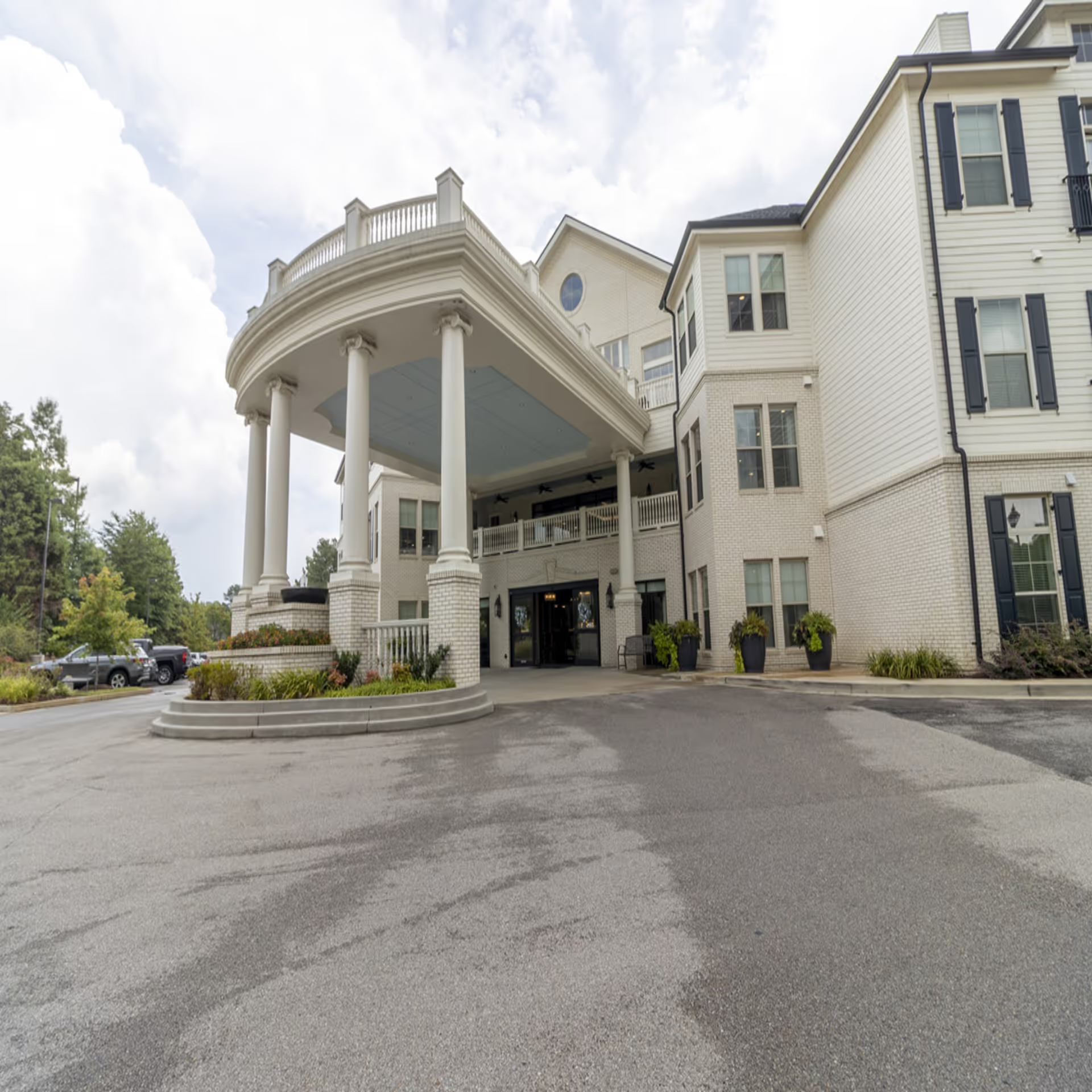
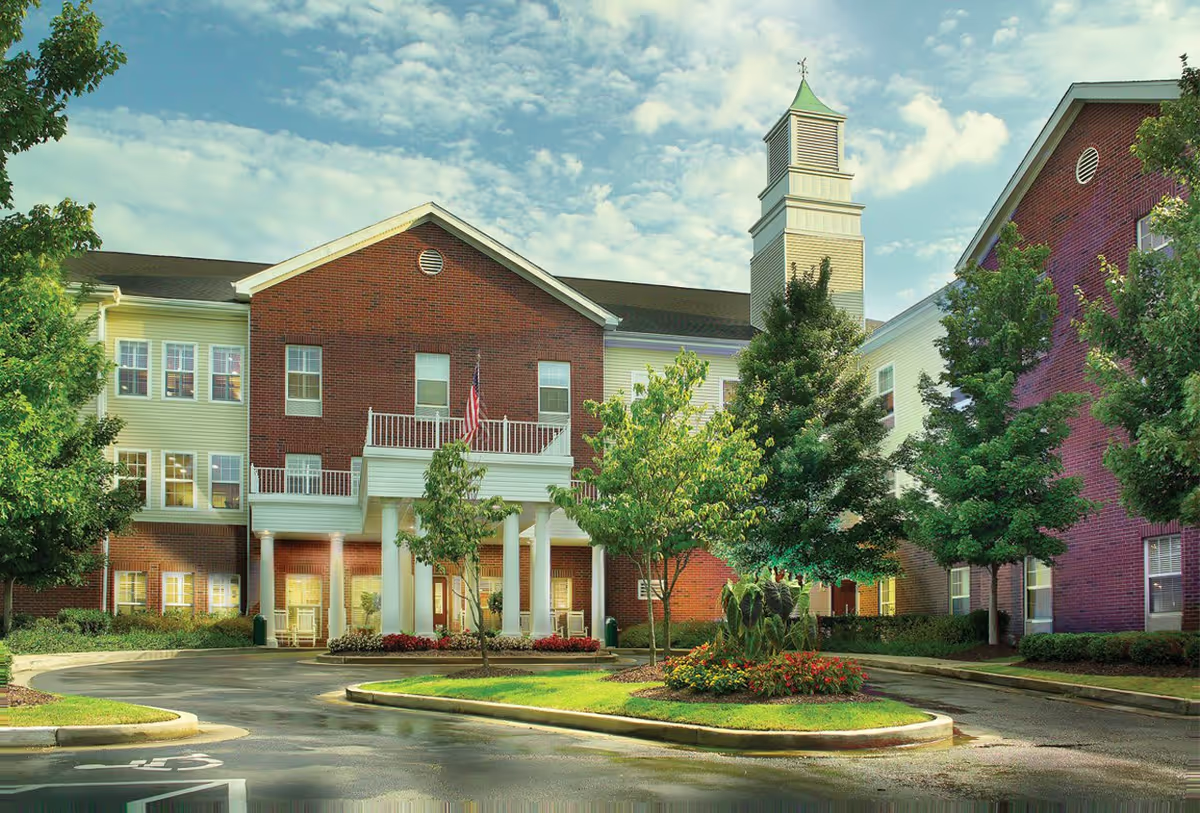
Facilities and setting: Physical accommodations are described as clean and secure, with options for private or shared rooms and shared bathing facilities. Common spaces include a kitchen and sitting room. The property is compact and has a storefront appearance; reviewers noted limited outdoor areas and modest curb appeal. For families who prioritize outdoor space or campus-like grounds, the facility’s footprint may not meet those preferences.
Management and notable patterns: Overall impressions are mixed but cluster around two themes: consistently positive staff interactions and cleanliness, and intermittent but significant operational concerns around meal consistency, mobility-safety practices, and activity programming. There is enough positive feedback about individualized attention and cleanliness that the facility may suit residents seeking a small, home-like setting. Conversely, the presence of safety-related concerns and meal-service inconsistencies suggests families should perform targeted due diligence.
Recommendations for prospective families: during a visit, observe mealtimes, ask to see recent menus and weight-monitoring protocols, review transfer and fall-prevention policies, request documentation of staffing levels, and inquire about activity schedules and outdoor access. Request references from current families and ask how the facility handles family communication after clinical incidents. These steps will help determine whether the facility’s small, personalized model aligns with the prospective resident’s clinical and social needs.