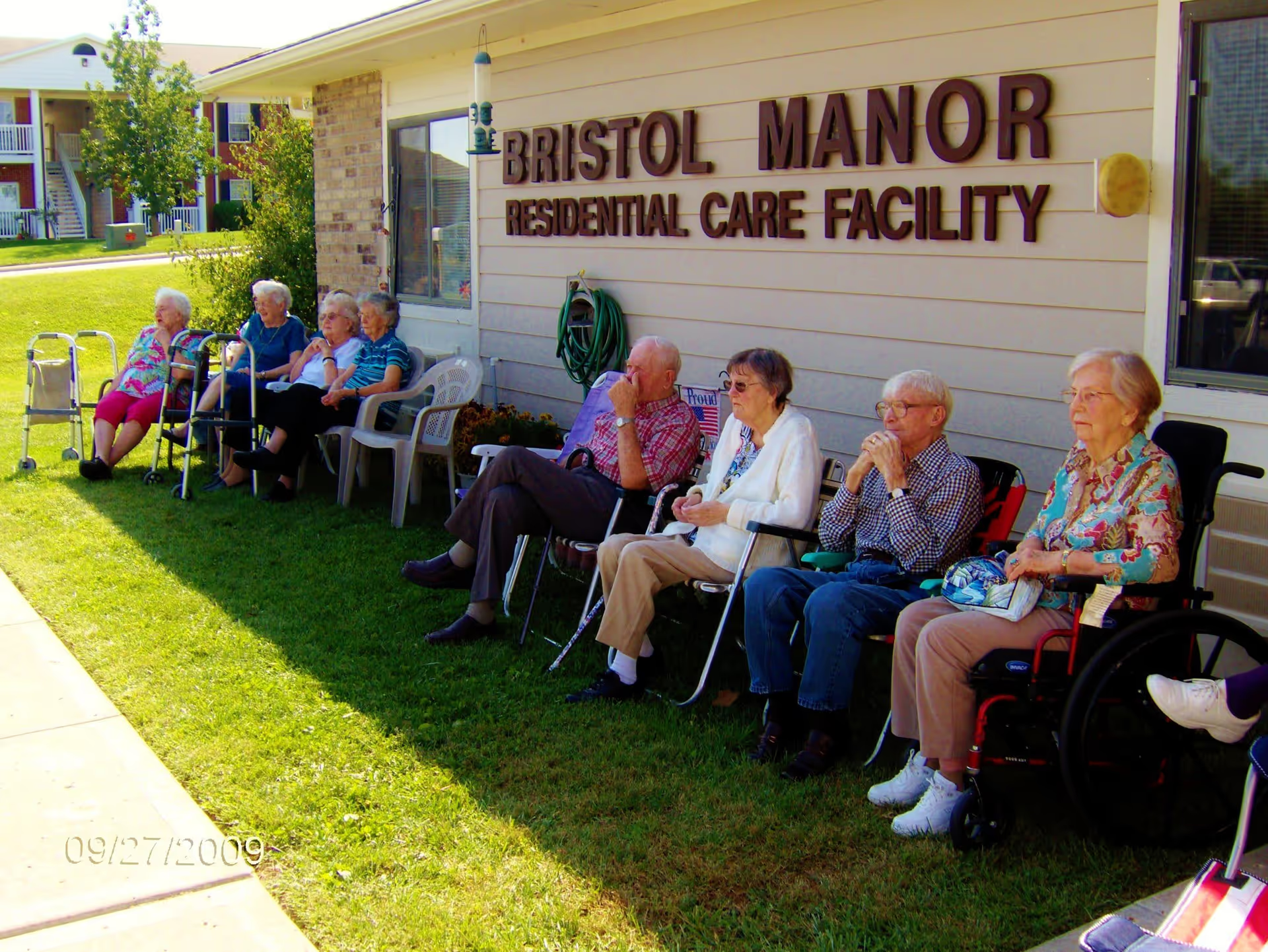
The available reviews present a clear split between the experience of frontline care and concerns about organizational leadership. At the care level, multiple commenters express high satisfaction with direct-care staff, describing them as friendly, helpful, and compassionate. Reviewers also highlight a welcoming, home-like atmosphere and note that residents (and family members) form meaningful social connections; several accounts specifically mention friendships and a strong sense of community. Administrative staff are often characterized as personable and approachable, contributing to overall family satisfaction and recommendations.
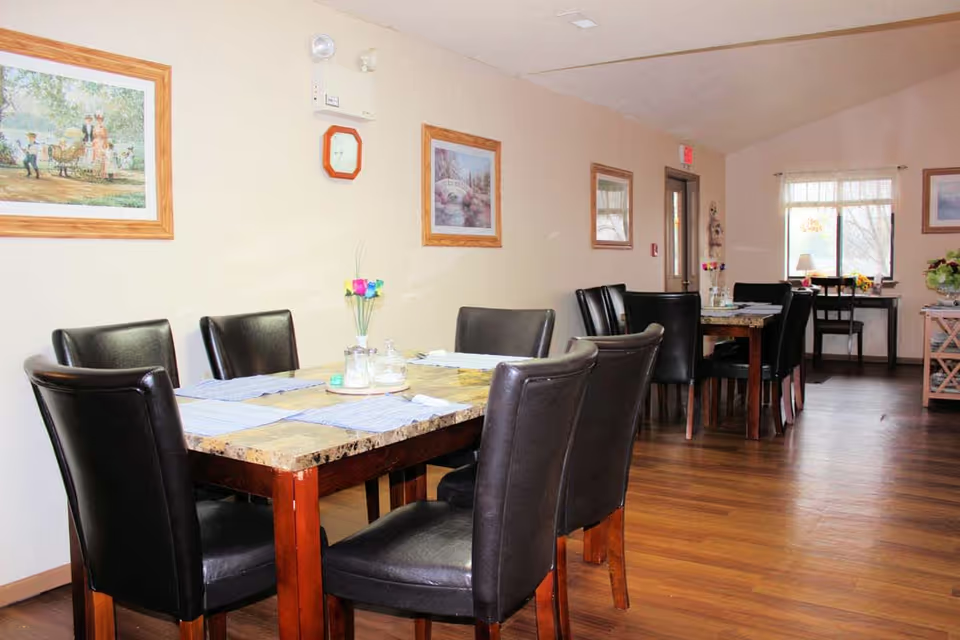
There is little specific information about dining quality or the full range of activities beyond socialization and friendship formation. Reviewers consistently emphasize social opportunities and relationships, which suggests that group interaction and peer engagement are strengths. Comments about the physical facilities are limited but the environment is described as home-like; there are no substantive, consistent statements about maintenance, cleanliness, or meal service in the excerpts provided.
A contrasting and significant theme concerns ownership and higher-level management. Reviews raise serious financial and ethical concerns about ownership behavior, including explicit allegations related to wages and financial handling. Alongside those financial allegations, reviewers describe absentee or distant ownership and characterize leadership as lacking responsiveness. These patterns imply potential impacts on staff morale, retention, and institutional transparency. While direct-care staff receive positive mentions, the management-level issues create a notable tension in overall impressions of the community.
For prospective residents and families, the pattern suggests strong day-to-day caregiving and social life but potential organizational risks at the ownership and administrative level. When evaluating this facility, consider asking targeted questions about payroll and financial oversight, leadership presence and communication practices, staff turnover and morale, and obtaining references from current families and frontline staff. These steps can help clarify how management-level concerns are being addressed and whether the positive caregiving environment is sustained over time.