Joy Adult Care Center elicits a mixed set of impressions. Reviewers describe staff who are invested in resident wellbeing and an administrator actively pursuing visible improvements to the property; those efforts have produced ongoing upkeep and beautification that are apparent to visitors. At the same time, multiple operational concerns are repeatedly noted, creating an uneven picture of day-to-day care and risk management.
Care quality and staff: Many comments emphasize that individual staff members demonstrate care and attentiveness toward residents. However, there are also consistent references to lapses in staff performance, accountability, and follow-through on responsibilities. This produces variability in the day-to-day experience: some families perceive attentive personalized care, while others report delays or inconsistencies in how tasks are completed and how staff communicate about resident needs.
Transportation and clinical-incident response: A prominent theme is transportation management. Reviews indicate limitations related to transport licensure and policies, use of facility vehicles in ways that raise questions about appropriate procedures, and instances suggesting gaps in coordination after hospital discharges. These items point to broader operational weaknesses in how the facility organizes safe resident transport and transitions of care. Some reviewers have framed these as serious regulatory concerns; prospective families should confirm the facility's current transport licensing, policies, and protocols for post-discharge coordination.
Dining and activities: Review summaries provided little consistent information about dining quality or activity programming. There are no clear, repeated comments to characterize meal service or recreational offerings. Prospective families should inquire directly about menus, dietary accommodations, and the regularity and variety of scheduled activities.
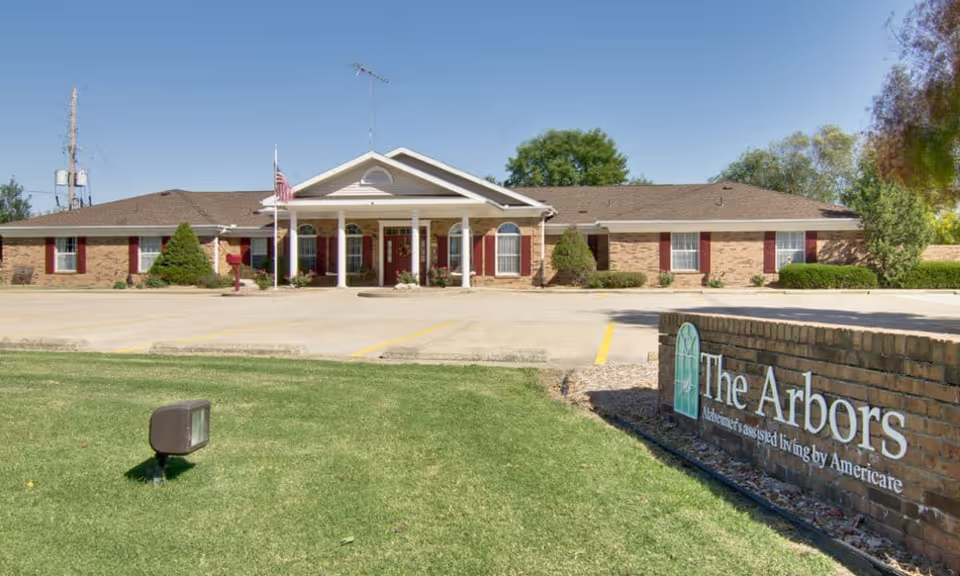
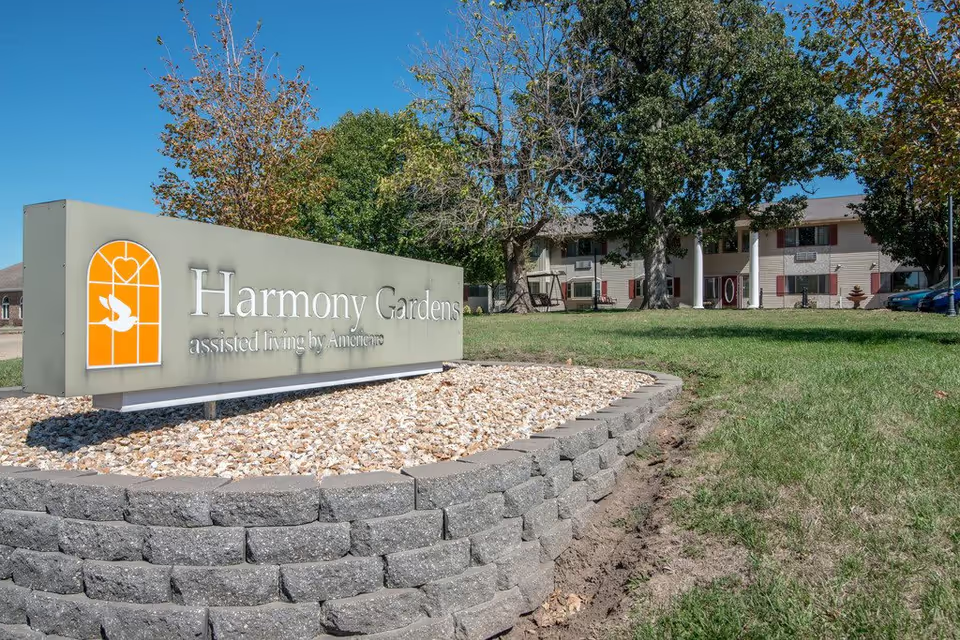
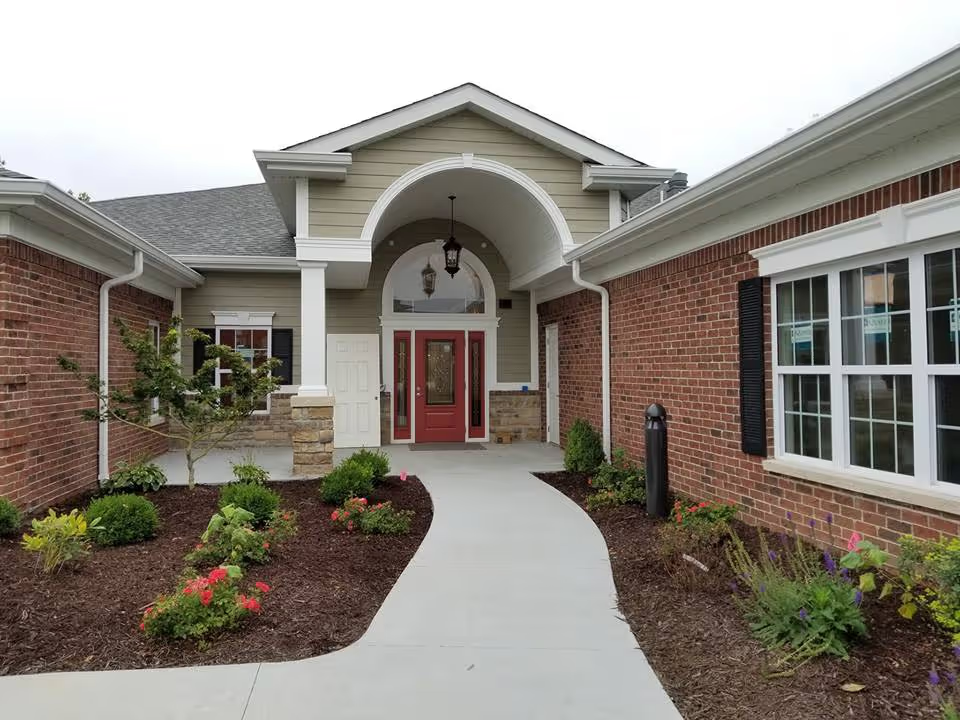
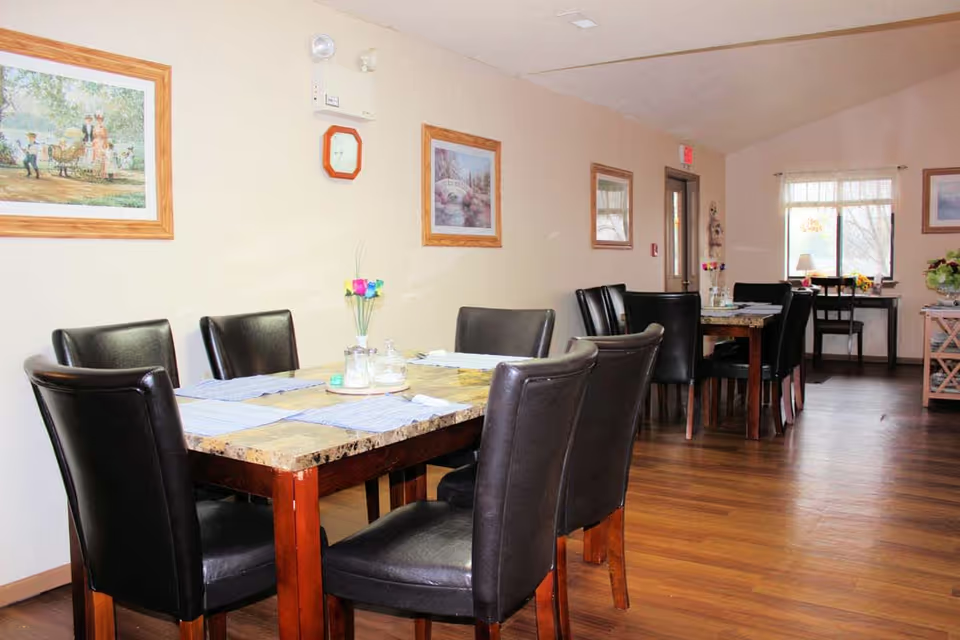
Facilities and sanitation: The building is described as older but benefiting from active beautification and maintenance efforts. At the same time, reviewers note sanitation and cleanliness issues in parts of the facility and characterize some areas as run-down. In short, the physical plant shows signs of both investment and deferred maintenance: cosmetic improvements are visible, but there are outstanding concerns about cleanliness and some needed repairs.
Management and oversight: Management appears proactive about aesthetics and visible improvements, yet operational control appears inconsistent in areas that affect resident safety and regulatory compliance. The combination of active beautification and reported lapses in licensing, transport procedures, and staff accountability suggests uneven attention across managerial priorities.
Notable patterns and advice for families: The overall pattern is one of committed staff and an administrator focused on improvements, paired with persistent operational vulnerabilities—most notably in transportation, regulatory compliance, staff accountability, and cleanliness in certain areas. Families considering Joy Adult Care Center should review current state inspection records, ask for documentation of transport licensure and policies, observe cleanliness in person, and clarify staffing and incident-response protocols before making decisions.