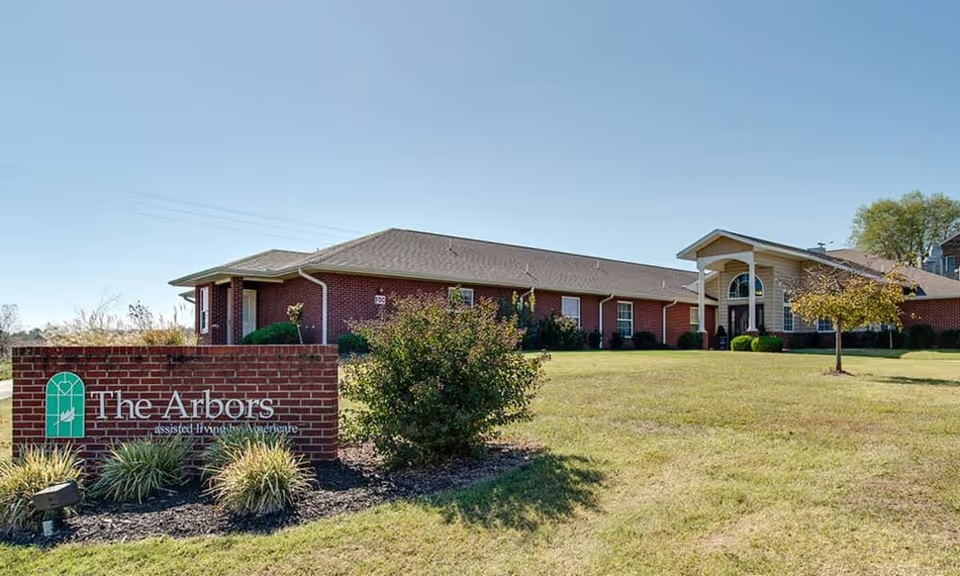
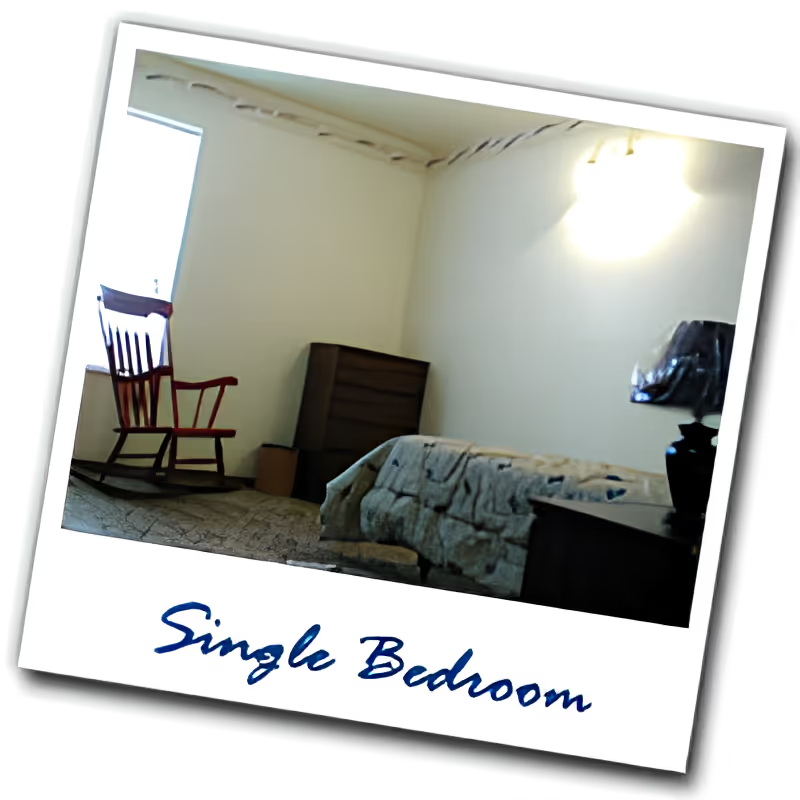
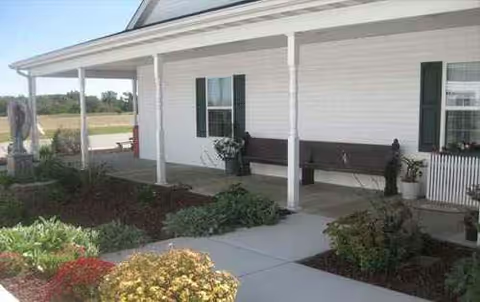
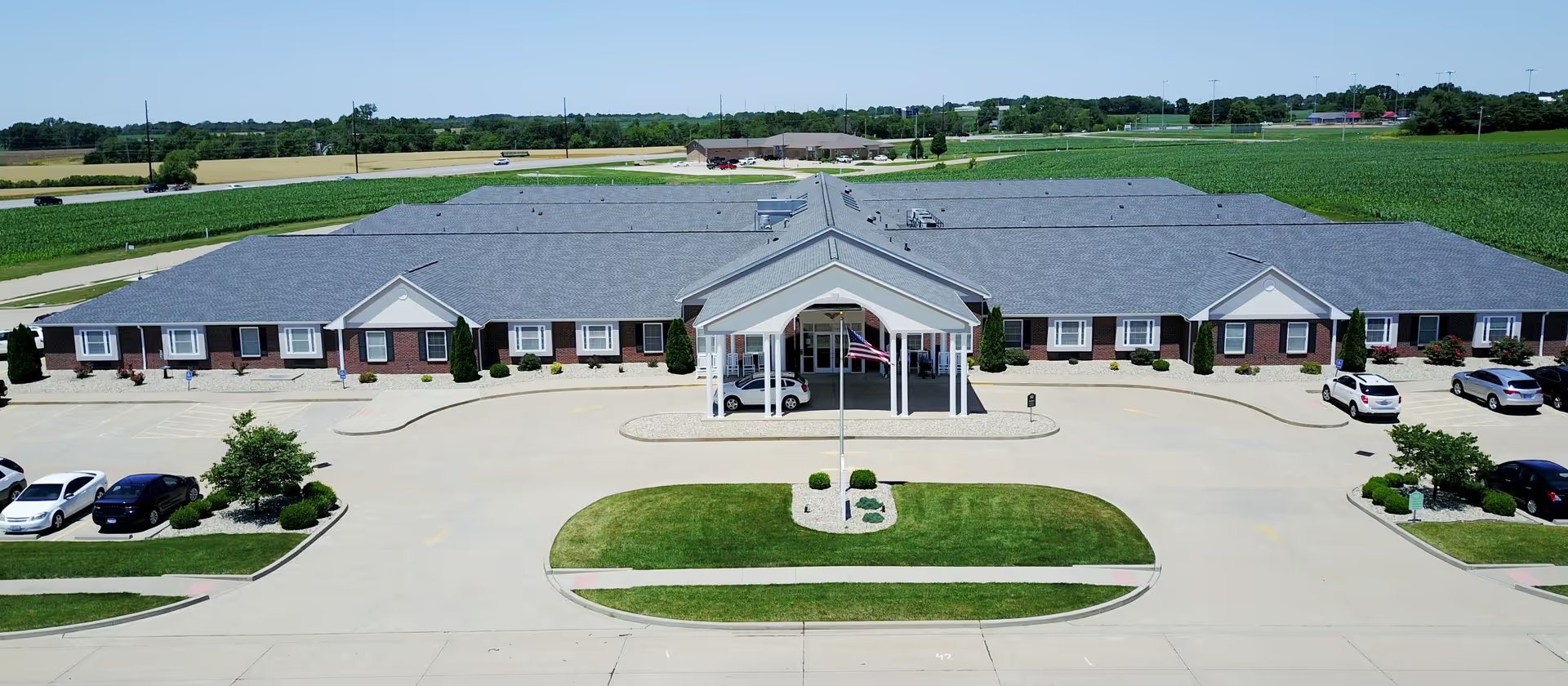
Cedarhurst Senior Living of Farmington is consistently described as a modern, resort-style community with strong visual appeal and a range of onsite amenities. Reviewers emphasize the facility’s clean, well-maintained common areas, attractive apartments (including two-bedroom options and kitchenettes), outdoor courtyards, and communal features such as a movie theater and activity rooms. Physical-therapy and rehabilitation services are available onsite, and the campus is presented as pet-friendly and family-welcoming.
Care and staffing are the most frequently cited strengths. Families characterize front-line staff and clinical caregivers as compassionate, attentive, and resident-focused, with several mentions of individualized care and dignity-preserving practices. Memory-care services receive particular praise for quality and responsiveness. Reviewers also note strong nursing leadership and helpful therapy staff. At the same time, there are recurring indications of staffing strain and workload pressure that sometimes create variability in service delivery.
Dining and activities are prominent features of the community experience. The dining program is described as varied with daily specials, customizable options, and friendly dining staff; the community has earned awards related to food service. Programming spans live music, games, arts, and family-oriented events designed to engage residents. However, reviewers also described inconsistent activity schedules and occasional cancellations, alongside variable dining quality and instances where the menu did not meet a particular household’s needs.
Operational and management patterns show a mix of strengths and concerns. Many families praised transparent communication, proactive clinical follow-up, and a warm ‘‘home-like’’ atmosphere created by staff. Conversely, there are facility-level concerns about management conduct and workplace culture that reviewers flagged; there are also isolated allegations regarding incentivized positive reviews. New-community transition issues and pandemic-era adjustments were also noted, which some reviewers framed as ‘‘ironing out the kinks.’’ Cost is another factor: the community is typically characterized as higher-priced than some local alternatives.
Taken together, the pattern is one of a well-appointed, amenity-rich community with strong relational care and therapy supports, particularly in memory care, but with operational areas that merit careful inquiry. Prospective residents and families should prioritize direct questions about staffing levels and turnover, medication-management protocols, how activities are scheduled and communicated, dining accommodations for special diets, transport arrangements for external medical appointments, and the facility’s approaches to supervisory oversight and workplace culture. These focused inquiries will help determine whether the community’s notable strengths align with an individual’s care needs and expectations.