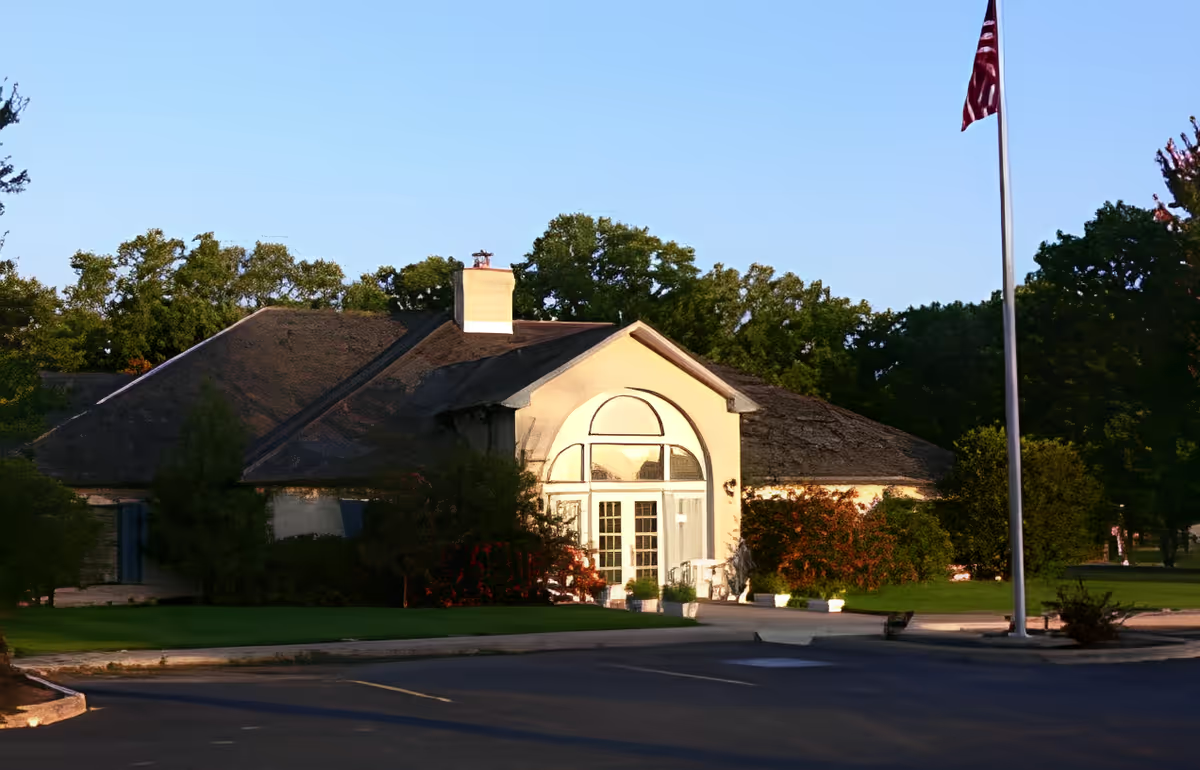
The reviews for Granby House present a mixed picture. Positive comments concentrate on direct-care functions: many accounts describe compassionate, attentive nurses and caregiving staff, along with an active therapy program that includes on-site therapists and measurable improvements in resident mobility and independence. Rehabilitation and therapy are frequently highlighted as effective, and several families and volunteers noted a welcoming atmosphere and visible resident engagement in daily activities. The facility’s location adjacent to a park and the availability of an on-site hair salon are described as pleasant amenities that contribute to resident quality of life.
Staff-level feedback is predominantly favorable when it concerns hands-on care and resident interaction. Reviewers use terms such as caring, loving, and attentive to describe frontline staff, and volunteers reported content and happy residents. These comments suggest strengths in bedside manner, resident engagement, and routine activity programming. Therapy outcomes and short-term rehab experiences are consistently cited as successful, which may be an important consideration for candidates seeking restorative care.
However, several operational and administrative concerns recur across the feedback. Families raise significant issues around management responsiveness and follow-up when questions or problems arise; delays or lack of response from administration are described in multiple accounts. There are also serious allegations regarding mishandling of residents’ personal effects and financial items, which point to weak safeguards around belongings and asset handling. Separately, reviewers describe variable staff professionalism and internal cliques that can affect teamwork and consistency of care.
Administrative processes beyond direct care drew criticism as well. Several comments mention problems with recordkeeping and benefit/tax support, including difficulties obtaining payroll or tax documents. In addition, some reviews raise concerns about clinical oversight and communication around end-of-life situations; these are among the more serious themes and have prompted requests for clearer protocols and improved family communication.
For prospective residents and families, the facility appears to have clear strengths in caregiving, rehabilitation, and resident activities, alongside a pleasant physical setting. At the same time, it would be prudent to evaluate administrative and property-handling procedures before admission: ask for written policies on belongings and valuables, clarify who is responsible for follow-up communications, request examples of recordkeeping and tax documentation practices, and seek references about clinical-incident response and end-of-life communication. A short tour and direct conversations with both frontline staff and administrative personnel can help assess whether the operational concerns raised in some reviews have been addressed.